Kansas City developer 3Strands has announced U.S.A’s first 3D printed homes for sale, the company’s first multi-home project in Austin, Texas. Built with construction technology company ICON, the housing development includes two to four-bedroom homes in one of the fastest-growing cities in America. Designed by Logan Architecture, the project utilizes the Vulcan construction system to build each home.
Primer Lugar Rungue. Image Cortesía de Red Trenzando
Trenzando is a territorial cooperation platform based on the reuse of the railway system. It seeks to create greater development opportunities in non-metropolitan areas, strengthening local identities and decentralizing access to knowledge and technologies. To this end, they invited architects, students, and interdisciplinary teams to participate in the architectural ideas competition "Rehabilitation of Railway Stations / Trenzando Network," which aimed to promote the recovery of the architectural heritage of railways in four Chilean localities: Rungue (Metropolitan Region), Ocoa (Valparaíso Region), Yumbel, and San Rosendo (Biobío Region).
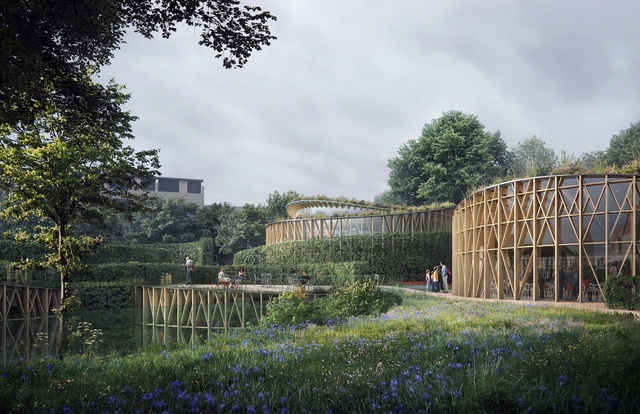
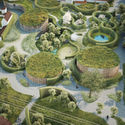
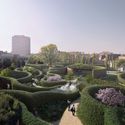
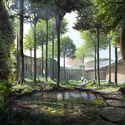
Scheduled to open in the summer of 2021, the H.C. Andersen’s House is a new museum, designed by Kengo Kuma & Associates in Odense, Denmark. Reinterpreting the story of the Danish author’s life and work, the project “will provide a unique artistic experience, which combines landscape, architecture and modern exhibition design”.
AllesWirdGut has won the competition to redesign the historic Gösserhallen in Vienna's 10th district. The new approach aims to handle the existing structure with care, a concept that revives the industrial property with contemporary elements. Preserving the outer walls while introducing interiors for different uses, the team designed an "in-between" space that creates a new environment within the project.
The comprehensive new GEBERIT ONE system means you no longer have to compromise when it comes to bathroom design and bathroom function. How so? Watch the video to find out...
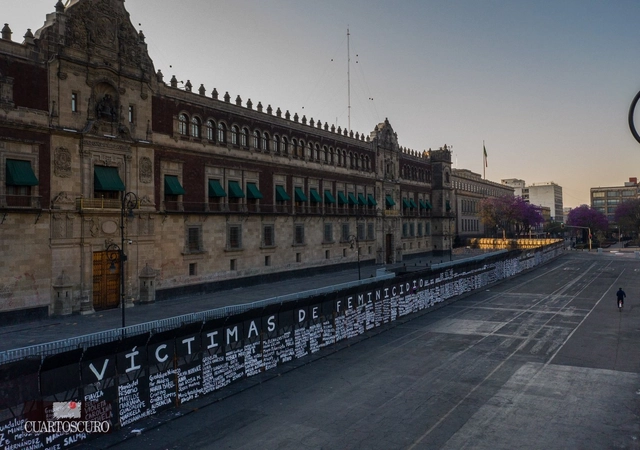
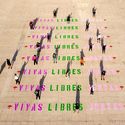
On March 8, 2021, various demonstrations were held in Mexico City to mark International Women's Day (#8M), drawing attention to and demanding justice for the rising wave of daily femicides across the country. Over recent years, this crisis has triggered major protests, such as those on August 16, 2019, and March 8, 2020, where thousands of women gathered to protest through both peaceful and disruptive actions. These demonstrations transformed public spaces, resulting in damage to streets, public transit, and—most notably during the August 16, 2019 march—the Angel of Independence monument, which is still undergoing restoration. This damage sparked a massive backlash that discredited the feminist movement, prioritizing property damage over the core demands of the protests.
For the fifth time, we are giving our readers the responsibility of recognizing and awarding the projects that have made the greatest impact on the profession through the ArchDaily Brasil Building of the Year 2021 Award. By voting, you become part of an unbiased network of jurors recognizing the most relevant projects of the past year.
Over the next three weeks, the collective intelligence of our readers will filter through hundreds of projects from Portuguese-speaking countries – Brazil, Portugal, Mozambique, Angola, Guinea-Bissau, East Timor, Equatorial Guinea, Macau, Cape Verde, and São Tomé and Príncipe – published in 2020, selecting the best built works in the Portuguese-speaking world.
From hundreds of works published in 2020, readers will choose their favorites, with the 15 most-voted projects moving on to the second stage of the Award.
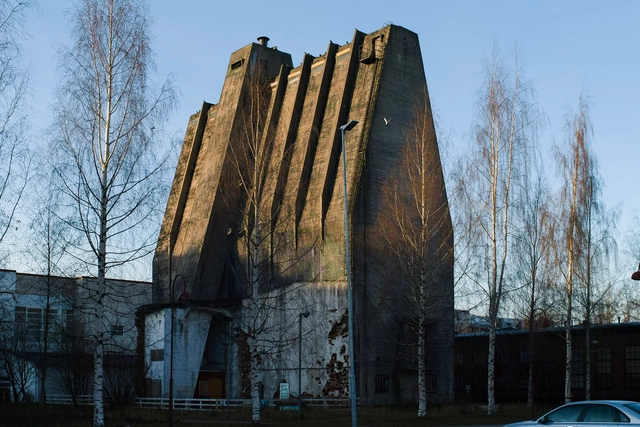
Skene Catling de la Peña and Factum Foundation are transforming Alvar Aalto’s iconic wood chip Silo into a research Centre promoting architectural preservation and re-use. The AALTOSIILO, a cathedral-like concrete structure “will become a point of focus for digitizing and communicating the importance of the industrial architecture of the north and – in turn - the impact industry has had on the environment”.
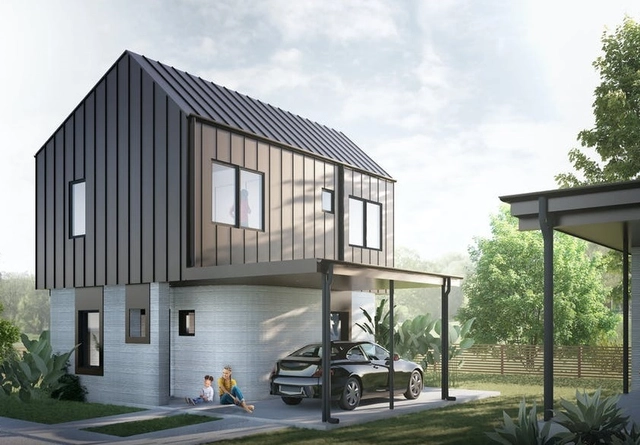
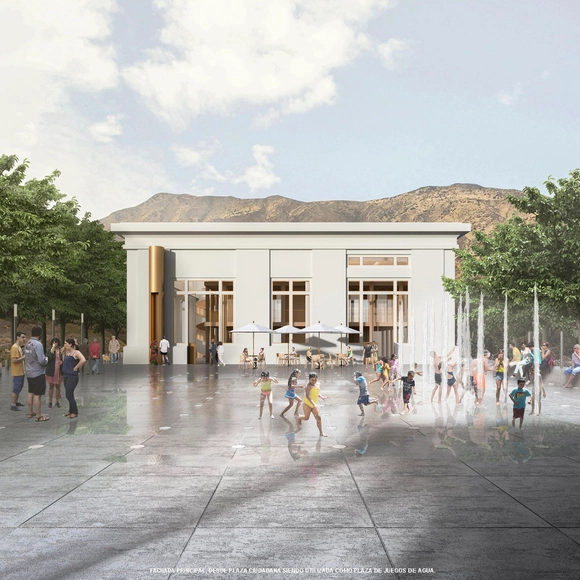
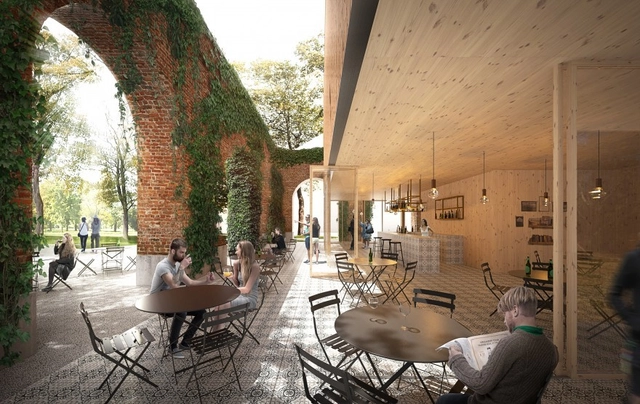
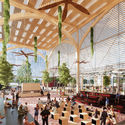
The City of Chicago has selected Skidmore, Owings & Merrill (SOM) and TnS Studio to create an incubator for small businesses and entrepreneurs in the city’s Englewood neighborhood. Called Englewood Connect, the project is part of Mayor Lightfoot’s INVEST South/West initiative, and it aims to foster local commerce and greater connectivity, as well as create new, flexible public spaces.
Three renderings from a print portfolio for the World Trade Center, 1963. Image Courtesy of Estate of Carlos Diniz
The Drawing Matter Trust has announced the return of the Drawing Matter Writing Prize for 2021. Last year’s competition brought together diverse texts from participants across the world, a showcase of ideas exploring drawing as both a noun and a verb. The competition invites participants to carefully look at drawings and to consider what they reveal about the process of design, and the buildings or objects they represent.
The University Council of the São Paulo State University (Unesp) has decided to award the title of Doctor Honoris Causa to Adélia Borges, a curator, journalist, and critic active in the field of design. The initiative for awarding the degree came from the Department of Design at the Faculty of Architecture, Arts and Communication (FAAC) on the Bauru campus. In its justification, the Council stated that the title was awarded “for her work as a critic and curator with a significant contribution to the research, dissemination, and promotion of Brazilian Design on both the national and international stages, demonstrating deep knowledge of the field and a broad socio-political and cultural vision.” The official ceremony will take place on March 8, 2021, International Women's Day, at 2:30 PM, and will be broadcast on the TV Unesp YouTube channel.
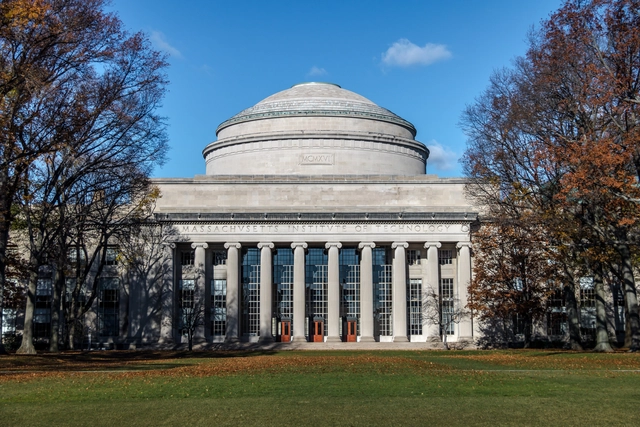
CAMBRIDGE, USA - December 01, 2016: Massachusetts Institute of Technology (MIT) Dome - Cambridge, Massachusetts, USA. Image via Shutterstock/ By Diego Grandi
Every year in March, the QS World University Rankings reveal the top universities to study each profession, covering 51 different subjects. Grading schools based on academic reputation, employer reputation, and research impact, the annual QS- Quacquarelli Symonds has unveiled that for the second year in a row, in the 2021 Architecture/ Built Environment division, the Massachusetts Institute of Technology (MIT) is still in the first position.
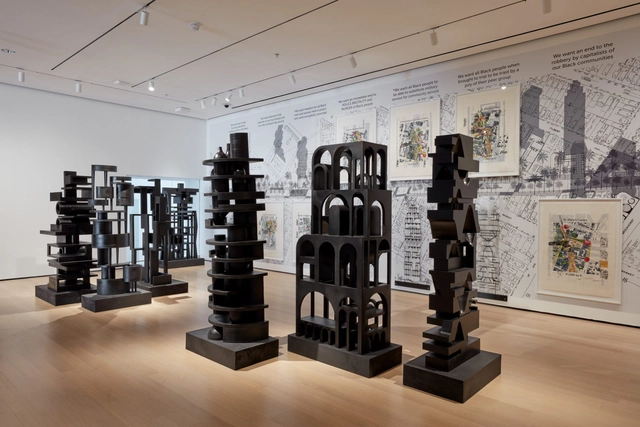
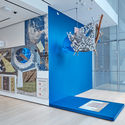
Reconstructions: Architecture and Blackness in America. Image Courtesy of The Museum of Modern Art, Robert Gerhardt
The Museum of Modern Art has launched Reconstructions: Architecture and Blackness in America, the fourth installment of the Issues in Contemporary Architecture series. Investigating the intersections of architecture, Blackness and anti–Black racism in the American context, the exhibition and accompanying publication examine contemporary architecture in the context of how systemic racism has fostered violent histories of discrimination and injustice in the United States.
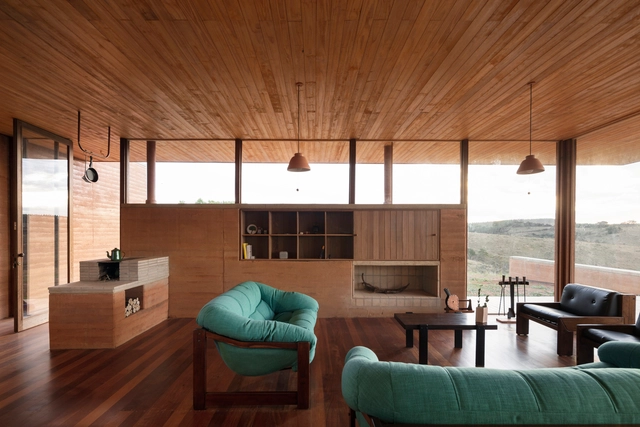
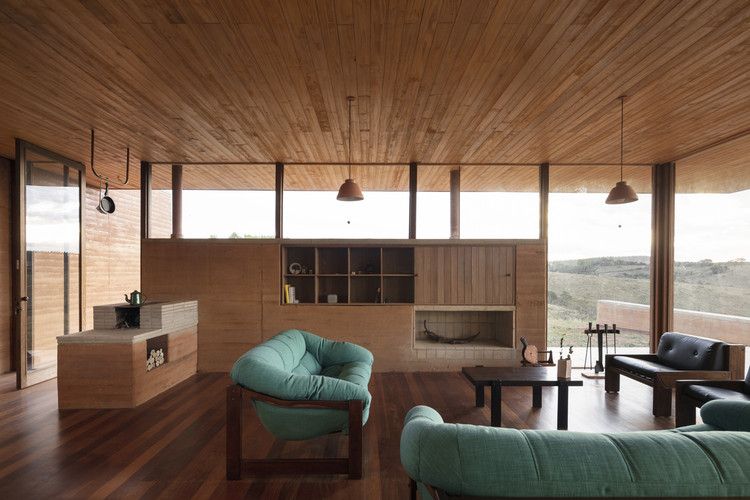
Ancestral, but overshadowed by other technologies that have emerged over time, the rammed-earth walls are again gaining prominence in Brazil for being a low-impact, sustainable and economical solution. Known in Portuguese as taipa, it is a rudimentary construction system that compresses the earth into wooden boxes until it reaches an ideal density that allows a resistant and long-lasting structure.
Last year, as the pandemic kept many housebound, artist and architectural historian Esther Choi found herself fielding a lot of requests from BIPOC students and young professionals looking for advice. She noticed several of the same concerns cropping up, specifically those having to do with the stresses of studying or working in environments that were overwhelmingly white. So, as one will do these days, Choi took to social media, where she announced virtual information sessions in which she would talk about her professional experience in an attempt to help others. The success of these initial, informal get-togethers led Choi to plan a series of events where BIPOC design students and young professionals could pick the brains of established BIPOC architects, designers, and writers about their careers and ways to navigate often unsupportive fields. The conversations would be casual, frank, and encouraging. Choi named the initiative Office Hours.
Kubuswoningen, designed by Piet Blom in Rotterdam, Netherlands (1984). Photo by Nicole Baster, via Unsplash
With one of the best higher education systems in the world, the Netherlands offers annual scholarships for Brazilians through the Orange Tulip Scholarships program. Applications for the 2021/2022 academic year are now open for undergraduate, postgraduate, or MBA students.
More than 20 Dutch universities participate in the program, offering scholarship options for courses in the fields of Arts, Biological Sciences, Health, Exact Sciences, Technology, and Humanities, including some focused on architecture and urban planning – all taught in English.
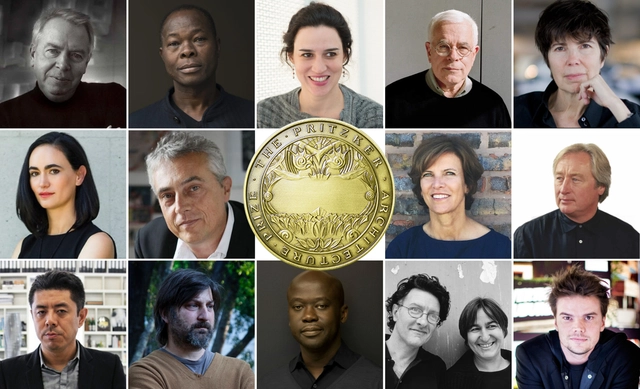
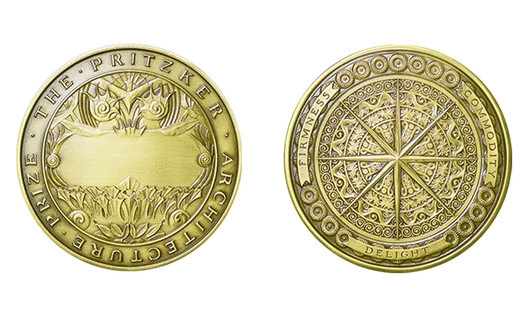
Some of the potential winners of Pritzker Prize 2020, according to our readers in 2020 poll. Image
Once The Hyatt Foundation has revealed early March as the announcement date of the Pritzker Prize 2021 Winner, the speculation has begun to swirl around which architect will be named the next laureate of the trophy. What used to be a somewhat predictable award has become less so in recent years, and if you look at the list of people who have won before, you will realize that anything is possible.
We want to hear from our readers —not just about who probably will, but about who should win the prize, and why. Cast your vote in the poll below.
https://www.archdaily.com/957557/who-should-win-the-2021-pritzker-prizeArchDaily Team
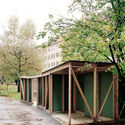
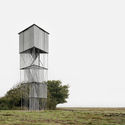
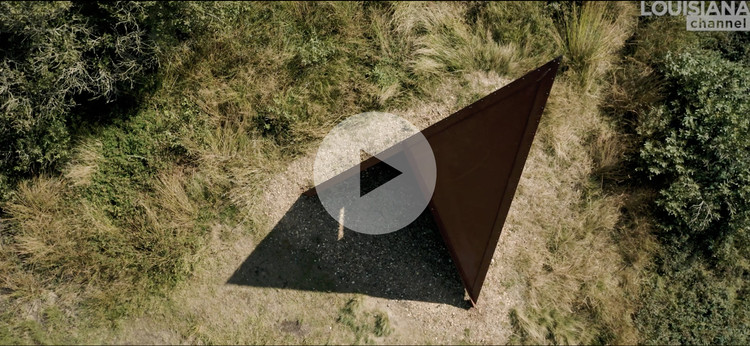
In a recent interview with Louisiana Channel, Copenhagen-based architects Søren Johansen and Sebastian Skovsted share insights into their design process - stating the importance of creating architecture that seamlessly blends into the landscape yet stands out on its own right. Discussing the minimalist nature of their projects, the architects are careful not to put themselves in a box, saying, "When you ask about minimalism in our work, or any other ism, we are not interested in simplicity for simplicity’s sake.”
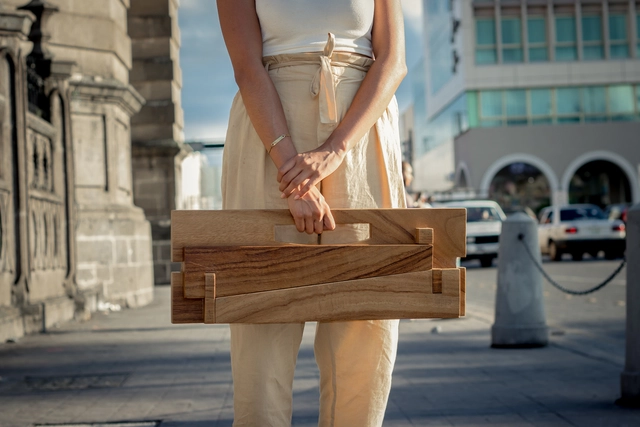
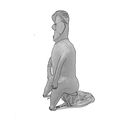
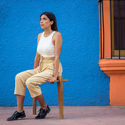
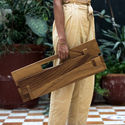
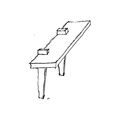
Luis Antonio Moreno Aguayo—architect and co-founder of Taller Matatipac in Tepic, Nayarit—presents his project: the Bípeda chair, which uses experimentation to simplify concepts to their elemental roots, employing critique as a tool to fuel creativity.
https://www.archdaily.com/1127907/taller-matatipac-presents-a-pre-hispanic-inspired-chair-in-mexicoArchDaily Team
The Hyatt Foundation has revealed the announcement date of the Pritzker Prize 2021 Winner(s). The most relevant recognition in architecture will be announced on Tuesday, March 16th, 10:00 am EDT.
https://www.archdaily.com/957998/pritzker-prize-2021-winner-to-be-announced-in-early-marchArchDaily Team
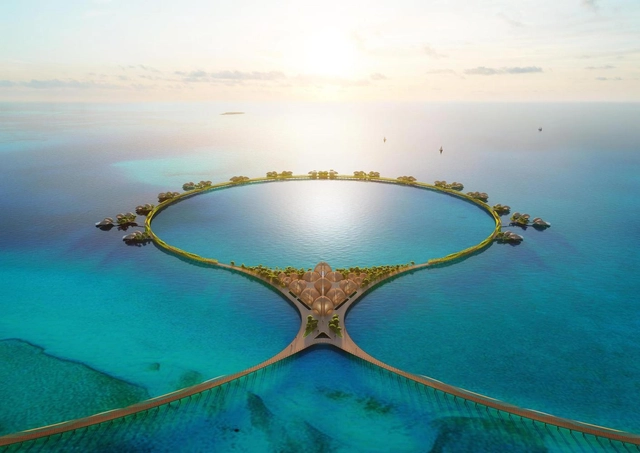
Foster + Partners is designing Hotel 12, on the Ummahat AlShaykh Island in Saudi Arabia. Developed by the Red Sea Development Company (TRSDC), the project is one of two hotels on the island, the first being planned by Kengo Kuma.
Photo by A. Duarte, via VisualHunt.com / CC BY-SA. ImageCerrado, the third most biodiverse flora biome in the country
With nearly fifty thousand plant species—over half of which are endemic, meaning they only occur naturally here—Brazilian flora is among the most diverse and richest in the world. This data is featured in the country's largest and most comprehensive virtual botanical library, Flora do Brasil 2020, developed by the Rio de Janeiro Botanical Garden.
What kind of cities do we want to live in? What do we believe is important for a good life? And what makes a good home for all of us?SPACE10 with gestalten have teamed up to gather insights from world-renowned experts to explore a better urban future for humanity. Compiled in a book entitled The Ideal City, the findings draw five core principles: The city of tomorrow should be resourceful, accessible, shared, safe, and desirable.
Taking a holistic and multidisciplinary approach to rethinking how we could design, plan, build and share our cities going forward, the publication unfolds projects from 53 different cities in 30 different countries. Discover in this article, excerpts from the book, with the foreword by Bjarke Ingels and the last word by Xiye Bastida.








.jpg?1615264644&format=webp&width=640&height=580)
.jpg?1615264657 "Courtesy of Skidmore, Owings & Merrill (SOM)")
.jpg?1615264645 "Courtesy of Skidmore, Owings & Merrill (SOM)")
_jpg.jpg?1615310606 "Courtesy of Skidmore, Owings & Merrill (SOM)")
.jpg?1615264644)