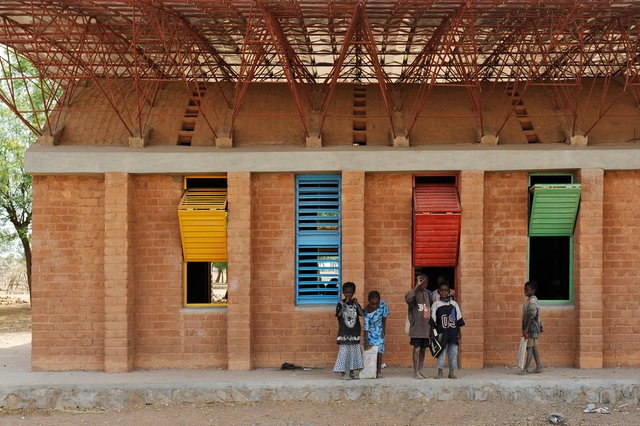
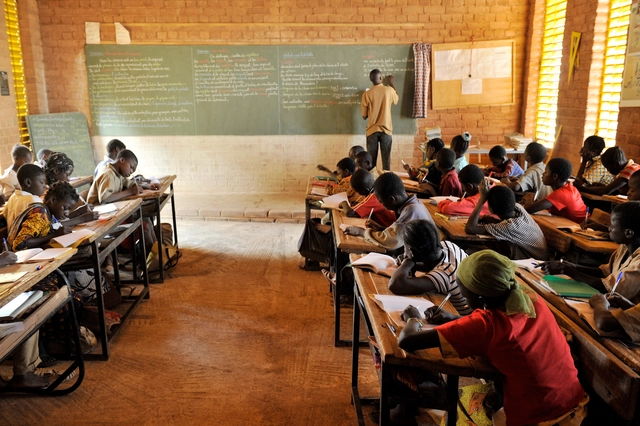
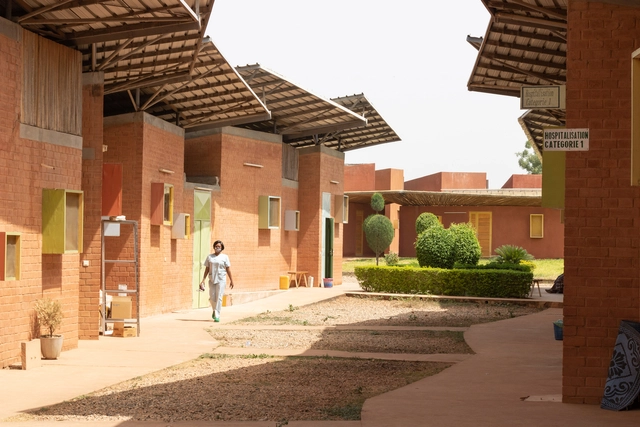
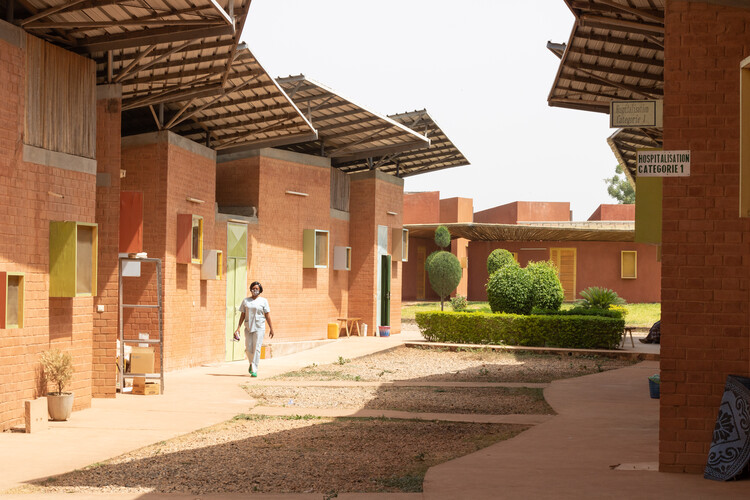
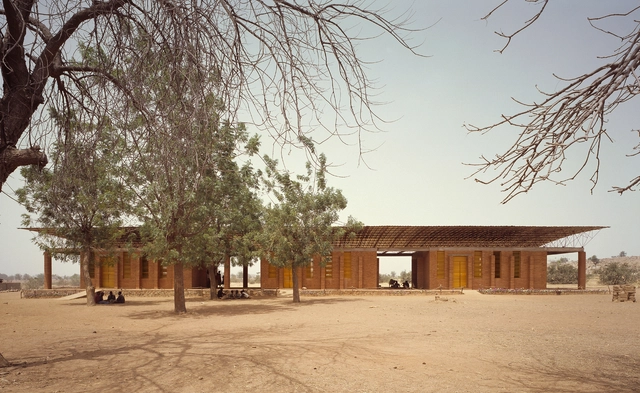
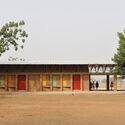
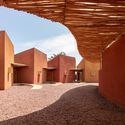
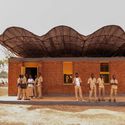
Clay walls have a high thermal inertia. This means that they act as a climate buffer that creates a thermal delay in the flow of heat from the outside to the inside, absorbing it during the day and releasing it overnight. The material is especially suitable for hot and dry climates, such as that of Gando, where Francis Kéré built his first school. After years of studying abroad, Kéré returned to his home community with the intention of building this school with the same materials historically used by locals, which many originally viewed as strange, as he said in this lecture. Despite the initial prejudice, it was the combination of local materials and techniques with Kéré’s acquired knowledge that ultimately gave strength to the project.
https://www.archdaily.com/978851/how-does-francis-kere-use-materials-to-respond-to-local-climate-conditionsValeria Montjoy and Eduardo Souza
Videos
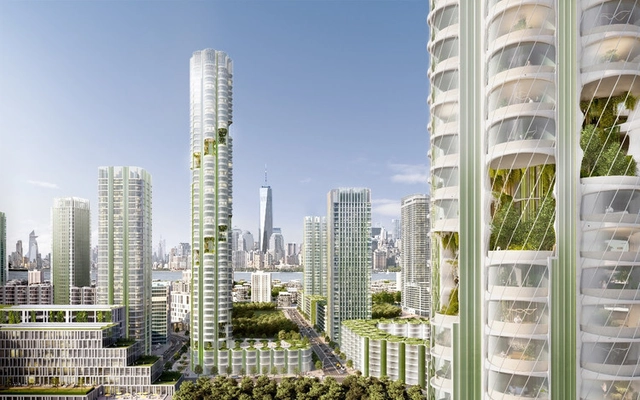
Urban Sequoia Forests of Buildings Isolating Carbon & Producing Biomaterials . Image Courtesy of SOM / Miysis
With the magnitude and urgency of the immediate Covid-19 crisis worldwide, efforts have been concentrated on saving lives, rather than focusing on concerns related to the road to Net-zero carbon. Net Zero carbon in regards to construction is defined as when the amount of carbon emissions associated with the construction of a building and its completion is zero. A zero-energy building will have an overall zero net energy consumption; the total amount of energy used by the building annually is equal to the amount of renewable energy generated on-site.
As the climate emergency presents itself as a severe and existential threat, it is crucial that the road to net-zero carbon is resumed large-scale in both an architectural and commercial sense. Around the globe, efforts have been renewed in an attempt to tackle the almost inconceivable. According to the 2019 global status report for buildings and construction, the buildings and construction sector accounted for 36% of final energy use and process-related carbon emissions in 2018. Although carbon emissions were temporarily reduced during the peak of the pandemic, they are set to swiftly return to previous figures.
Cozinha Americana, 1946. Autor: Harris & Ewing, fotógrafo. N STREET, KITCHEN. [Entre 1905 e 1945] Fotografia. Recuperado da Biblioteca do Congresso dos EUA [www.loc.gov/item/2016861773/]. Imagem em Domínio Público [PD US Government]. Image via Wikimedia Commons
The discovery of fire was one of the great events that changed the social organization of human agglomerations, which gradually passed from nomadic to sedentary lifestyle. Fire, which in that context served to keep people warm and protect the group, was also being explored as a source for cooking food, which not only changed human eating habits, but also made it possible to conserve food, changing the social organization of communities. The preparation and meals were collective acts, which brought people together to feed, warm up and protect themselves. It is from this habit that we inherited the practice of large banquets and the appreciation of food and meal times. Food preparation, on the other hand, was gradually marginalized.
While the Egyptians, Assyrians, Phoenicians, Persians, Greeks and Romans shared the habit of holding large banquets, the preparation gained less and less prestige, losing its collective social dimension until it was physically segregated in a specific room: the kitchen.
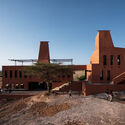
African architecture has received deserved international attention in the last decade and one of the main responsible for this is, undoubtedly, Diébédo Francis Kéré, 2022 Pritzker Prize Winner. Born in Gando, Burkina Faso, Kéré graduated in architecture at the Technische Universität Berlin, in Germany. Today, he maintains branches of his firm, Kéré Architecture, in both countries, through which he seeks to develop works in the "intersection of utopia and pragmatism", exploring the border between Western architecture and local practice.
Known for involving community in the construction process of its buildings, Kéré and his office have developed works that go beyond the conventional limits of architecture and touch on themes such as local economy, migration, culture and equity. We had the pleasure and privilege of talking with the architect about some of his projects and his broader vision on architecture. Read the full interview below.
Surgical Clinic and Health Center. Cortesia de Francis Kéré
"I just wanted my community to be a part of this process," Diébédo Francis Kéré said in an ArchDaily interview published last year. It's hard to think of another phrase that so well sums up the modesty and impact caused by the newest winner of the Pritzker Prize of Architecture, whose work gained notoriety precisely for involving the inhabitants of his village in the construction of works that combine ethical commitment, environmental efficiency, and aesthetic quality.
Diébédo Francis Kéré founded his architecture practice Kéré Architecture, in Berlin, Germany in 2005, after a journey in which he started advocating for the building of quality educational architecture in his home country of Burkina Faso. Deprived of proper classrooms and learning conditions as a child, and having faced the same reality as the majority of children in his country, his first works aimed at bringing tangible solutions to the issues faced by the community.
The tech industry in Japan has continued to serve as a pivotal driving force in Japan, with the whole country being well known for its technological innovations in various industries. As of late, most industries and companies have begun to shift their focus to the topic of sustainable development, with the inclusion of using these very technologies to work towards zero energy goals.
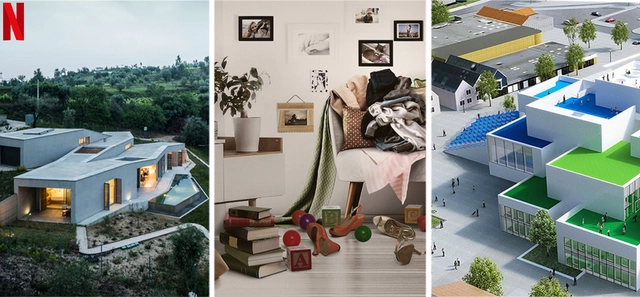
With over 3,000 categories and entertainment genres in the span of 25 years, Netflix has offered its users an array of content, ranging from feature films and sitcoms to documentaries and competition shows. Among these numerous genres is a selection dedicated to architecture and design enthusiasts, one that gives them access to the minds of the world's greatest designers and highlights unique projects from across the world. Whether you're looking for design inspiration or searching for something new to watch, we have selected 10 must-see architecture and design-related documentaries, TV shows, and films currently streaming on Netflix.
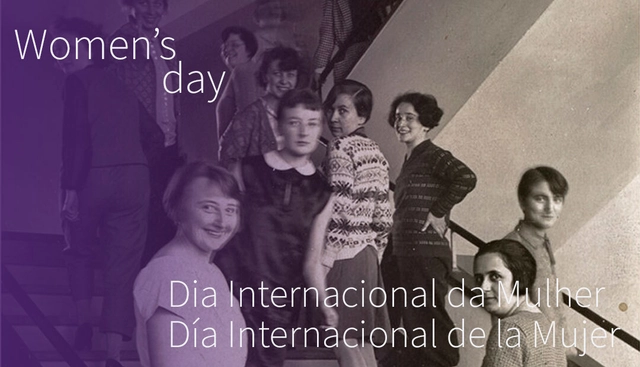
While women make up an equal part of the population, they are not equally represented when imagining, planning, designing, and constructing the built environment around the globe. Thriving to rebalance forces and close the gap of gender inequality, the world is moving slowly but surely into a more diverse, equitable, and inclusive future. Looking back at 2021, this year has seen the selection of Lesley Lokko as curator of the 2023 Venice Biennale, Anne Lacaton winning with her partner Jean-Philippe Vassal the 2021 Pritzker Prize, the 6th woman to ever receive the award, and the MAXXI Museum celebrating the transformative role of female architects in the profession's evolution over the last century.
The 2022 Women's International Day, according to the UN is centered on “Gender equality today for a sustainable tomorrow”, focusing on females involved in building a sustainable future, while the official platform of the 8th of March is concentrating its efforts on breaking the bias and eliminating discrimination. Recognizing every single day the female force that shapes the built environment, ArchDaily on the other hand, turned to its global audience this year, seeking input to shed light on even more women architects, from the four corners of the world. Always trying to reach new realms, this selection of 25 professionals is looking to adjust the historical narrative by highlighting pioneers of the field, to present established practitioners molding the world we live in, and to share profiles of activists and scholars, implicated in change.
The importance of the use of advanced technologies, such as the likes of virtual reality in the scene of architecture, is becoming increasingly necessary. No matter how beautiful a rendered image may be, it will always lack the capacity to fully convey the scope and feel of a project as a whole, further perpetuating the necessity to incorporate the use of these technologies at a professional practice level.
Architects who choose not to adopt the use of virtual reality technologies into their design process fall victim to being at a significant disadvantage, and the problem no longer even lies within accessibility, as VR is very much a possibility for architects of all backgrounds in the present age.
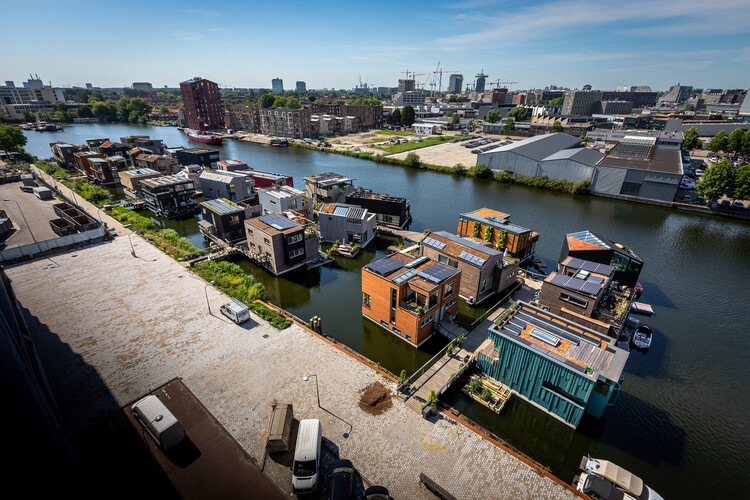
While circular economy is often discussed in relation to the architectural object through the lens of material recycling, design for disassembly, and material passports, the framework is most fully enacted at the neighbourhood and city scale. Whether it is visions of circular communities that hint at some level of self-sufficiency or policies set in motion by cities, urban-scale projects exemplify the guiding principles of the circular economy, providing a glimpse into what a fully-fledged version of it might look like. The following explores the strategies used in circular urban environments, from architecture and construction materials to energy production, waste management and food production, as well as the processes and operations that govern these designs, providing insights into the conditions that inform circularity.
As revolutionary as the construction sector may seem nowadays, it currently accounts for nearly 40% of the world’s carbon dioxide emissions, 11% of which are a result of manufacturing building materials such as steel, cement, and glass. Fast forward a couple of years later, after a life-changing global pandemic and indisputable evidences of climate change, CO2 emissions are still on a rise, reaching a historical maximum in 2020 according to the 2020 Global Status Report for Buildings and Construction. Although a lot of progress has been made through technological advancements, design strategies and concepts, and construction processes, there is still a long way to go to reduce carbon emissions to a minimum or almost zero in the development of built environments.
Courtesy of UN-Habitat and Global Utmaning/ Edited by ArchDaily
The built environment destined for everyone is still, to this day, not envisioned by everyone. Last year on Women’s day, we stated that “the battle for equality is far from over”. Highlighting continuously women architects and gender-related topics, this year, ArchDaily is turning the tables and seeking guidance from our audience. We highly value our reader's opinions, and now more than ever, we are seeking your input, to reach more realms and shed light on unfamiliar female figures to the international scene.
In your opinion, who are the female architects missing from our platform? Help us put the spotlight on women implicated in the built environment and nominate major female characters from across the globe, so that we can adjust the narratives, feature their work, and share knowledge and tools for a more inclusive world. These women can belong to any part of history: from young upcoming forces to established individuals or firms to figurines that were part of architecture's history. They can also have diverse professional backgrounds, from architects, planners, designers, to builders and decision-makers, all profiles involved in shaping the environment that surrounds us are eligible.
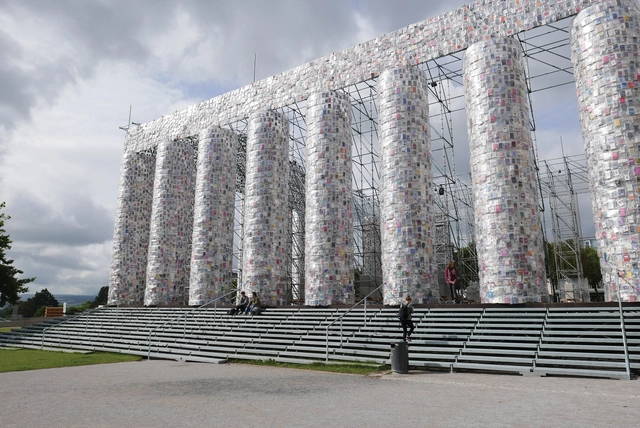
Marta Minujín, Parthenon of Books, Dokumenta 14, Kassel, Germany, 2017. Image by Anne-Catrin Schultz.. Image Courtesy of Real and Fake in Architecture–Close to the Original, Far from Authenticity?
The term “fake” has been in the media frequently in the early 21st century, referring to headlines and fictional statements that are perceived as real and are influencing public opinion and action. Replacing the historically more common term “propaganda,” fake news aims at misinformation and strives to “damage an agency, entity, or person, and/or gain financially or politically, often using sensationalist, dishonest, or outright fabricated headlines.” Tracing fake news and differentiating “real” information from personal opinions and identifying intentional (or unintentional) deceit can be complicated. It is similarly complex to trace the duality of fake and real in the built world. To explore the larger context of fake statements in architecture and environmental design, a look at the definition of fake and related terms might be necessary.
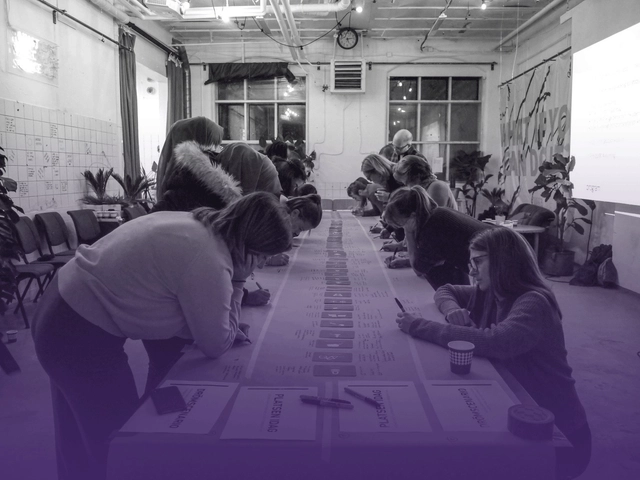
Graduating with an architecture degree is often met with the expectations of working a 9-5 job at an office. However, the reality is that many fresh graduates are venturing into diversified careers and exploring fields such as architectural photography, writing, rendering, set design, and project management. In this Editor's Talk, ArchDaily's Founder and Editor in Chief, Director of Software Product Development, Managing Editors, and Social Media Editor share their experiences of graduating with a Bachelor's Degree in Architecture then finding themselves exploring different, yet very complimentary career paths post graduation, proving that there is a lot more to the architecture practice beyond designing built spaces.
A little less than two years after the onset of a global pandemic, inclusion in the architecture profession is unfortunately still a limited conversation. A 2020 survey by the UK’s Architects' Journal revealed a sobering amount of obstacles for Black architects in the UK, and in the United States, prominent Black practitioners such as Mabel O. Wilson of Studio & have questioned the Eurocentric nature of a large amount of architectural study.
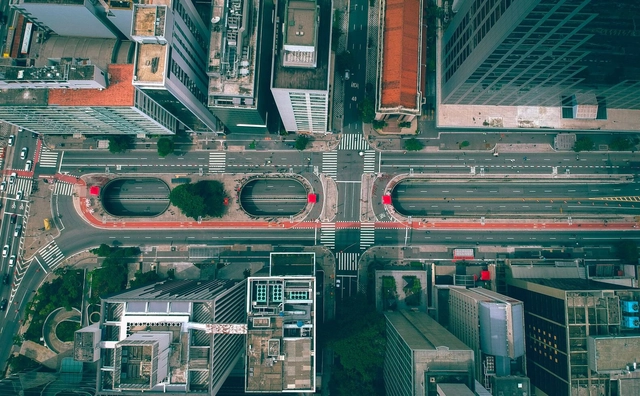
Vista aérea da Av. Paulista. Imagem ilustrativa. Foto de Gabriel Ramos, via Unsplash
468 years ago, at Pateo do Collegio, the largest city in Latin America was born: São Paulo. A metropolis in constant movement that, among so many complexities and conflicts, presents both cultural and human diversity, which makes it deeply rich.
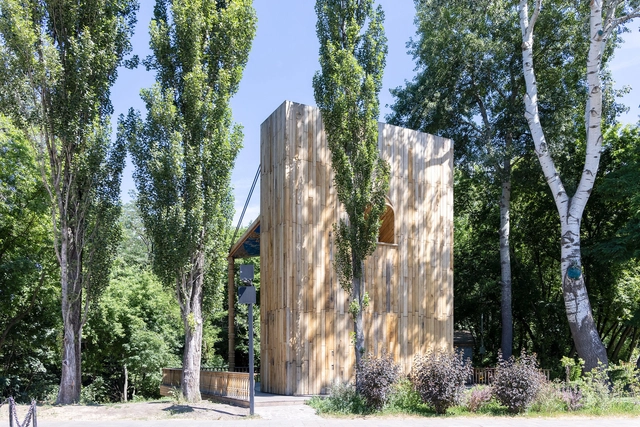
Babyn Yar Synagogue by Manuel Herz, image by Iwan Baan. Image Courtesy of BYHMC
Babyn Yar, a ravine in the Ukrainian capital Kyiv, witnessed the killing of more than 33,000 Jewish men, women, and children, on September 29 and 30, 1941. The site of one of the largest single massacres perpetrated by occupying German troops against Jews during World War II, Babyn Yar became a symbol of the Holocaust by Bullets.
While the main tragic event took place in 1941, throughout the occupation, the site was used as a killing location by the German forces. In fact, it is reported that 70 to 100 000 people lost their lives in Babyn Yar. With no architecture to the tragedy and only a remaining “broken” landscape, people struggled with achieving memorialization and public recognition.




















.jpg?1645602665 "ArchDaily Product Development Team. Image Courtesy of Soledad Sambiasi")