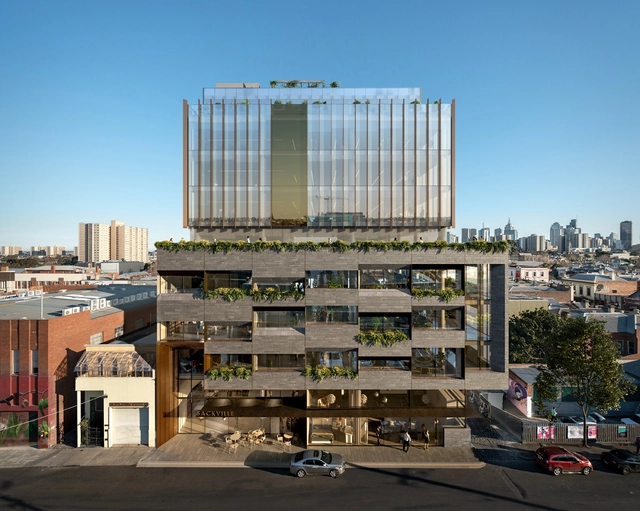
Sackville St. Image Courtesy of Idle Architecture Studio and Biwyan Studios
Vectorworks Architect is well-known for its BIM capabilities, allowing firms around the world to maintain the integrity of their internal design and documentation strategies with an all-in-one solution. The ability to collaborate between firms and share files with ease lets users shift their focus to their designs and all but forget the stress of document sharing. This was the case for Idle Architecture, a Melbourne-based firm that got into Big BIM completely by accident.
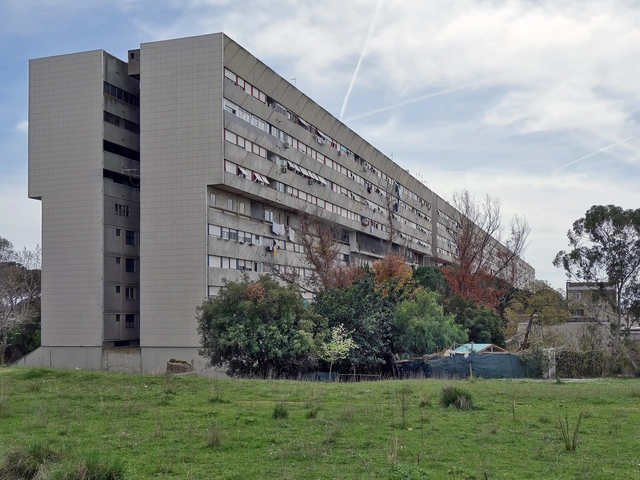
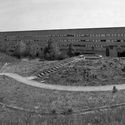
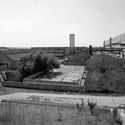
The Corviale housing complex, located in the south-western periphery of Rome, was designed in the 1970s as a solution to the growing number of dormitory districts in the Roman suburbs, caused by the significant population increase between the 1950s and 1970s - when the population grew from approximately 1.6 million to 2.7 million inhabitants - followed by suburban sprawl.
The project, also known as Serpentone because of its huge proportions, was developed by a team of architects under the leadership of Mario Fiorentino between 1972 and 1974. Construction took place between 1973 and 1982, but the original plan to use the fourth floor of the main building for commercial uses, services, and common areas, was dropped because the contractor went bankrupt. The floor was eventually taken over by informal settlements, and this event is considered to be the root of the problems with this emblematic project in the history of housing in Italy.
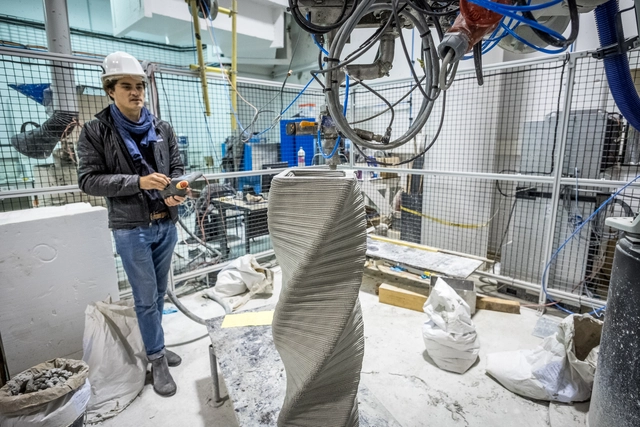
Paul Carneau, Design by Data alumni working with the 3d printing facilities at Ecole des Ponts ParisTech - Photo by Stefano Borghi
The Advanced Master[1] “Design by Data” in Computation Design & Robotics for Architecture and Construction was launched in 2016 and is one of the latest programs in innovative professional education at l'École des Ponts ParisTech. The program was designed to meet the increasing need of the professional sectors of architecture and engineering for combining architectural awareness and skills in creative engineering. Design by Data trains professionals to master advanced design tools (coding, generative design, machine learning) as well as digital manufacturing and design processes (robotics, 3D printing, and mechatronics) applied to architectural and construction projects.
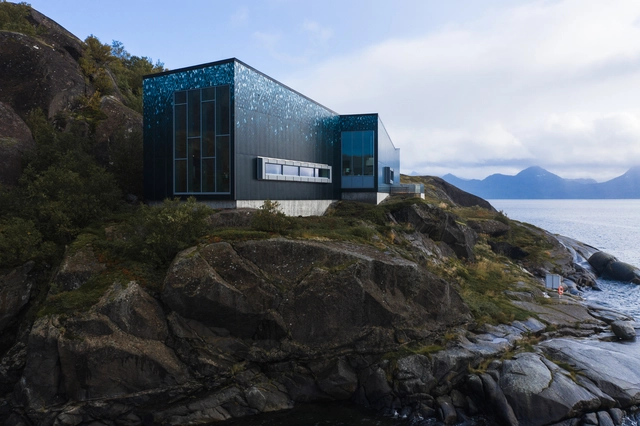
The building rises from a rock face jutting up from the ocean at Skutvik in Nordland, Norway. Steni Vision façade panels give the Arctic Salmon Center a unique and notable appearance. “It has been unbelievably exciting to work with such a special building in such a special place. This is a quite extraordinary building, that has been greeted with astonishment by my colleagues,” comments architect Peter W. Söderman at Norconsult AS. “We chose Vision panels from Steni due to the printing possibilities – we could project an exciting and quite subtle print onto a large surface." The client wanted to have an expressive building that reflected their purpose as an experience center for the fishing industry.
Around the world, a new generation of architects are challenging “business-as-usual” and bringing change to populations who had formerly no access to their professional services. This article is the first in a series to introduce this new practice that brings transactional client relations into more profound, trust-based collaborations. We call it Do-It-Together architecture.
https://www.archdaily.com/957060/why-the-new-do-it-together-architecture-has-radical-potentialArchitecture in Development
The following article is a contribution from Juan Pablo Aschner, PhD, architect, founding dean, and tenured professor at the new Facultad de Creación at Universidad del Rosario in Colombia, which offers undergraduate degrees in architecture, arts, creation, design, and musical theater. Below, the text explores the contribution of transdisciplinary creativity, accompanied by illustrations created for the school by Antoine Cosse, under the art direction of Tangrama.
https://www.archdaily.com/1127675/creative-education-the-academic-union-between-architecture-art-design-and-related-tradesJuan Pablo Aschner
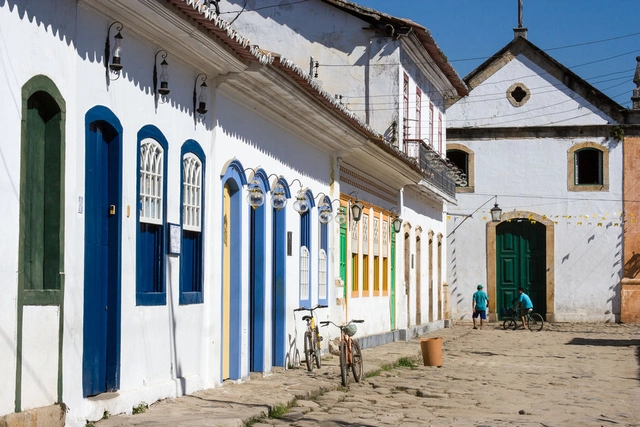
Paraty, Rio de Janeiro. Photo by Angus McIntyre. License CC BY-NC 4.0
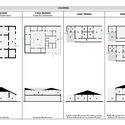
The period between the 16th century and the early 19th century in Brazil, known as Colonial Brazil, began when the Portuguese invaded Brazilian territory and imposed the colonization process. In architecture and urbanism, this process established a series of standards that, over the centuries, shaped the country's architecture and cities.
With the arrival of the Portuguese, the first settler installations emerged in Brazilian territory, characterized primarily by their precariousness and inability to defend against other invaders. Following the Portuguese Crown's decision to divide the land into hereditary captaincies administered by donatary captains, villages and urban settlements began to emerge.
Home automation has long been associated with high costs, a burdening assembly time, and a cumbersome process that impelled us to discard the idea of automating projects. However, these days are long gone.
With lower costs and easier assembly, today, developing a new project without home automation seems somewhat absurd. Below, with the help of AVE Chile, we've compiled a series of tips to help you incorporate domotics into your next project.
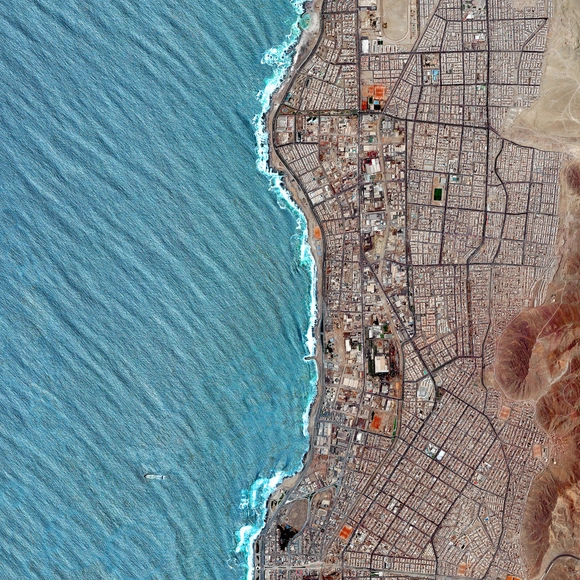
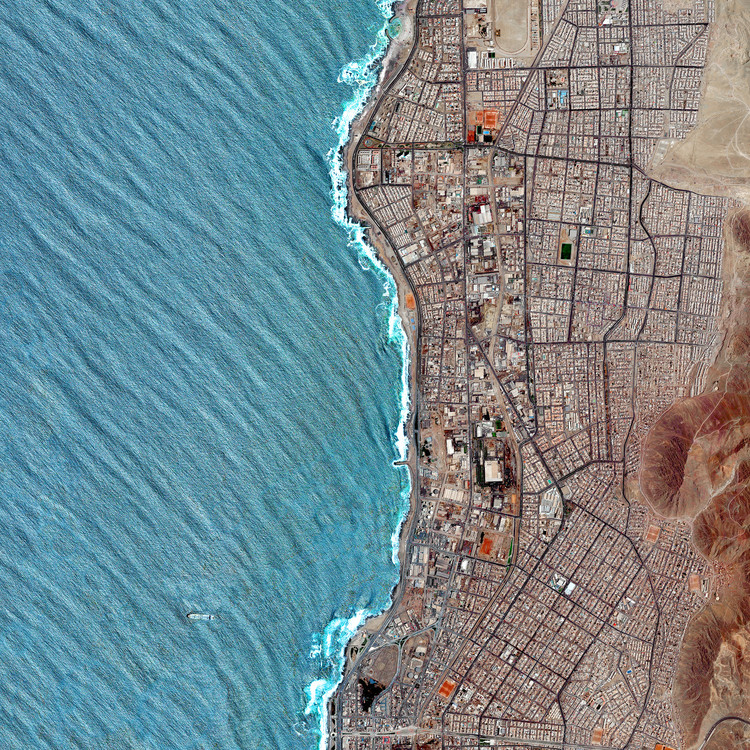
Antofagasta, Chile. Created by @overview. Source imagery: @maxartechnologies
“There seems to be a public image of any given city which is the overlap of many individual images," American urban planner Kevin Lynch once said. "Or perhaps there is a series of public images, each held by some significant number of citizens,” he added.
Following this remark, in his book "The Image of the City" (1960), Lynch begins an analysis around the elements that constitute what he considers to be the image of the city. While introducing, describing, and illustrating these elements as physical, perceptible objects, Lynch considers that other non-physical factors such as history, function, or even the name of the city also play a significant role in the construction of this imageability.
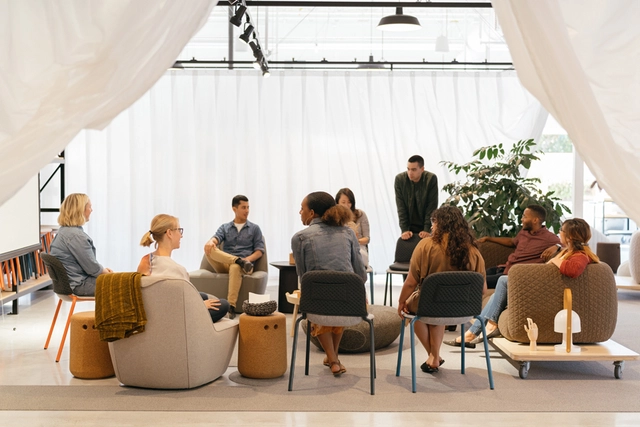
“Change drives innovation. We must continually evolve into what a successful workplace looks like,” said Nicole Senior, director of workplace experience, Tinder. Change, innovation and human connection were topics of prominence in a December 17 Think Tank, hosted by Rapt Studio, and titled “Looking Back, Looking Forward: Workforce Lessons for 2021.”
In recent years, public agencies, architects, and urban planners worldwide have increasingly debated the future of cities, reflecting on the directions contemporary urban planning must take to address a complex web of urban and social challenges. However, one question continues to dominate professional discourse: how can we create spaces capable of improving quality of life and health in the public realm without relying on large-scale infrastructure projects?
In response, several movements have emerged, attempting to implement simple actions that foster the development of “new” public spaces to meet the immediate demand for high-quality urban environments. These initiatives suggest that future cities will become increasingly inviting, championing a closer relationship between pedestrians and the street. Examples of these interventions include the implementation of parklets; the temporary closure of avenues to vehicular traffic, opening them to pedestrians and turning them into open areas like temporary urban parks; the installation and expansion of bike lanes; urban vertical gardens; and pocket parks.
As an overwhelmingly hegemonic field in which cisgender white men have historically held, and continue to hold, the majority of prestigious positions—from the leadership of major firms to international accolades like the Pritzker Prize—architectural practice has traditionally rendered invisible the careers and professional experiences of many women architects.
Do you feel vulnerable as you walk through public spaces? If you are a woman, the odds of answering yes to this question are certainly greater since men are less likely to choose a longer route only to avoid a dark section of the street, or to ponder on what clothes to wear so that they do not feel exposed in public. In this sense, it seems almost obvious that cities designed by men should be perceived as threatening environments, rather than a place where women feel welcome. So, to imagine egalitarian cities, should we persist in a reflection of a gender-oriented approach?
https://www.archdaily.com/956585/how-can-gender-impact-the-future-of-urban-lifeCamilla Ghisleni e Victor Delaqua
Urban Design and Road Works Manual. Image: Courtesy of WRI Brasil
Cities are constantly changing. When guided by biased or outdated premises, changes to urban spaces tend to imprint these mistakes onto the territory. However, when guided by a shared vision that prioritizes safety and active mobility, these interventions can guide the transformation of the city into a more democratic, welcoming, walkable, and safe place. The new São Paulo Urban Design and Road Works Manual points toward exactly this kind of city.
https://www.archdaily.com/1128278/5-innovations-in-sao-paulos-new-urban-design-and-road-works-manualDiogo Lemos, Andressa Ribeiro e Fernando Corrêa
Gardens have always been present in architectural compositions as testaments to the cultural moment, status, and religiosity of different peoples. In recent decades, however, this relationship between architecture and green spaces has grown stronger. This shift culminated in 2020 with a significant surge in the prominence of green environments, closely tied to the COVID-19 pandemic and the social isolation it brought about. In this light, the connection between home and garden has solidified—ranging from small potted plants in downtown apartments to lush landscaping projects in and around residences, representing, at various scales, the pursuit of reconnecting with nature.
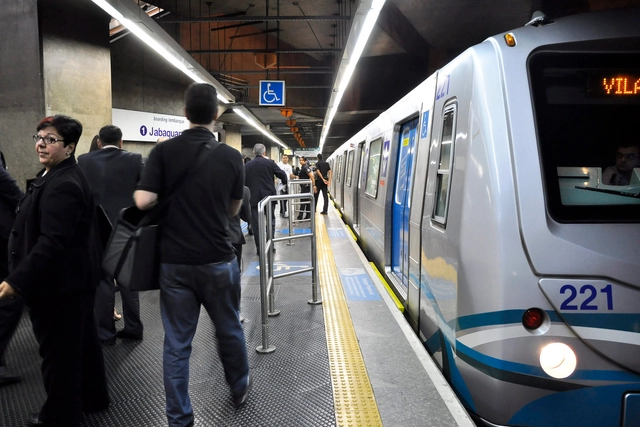
“How much does a subway line cost?” is a question frequently asked when discussing high-capacity rapid transit solutions for Brazilian cities. However, the cost of implementing rail projects varies enormously across different global geographies.
For example, a rail line in New York costs about twenty times more per kilometer than one in Seoul, reaching a budget of $6.4 billion for a segment of just 2.6 kilometers in the second phase of the Second Avenue Subway in northern Manhattan. Geographical factors, or even the high built density of the American metropolis, are insufficient to explain such a massive disparity in construction costs.
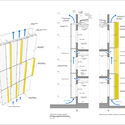
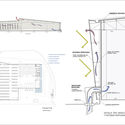
When we speak of passive climate control, we refer to techniques that, with little to no energy consumption, create the appropriate temperature, humidity, and air quality conditions for comfort and habitability, partially or fully replacing active mechanical systems. Typically, these strategies are based on natural environmental parameters—such as air currents, the earth's thermal stability, and solar paths, among others—to regulate heat gain in the summer and heat loss in the winter, achieving optimal thermal comfort.
Geometry is a language and a portal that allows objects to pass between the physical world and the world of drawing, abstraction, and language. How does stepping through this portal leave an imprint on the buildings we design and build? Architects and theorists like Vitruvius, Alberti, and Le Corbusier all believed that geometry was an important key to architecture’s understanding and design. Is that as true today as it was then? The tools of the architect have changed, has their relationship to geometry changed as well? In this video, we explore why and how geometry is so important to architecture as well as some different approaches to the use and expression of its most indelible principles.
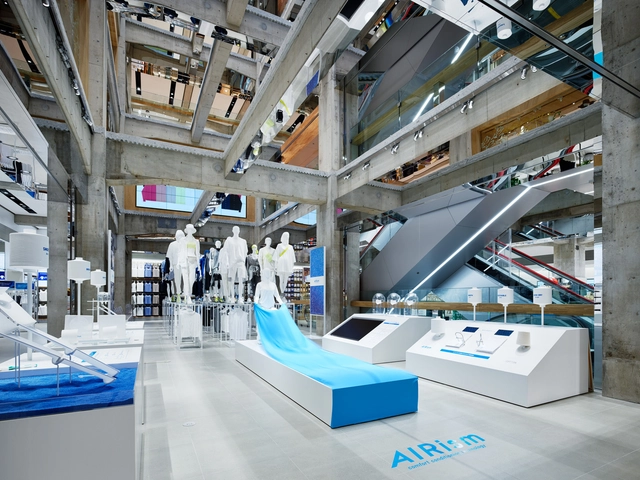
You might be surprised by this, but the days of shopping in stores are long from over-, in fact, they’re experiencing a renaissance, and are creating a whole new type of design and experience to bring consumers back through the doors. The rise of e-commerce and the pause caused by the COVID-19 pandemic have served as a perfect catalyst for creating a whole new type of experience through unique design features, technological advancements, and customization that will revitalize physical stores in the future.
From the hills behind the City Hall in my adopted hometown of Ventura, California, it’s less than 1,000 yards southward to the Pacific Ocean. This constrained piece of topography creates a small urban gem of a downtown: streetscapes, restaurants, stores, offices, residences, parking garages, and a beachfront promenade, all within eight or so square blocks, creating a lively streetlife that connects a historic downtown to the beach.
Ascent’s three-dimensional slats rise and fall, and curve and straighten, with an artistic randomness rarely seen outside nature. Like a snake hypnotising its prey, these seamless and sinuous lines offer a mesmerising encounter. Image Courtesy of Green Furniture Concept
Placemaking practitioners Green Furniture Concept enrich hectic public spaces with harmony and wellbeing. Their latest modular, sustainable seating system, Ascent, combines nature and geometry – resulting in truly enhanced sitting.
Ciudad Juárez is an industrial city located on the northern border with the United States, directly across from El Paso, Texas. Over the years, Juárez's economy has been dominated by the ‘maquiladora’ industry, and it was once considered one of the most violent cities in the world due to a wave of crime that took hold from 2008 to 2012. In 2020, the National Workers' Housing Fund Institute (Infonavit) reported that there are 17,871 abandoned homes in Ciudad Juárez, leading the country's municipal rankings and contributing to a total of 650,000 abandoned houses nationwide.
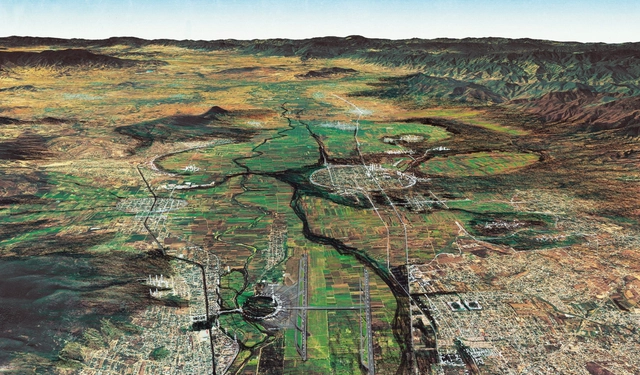
'Territorios y vivenda' (2018). Image Cortesía de Alberto Kalach
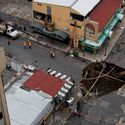
When looking at the population of the world's metropolises, in this case Mexico City, the reality is that the majority of the people living there have migrated from other regions of the country and, sometimes, from other countries as well. Of course, thanks to the Covid-19 pandemic, companies and schools have gone virtual, and, with their work and studies no longer tied to urban centers, people have left in masse for the coast and other less populated areas in search of space and lower living costs.
The team at ruta 4 taller and architect Gregorio Ballén present the following research resulting from their undergraduate thesis at Pontificia Universidad Javeriana, with the goal of addressing the current environmental, social, economic, and political crisis. It is an investigation into new ways of co-creating architecture by including actors external to the discipline, and proposes experimentation in the co-design of spatial artifacts created in collaboration with animal species such as the silkworm.
https://www.archdaily.com/1128530/silkworms-the-future-of-sustainable-construction-in-colombiaJuliana Lopez y Gregorio Ballen











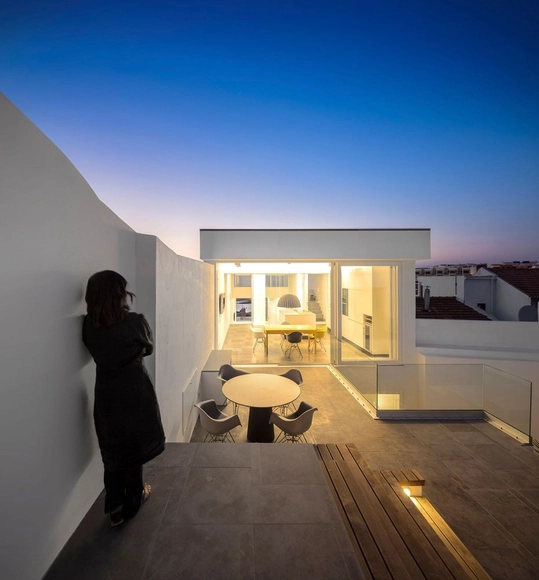
.jpg?1612895539 "Vale de Margem House / Marlene Uldschmidt. Image: © Fernando Guerra | FG+SG")


_-08_09.09.2018-.jpg?1613043344 "Flick House / Delution. Image © Fernando Gomulya")
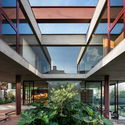



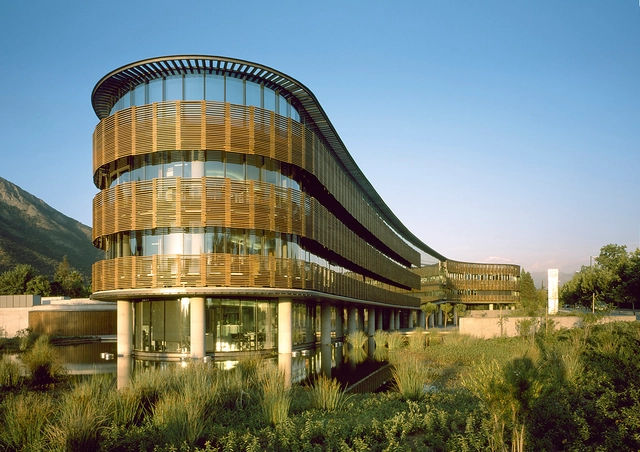
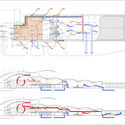
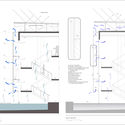



.jpg?1612920265&format=webp&width=640&height=580)


.jpg?1611548432 "Santa Fe, Mexico City. Image © Johny Miller")
_22.43.53_(1).jpg?1611548822 "Mexico City During the COVID-19 Pandemic. Image © Santiago Arau")

