What happens when the sensor-imbued city acquires the ability to see – almost as if it had eyes? During the 2019 Shenzhen Biennale of Urbanism\Architecture (UABB), titled "Urban Interactions," Archdaily is working with the curators of the "Eyes of the City" section at the Biennial to stimulate a discussion on how new technologies – and Artificial Intelligence in particular – might impact architecture and urban life. Here you can find all the information about the “Eyes of the City” section, curated by Carlo Ratti, Politecnico di Torino, and SCUT - including exhibits, events, and project's blueprints.
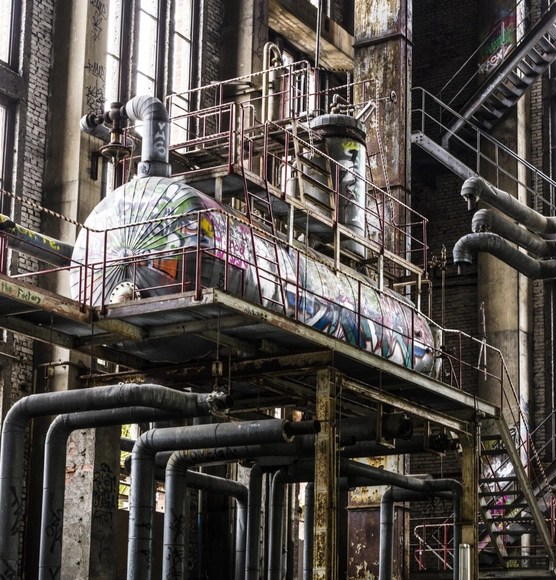
For some years now, a key issue in European debate has catalysed the attention of economists, sociologists, technologists, policymakers and trade unionists: Industry 4.0. Established in Germany in 2012 and initially discussed in an almost exclusively technological key, the issue has overwhelmed the political agenda of the main European economies, stimulating industrial policies and state support, but also provoking heated debates on the future of work and on the new relationship between factory and society.
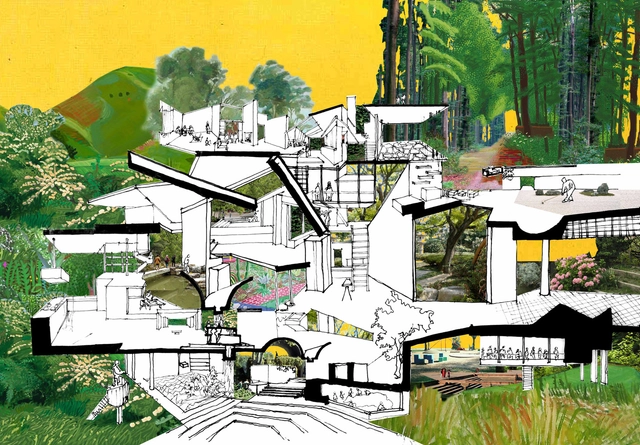
As the foundation of any architectural design, sketches and drawings have long been known for their ability to allow the architect to interact with his/her design efficiently and express concepts intuitively. While the importance of hand drawing is understood broadly in architectural schools, what happens to those who is incapable of hand drawing? Numerous students have found it extremely difficult to cope with the intensity of hand drawing exercise during their first year in architectural training. Among these students, some would choose to quit architecture simply because they cannot draw well, some would decide to focus more on learning the techniques of computer-generalized design drawings.
The Midnight Charette is an explicit podcast about design, architecture, and the everyday. Hosted by architectural designers David Lee and Marina Bourderonnet, it features a variety of creative professionals in unscripted conversations that allow for thoughtful takes and personal discussions. A wide array of subjects are covered with honesty and humor: some episodes provide useful tips for designers, while others are project reviews, interviews, or explorations of everyday life and design. The Midnight Charette is also available on iTunes, Spotify, and YouTube.
This week David and Marina are joined by Anne Fougeron, award-winning architect and founder of Fougeron Architecture, to discuss her work, city densities, creating good urban spaces with architecture, women, and equality in architecture, design processes, partnering with other offices and more! This episode is part of a series produced with the support of the SF Urban Program, Architecture Department, Cal Poly. Enjoy!
https://www.archdaily.com/943414/anne-fougeron-on-creating-good-urban-spaces-and-being-a-woman-architectThe Second Studio Podcast
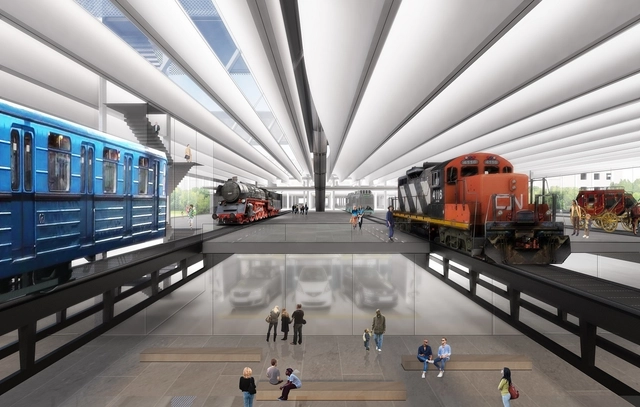
Museo de transporte húngaro. Image Cortesía de Diller Scofidio + Renfro
According to Howard Gardner, human intelligence can be classified into 8 different categories. One of these is spatial intelligence, which describes the ability to mentally create and imagine three-dimensional spaces. Architecture is one of many disciplines that benefits from this ability and in this article we will explore just how visual representation in architecture has evolved throughout history--from displaying the most brilliant of ideas to capturing the wildest of dreams.
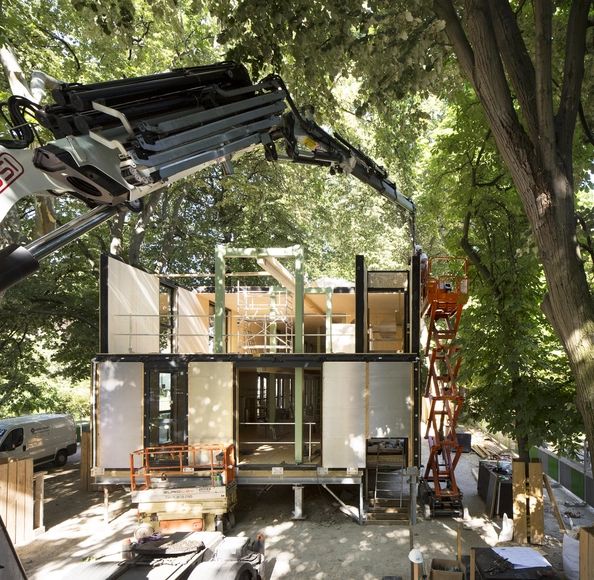
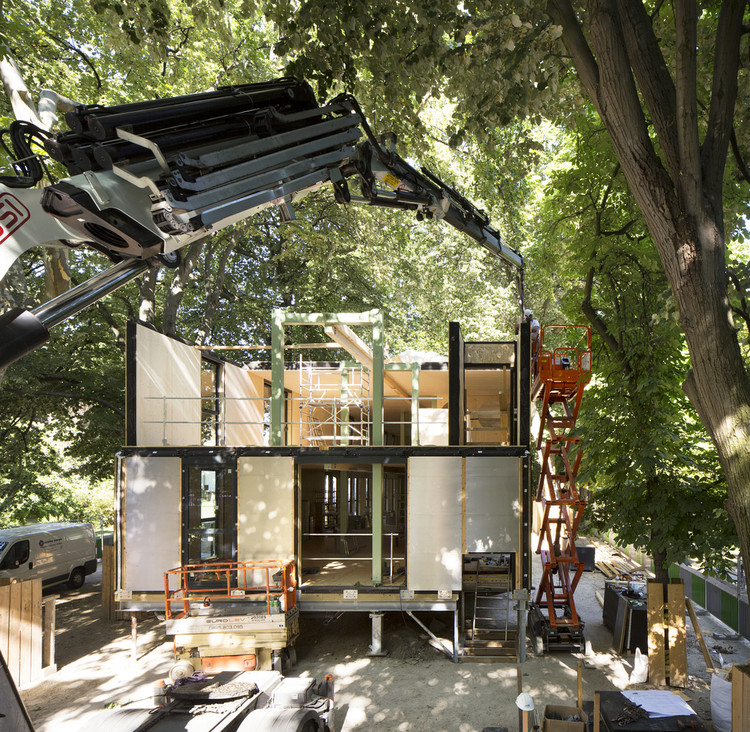
The concept of Design for Disassembly (DfD for short) gained increasing traction in recent years, as it addresses the growing concern around the high consumption of resources and low recycling rate within the construction industry. The following article details on the method and features guidelines for a design process that facilitates the dismantlement of future buildings, with the scope of providing a better understanding of this principle within the broader framework of the current practice and circular economy.
Videos
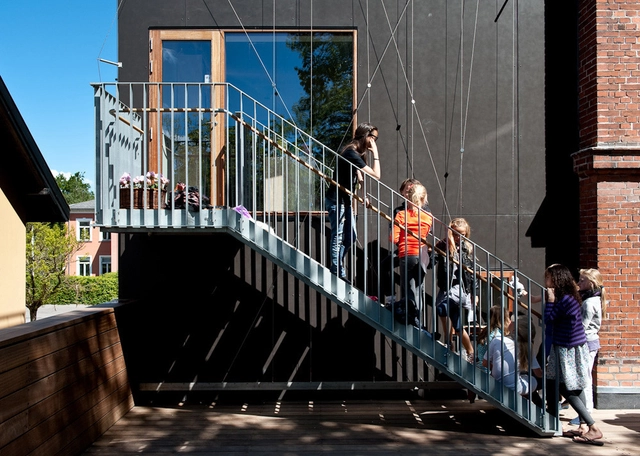
Bernadotte School Extension / Vandkunsten Architects. Image Courtesy of Adam Mørk
Louisiana Channel has recently published a second piece of their interview with Jens Thomas Arnfred and Søren Nielsen co-founders of the award-winning Danish practice Vandkunsten Architects. In this short video, the two architects talk about nurturing the sense of community through design and reflect on the studio's preoccupation with fostering social encounters within their projects.
Seoul is considered one of the most densely-populated and over-priced cities in the world, reaching a staggering $ 80,000 per square meter. The extreme conditions of the city have forced local architects to operate, design, and build framing the city's urban issues, traditions, and history. This approach by architects has created the theoretical basis of “The Condition of Seoul Architecture”, a publication by multidisciplinary practice TCA Think Tank which sees the point of view of 18 innovative South Korean architects. In this interview, Pier Alessio Rizzardi, founder of the practice, talked to Hwang Doo-jin of Doojin Hwang Architects, and discussed traditional Korean Architecture, universal space, and his traditional approach for an alternative contemporary architecture.
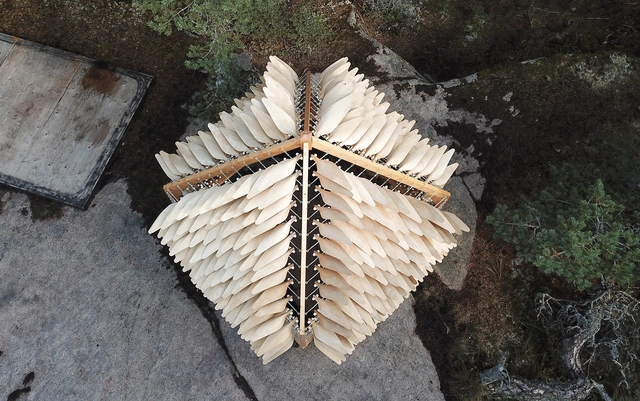
Designed by NEON, the Shiver House is a radical reinvention of the common Finnish Hut (mökki). The project is a kinetic "animal-like" structure which moves and adapts in response to surrounding natural forces. Shiver House is an exploration into the idea that architecture can be used as a means to create a closer emotional link between its inhabitants and the natural world it sits within. In addition, the project explores the idea that architecture can be made to seem "alive" with the intention that this will engender a deeper and longer-lasting emotional relationship between people and the structures they inhabit.
Conceptually, the piece thus suggests that architecture, rather than static and function-led, can be a poetic, living, and dynamic element that changes the way we relate to the landscape that surrounds us.
https://www.archdaily.com/942956/functional-shelter-and-experiential-device-600-kinetic-shingles-shape-neons-shiver-houseLilly Cao
In March 2020, the Covid-19 pandemic shifted our university—the University of California, Berkeley—totally online, along with the whole of education from childcare up across the country and most of the planet. In the wake of this forced and unprecedented experiment, debates about what it means remain ongoing. Will the episodic dream of a placeless university, or at minimum a hybrid place/placeless one, come true? Millennia of experience argue for giving higher education a local, physical anchor. And most universities and colleges have this anchor as their starting place, even as they consider what their ongoing experience with virtual teaching, research, and administration means.
https://www.archdaily.com/943322/letter-from-berkeley-campus-planning-in-an-increasingly-virtual-worldEmily B. Marthinsen, John J. Parman, Richard Bender
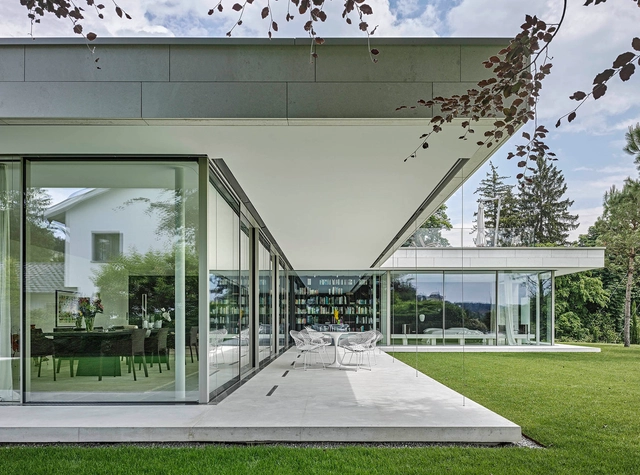
Large glass surfaces can become a striking design feature of modern architecture. It is of decisive importance that the constructive elements of large windows and sliding glass doors remain practically invisible
The Swiss family company SWISSFINELINE specialises in the manufacture of large glass surfaces for windows, doors and railings that allow a view of everything but the structural elements.
https://www.archdaily.com/943047/i-can-see-clearly-now-swissfinelineAD Editorial Team
Tiffany Brown with students. Image Courtesy of Tiffany Brown, 400 Forward
A pioneer for justice, equity, diversity, and inclusion in the profession of architecture, Detroit native Tiffany Brown is the founder of 400 Forward, an initiative that seeks, inspires, and mentors the next generation of women designers. Named in light of the licensing of the 400th African American woman architect in 2017, the program aims to familiarize young girls with architecture, giving them tools to address social injustice issues.
Pushing forward the presence of African American women in the profession of architecture -currently standing at less than 0.3% in the U.S- 400 Forward also provides scholarships and tuitions for study material and licensing exams for African American women in architecture. In order to learn more about the initiative, ArchDaily had the chance to talk with founder Tiffany Brown about the program, diversity in the field, and empowering female architects and students.
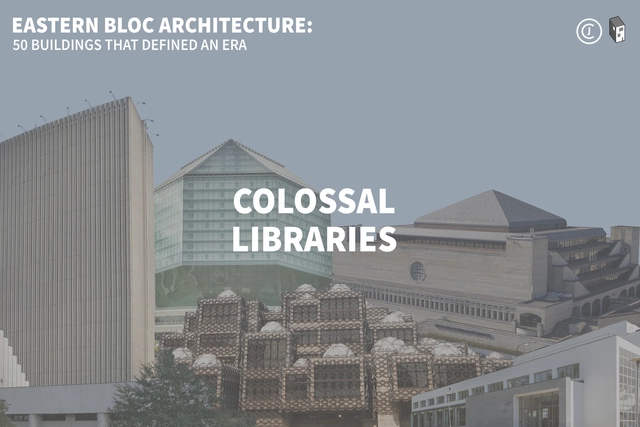
This article is part of "Eastern Bloc Architecture: 50 Buildings that Defined an Era", a collaborative series by The Calvert Journal and ArchDaily highlighting iconic architecture that had shaped the Eastern world. Every week both publications will be releasing a listing rounding up five Eastern Bloc projects of certain typology. Read on for your weekly dose: Colossal Libraries.
https://www.archdaily.com/943219/eastern-bloc-architecture-colossal-librariesLucía de la Torre
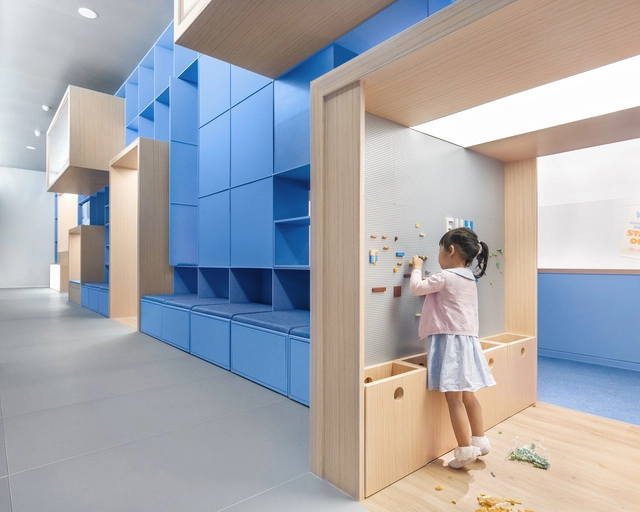
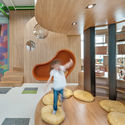
It is unquestionable that environments directly influence the behavior and emotions of their users. Human beings spend approximately 90% of their lives indoors, making it imperative that the spaces we inhabit stimulate positive behavior and emotions, or at least don't influence us negatively. There exists a specific term describing the stimuli that the brain receives from its environment: neuroarchitecture. Several studies have been published on this topic, most focusing on its impact on work environments. This article approaches this concept through a different, yet essential lens: emphasizing its importance in the design of spaces for children in early childhood.
When we talk about public space, we often imagine a park with happy, relaxed people on a sunny day. In actuality, this is a very restricted approach. A young woman does not cross a deserted street at dawn in the same way as a white man wearing a suit or as an immigrant who may not be welcomed by local citizens. Have you ever felt discriminated while visiting a public space?
In this edition of Editors’ Talk, editors from Los Angeles, São Paulo, Argentina, and Uruguay share their views on defining public spaces for everyone
New Generations is a European platform that analyses the most innovative emerging practices at the European level, providing a new space for the exchange of knowledge and confrontation, theory, and production. Since 2013, New Generations has involved more than 300 practices in a diverse program of cultural activities, such as festivals, exhibitions, open calls, video-interviews, workshops, and experimental formats.
New Generations launches a fresh new media platform, offering a unique space where emerging architects can meet, exchange ideas, get inspired, and collaborate. Recent projects, job opportunities, insights, news, and profiles will be published every day. The section ‘profiles’ provides a space to those who would like to join the network of emerging practices, and present themselves to the wide community of studios involved in the cultural agenda developed by New Generations.
ArchDaily and New Generations join forces! Every two weeks Archdaily publishes a selection of studio profiles chosen from the platform of New Generations.
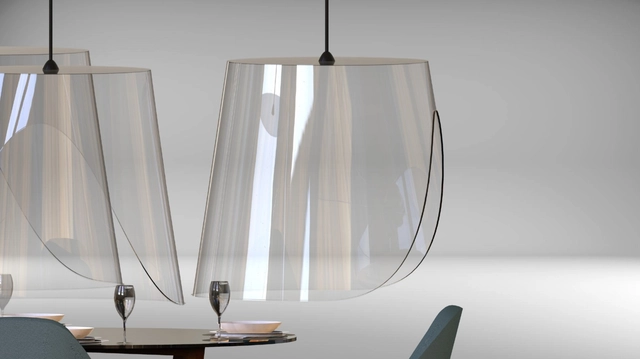
Although chemist and inventor Otto Rohm had first come up with the idea for plexiglass in 1901, it wasn’t until 1933 that the Rohm & Haas company first introduced it to the market under the trademark name Plexiglas. The material, which is considered a lightweight and shatter-resistant alternative to glass, has had a fascinating history and experienced a multitude of different uses in that time. Today, plexiglass continues to be utilized in new and interesting ways, including as a potential means with which to help combat coronavirus spread. Restaurants, stores, and other businesses have begun using plexiglass partitions as protective shields for both workers and customers, especially as cities and towns slowly reopen. Below, we dive into this unusual material, addressing its material properties, its history, and the ways it continues to be used today.
https://www.archdaily.com/943049/what-is-plexiglass-the-protective-plastic-many-are-using-to-combat-viral-spreadLilly Cao
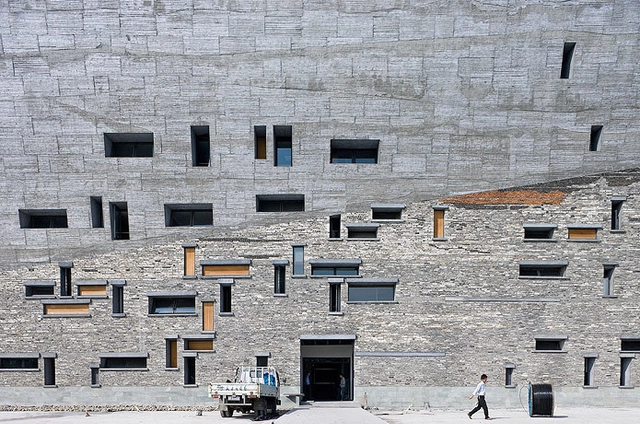
Amateur Architecture Studio, Ningbo History Museum, 2008. . Image Courtesy of Louisiana
Over the past two centuries, cities in China have multiplied and expanded on a large scale, under accelerated urbanization. Mass demolition of the old city fabric, occurring everywhere, is leaving industrial debris and fragmented cultural artifacts buried forever, under shiny new skyscrapers. As old Chinese cities are collapsing and new urban centers are outspreading, a part of the city was lost, the old demolished landscape. Wang Shu and Lu Wenyu, the first Chinese citizens to win the Pritzker Architecture Prize, responded to this past-present relation by working with recycled materials and traditional know-how. In the following, we explore some of this couple's renowned works such as Ningbo History Museum, Ningbo (2008), Xiangshan Campus of China Academy of Art, Hangzhou (2004), and Ningbo Contemporary Art Museum (2005), to examine his humanistic approach to the city.
The images that some visualizers have been presenting have allowed people to be fully immersed in virtually-built environments; exploring the space, observing how the sun rays create a dialogue between light and shadow, experiencing what they might hear or feel as they walk by one room to another, all before excavation work begins and the first block is laid.
In an exclusive interview with ArchDaily, Luxigon's Eric de Broche des Combes talks about his career, creating amplified visualizations and how they influence a project, and what the future holds for the industry.
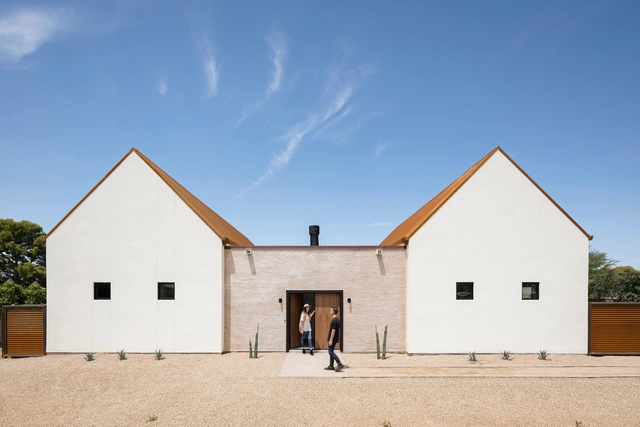
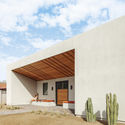
Arizona is located in the western region of the United States. It has geographical borders with Utah, Colorado, and New Mexico, in the United States, as well as with Sonora in Mexico. The state is also situated on the Sierra Madre Occidental and is home to a segment of the Colorado River, as well as the Grand Canyon. Part of Aridoamerica, Arizona's landscape is composed, in its majority, of Cactaceae and desert species.
We are in an unholy mess. It is a pandemic, with insane politics, and centuries of hideous racial injustice screaming out humanity’s worst realities. Each day reveals more disease, more anger, more flaws in our culture than anyone could have anticipated.
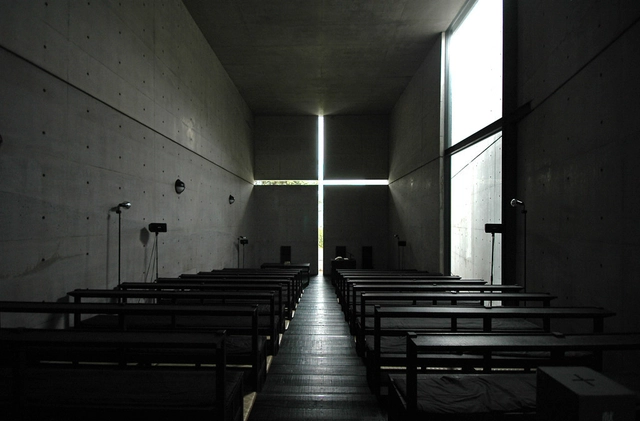
This season’s inscrutable fears are uniquely human. The natural world flourishes amid our disasters. But architecture is uniquely human, too. Architecture’s Prime Directive is to offer up safety. So in this time of danger, it is a good idea to think about the flip side of so much profane injustice and cruelty, Sacred Space? Architecture can go beyond playing it safe and aspire to evoke the best of us, making places that touch what can only be defined as Sacred.
What is Sacred Space? Whether human-made or springing from the natural world, Sacred Space connects us to a reality that transcends our fears. The ocean, the forest, the rising or setting sun may all define “Sacred”. But humans can make places that hold and extend the best in us beyond the world that inevitably threatens and saddens us. Architecture can create places where we feel part of a Sacred reality.
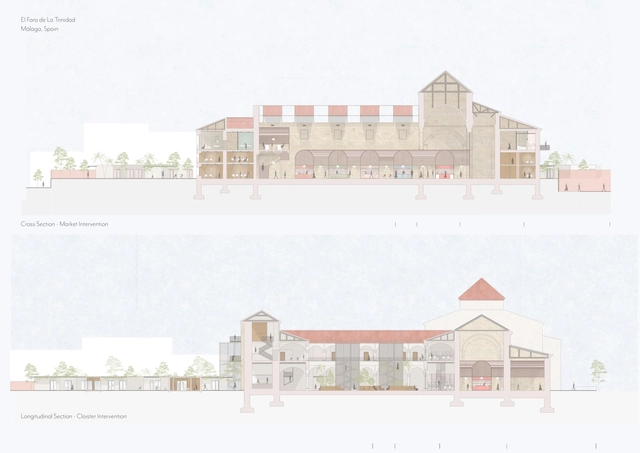
El Faro de la Trinidad - Project by Mirian Otto Hernández Palacios. Image Courtesy of IE University
The relationship between space and well-being has always been a key consideration at IE University’s School of Architecture & Design. As this concept becomes increasingly widespread, the boundaries of what’s possible are being pushed. By providing students with a global vision of architecture and design, they are able to create multipurpose spaces that boost well-being and remain flexible as needs evolve.
As far as written records report, “prehistory” dates back between 35,000 BCE and 3000 BCE in the Middle East (2000 BCE in Western Europe). Ancient builders had a profound understanding of human responses to environmental conditions and physical needs. Initially, families and tribes lived together in skin-covered huts and bone structures. Thousands of years later, human settlements evolved into fortified mud-brick walls surrounding rectangular volumes with pierced openings for ventilation and sunlight.
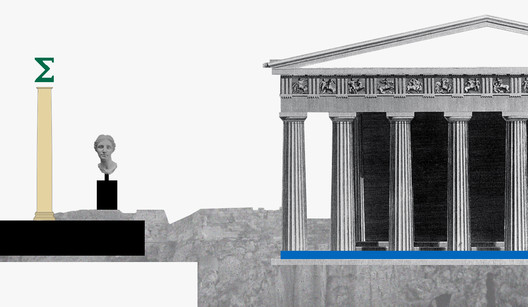
During the upcoming months, we will be publishing short articles on the history of architecture and how it evolved to set the fundamentals of architecture we know today. This week, we are going back to one of the most prominent and influential periods known to architecture: Greece; Aegean, Archaic, classical, and Hellenistic periods.
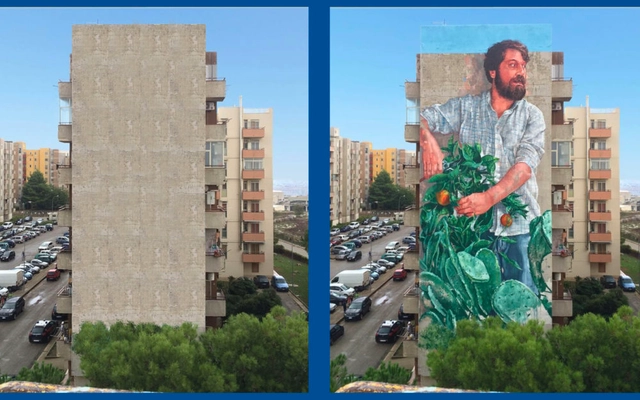
Since 2015, Ragusa, Sicily has hosted FestiWall, an international art festival devoted to enhancing the public realm and improving citizen engagement with the modern section of an old city. The image above shows two views of a residential tower before and after FestiWall. Which one grabs your eye?
We’ll guess you’re drawn to the one with the art at right. Running the image through biometric software predicts you’ll immediately focus on the man in the mural.
https://www.archdaily.com/942916/empathy-in-design-measuring-how-faces-make-placesAnn Sussman & Janice M. Ward