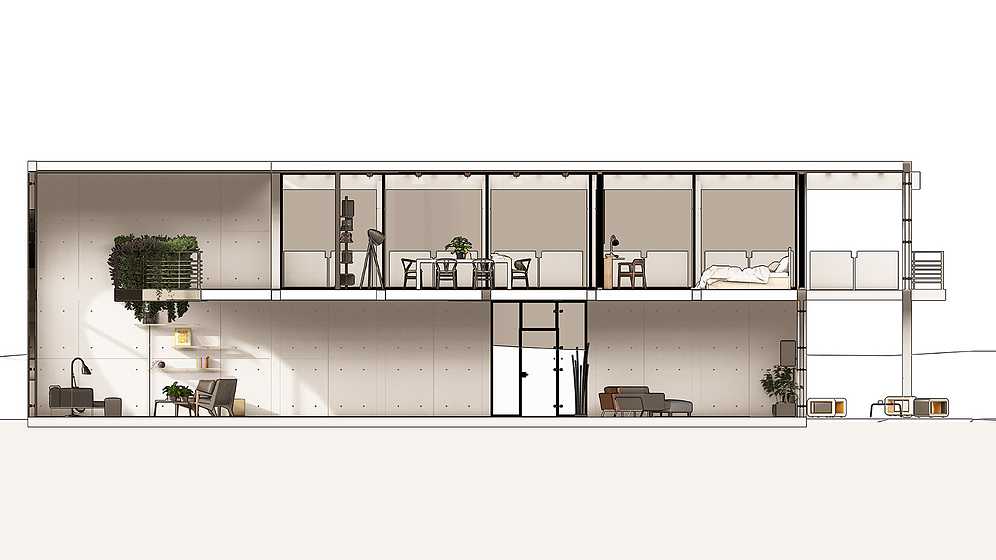
Produce personalized presentation boards that distill complex concepts into simple visual representations with a few helpful tools and effects.


Produce personalized presentation boards that distill complex concepts into simple visual representations with a few helpful tools and effects.
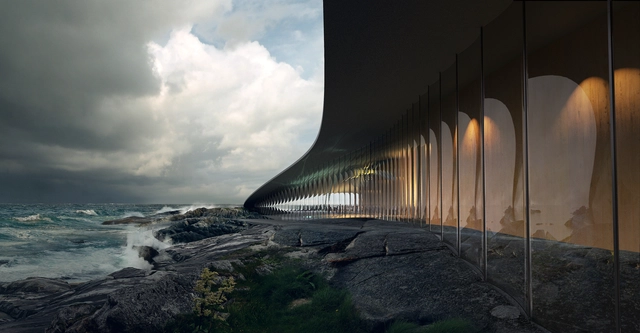
With increasingly better renderings becoming ubiquitous, students and architects alike feel the pressure of mastering an additional set of skills to get their ideas across. To what extent do renderings make or break a portfolio or a project? How important are they in the design process, and do renderings inform of a particular set of skills besides the software ones? This article explores different perspectives on the role of renderings within the profession.

Would you be willing to buy a home from a robot using only an app? As technology becomes more and more integrated into the design and real estate sector, that once an outlandish idea has become a reality. Only a decade ago, almost no one talked about technology and start-ups in the built environment. The real estate industry, which has historically lacked technological innovations compared to other sectors, is now taking a stance to reinvent itself as an industry that is more efficient, flexible, and automated- all resulting in one of the newest buzzwords that has taken the world by storm, proptech or Property technology.
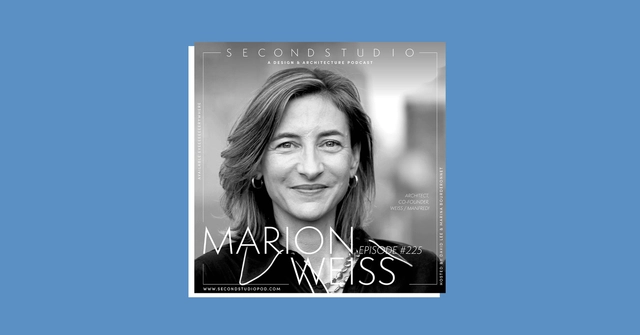
The Second Studio (formerly The Midnight Charette) is an explicit podcast about design, architecture, and the everyday. Hosted by Architects David Lee and Marina Bourderonnet, it features different creative professionals in unscripted conversations that allow for thoughtful takes and personal discussions.
A variety of subjects are covered with honesty and humor: some episodes are interviews, while others are tips for fellow designers, reviews of buildings and other projects, or casual explorations of everyday life and design. The Second Studio is also available on iTunes, Spotify, and YouTube.
This week David and Marina are joined by Marion Weiss, architect and co-founder of Weiss/Manfredi. Marion discusses her childhood interests in the arts, architecture, and landscape design, how her office was formed and its design process, working with clients on large cultural projects, how architecture can have a social impact beyond its physical footprint, and more. Enjoy!

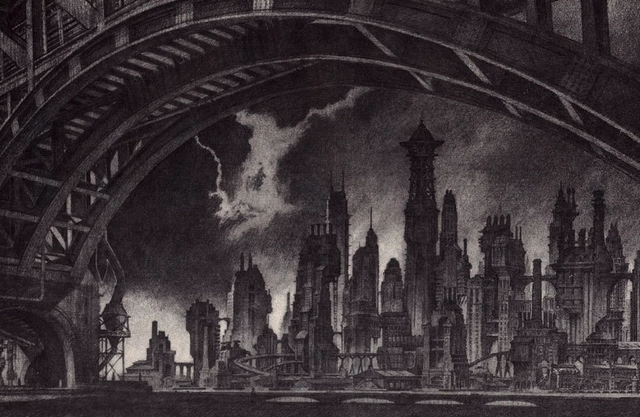
Graphic novels fold drawings of people, space, and time into their narrative structure to produce powerful visual stories. Graphic novels and architecture also share a set of common tools that are central to their depiction — drawing, sequencing, text, action, character, etc. This makes for a natural allegiance between graphic novels, architecture, and the city. In this episode, Stewart pulls the graphic novels off his bookshelf to show how and why they influenced his approach to architectural design and led to the creation of award-winning competition entries. In particular, David Mazzuchelli’s City of Glass and Asterios Polyp, and Chris Ware’s Building Stories offer lessons for developing a holistic approach to architecture that involves multiple points of view, politics, fiction, and visionary design.
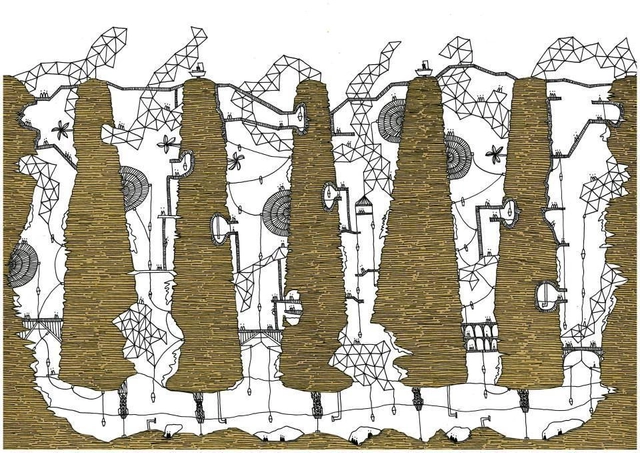
Believing firmly that "architecture is [...] too important to leave solely to architects", Ole Bouman embarked on diverse activities throughout his three decades of work, reflecting on “architecture, not so much as the art or technique of making buildings, but architecture as the intelligent way to organize our lives on earth, and infuse it with purpose”.
After having shared Bouman's essay Finding Measure, ArchDaily had the chance to discuss with Design Society’s founding director his thoughts on the role of architecture, the current challenges of the world, the digital revolution, and many other thought-provoking topics.
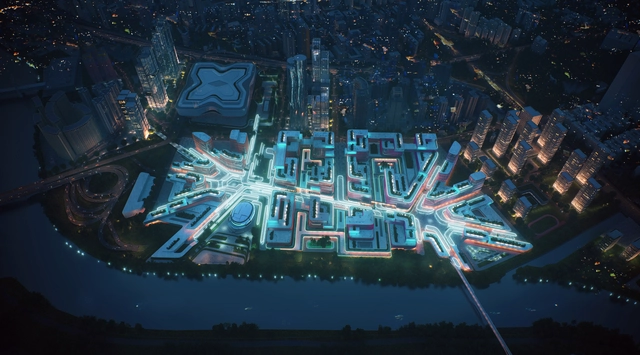
What is a render? Is it just an image to win over clients and competitions? Or is it an effective tool for the building design process?
.jpg?1617861414&format=webp&width=640&height=580)
During the week of the final selection of ArchDaily China Building of the Year 2021 Awards, we received a total of 75,000 votes, thanks to our readers from all over the world. ArchDaily China strives to bring more Chinese firms to the wave of global exchanges and introduce Chinese architecture to the world.
This year, CCTN Design, with Shougang NO.3 Blast Furnace Museum, were selected for the first position, adopting the design strategy of “sealing the old, dismantling the surplus, and replenishing the new”, and transforming the industrial remains of Beijing into an inviting urban space. MAD Architects, with YueCheng Courtyard Kindergarten, won second place by dismantling and expanding the traditional courtyard house. gad, with Mountain & Sea Art Museum, won the third position by solving the problem of mountain construction and shaping the sculpture form of the art museum.
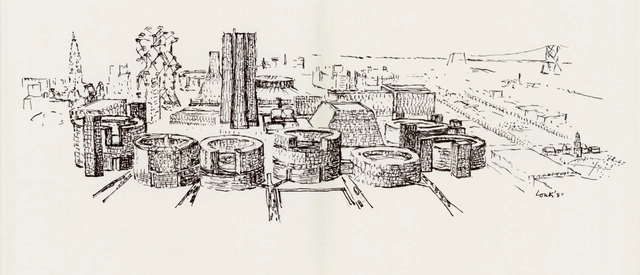
This article was originally published on Common Edge.
Dan Klyn, who teaches information architecture at the University of Michigan, is currently researching and writing a biography entitled Richard Saul Wurman’s 5 Lives. It’s an apt title, since the intellectually peripatetic Wurman has had several career incarnations: architect, author, publisher, designer, painter, sculptor, impresario (he created and thoroughly curated the early TED talks). “In a sense, I’m an amateur, a dilettante, I don’t do anything particularly well, but I see patterns between things,” he said to me in a recent interview, although his modesty here seems somewhat false: Wurman is a member of the Art Directors Club Hall of Fame; an AIA Fellow; has written, designed, and published more than 100 books; won a lifetime achievement award from the Cooper Hewitt; and is the recipient of the AIGA Gold Medal.

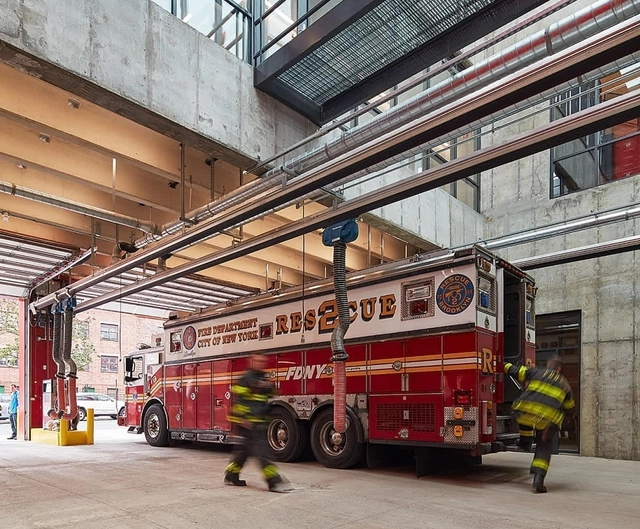
Architects are charged with protecting the public’s health, safety, and well-being. When buildings fail, whether through increased loads, poor design, or natural disasters, that charge also falls to those capable and willing to aid people in need. Firefighters regularly experience architecture’s collapse, often risking life and limb to save occupants and individuals they do not know. Yet firefighters and emergency personnel also have their own buildings they call home, rare typologies where recreational, domestic, and professional activities collide.
-14.34.gif?1616187182)
March 9 of last year marked Luis Barragán's 119th birthday and, in celebration of their namesake, the Barragan Foundation announced via their Instagram that they were launching the institution's newly revamped website. This signified two things--one, the absolute effort needed in order to compile every known Barragan work and the value this archive will have in aiding in the study of the architect's work and, two, the sweeping de-mystification of Barragan himself.
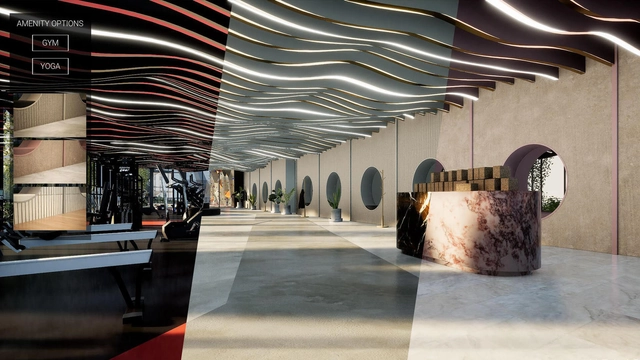
Twinmotion 2021.1 offers powerful new possibilities to create, develop and present visualizations as a fully connected member of the Epic ecosystem, cementing its place as an essential component of the entire archviz process from concept to advanced photorealistic experience. Additionally, with this release, Unreal Engine continues its efforts to improve existing features and workflows in response to customer feedback.
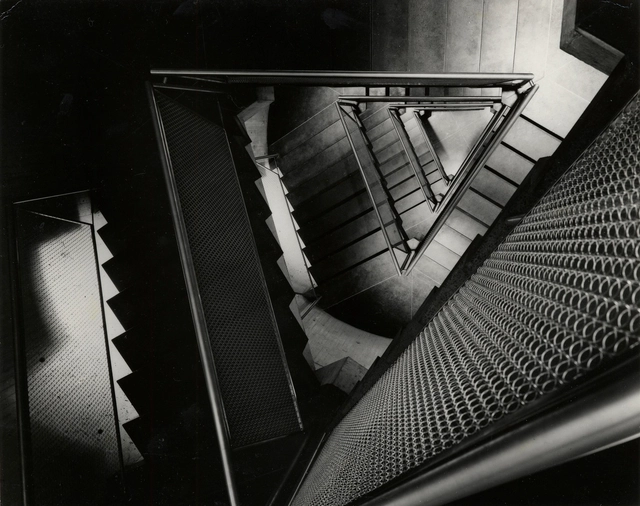
“We can all be designers” states Ole Bouman, one of the most influential figures in the world of Architecture. Implicated in the contemporary architectural discourse, the founding director of Design Society, in Shenzhen, China has introduced, since the 1990s, many design concepts, founded culture brands, and took on institutional roles all over the world.
Previously the director of the NAi - Netherlands Architecture Institute and the creative director of the Urbanism/Architecture Bi-City Biennale of Shenzhen/Hong Kong, the Dutch-German historian, writer, publisher, photographer, curator, lecturer, and practitioner in design and architecture, has gathered three decades of work in a platform, highlighting the interaction “between a life and history unfolding”. Read on to discover Ole Bouman’s Finding Measure essay, extracted from his website, and stay tuned for ArchDaily’s exclusive interview with Design Society’s founding director, discussing present and future, and tackling the role of architecture, the current challenges of the world, the digital revolution and many other thought-provoking topics.
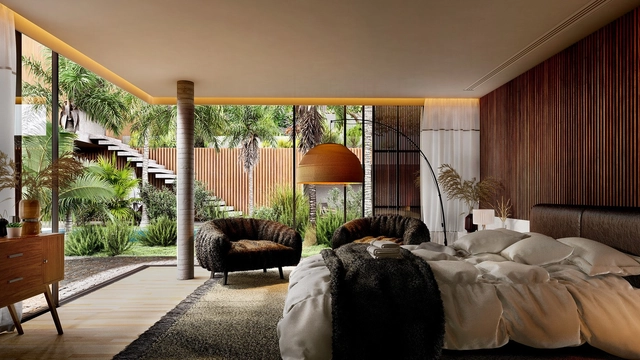
There is life within every design. In the way that the leaves of a tree move with the wind, the energy of a busy public building with its never-ending flow of interesting and unique people, or the feeling of a cozy evening indoors while heavy rain batters the windows.
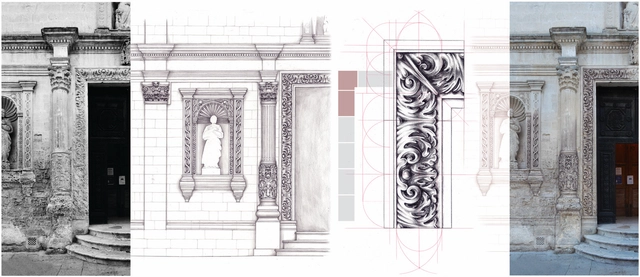
If there is any word that describes what architectural renders look like nowadays, it would be: impressive. The immense world of rendering has allowed people to engage in virtually-built environments, exploring each space and experiencing what they might hear or feel as they walk by one room to another without being physically present in the project.
The main purpose of a render is to help viewers visualize what the final result of the project will look like. Whether it is for presentation or construction purposes, architects need to translate their visions in a way that helps people who were not involved in the ideation process understand the space and the experiences that come with it. However, not all architects have the proper skills or the time to create such hyper-realistic environments, but with the exceptional quality of visuals being produced nowadays and the rising demand, it has become somewhat mandatory for every project to be presented as a realistic 3D render. So if you are one of those architects who don't have the skills nor time, here are ways you can present your project as an immersive visual experience that translates its identity without resorting to 3D software.
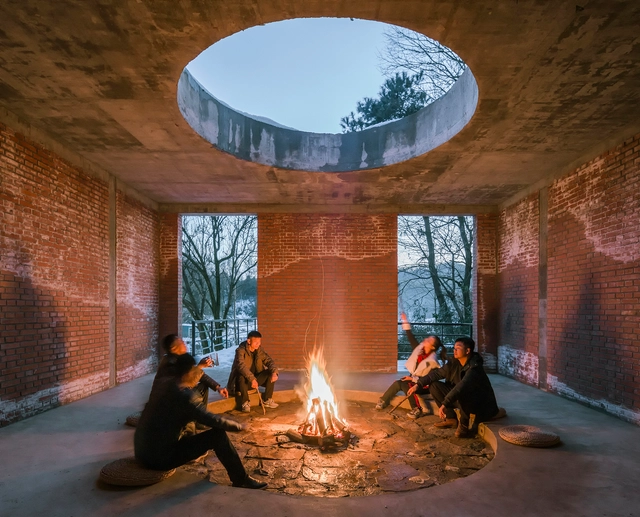
The slogan "Stay Home" has been guiding people throughout the past year, making us rediscover our home as a place of refuge, shelter, and protection. Within this new status quo, much has been discussed about the important role played by architecture and interior design in improving both the physical and mental wellbeing of its inhabitants.
From the most complex to the most simple, we have been revisiting various design strategies in search of a sense of comfort and seclusion in our homes. Although we are living in the most technological age of all, we find ourselves drawn to the most fundamental elements, as if returning to our origins.
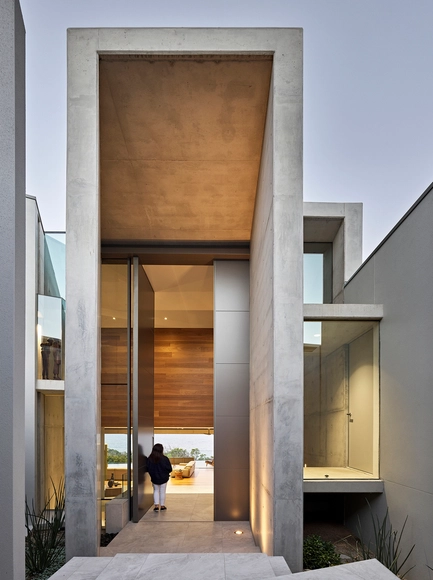
Claim Your Design Freedom
It sounds like a dream — the ability to design whatever comes to mind without worrying about the execution. It seems too good to be true and perhaps, in some cases, it is. There are simply too many rules - spoken and unspoken - that architecture and design have to obey. However, in some situations, you can take back your design freedom by utilizing smart solutions that already exist but may be little-known. This is especially true for the architecture and design of doors.
.jpg?1613994000&format=webp&width=640&height=580)
February 2021 has been a historical month for Mars exploration. While humans have been exploring the red planet for well over 50 years, first landing on its surface in 1971 and then launching the first successful rover in 1997, this year has seen several firsts, namely the first time that three countries (China, United States, and the UAE) have launched three simultaneous probes.
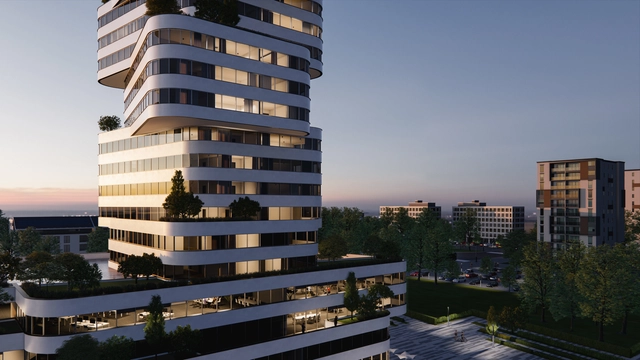
Real-time rendering is the fastest and easiest way to turn building models into immersive 3D experiences. It empowers the creative process by enabling designers to generate, document, and visualize simultaneously from one model.
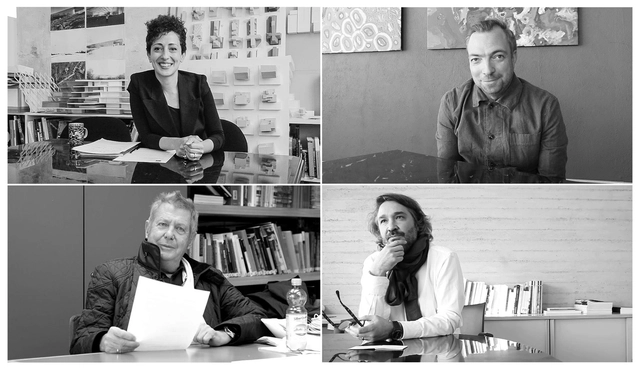
Simple in form but complex in substance, “What is Architecture?” remains an existential question for a lot of architecture students and young professionals. In an attempt to define this ever-changing interrogation and expose the different visions out there, the interview series: WIA – What is architecture? asks four, straightforward, questions to world-leading architectural designers and thinkers. Seeking to uncover their opinion on what architecture is and what it can do, these short videos reveal responses to “What is architecture? What can architecture do? What is your architectural position? and What is your design method?”.
ArchDaily has collaborated with WIA to release every week, 4 of these conversations, and to invite you to take on the challenge and answer these questions. The fourth and last article of the series presents the ideas and visions of Lina Ghotmeh, Wolf D. Prix from Coop Himmelb(l)au, Liam Young, and Martin Rein-Cano from Topotek 1.
The Second Studio (formerly The Midnight Charette) is an explicit podcast about design, architecture, and the everyday. Hosted by Architects David Lee and Marina Bourderonnet, it features different creative professionals in unscripted conversations that allow for thoughtful takes and personal discussions.
A variety of subjects are covered with honesty and humor: some episodes are interviews, while others are tips for fellow designers, reviews of buildings and other projects, or casual explorations of everyday life and design. The Second Studio is also available on iTunes, Spotify, and YouTube.
This week David and Marina give an introduction to what architecture is, covering how architecture is different from 'buildings'; the key aspects of a work of architecture (and what makes for good architecture); why architecture is necessary, but also unnecessary; the common belief that architecture only pertains to the exterior of buildings, the common focus on styles; whether or not architecture is subjective; and more.

If someone tried to sell you a virtual building, would you buy it? That’s right- a virtual building. Not something that will ever be built in the physical world, or something you can occupy, but an image you can look at, or a video you could watch. This is exactly what’s being proposed as architecture enters the realm of NFTs (non-fungible tokens) that have taken the world by storm. And in the design profession, which continuously seeks to redefine what it means to be an architect, NFTs have big implications for the future of digitization and commoditization of the unbuilt environment.

Globalization and its pension for both virtual and physical connectivity has led to the linking of the world's economies, territories, and cultures and nowhere is this more evident than in the field of architecture.
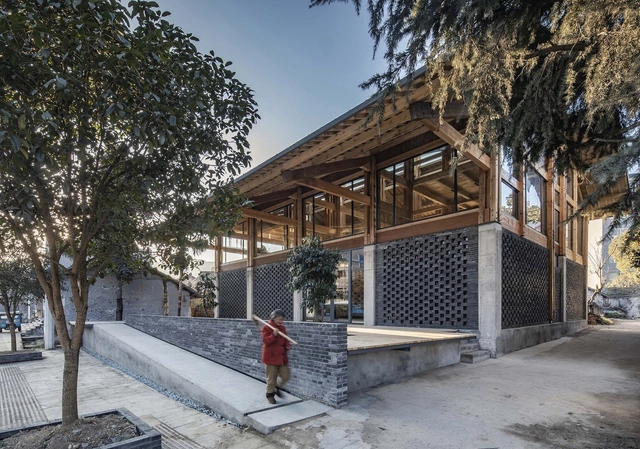
The American architect, designer, and futurist Buckminster Fuller once defined the Dymaxion principle as “constructing ever more with ever less weight, time, and ergs per each given level of functional performance.”



















.jpg?1613994000)