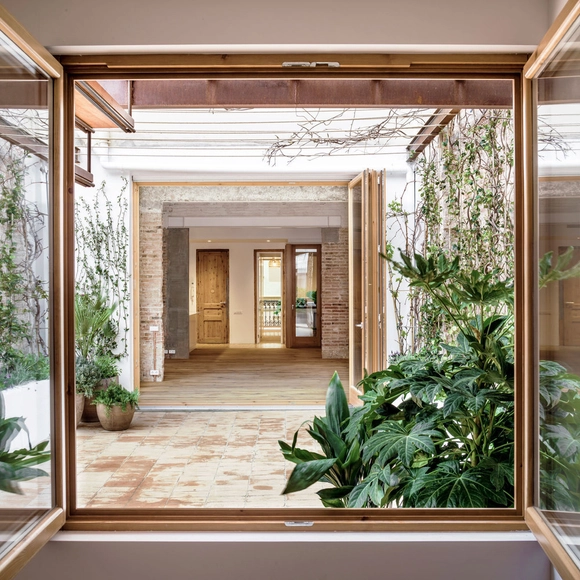
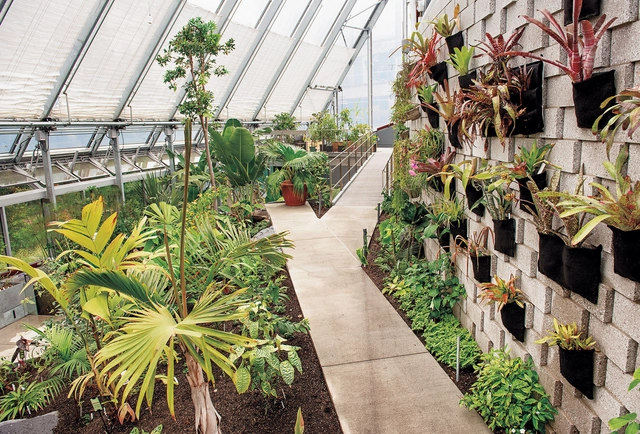
Indoor gardens can contribute important benefits to home living, ranging from aesthetic beauty to improved health and productivity. Research has shown that indoor plants help eliminate indoor air pollutants called Volatile Organic Compounds (VOCs) that emanate from adhesives, furnishings, clothing, and solvents, and are known to cause illnesses. They also increase subjective perceptions of concentration and satisfaction, as well as objective measures of productivity. Indoor gardens may even reduce energy use and costs because of the reduced need for air circulation. These benefits complement the obvious aesthetic advantages of a well-designed garden, making the indoor garden an attractive residential feature on several fronts.
https://www.archdaily.com/932106/how-to-incorporate-gardens-in-home-designLilly Cao
Bjarke Ingels is one of the most well-known architects of our time. During a conversation in Copenhagen between Ingels and Sky-Frame, he discussed his point of view, creating reality, immense courage and the secret behind his unwavering pragmatism.
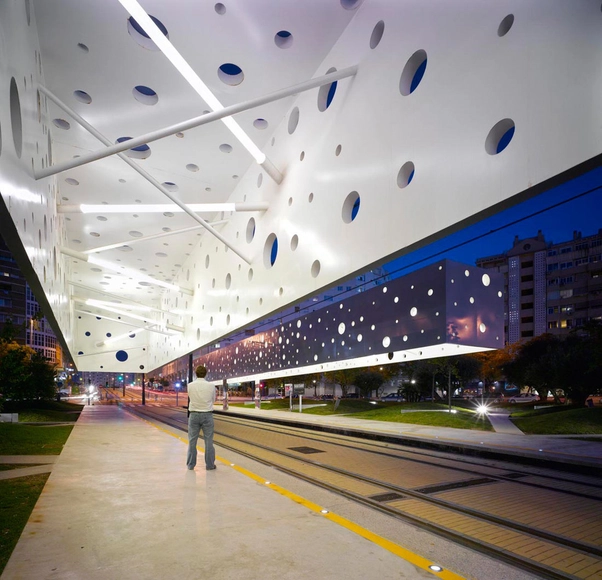
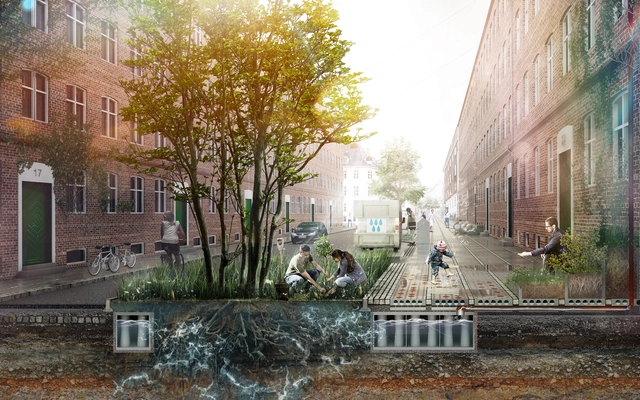
Around the world, cities are the “ground zero” of inequality and unsustainability. The two largest cities in the United States, New York City and Los Angeles, are also the two most unequal cities, and one-third of the United Kingdom’s poorest 10% of families live in London. Meanwhile, two-thirds of the world’s energy and 70% of global carbon emissions are attributed to cities. This leads to the question of how the evolution of public policy, and urban design, can strategically combat these two growing issues. Around the world, cities are looking to mobility as part of the solution, and in particular, asking a simple question: what if public transport was free?
https://www.archdaily.com/932193/should-cities-make-public-transport-freeNiall Patrick Walsh
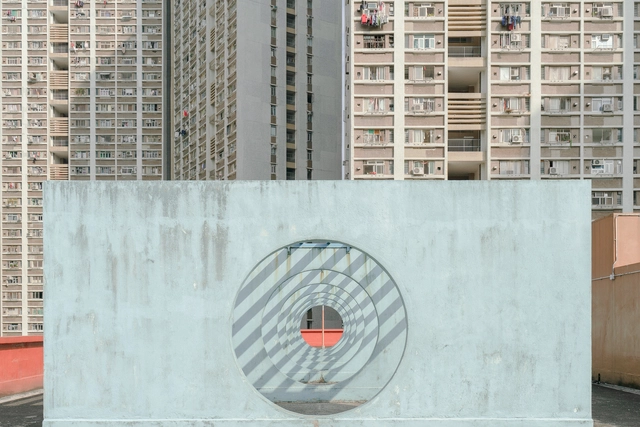
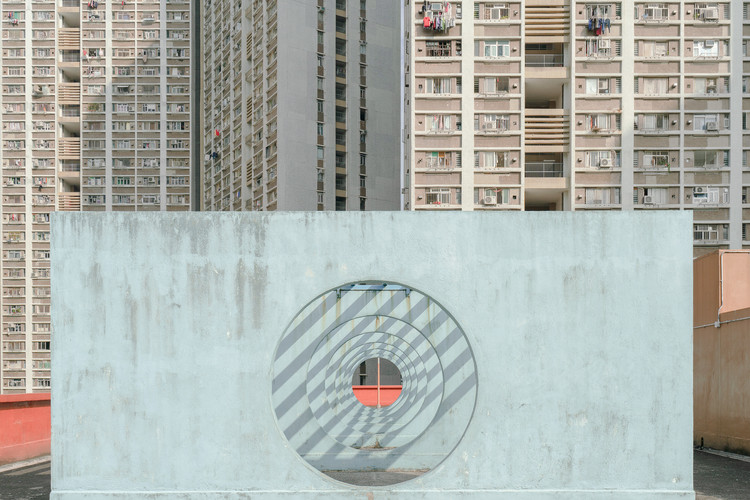
Alexey Kozhenkov is a freelance photographer currently based in Russia, with a strong interest in urbanism, architecture and man-made structures. Kozhenkov was born in 1993 in Riga, Latvia and became a self-taught photographer after graduating from university.
What happens when the sensor-imbued city acquires the ability to see – almost as if it had eyes? Ahead of the 2019 Shenzhen Biennale of Urbanism\Architecture (UABB), titled "Urban Interactions," ArchDaily is working with the curators of the "Eyes of the City" section at the Biennial to stimulate a discussion on how new technologies – and Artificial Intelligence in particular – might impact architecture and urban life. Hereyou can read the “Eyes of the City” curatorial statement by Carlo Ratti, the Politecnico di Torino and SCUT.
Technologies of the virtual realm present an opportunity to rethink the experience of space, society, and culture. They give us the possibility to engage with the city of the future, shaping the built environment of the 21st century.
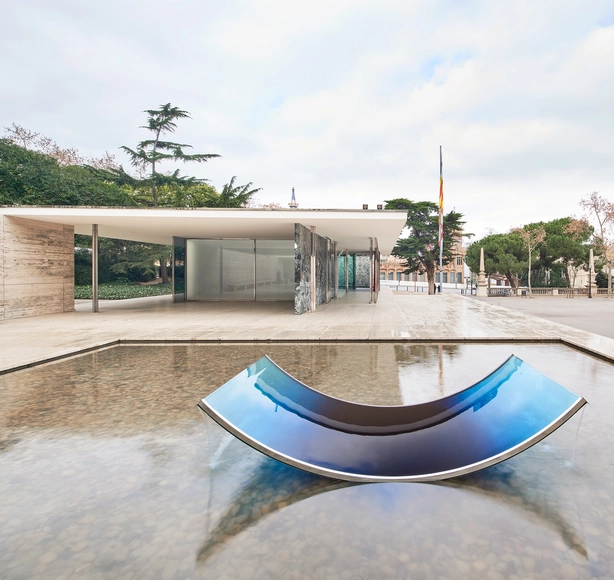
Mies van der Rohe Foundation together with Side Gallery presented "No Fear of Glass", an artistic intervention in the Mies van der Rohe Pavilion in Barcelona, Spain, developed by designer Sabine Marcelis.
Architects and designers are constantly looking to the latest design and façade trends to create attractive buildings for their clients. The challenge they face is delivering a creative look that meets building code compliance and testing standards. With high-rise buildings in particular, it is critical that the materials used for the building's construction perform effectively to prevent a disaster if a fire occurs.
The Midnight Charette is an explicit podcast about design, architecture, and the everyday. Hosted by architectural designers David Lee and Marina Bourderonnet, it features a variety of creative professionals in unscripted conversations that allow for thoughtful takes and personal discussions. A wide array of subjects are covered with honesty and humor: some episodes provide useful tips for designers, while others are project reviews, interviews, or explorations of everyday life and design. The Midnight Charette is also available on iTunes, Spotify, and YouTube.
This week David and Marina answer a call in from a listener asking if they should enroll in IPAL (NCARB’s Integrated Path To Architectural Licensure) in undergraduate school to become a licensed architect in the United States and if IPAL should be a factor when choosing their school. The two also discuss the pros and cons of becoming a licensed architect during school.
https://www.archdaily.com/932034/becoming-a-license-architect-with-ncarbs-ipalThe Second Studio Podcast
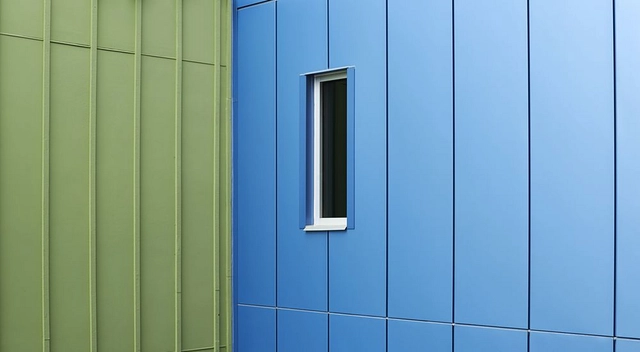
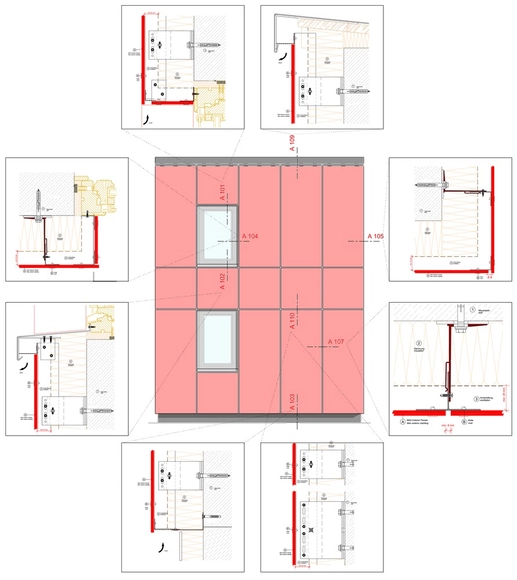
A facade must meet steep requirements as both the first skin that protects a building, its interiors, and its materials, and as the first thing a person sees. In addition to weather resistance and durability, its appearance is extremely vital for any architectural project. Prefabricated facade panels provide a clean, precise, and sophisticated finish to buildings and sport high versatility through different patterns and shapes.
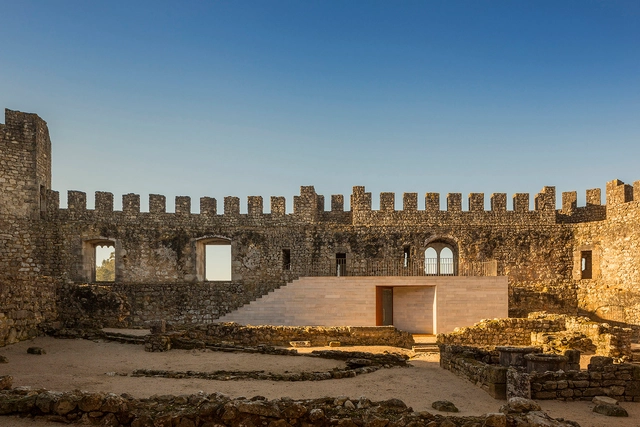
The passage of time will alter, erode, and in most cases, degrade any architectural structure. Whether this be the result of climate, adaptation, misuse, or even war, all buildings are subject to the same life cycles of steady, or extreme, decline. In recent decades, “adaptive reuse” has gained significant traction as a means of breathing new life into an old structure, offering an often complex challenge for designers, architects, and indeed everyday users, who walk a fine line between a respectful restoration of history, and significant adaption for modern needs.
Entries to the 6th International LafargeHolcim Awards for sustainable construction will close on February 25, 2020. The competition seeks projects by professionals as well as bold ideas from the Next Generation that combine sustainable construction solutions with architectural excellence. The Awards accept projects and concepts from architecture, engineering, urban planning, materials science, construction technology, and other related fields.
in 2019, the Bauhaus turned 100 and a crop of museum buildings sprang up for the celebration.
In 2019, two museums bearing the name Bauhaus appeared on the German culture circuit. Angling to capitalize on the design school’s centennial, the Bauhaus Museum Weimar was first out of the gate, opening in early April; a few clicks behind, the Bauhaus Museum Dessau followed suit in early September. A third project, the much-delayed extension to Walter Gropius’s 1979 Bauhaus- Archiv/Museum für Gestaltung in Berlin, did not manage to keep pace and isn’t expected to open for a couple more years yet.
While 2019 saw the completion of great works of architecture, it has also been a busy year for unbuilt designs. Whether this consists of imaginary visions intended to broaden horizons and innovations, or practical projects intended for construction, ArchDaily has published a wealth of unbuilt projects throughout the year that have been recognized and celebrated by juries, peers, and institutions.
As the year draws to a close, we look back at the top competition-winning architecture of 2019. From built competition-winning entries from the world’s leading firms, to student and young architect entries which imagine the architecture of the future, the list offers an insight into what the architecture world has in store for the next year, decade, or even century.
As 2019 winds down, the media has started its annual ritual of taking stock, compiling lists, looking back. In the architecture world, the year’s biggest news story was arguably the Notre-Dame fire. The image of the cathedral’s burning roof—a wrenching sight—filled TV and computer screens around the world and occasioned an outpouring of grief, especially in France, where the building holds a central place in the nation’s collective consciousness. It was an architectural tragedy as well as a cultural one. No doubt: the April inferno struck at the very heart of France.