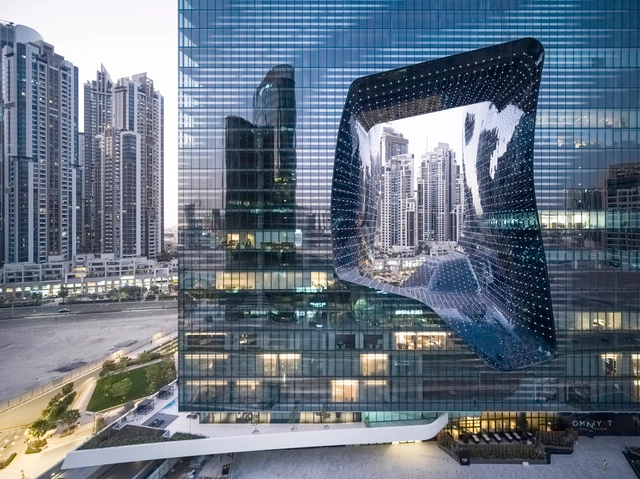
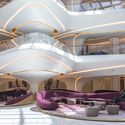
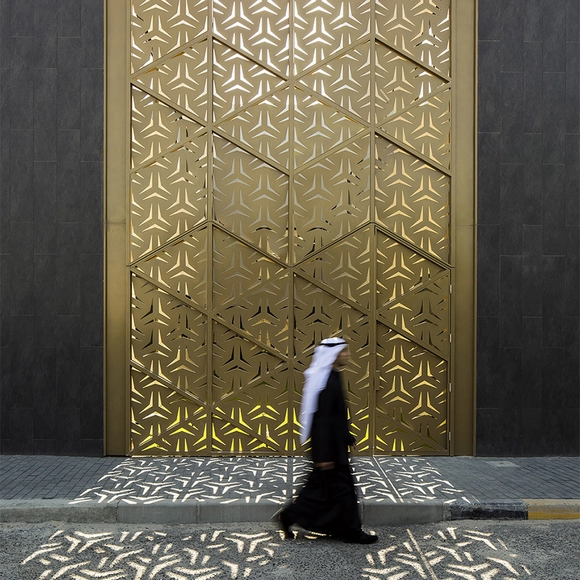
The recently opened Opus building by Zaha Hadid Architects brings an interplay of solid and void, fluidity and orthogonality to the Dubai cityscape. New images by award-winning photographer Laurian Ghinitoiu capture the project’s sculptural silhouette, the studio’s distinct architectural signature.
The 2020 coronavirus pandemic is already creating change in every part of society. Harnessing this change should be the impetus for a long-overdue overhaul of the educational system and, in particular, the way we teach architecture.
Each day during the pandemic, we are suddenly finding what was once impossible is now suddenly possible. As Thomas Friedman said of online learning back in 2012, "Big breakthroughs happen when what is suddenly possible meets what is desperately necessary."
We now find ourselves in a position where we have to re-think everything to fight this virus. This pandemic will cause us to re-think learning as entire educational systems are forced to move online. In general, most formal education institutions are not producing the creative thinkers the world urgently needs. Solutions to the coronavirus pandemic require creative thinking, and how we currently teach in institutions today produces groupthink. Our path-dependent education does not get the best from individuals.
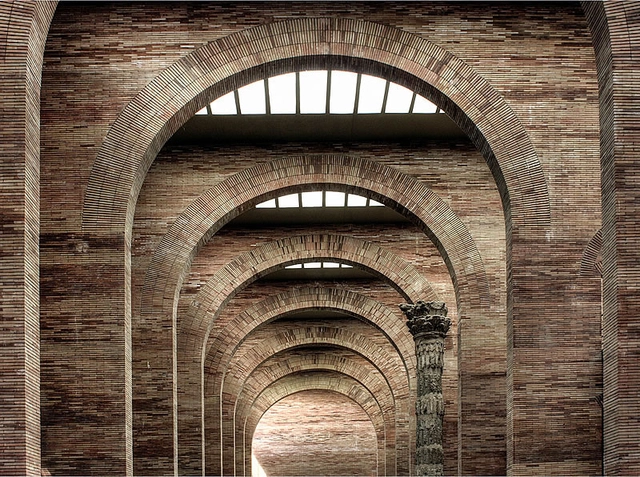
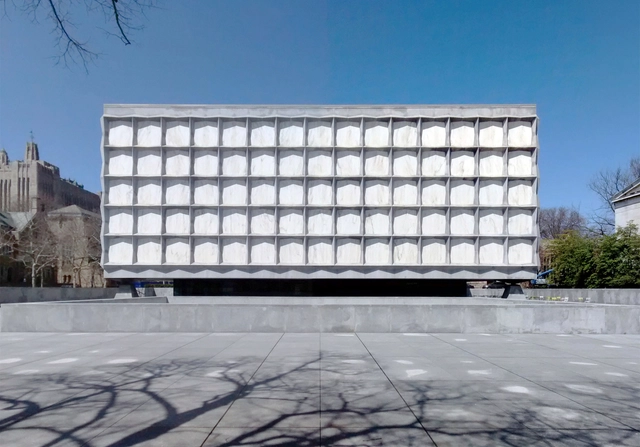
As the first ever Spanish architect to receive the Pritzker Prize, Rafael Moneo (born 9 May 1937) is known for his highly contextual buildings which nonetheless remain committed to modernist stylings. His designs are regularly credited as achieving the elusive quality of "timelessness"; as critic Robert Campbell wrote in his essay about Moneo for the Pritzker Prize, "a Moneo building creates an awareness of time by remembering its antecedents. It then layers this memory against its mission in the contemporary world."
As lead designer of the Lever House and many of America’s most historically prominent buildings, Pritzker Prize-winning architect Gordon Bunshaft (9 May 1909 – 6 August 1990) is credited with ushering in a new era of Modernist skyscraper design and corporate architecture. A stern figure and a loyal advocate of the International Style, Bunshaft spent the majority of his career as partner and lead designer for SOM, who have referred to him as “a titan of industry, a decisive army general, an architectural John Wayne.”
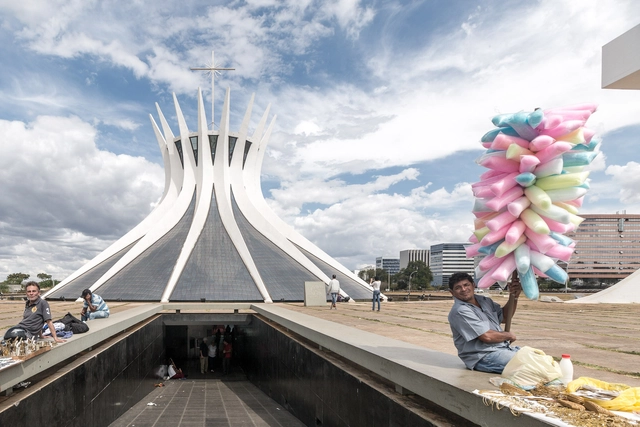
50 years ago Clarice Lispector already pointed out how difficult it was to unveil Brasilia: "the two architects did not think of building beautiful, it would be easy; they raised their amazement, and left the amazement unexplained". This year the capital turned 60, and still remains intriguing for scholars, students, and anyone who allows themselves to explore it better. In order to understand the daily life that exists there, we invited six professionals- in the field of architecture and urbanism - who live in the city, to share their visions with us and bring a few more layers that help to build an interpretation of utopia and reality that Brasília currently represents.
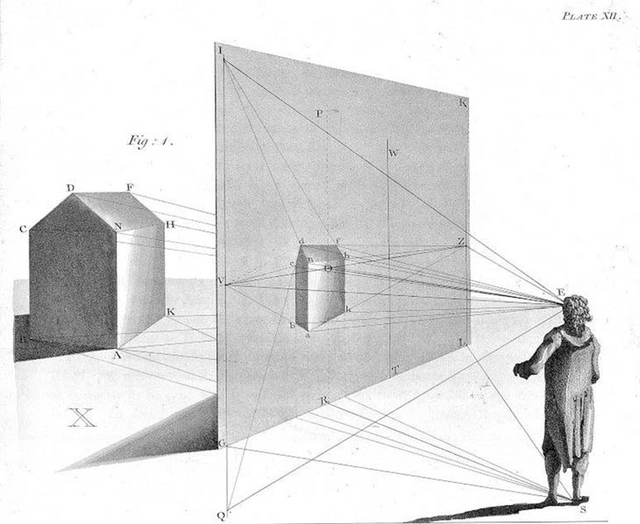
In the most fundamental sense, it can be said that architecture emerged due to the basic human need for shelter. The construction of the primitive hut was realized long before the conceptual Primitive Hut was described by Marc-Antonie Laugier and drawn by Charles Eisen in 1755. Laugier theorized that man wants nothing but shade from the sun and shelter from storms- the basic requirements of a human for protection from the elements. The pieces of wood that are raised perpendicularly give us the idea of columns, the horizontal pieces laid across them give us the idea of entablatures, and the branches that form a sloping incline are covered with leaves and give us the first roof. Although humans have been inhabiting the earth for millions of years, why was it only 265 years ago that Laugier’s theory was penned and made into an architectural cannon?
Jarahieh Refugee School. Image Courtesy of CatalyticAction
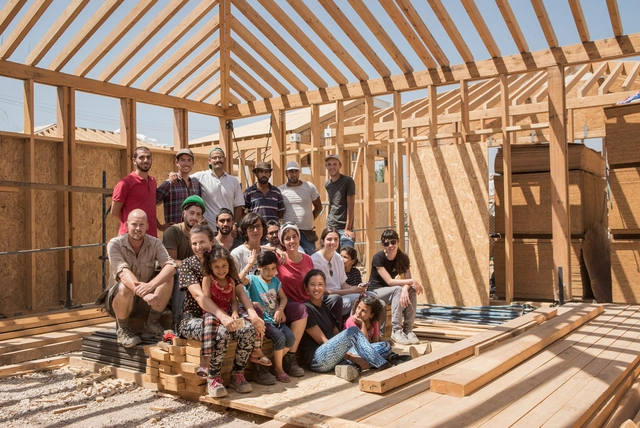
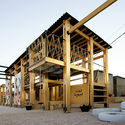
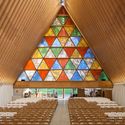
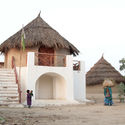
For the past few months, the architecture community has been trying to bring its contribution to the fight against the pandemic. The global spread of this crisis might have triggered a coordinated, and thus a more visible effort, but this isn’t the first time professionals step up in crises. Over the years, natural disasters and emergencies have determined several architects to get involved in disaster relief initiatives, as well as a wide range of humanitarian actions. In this article, we take a look at different occasions various architects and practices made a significant contribution to, helping affected communities overcome hardship.
Dissociating architecture from furniture is almost impossible. As Le Corbusier parking contemporary cars in his project photos suggests, the objects that decorate a domestic space demonstrate the wealth and lifestyle of the user who lives in it. From the moment that humanity ceased to be nomadic, there has existed records of rudimentary furniture. In an excavated site dating from 3,100 to 2,500 BCE, a variety of stone furniture was discovered, from cabinets and beds to stone shelves and seats. Since these early examples, furniture has always been used to express ideas: be it the exclusive and luxurious furniture of Ancient Egypt, meant to demonstrate the power and wealth of the empire, to the functional and simplified designs of the Bauhaus, meant to reconstruct rationality in the world, studying the evolution of furniture design is instrumental to understanding architectural styles.
Nowadays, the advancement of technology and the internet has made changes develop faster and faster, making them even more difficult to assimilate and follow. Furniture follows this trend, be it in the way of designing, manufacturing, or even selling products. Below, we outline some ways in which technology has impacted this field:
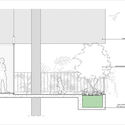
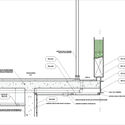
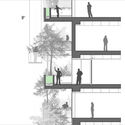
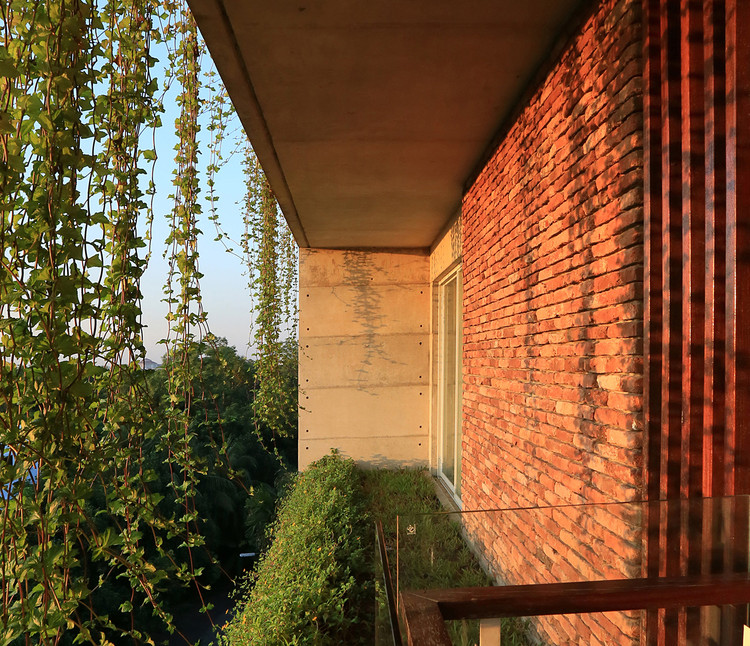
With the COVID-19 pandemic sweeping through the world's urban centers, governments worldwide are urging citizens to hunker down at home in a bid to quell the virus' spread. For apartment dwellers under quarantine, balconies have become the new platforms for entertainment and social interaction, making now an opportune moment in rethinking how we design and build these outdoor urban spaces.
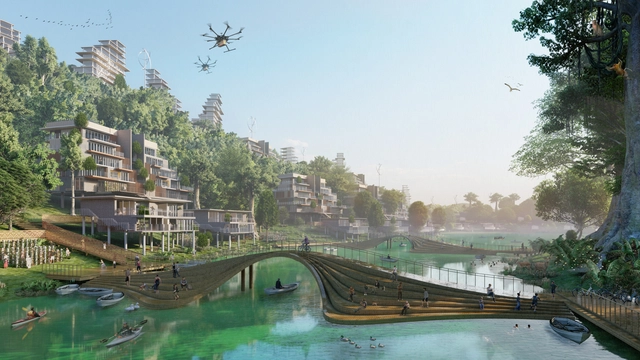
“The Infinite City” smart city design for Indonesia New Capital. Image Courtesy of AntiStatics Architecture
Presented part of international competitions, this week’s best-unbuilt architecture gathers award-winning projects submitted by our readers. Highlighting as usual diverse approaches from across the globe, ArchDaily is rounding up in this article, a curated selection of cultural, civic, and urban proposals.
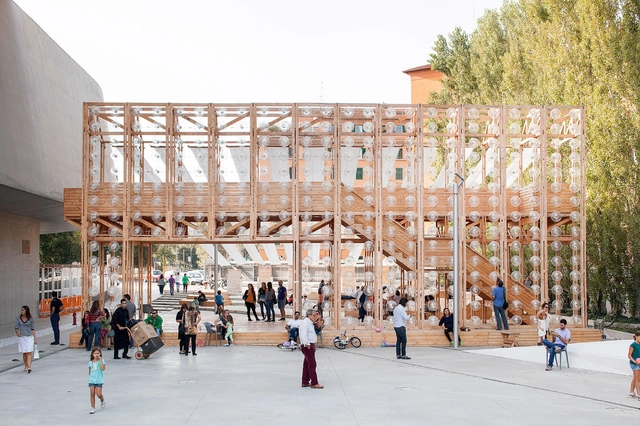
In Singapore, an adaptive reuse project transforms a power station into a creative industrial hub, while in Indonesia, a smart city design for the new capital generates an ecologically responsible environment. Moreover, Kjellander Sjöberg designs and develops an original city block in Stockholm, and TheeAe imagines a city hall for China. Other proposals include an entire reflective surface for a public square in Italy, a new city district in Tampere Finland, a University building in Warsaw, and a school for contemporary art in Vienna.
Cities used to be hailed for cultural diversity, with thriving and resonating dynamism. But today, scenes of desperation reigns, as stores are closed, streets rendered lifelessly and -from our homes, we no longer enjoy urban economic vibrancy. As numerous businesses are facing bankruptcy, others realise that -with technology, working 100km or 5km away makes no difference. The coronavirus brought our urban economy to a standstill. The functioning of cities is being re-questioned. How we react to this crisis will shape the city for decades to come.
https://www.archdaily.com/938782/coronavirus-as-an-opportunity-to-address-urban-inequalityZaheer Allam, Gaetan Siew and Felix Fokoua
Throughout human history, the movement of populations–in search of food, shelter, or better economic opportunities–has been the norm rather than the exception. Today, however, the world is witnessing unprecedented levels of displacement. The United Nations reports that 68.5 million people are currently displaced from their homes; this includes nearly 25.4 million refugees, over half of whom are under the age of eighteen. With conflicts raging on in countries like Syria and Myanmar, and climate change set to lead to increased sea levels and crop failures, the crisis is increasingly being recognised as one of the foundational challenges of the twenty-first century.
While emergency housing has dominated the discourse surrounding displacement in the architecture industry, it is critical for architects and planners to study and respond to the socio-cultural ramifications of population movements. How do we build cities that are adaptive to the holistic needs of fluid populations? How do we ensure that our communities absorb refugees and migrants into their local social fabric?
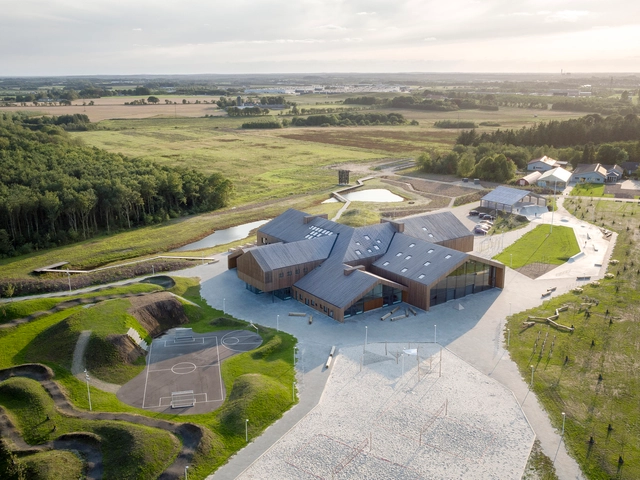
This World Refugee Day, let’s take a look at 5 shining examples of social infrastructure from around the world–schools, hospitals, and community spaces–that are specifically directed at serving displaced populations.
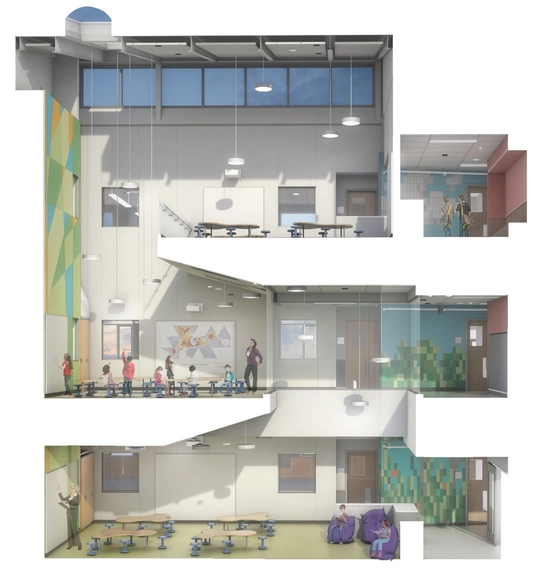
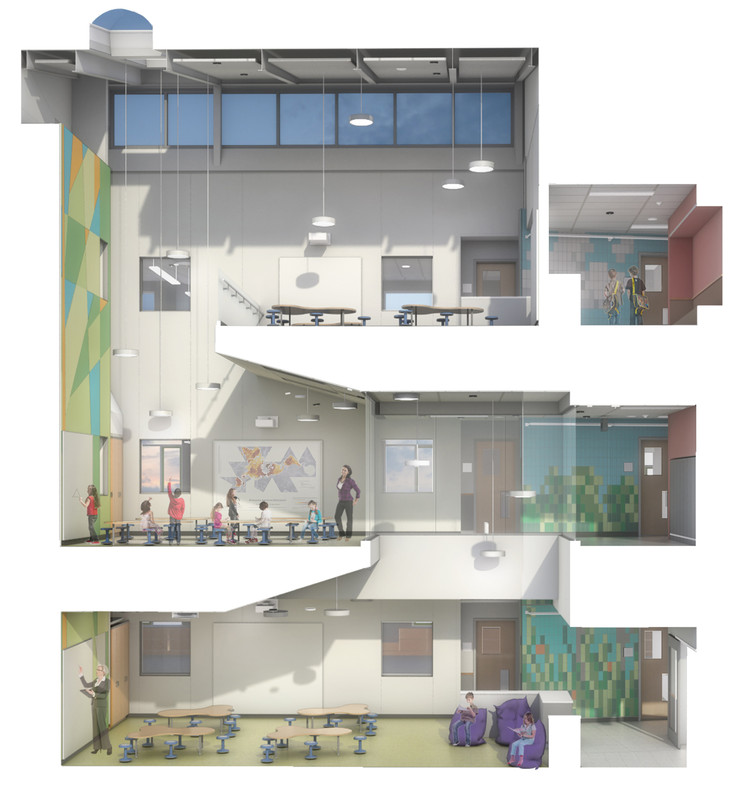
Woodland Elementary School / HMFH Architects. Image Cortesia de HMFH Architects
It is a student's right to be educated in a safe, healthy, and even aesthetically appealing environment, especially young students for whom these factors are even more important. For example, it has been shown that when the ergonomics of chairs are inadequate, they can greatly affect levels of concentration and the development of skills such as calligraphy. At the same time, the effectiveness of traditional teaching methods is increasingly being questioned and the quality of alternative methodologies increasingly being considered. In other articles, we discussed in more detail the design of Montessori schools and the atmosphere of Waldorf interiors.
Today, we will cover the importance of choosing furniture and address some aspects to consider when organizing them in classroom design for the schools of the future.
New Generations is a European platform that analyses the most innovative emerging practices at the European level, providing a new space for the exchange of knowledge and confrontation, theory, and production. Since 2013, New Generations has involved more than 300 practices in a diverse program of cultural activities, such as festivals, exhibitions, open calls, video-interviews, workshops, and experimental formats.
New Generations has launched a fresh new media platform, offering a unique space where emerging architects can meet, exchange ideas, get inspired, and collaborate. Recent projects, job opportunities, insights, news, and profiles will be published every day. The section ‘profiles’ provides a space to those who would like to join the network of emerging practices, and present themselves to the wide community of studios involved in the cultural agenda developed by New Generations.
ArchDaily and New Generations join forces! Every month ArchDaily will publish a selection of studio profiles chosen from the platform of New Generations.
The digitization of production and technological resources linked to the development of increasingly sophisticated tools has a direct impact on the contemporary practice of architecture and urbanism. Thinking about cities and buildings based on the digital assumption provides great possibilities for innovation in terms of design, optimization of resources and processes, improvement in performance and monitoring the maintenance of work, among other aspects. Many tools are already available, ranging from artificial intelligence to 3D printing, through various devices that change the paradigms of the profession and demand a new attitude when designing.
In a predominately urban world that constantly has to deal with complex problems such as waste generation, water scarcity, natural disasters, air pollution, and even the spread of disease, it is impossible to ignore the impact of human activity on the environment. Climate change is one of the greatest challenges of our time and it is urgent that we find ways to slow down the process, at the very least. Toward this end, our production, consumption, and construction habits will have to change, or climate change and environmental degradation will continue to diminish the quality and duration of our lives and that of future generations.
Although they seem intangible and distant, these various energy inefficiencies and waste issues are much closer than we can imagine, present in the buildings we use on a daily basis. As architects, this problem is further amplified as we deal daily with design decisions and material specifications. In other words, our decisions really do have a global impact. How can we use design to create a healthier future for our world?
Carmelina&Aurelio Architecture Studio based in Tuxtla Gutiérrez, Chiapas in Mexico, released a book with architectural illustrations to color. The book in PDF format is available on their website for free and consists of eight letter-size pages. Read on for the featured projects as well as examples of color palettes for further inspiration.
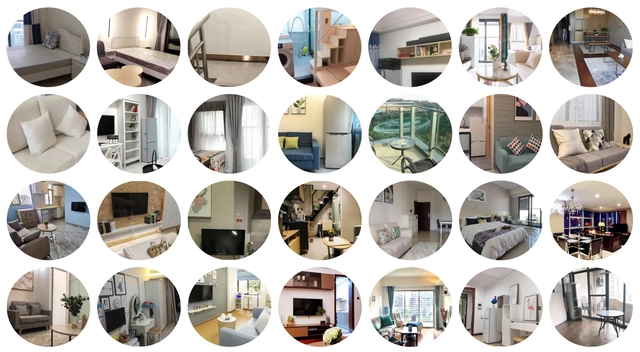
Your Real Estate Interior: Noourbanographical Sample of the single bedroom/studio apartment. Source: www.flatchina.com
Can a collective agency, or mind, be traced across the urban condition? And how should we map its effects on the physical matter of our cities? A specific representation of a specific type of ‘home’ is employed as an exercise in defining the impact of a “logic of thinking that is both embodied and distributed, singular and collective.” Hélène Frichot’s proposal for “Noourbanographies” was written as a response to the call for papers of the “Eyes of the City,” well before our domestic interiors became the new public. Looking at the distance between hegemonic collectives and ecologies of subjectivities as space for action, the essay opens up to an articulate range of issues that involve matters of care, diagrammatic thinking and spaces of control.
For the 2019 Shenzhen Biennale of Urbanism\Architecture (UABB), titled "Urban Interactions," (21 December 2019-8 March 2020) ArchDaily is working with the curators of the "Eyes of the City" section to stimulate a discussion on how new technologies might impact architecture and urban life. The contribution below is part of a series of scientific essays selected through the “Eyes of the City” call for papers, launched in preparation of the exhibitions: international scholars were asked to send their reflection in reaction to the statement by the curators Carlo Ratti Associati, Politecnico di Torino and SCUT, which you can read here.













.jpg?1588588896&format=webp&width=640&height=580)
.jpg?1561029678&format=webp&width=640&height=580)
.jpg?1561029668 "© Y. Meiri")
_(1).jpg?1561029646 "Courtesy of CatalyticAction")

.jpg?1561029689 "© Shidhulai Swanirvar Sangstha")
.jpg?1561029678)



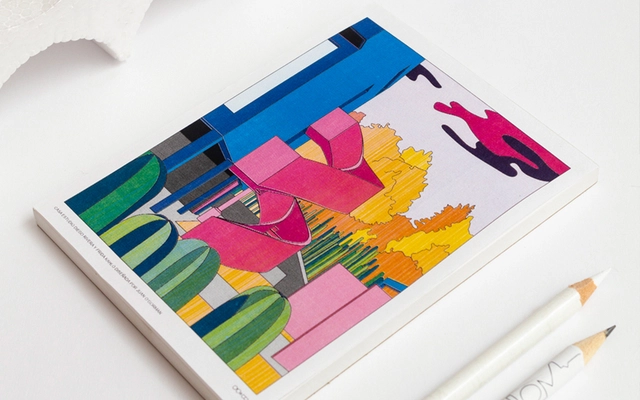
.jpg?1587757409 "© Carmelina&Aurelio")

.jpg?1587757443 "© Carmelina&Aurelio")