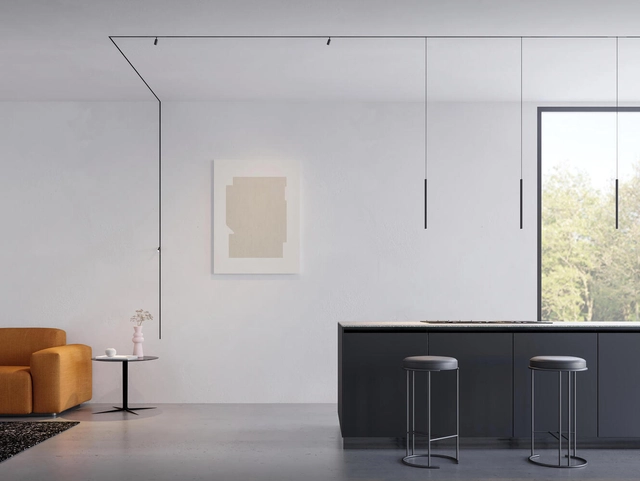
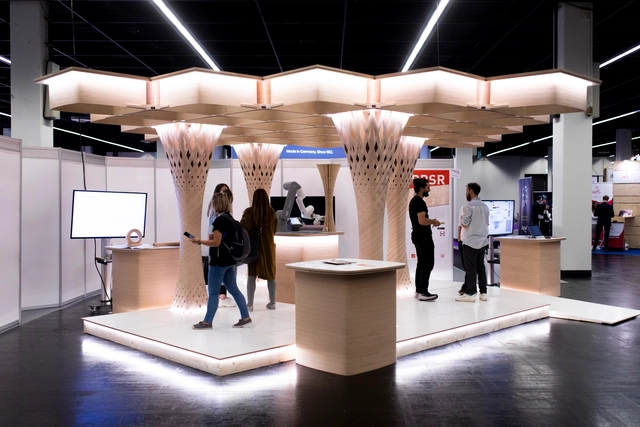
A minimal lighting framework for an open plan living space, Outline Ambient hosts a strategic combination of pendants and projectors. Image Courtesy of Reggiani
We are living in an era of active interiors where shifting perimeters, flexible set ups and agile activities are truly testing the limits of design; workspaces are hybrid, retail installations are ever-evolving and cultural spaces are multi-dimensional. Amidst changing scenarios, lighting is key to shaping interior spaces with just the right amount of mood, drama or practical spotlighting. To meet the demands of these cutting-edge interiors, lighting today must provide a solid framework that can embrace both changing dynamics and high quality consistency – offering flexibility, precision control and a timeless aesthetic.
Rising to the challenge is Reggiani's new lighting system ‘Outline’, designed for adaptability with minimalism, modularity and customisation. The system features an ultra-slim track available in linear and curved segments, ready to be tailored into endless freeform or geometric configurations. To this base, a choice of projectors, pendants and linear LED lighting fixtures can be added, so designers can model the experience and intensity of light with absolute control across spaces – from showrooms and warehouses to hospitality and retail.
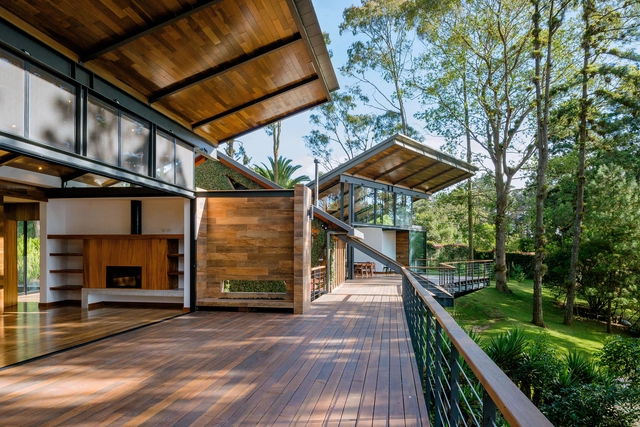
One of the most important factors when designing is the specific climate of the site. This can be a difficulty when dealing with extreme climates and it is necessary to use insulating materials that adapt to the changing conditions. However, when talking about Mexico and its particular climate this works in the architects' favor allowing them to create microclimates and spaces that blur the transition of what turns out to be indoors and outdoors.
The first image that comes to mind when we think of an office is a place with a table and chair. But it was not always the case. In the Middle Ages, monasteries were the main places for study and knowledge, with private rooms designed to help monks concentrate when researching. However, records state that such spaces were uncomfortable since scholars remained standing most of the time.
The traditional architecture of the past can sometimes seem a long way from the modern, open-plan environments we enjoy today. But while some seemingly bygone upper-class room typologies like parlors, drawing rooms, and smoking rooms still exist by other names – dens, snugs, and man caves, to name a few – other architectural intricacies are more rarely replicated.
Back staircases, sculleries, and drying rooms, for example, were at one stage imperative for properties of a certain size and status to function. But just like a woolen jumper accidentally washed on the wrong setting, technology has reduced the size of laundry workspaces over the past century. Small homes like Under the Barao’s Sky Apartment in Sao Paolo, Brazil, for example, are now able to replace separate laundry rooms and pantries with all-in-one kitchen-diners that integrated small washing/drying appliances into an open kitchen layout, leaving more room for living.
Subscriptions are quickly becoming an integral part of everyday life. For example, streaming platforms have completely replaced the need to own video cassettes, while ride-sharing services partially cover the need to own a private car. Subscriptions have been largely understood as digital services, but a new trend suggests that the same concept could be transferred to physical objects in the near future. Instead of owning a fridge, a washing machine, or even light bulbs, one could acquire a subscription to ensure the freshness of produce, clean clothes, and a well-lit home.
The concept is known as the “subscription-based economy,” a variant of the “circular economy” notion. It postulates that instead of owning some of the objects used every day, one could subscribe to a service to gain access to the same benefits, but without the need to own, maintain or dispose of the object in question. Consumers no longer buy products; they buy access to services. Sometimes, it would mean simply leasing the object instead of purchasing it, but the model goes one step further. It inscribes a shift of responsibility and mentality. Because consumers no longer own the objects, the responsibility to reuse and recycle falls to the producers, who are now in charge of the entire life cycle of the objects they create.
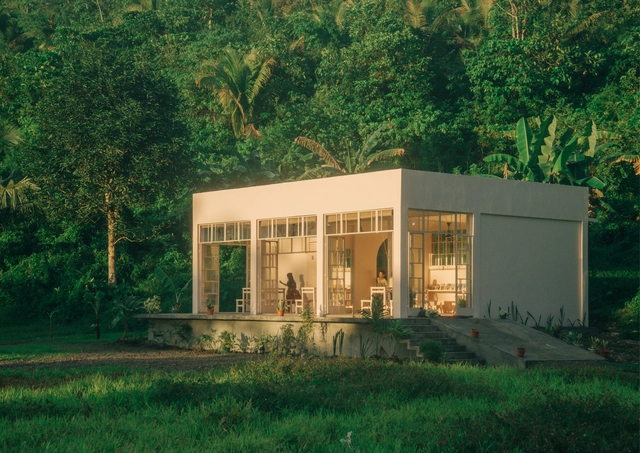
Children's Learning Center, Mas-in Village / Native Narrative. Image
Since the first civilizations, nature has been a fundamental pillar to serve humanity as a natural habitat, offering shelter, food, and medicine. In modern times, industrial and technological revolutions have taken over the landscape, reshaping the way humans interact with nature. However, today and due to the events that we have experienced as a society, it is necessary to focus on creating cities and spaces that integrate nature into everyday life.
Architects have always considered the positive influence of natural light on the health and mood of a building's occupants, but measuring its actual benefits was a challenge for a long time. However, the past few decades have seen significant progress in this area, with research such as the comprehensive study conducted by the Heschong Mahone Group, which analyzed more than 21,000 student tests in three school districts in California, Washington, and Colorado. The results showed that students in classrooms with more natural light had a 20% faster learning progress in math tests and 26% on reading tests, compared to students in classrooms with less natural light. Many other studies reinforce that including natural light in spaces has immense long-term benefits for societies, especially during a child's valuable formative years, who spend about 90% of their time indoors and about 200 days a year in classrooms.
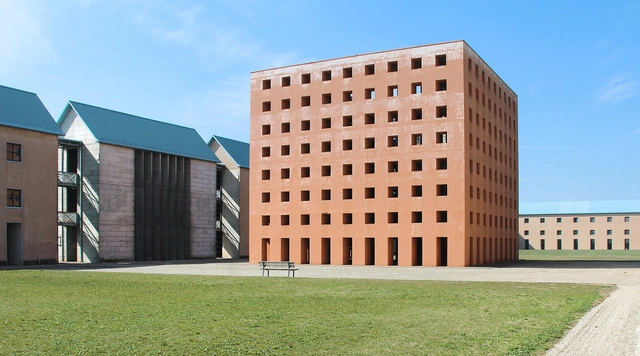
San Cataldo Cemetery. Photo by Trevor Patt, via Flickr. CC BY-NC-SA 2.0 license
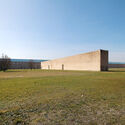
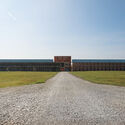
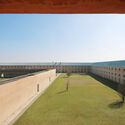
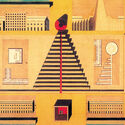
Cemeteries are among the architectural programs with the greatest symbolic value. They suggest rituals, rigor and solemnity while offering some comfort or hospitality, if not for those who bid farewell to their loved ones, at least to "guarantee" a dignified afterlife for those who have passed away. The San Cataldo Cemetery, designed by Aldo Rossi and Gianni Braghieri, fulfills the first part of the previous statement. Partly because the project was not entirely built, austerity and empty spaces predominate. But when considering the proposed project, perhaps the aridity would remain, and the harshness would be felt more forcefully. Composed of buildings with almost abstract, pure shapes, without noble details or cladding, the cemetery project is a good example of Aldo Rossi's production at the time of its conception, around 1970.
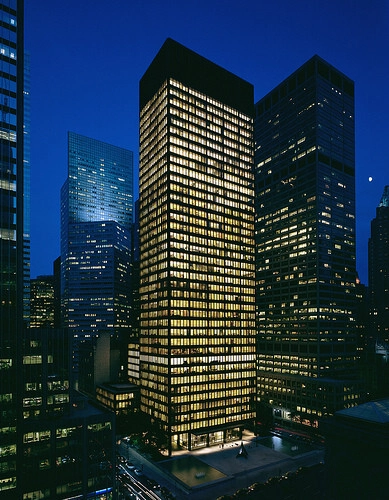
Richard Kelly illuminated some of the twentieth century’s most iconic buildings: the Glass House, Seagram Building and Kimbell Art Museum, to name a few. His design strategy was surprisingly simple but extremely successful.
Lighting for architecture has been and still often is dominated by an engineering viewpoint, resigned to determining sufficient illuminance levels for a safe and efficient working environment. With a background in stage lighting, Kelly introduced a scenographic perspective for architectural lighting. His point of view might look self-evident to today’s architectural community, but it was revolutionary for his time and has strongly influenced modern architecture.
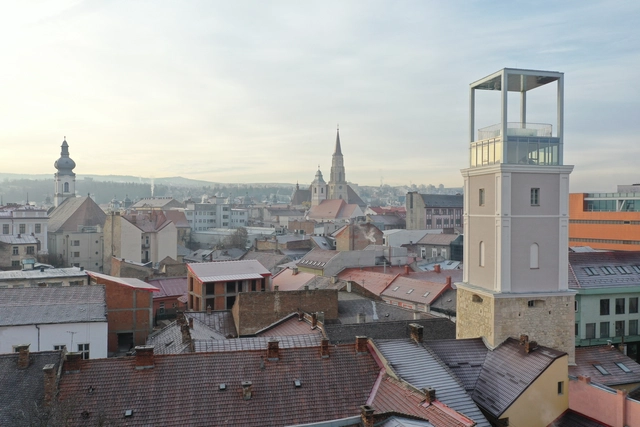
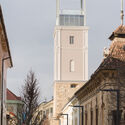
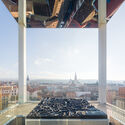
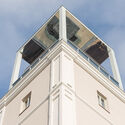
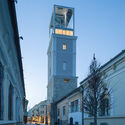
The skyline of Cluj-Napoca, a city located in the Transylvania region of Romania, is defined by a mosaic of historical and modern buildings, giving the city a unique and diverse appearance. Among the visible landmarks, the Firefighters' Tower, or "Turnul Pompierilor" in Romanian, stands out for its mixture of styles, from Medieval stonework to Baroque detailing and contemporary interventions. Despite it being a relatively small monument, with a ground floor area of just under 50 square meters, the tower holds layers of history narrating the evolution of its neighborhood and city, from its beginnings during Medieval times until the present day. Left derelict in recent years, a new intervention by Vlad Sebastian Rusu B.I.A and Octav Silviu Olănescu B.I.A. aims to restore the tower's position as a repository of local history and an attractive space for residents and visitors alike. This article explores the story behind the Firefighters' Tower both narratively and visually, through the lens of Cosmin Dragomir.
Studies reveal that we spend roughly 90% of our time indoors, and even when we do venture outside, we often remain tethered to technology, with a speaker in our ear, smartphone in our hand, or both. To address this, architects and designers have been pursuing innovative methods for incorporating nature into our living spaces. After already embracing green walls, seamless indoor-outdoor living areas, and strategic natural lighting, it looks like exploring the world of sound is next.
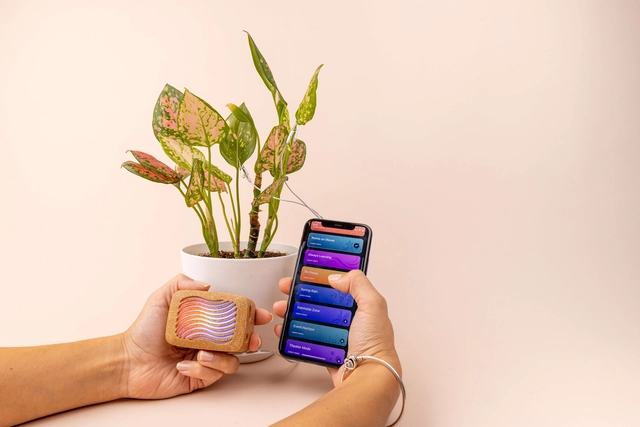
Enter plant music, the latest trend propelled by a device called PlantWave, that’s taking social media by storm. This unique device, developed by Data Garden, invites us to experience nature in a whole new way, with just a single tap.
Some authors claim that the term kitsch has German origins and arose in artistic vocabulary around 1860 from the verb kitschen/verkitschen (to cheat, to sell something instead of something else). Others, such as Guimaraens & Cavalcanti (1979), affirm that the term comes from the English language, from the word sketch. In the second half of the 19th century, when American tourists wanted to buy a work of art at a cheap price, they asked for a sketch.
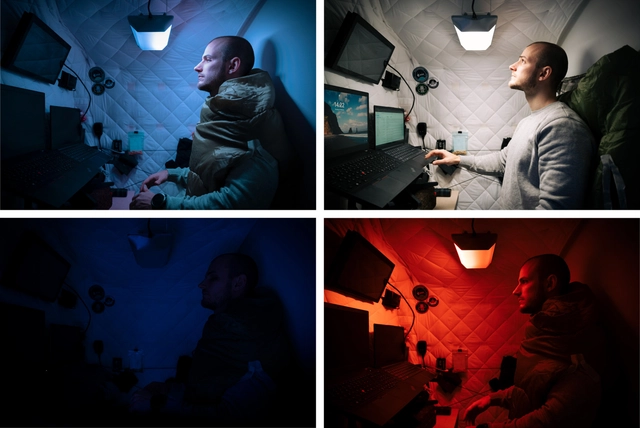
Since Yuri Gagarin's iconic pioneering flight in 1961, only 565 human beings have had the privilege of traveling into space. This extreme venture requires a high degree of devotion, extraordinary physical and intellectual preparation, and huge investments. Space exploration has the potential to benefit humanity in many ways, especially regarding the development of new technologies and the generation of scientific knowledge. Many of these technologies are already available to the public, such as GPS, water filters, or highly resistant fabrics. But while we often imagine astronauts floating in space and observing the Earth from a unique vantage point, many of them face the difficulty of sleeping and resting in space due to the lack of natural light. It is this issue that motivated a group of young Danish architects to develop a solution to improve the daily lives of astronauts in space, but also of many people on planet Earth who suffer from the same problem.
Fueled by pressing issues such as the climate crisis, population density and rapid urbanization, the built environment has become increasingly complex. Architecture and design professionals are faced with a challenging, yet fundamental task: to translate society’s ever-evolving needs into tangible and future-oriented solutions. In pursuit of this goal, they must embrace the countless tools, materials and technologies emerging every day in the construction field –from AI to virtual reality software and smart home systems. After all, to remain at the forefront in an industry where change is the norm, the ability to adapt and evolve is crucial for success.
Guatemala is a country located in Central America that is organized into 22 departments, its capital and most populated city is Guatemala City. Mexico forms the geographic borders that contain this territory to the north and west, Belize and Honduras to the east, and El Salvador to the south. In addition, it faces the Pacific Ocean and the Gulf of Honduras. It is located in Mesoamerica, home to the Mayan culture, which extended to what we know today as Mexican territory. It is for this reason and for some other reasons related to migration issues that these two countries share similar traits in terms of climate and culture, which is highly enriching when we explore the development of the territory.
Another year, another successful ArchDaily China Building of the Year Awards! With more than 80,000 votes gathered over the past week, the results of the 2023 edition are in! Once more, the award has proved to be the largest architecture prize centered around people’s opinion. Crowdsourced, the most relevant projects of the year were nominated and selected by our readers.
Branding for architects isn’t just about having a beautifully designed logo. In fact, when it comes to promoting your architecture firm, a distinctive brand is fundamental to communicating what makes your firm unique and different.
In our experience at Archmark branding and rebranding architecture firms, construction companies, and home service providers over the past ten years, we have developed a strategic process that makes branding easier than expected and reveals surprising results. In this article, we share the same steps we take with our clients so you apply them to your own branding efforts.
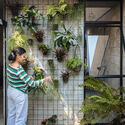
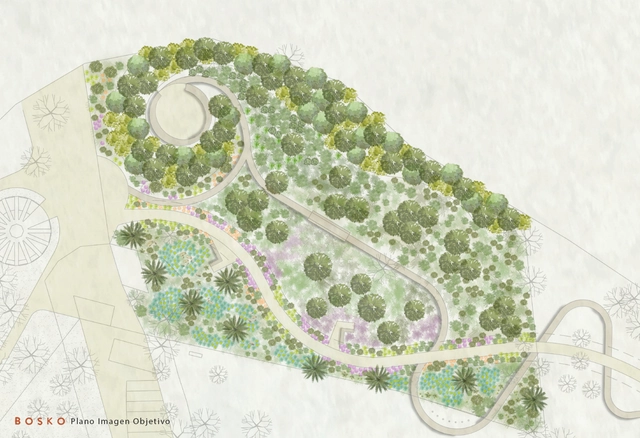
Jardín Nativo Adriana Hoffmann, Museo Interactivo Mirador (MIM) en Santiago de Chile. Image Cortesía de Bosko
During the 19th century, efforts to improve the quality of urban life focused on creating gardens and parks, marking the beginning of the evolution of landscaping as a modern discipline. However, despite remarkable examples worldwide, excessive structure and artificiality in urban parks have gone against the motivations that gave rise to them. In many cases, their design has resulted in decontextualized and inefficient public spaces that are highly demanding on resources and far from being truly sustainable.
The strict use of geometry and the imposition of species that are difficult to adapt and care for are gradually giving way to a more organic approach to landscaping, tailored to local ecosystems and more efficient in its development and conservation. Native forests embody all these positive aspects. They not only ecologically restore degraded areas but also improve air quality and retain rainwater, creating biodiverse green spaces that deeply connect people with nature. We spoke with Magdalena Valdés, founder and director of Bosko, who explains why native forests are the right path towards conscious and truly ecological landscaping.