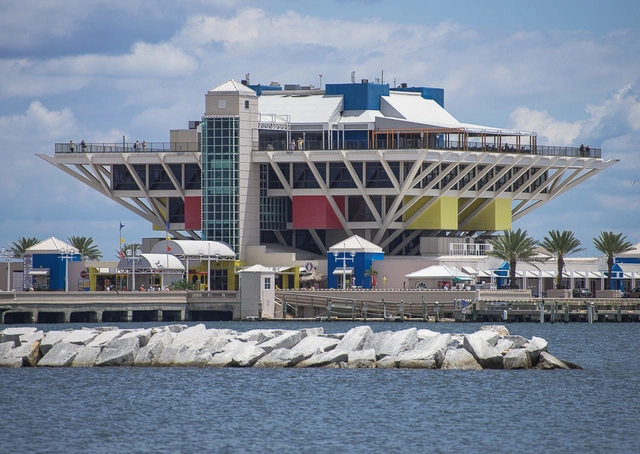
The city of St. Petersburg, Florida is once more seeking candidates for the design of its new pier. The call comes two years after a pier design by Michael Maltzan Architecture was selected over rival schemes by BIG and West 8, but was eventually turned down after significant public criticism. To avoid a repeat of that incident, the current selection process for candidates and their subsequent proposals will incorporate more community input.
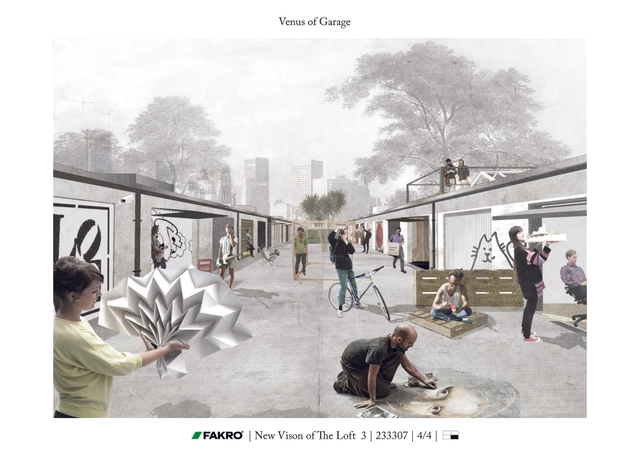
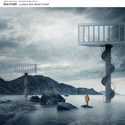
First Prize: VENUS OF GARAGE by Katarzyna Furgalińska and Michał Lisiński
The Atelier of the Future competition asked entrants to design a "creative and artistic vision of an atelier." Having been organised by FAKRO, in conjunction with A10 New European Architecture magazine, the proposals also were required to feature at least three FAKRO products (roof lights and windows) as part of a space which is functional, technologically astute, and able to "create the appropriate mood to stimulate creative visions."
With sixty two entries in total, a third of which were from Poland and 90% of which were from within Europe, the jury deliberated entries that "stimulated [their] imaginations and provoked a set of reflections about the possible futures of architecture and its fields for action." Divided among themes which ranged from projects associated with Industry, to Nature, to Water, entrants proposed solutions for "underwater resorts, skylofts, subterranean spaces, derelict areas, wheels of fortune and metabolist towers."
The Global Schindler Award is a new competition for students that will explore questions about universal mobility and access amidst rapid globalization and urbanization. In its inaugural year, a real site in Shenzhen – a booming commercial and industrial area adjacent to Hong Kong – has been chosen as the subject of the urban design proposals. Entrants are being asked to re-imagine the city as an inclusive urban environment and will be vying for portions of the $150,000 prize fund.
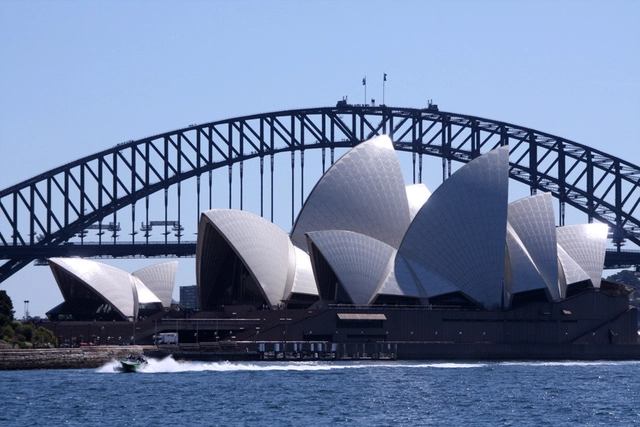
Architecture competitions offer an opportunity for architects to launch their careers, and in some cases generate unexpected designs in the process. Many iconic works of architecture, including the famous Sydney Opera House, were the result of open design competitions - but do architecture competitions today maintain the influence they might have had in the past? While critics in the United States have recently argued that it could be time to quit competitions, Donald Bates argues that Australians should be organizing more. In his article on The Conversation, Bates discusses the state of design competitions in Australia, and why we should take another look. Read the full article here.
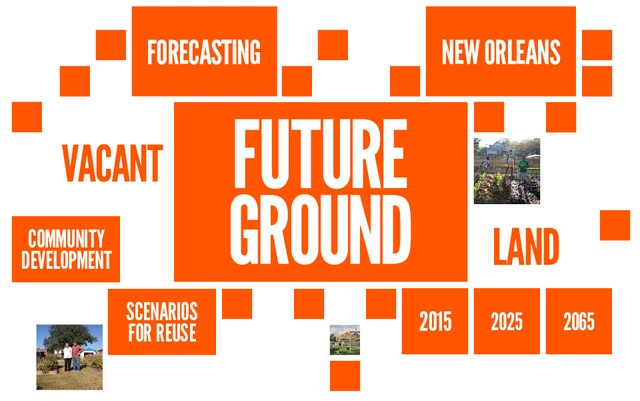
What will New Orleans look like in one year? Ten years? Fifty years? The Future Ground design competition, hosted by the Van Alen Institute, is looking for multidisciplinary teams help shape the city's future by answering these questions. The competition is specifically looking for teams to "generate flexible design and policy strategies to reuse vacant land in New Orleans, transforming abandoned landscapes into resources for the city."
Numerous awards recognize innovative, forward-thinking and environmentally-friendly design, yet there is no way to recognize projects that are harming the environment or detrimental to the planet – until now. Created by Cameron Sinclair, one of the co-founders of Architecture for Humanity and current Executive Director of the Jolie-Pitt Foundation, the recently launched “DEAD Prize” seeks to highlight projects that have a negative impact on the planet, with the aim of inspiring designers to “see these failures as a challenge to create something new, to correct the mistakes of the past or to find the antidote for the project in question.” Tweet your nominations for the prize to @deadprize by November 1 and learn more about this tongue-in-cheek award at the DEAD Prize website.
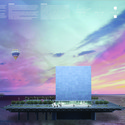
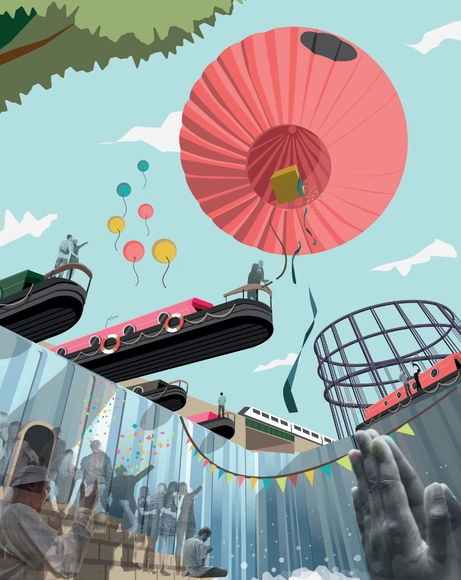
You Are Here / Felicity Barbur and Edward Crooks. Image Courtesy of Combo Competitions
Faith!, the latest ideas-based challenge organised by Combo Competitions, asked participants to design a place of worship in London. In spite of the beguiling simplicity of the title, coupled with a typically open brief, the placed winners and three honourable mentions exhibit a diverse, exciting collection of conceptual drawings and visuals. With an interesting balance of playful interpretations and more grounded proposals, all start to address relevant socio-political issues - such as the mutual acceptance and peaceful co-existence of different religions - in some way. The competition asked participants first and foremost to seek to merge two concepts: religion and knowledge.
After years of rebuilding from the devastating earthquake that hit the city in February 2011, the city of Christchurch in New Zealand has announced an open competition to design a memorial to the 185 people that lost their lives in the tragedy. The $3.5 million memorial will be situated in the city center on the banks of the Ōtākaro-Avon River, and is expected to be "a thoughtfully designed space where small groups or individuals can pay respect to those who died," but will also "comfortably fit a crowd of around 2,000 people" to host an annual memorial gathering, as well as other events.
eVolo Magazine is pleased to invite architects, students, engineers, designers, and artists from around the globe to take part in the eVolo 2015 Skyscraper Competition. Established in 2006, the annual Skyscraper Competition is one of the world’s most prestigious awards for high-rise architecture. It recognizes outstanding ideas that redefine skyscraper design through the implementation of novel technologies, materials, programs, aesthetics, and spatial organizations along with studies on globalization, flexibility, adaptability, and the digital revolution. It is a forum that examines the relationship between the skyscraper and the natural world, the skyscraper and the community, and the skyscraper and the city.
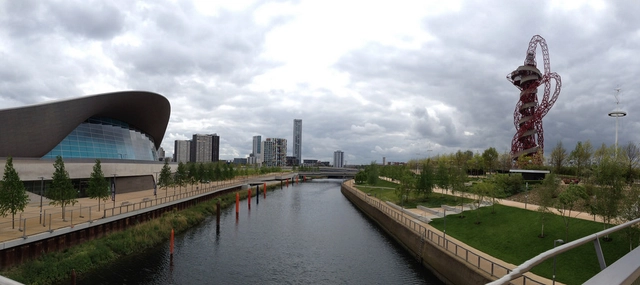
The Mayor of London Boris Johnson has announced a new competition for the designs of a cultural quarter next to the 2012 Olympic park. The site has been dubbed 'Olympicopolis', and so far has expressions of interest from University College London, University of the Arts London, the V&A, Sadler's Wells Theatre and now possibly - according to the Guardian - Washington DC's Smithsonian.
Read on after the break for more details of the competition
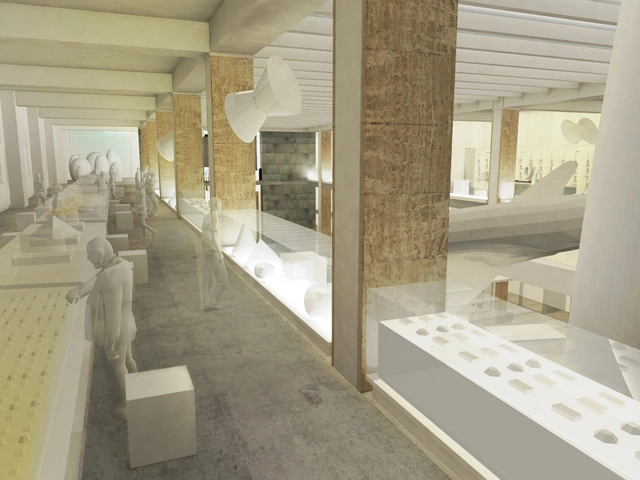
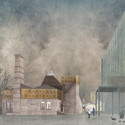
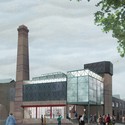
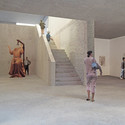
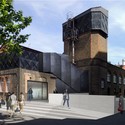
The shortlisted projects in the competition to design a new art gallery for Goldsmiths College at the University of London have been revealed. The project will see a new 400 square metre gallery created in the back of what was formerly a Victorian bath-house, and is now the college's Grade-II listed art studios. Six shortlisted practices were given six weeks to design a gallery which works with the existing industrial structures - including the building's old water tanks.
The designs will now be judged by Goldsmiths' competition jury, a panel which includes David Chipperfield and sculptor Antony Gormley.
Read on after the break for details of all six proposals
The series of earthquakes that began on 4 September 2010 altered the Canterbury landscape and had a huge impact on the people. Now it’s time to create a place to remember.
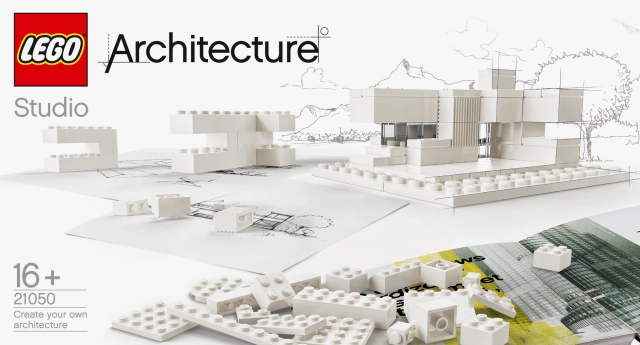
LEGO® Architecture Studio, a new concept of the LEGO Architecture line, makes his appearance in Italy in an innovative context of architecture and music. The LEGO Group chose Italy and the prestigious setting of the Sicilian "Villa Pennisi in Musica" event for the launch of the new set of building blocks.
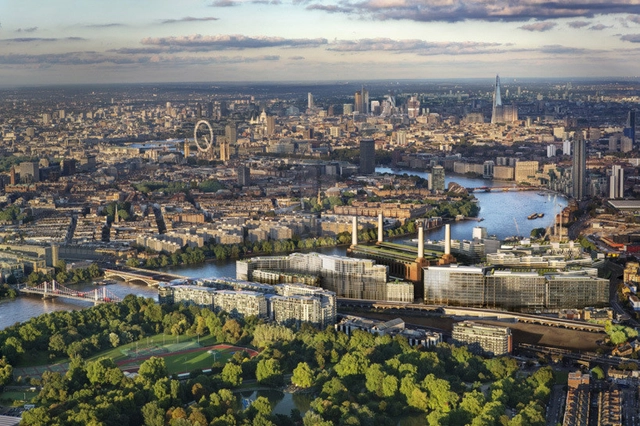
The area of Nine Elms in London. Image Courtesy of Battersea Power Station Development Company
Wandsworth Council has announced that it plans to hold an international design competition for a new pedestrian and cylist bridge across the Thames, connecting Nine Elms on the South of the river to Pimlico on the North. The announcement comes in response to a feasibility study by Transport for London which concluded that a bridge at this location could handle around 9,000 walkers and 9,000 cyclists a day at a construction cost of £40 million.
“NEXT BIG ONE” – an international open ideas competition organized by Architecture for Humanity Vancouver Chapter – raises awareness on the high-magnitude earthquake and tsunami events that plague cities around the world. The competition hopes to call upon the design community to offer fresh perspectives and innovative ideas in designing for disasters.
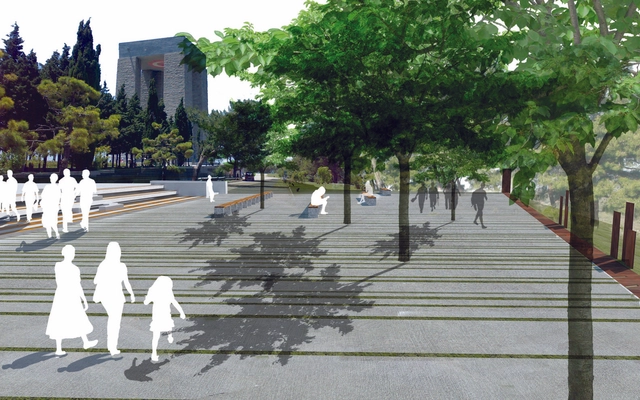
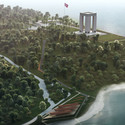
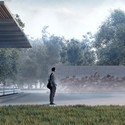
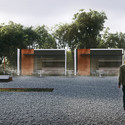
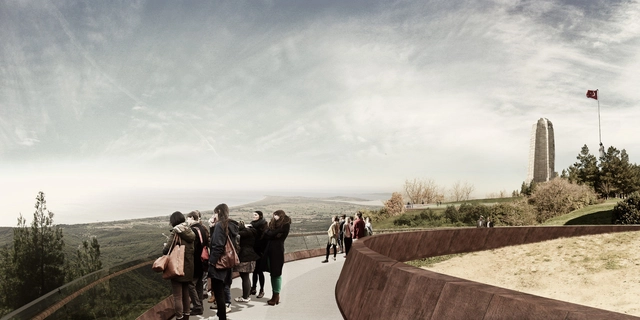
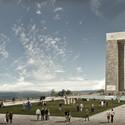
The Gallipoli Peninsula, at the Western end of Turkey, holds a particular significance for the country as the site of a major World War One battle in which the declining Ottoman Empire repelled an attempted invasion by British forces. Today, it is seen as one of the defining moments that contributed to the formation of modern day Turkey, and the site of the battle is commemorated by a national park which includes a series of monuments and memorials at the southern tip of the peninsula.
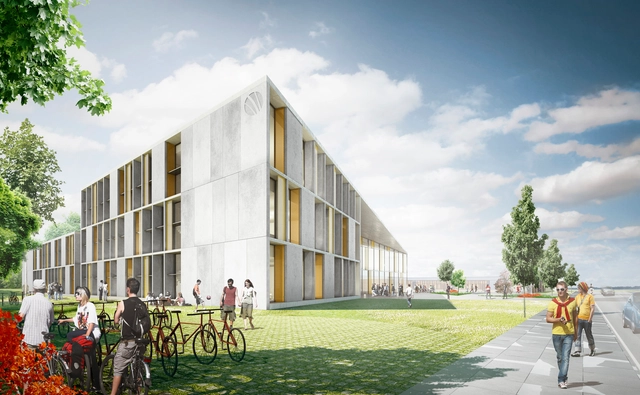
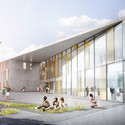
C.F. Møller Architects have won in an invited competition to design a new building for the Herningsholm Vocational School in Herning, Denmark. The new building consists of three angular building volumes, brought together under a single sloping roof, which responds to its context among other buildings on the school's campus by going from three stories on the Southern end to two in the North.
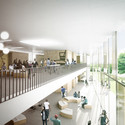
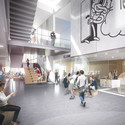
The architects describe the building as being "designed inside-out... as well as outside-in", with a dual focus on providing optimal learning spaces inside but also on providing learning spaces in the three outside areas defined by the building's volume.
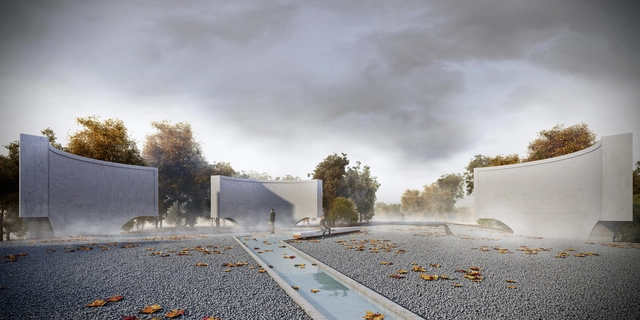
The Gallipoli Peninsula, at the Western end of Turkey, holds a particular significance for the country as the site of a major World War One battle in which the declining Ottoman Empire repelled an attempted invasion by British forces. Today, it is seen as one of the defining moments that contributed to the formation of modern day Turkey, and the site of the battle is commemorated by a national park which includes a series of monuments and memorials at the southern tip of the peninsula.
Aiming to consolidate these sites in to a more coherent whole, the Çanakkale government launched a competition to redesign the area. Today we bring you the second place entry, by ONZ Architects + MDesign + Lola + 24H Architecture. Read on after the break for more on their design.
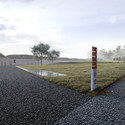
The Gallipoli Peninsula, at the Western end of Turkey, holds a particular significance for the country as the site of a major World War One battle in which the declining Ottoman Empire repelled an attempted invasion by British forces. Today, it is seen as one of the defining moments that contributed to the formation of modern day Turkey, and the site of the battle is commemorated by a national park which includes a series of monuments and memorials at the southern tip of the peninsula.
Aiming to consolidate these sites in to a more coherent whole, the Çanakkale government launched a competition to redesign the area, in which the team led by Özer/Ürger Architects and ON Design came in third place. Read on after the break to find out about their design.
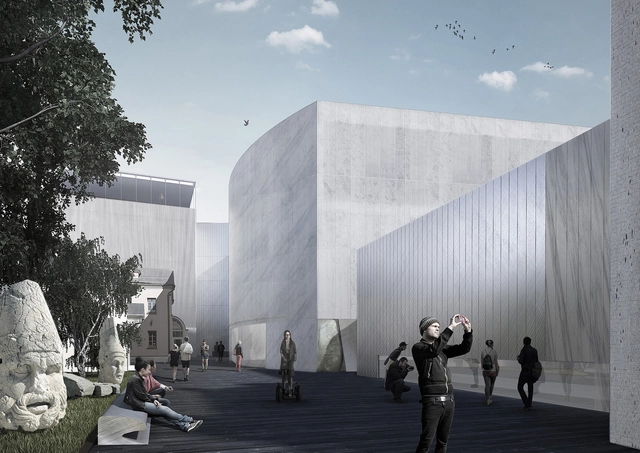
Russian practice Meganom has won a competition to redesign the Pushkin State Museum of Fine Arts in Moscow. Their winning entry seeks to transform the museum complex into a hive of cultural activity, preserving the institution's world-class art collection whilst "actively engaging with the surrounding territory as a potential space for exhibition, dialogue, and communication." The project focuses less on the provision of new areas but rather provides a single unified platform for a series of discordant parts, tying together all the elements of the environment into one cohesive design - "from buildings and monuments to benches and navigation."
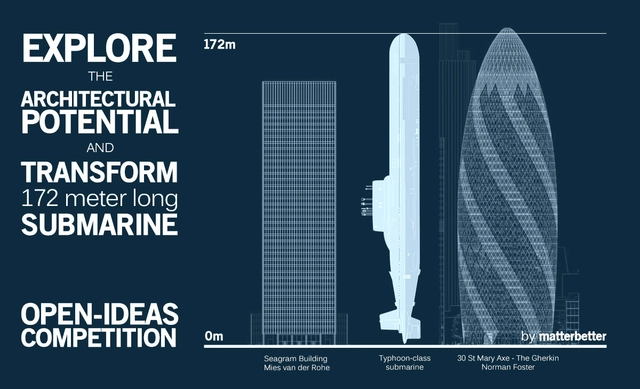
Throughout the entire period of its existence, humankind was developing numerous methods of elimination of each other. And with invention of the nuclear weapons this desire has endangered the being itself. Matterbetter researches how the design community in contemporary world can contribute to making this world a little safer and more friendly.
Matterbetter invites architects and designers to participate in open-ideas competition that aims to explore the architectural potential and transform the biggest nuclear submarine ever built into a peaceful architectural object.