Design Students Create a Tool to Map Slums

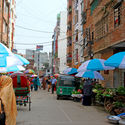
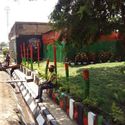
Shop in Heliopolis © Frank van Leersum via Flickr

Meagan Durlak and James Frankis, both students studying Transdisciplinary Design at Parsons New School for Design, have developed a mobile mapping tool to unveil the true dynamics of informal slum communities, as revealed by Metropolis Magazine.

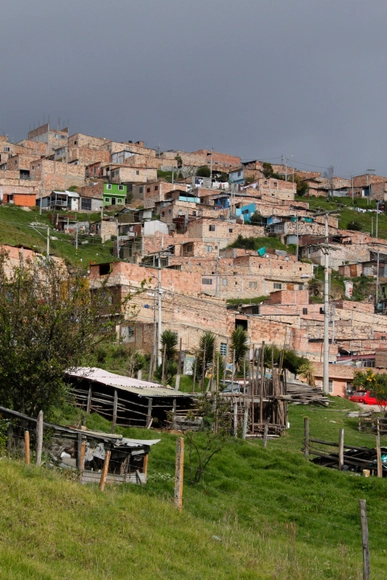
The system, called Mark, is being tested in the Heliopolis favela of Sao Paulo, Brazil, after which the duo hope it will be “scalable and adaptable” enough to be applied to other informal settlements all over the world. The SMS-based tool is designed not only to provide information about the settlements to external organizations, but also to be a sharing platform for the residents who become cartographers of their own neighborhood.

Read about the motivation behind the Mark project after the break

Infographic: Life Inside The Kowloon Walled City

Courtesy of South Morning Post

It has been twenty years since the demolition of the Kowloon Walled City. To mark this, the South China Morning Post has created an info-graphic that details the facts and figures of what life was like inside this architectural oddity. 

Read more about the madness that was KWC after the break…

Slum Rehabilitation Promise to Mumbai’s 20 Million

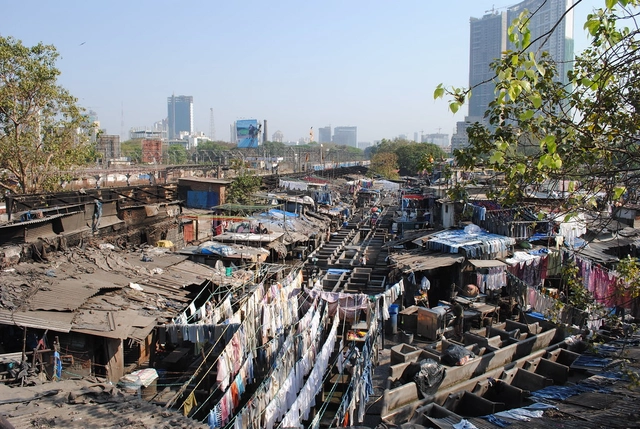
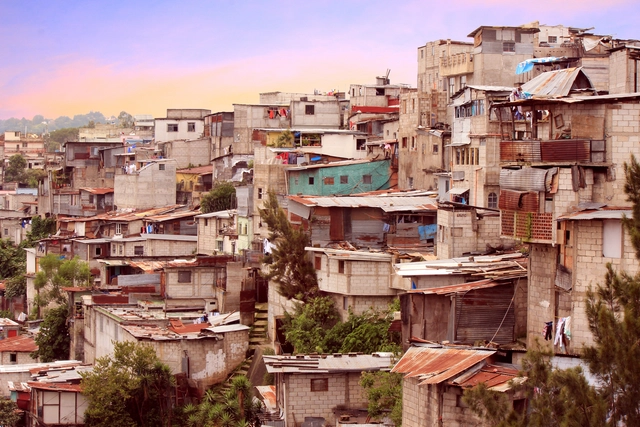
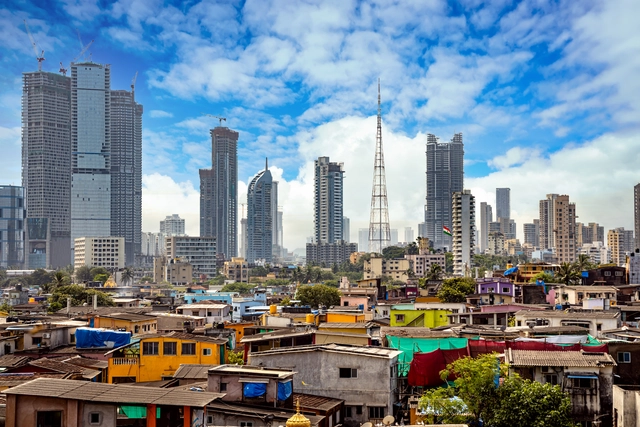
Aerial View of Mumbai; Courtesy of Flickr User Cactus Bones; Licensed via Creative Commons

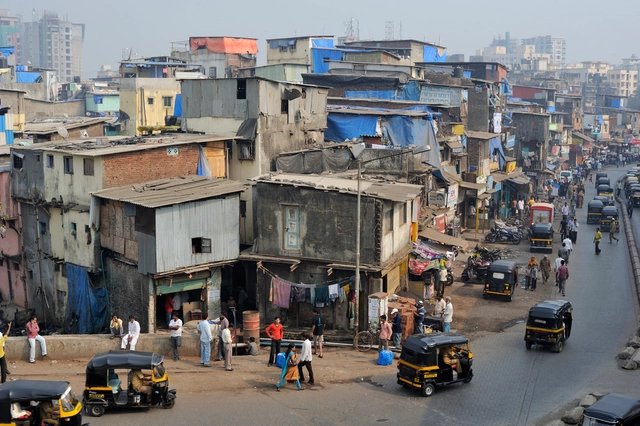
, shanty-towns, favelas - they are all products of an exploding migration from rural to urban areas.  Over the last half century, people living in or near metropolises has risen in proportion to the global population.  Migrations from rural areas to urban areas have grown exponentially as cities have developed into hubs of economic activity and job growth promising new opportunities for social mobility and education.  Yet, with all these perceptions holding fast, many people who choose to migrate find themselves in the difficult circumstances of integrating into an environment without the proper resources to accommodate the growing population.  Cities, for example, like Mumbai, India’s largest city and 11th on the list as of 2012 with a population of an estimated 20.5 million.  According to a New York Times article from 2011, about 60% of that number live in the makeshift dwellings that now occupy lucrative land for Mumbai’s developers.

More to come after the break.