How to visualize architectural concepts in SketchUp using D5 Lite for faster design exploration.
How to visualize architectural concepts in SketchUp using D5 Lite for faster design exploration.


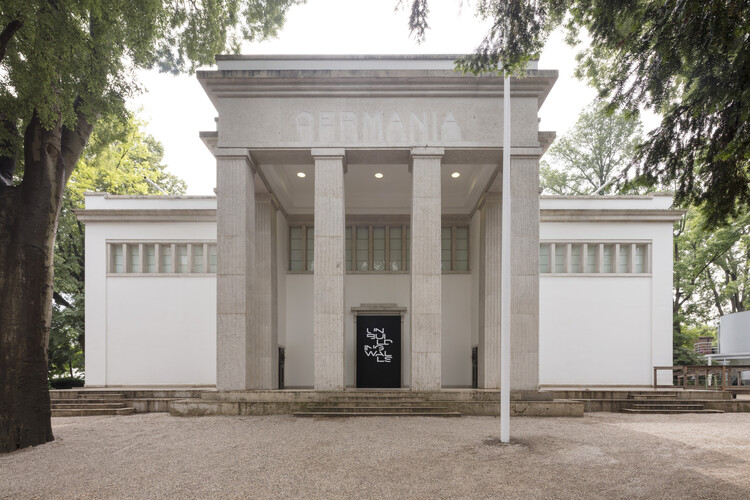
The German Federal Ministry for Housing, Urban Development and Building has appointed Kawahara Krause Architects, Andres Lepik, and Olga Cobuscean as curators for the German Pavilion at the 20th International Architecture Exhibition — La Biennale di Venezia 2027. The exhibition is titled "CONVIVERE — A Repertoire of Living Together" and turns visitors' attention to the in-between spaces of housing: the threshold, the stairwell, the courtyard, the space in front of the door. The curatorial argument starts from a diagnosis of today's growing social isolation, political polarization, and increasing pressure to build more and faster, and uses these spaces, where everyday coexistence begins, to ask how architecture can contribute to the foundations of democracy.

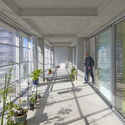
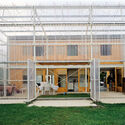
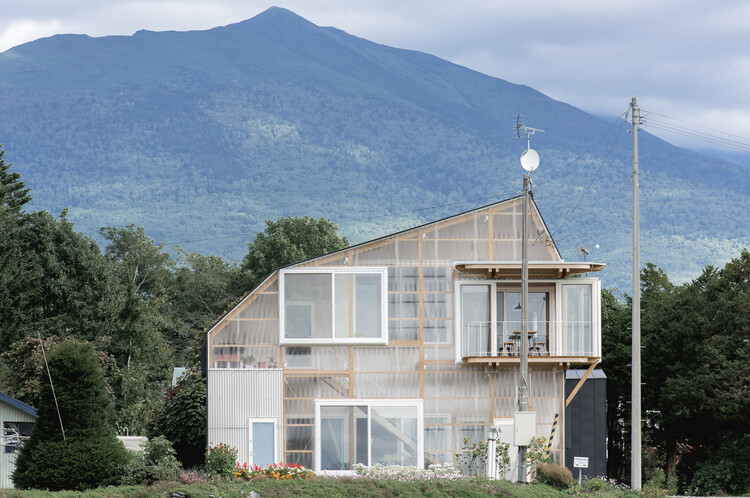
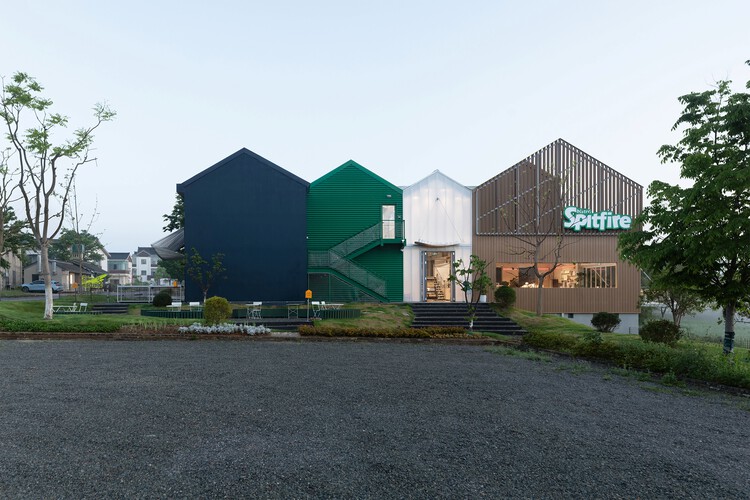
A greenhouse is a building designed to create one climate inside another. By controlling sunlight, heat, and ventilation through its enclosure, it produces conditions that differ from those outside. Traditionally, that controlled environment was designed around plants. In housing, the same principle is increasingly being used to shape spaces for people.
Bringing greenhouse construction into a house offers more than additional enclosure. It can create sheltered spaces without conditioning them like conventional interior rooms, capture solar heat when it is useful, provide ventilation when temperatures rise, and extend the periods of the year when certain areas of the home remain comfortable to occupy.




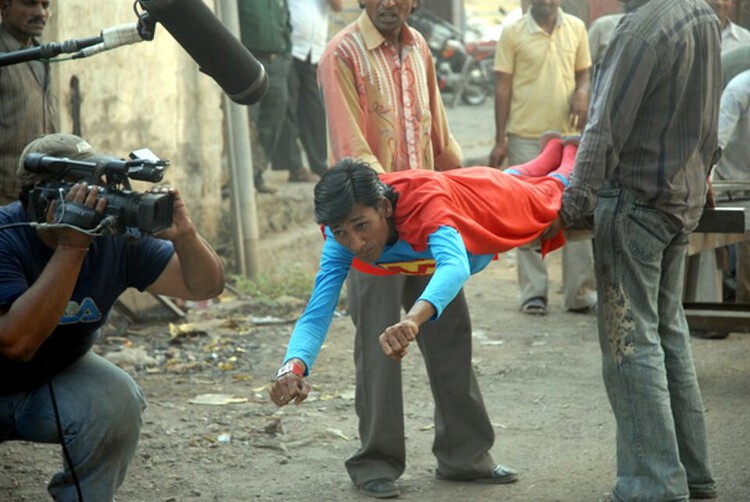
Some of India's most convincing architectural worlds have never existed outside a film set. Courtyards, palaces, streets and even entire neighbourhoods have been constructed, lit and framed for the camera, then dismantled when filming ends. Their images remain. For millions of viewers, these spaces become references for how cities look, how wealth is displayed and how particular neighbourhoods or versions of India are remembered. Cinema constructs spatial worlds, compressing complex histories into images that audiences can recognise almost instantly. Those images can later shape how physical places are understood.