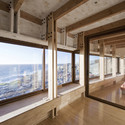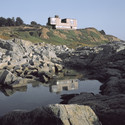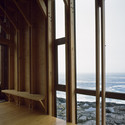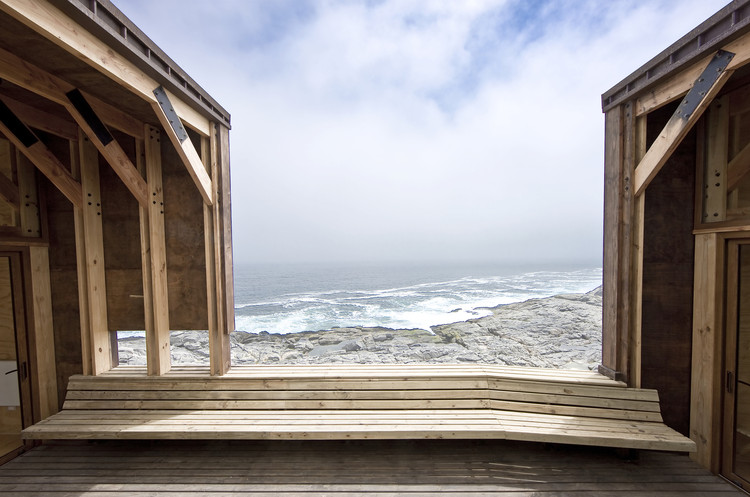
-
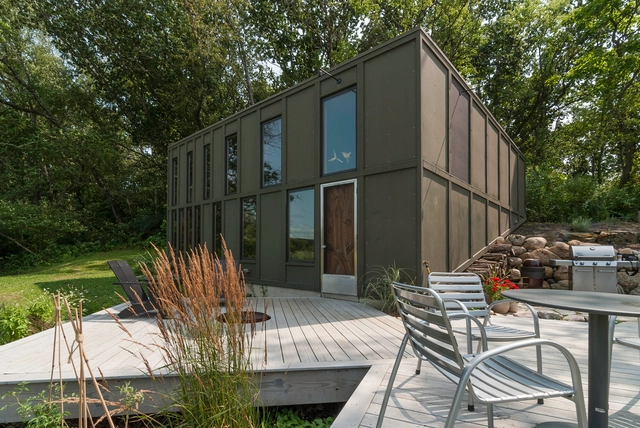
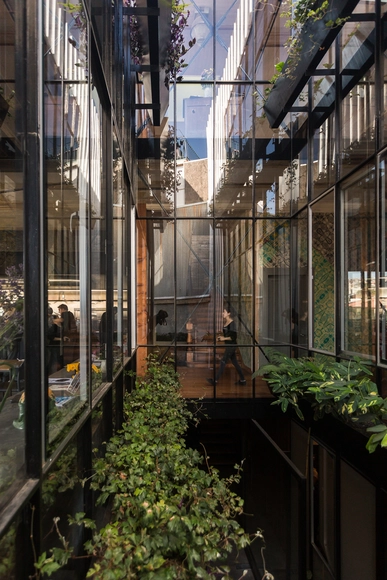
Architects: Bamesberger Architecture
- Area: 960 ft²
- Year: 2014
-
Manufacturers: Benjamin Moore, James Hardie, Marvin


This article, written by Svetlana Kondratyeva and translated by Olga Baltsatu for Strelka Magazine, examines the most interesting cases of the role of culture in sustainable urban development based on the UNESCO report.
UNESCO published the Global Report on Culture for Sustainable Urban Development in the fall of 2016. Two UN events stimulated its creation: a document entitled Transforming our World: the 2030 Agenda for Sustainable Development, which emphasizes seventeen global goals for future international collaboration, was signed in September of 2015 at the Summit in New York. Habitat III, the conference held once in twenty years and dedicated to housing and sustainable urban development, took place in Ecuador in October of 2016. The question of culture’s role in urban development, and what problems it can solve, was raised at both events. To answer it, UNESCO summarized global experience and included successful cases of landscaping, cultural politics, events, and initiatives from different corners of the world in the report.


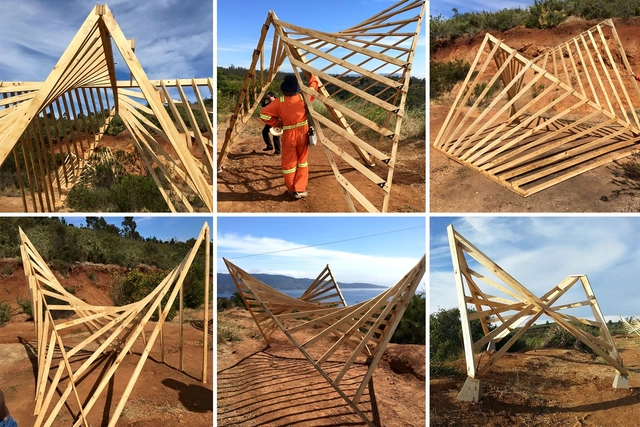
At the UTFSM in Valparaíso, Chile, architect Verónica Arcos developed a first-year studio centered around the theme of "materiality."
Based on an application of math and geometry in the study of Mexican architect Félix Candela's work, the workshop sought to "put form in crisis and take it to its maximum expression."

.jpg?1445987372&format=webp&width=640&height=580)


How do you compare cities? It's difficult to collapse millions of individual subjective experiences into a single method of comparison, but one popular technique used in recent years has been to judge a city's "livability." But what does this word actually mean? In their 2015 ranking of the world's most livable cities, Metropolis Magazine has gathered together a group of experts on city planning, urban life, tourism and architecture to break down "livability" into the categories they think matter and draw upon Metropolis' considerable urban coverage to produce one of the most thorough attempts to rank world series yet attempted. Find out the results after the break.


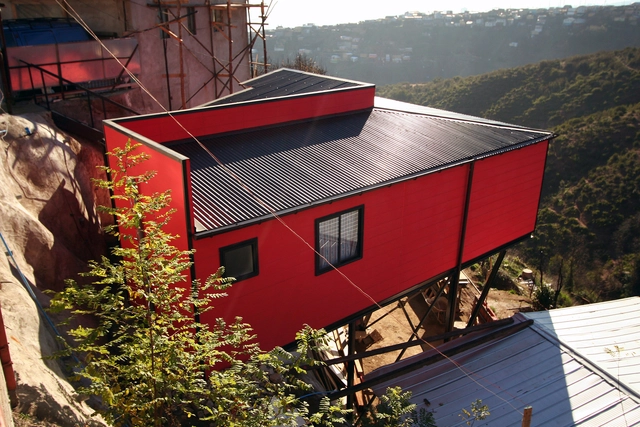
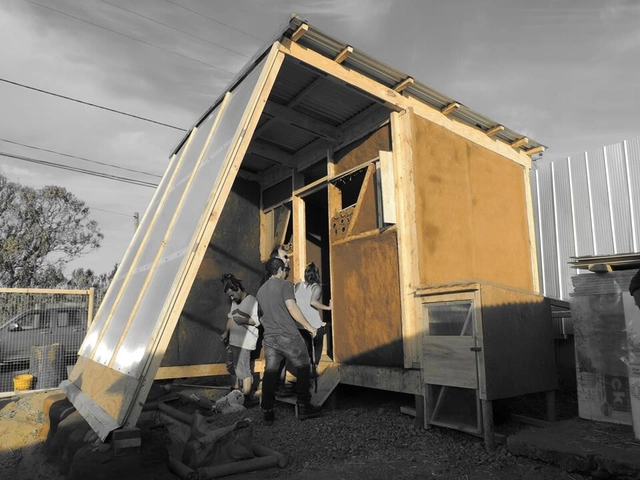
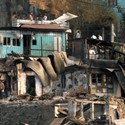
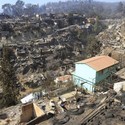
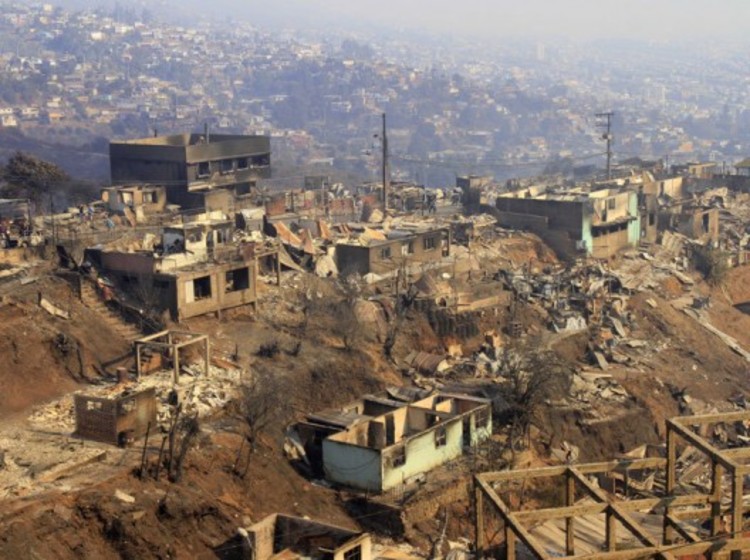
After the fire this past April in Valparaíso, Chile, a group of young architects went to the port city to develop a reconstruction project based on energy efficiency, recycled materials, and adaptability to Valparaíso's topographic context.
The Minga Valpo project has not only achieved these objectives, but it has also allowed families to help build their own houses. In a mere three months, Minga Valpo has already built three houses.

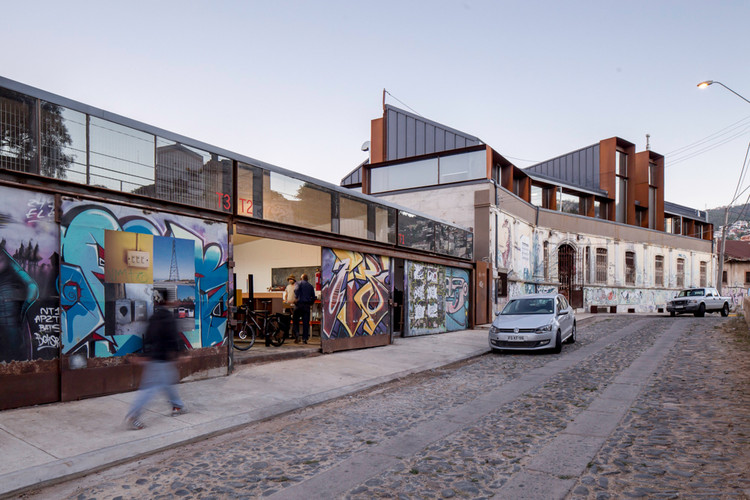
For those unfamiliar with Valparaíso, allow me to inform you: this city is a treasure. The UNESCO World Heritage site and cultural capital of Chile is defined by its winding paths, happily graffitied streets, antiquated funiculars, and - above all - its colorful, tightly-packed hills. And because of its precarious density, the city was brought to its knees by vicious forest fires this past weekend, fires which quickly spread and consumed 2,500 acres, displacing over 12,500 people whose homes were destroyed.
The hills where the fires hit hardest are similar to Brazilian favelas - inhabited by informal residents who have little to no access to infrastructure and who constructed their homes themselves, illegally, and - as the fires have proven - rather perilously.
The response of the Chilean government so far has been to suggest bulldozing and building again in “a more orderly manner.” To do so, the government has intimated that it will expropriate land and relocate citizens to safer sites.
Parque Cultural de Valparaiso [PCdV] from Estudio Palma on Vimeo.
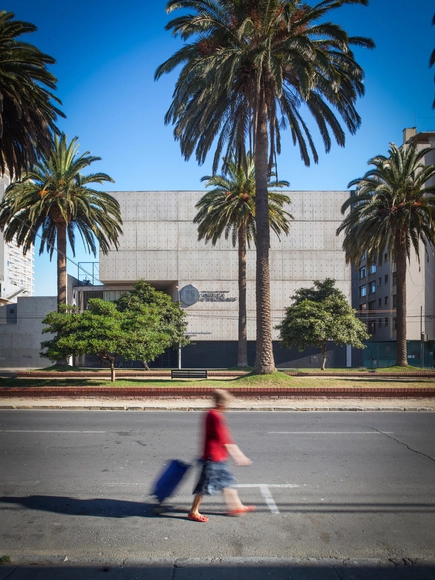
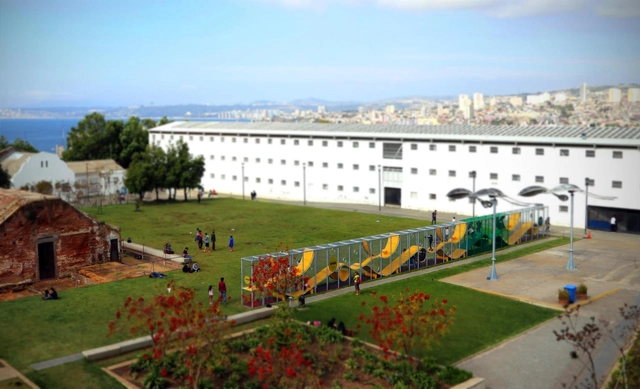
Winner of an international competition in 2009 after the rejection of a proposal from brazilian architect Oscar Niemeyer, the Valparaíso Cultural Center designed by HLPS arquitectos was finished last year with an impressive result. Today we have this great video Cristobal Palma just shared with us, shot a couple of months ago.

Architects: Nicolás del Rio + Max Núñez Location: Quintero, Valparaíso Region, Chile Architect In Charge: Nicolás del Rio, Max Núñez Project Year: 2009 Project Area: 150 sqm Photographs: Erieta Attali, Felipe Camus, Sergio Pirrone