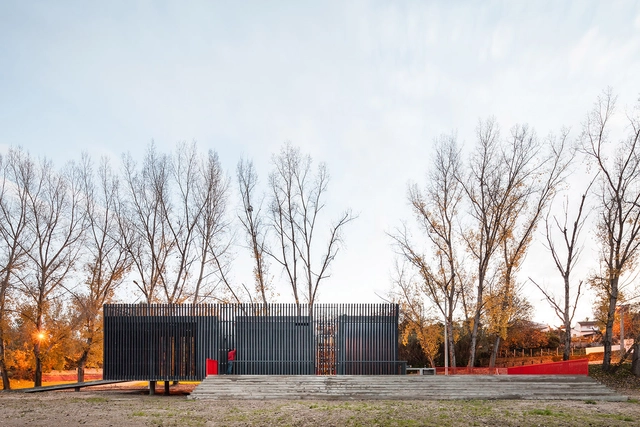
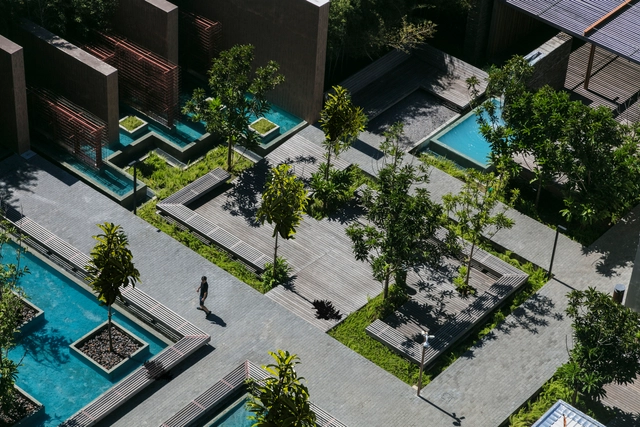
"Landscaping is the only artistic expression that includes all five human senses," says Benedito Abbud in his book Creating Landscapes – a guide to Working in Landscape Architecture. While architecture works mainly with sight and touch, landscaping also embraces smell, hearing and taste, "which provides a rich sensorial experience, by combining the most diverse and full perception experiences. The more a garden can sharpen all the senses, the better it fulfills its role."
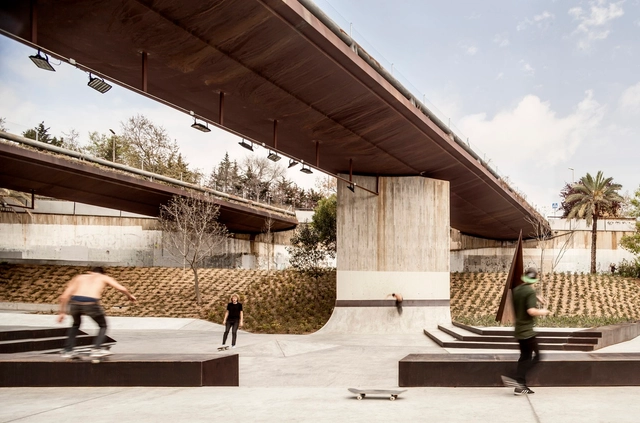
Skateboarding is its own urban experience. As interactive public spaces and tactile surfaces, skate parks have slowly begun to shape the way we think about urban design. Beyond the boundary of parks themselves, skaters look at the architecture of the built environment outside of its intended purpose, and in turn, are rethinking how we gather, move around, and reimagine the future of urban life.
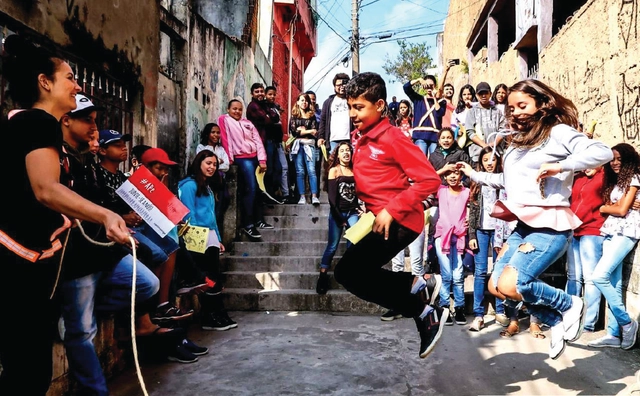
Mind the Step - Jardim Nakamura, São Paulo, Brazil. Image Courtesy of UN-Habitat
The Un-Habitat or the United Nations agency for human settlements and sustainable urban development, whose primary focus is to deal with the challenges of rapid urbanization, has been developing innovative approaches in the urban design field, centered on the active participation of the community. ArchDaily has teamed up with UN-Habitat to bring you weekly news, article, and interviews that highlight this work, with content straight from the source, developed by our editors.
Discover in this feature the first lesson to learn from UN-Habitat, on how to design with and for the people. In order to create great public spaces, the only secret is listening to the community. Questioning “how can we design together”, this article presents cases in Ghana, Brazil, and India, focusing on street, market, and open public spaces implementation projects, where interventions took on participatory approaches and involved local residents from the beginning of the process.
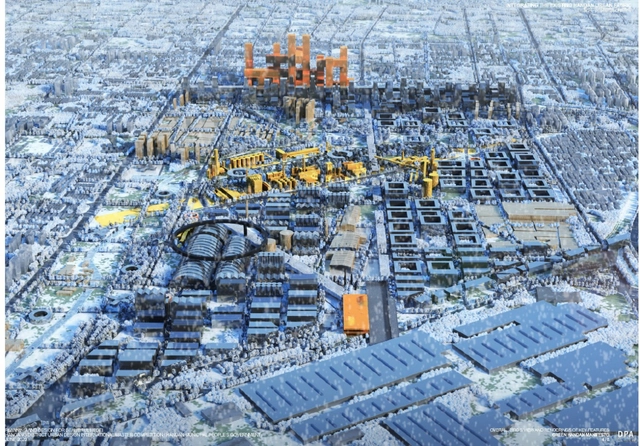
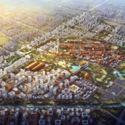
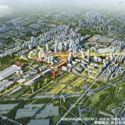
Dominique Perrault Architecture - The City of Tomorrow. Image Courtesy of Hangang District Urban Design International Master Competition
Dominique Perrault’s proposal has won “the transformation and revival of industrial heritages” or the Hangang district urban design international competition, in Handan, China. Six teams from world-renowned architectural firms, including Coop Himmelb(l)au and UNStudio Team, were invited to participate in the contest and envision the future of the city, through their creative designs.
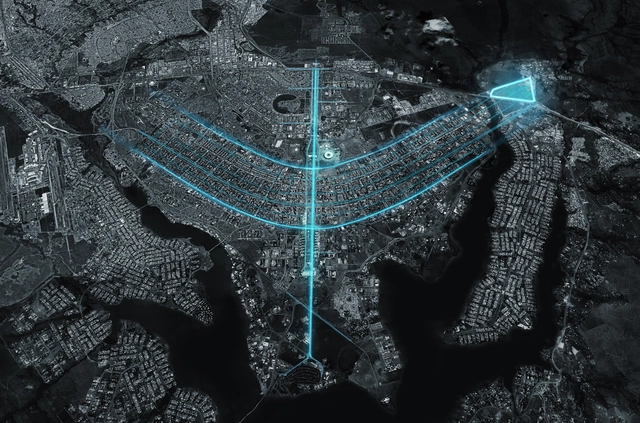
CRA - Carlo Ratti Associati has unveiled a major extension for Brazilia, reinterpreting “Lúcio Costa and Oscar Niemeyer’s modernist master plan for Biotic - a high-tech innovation district immersed in nature”. Developed in collaboration with Ernst&Young, the project that started in 2018 reimagines primarily the superblocks.
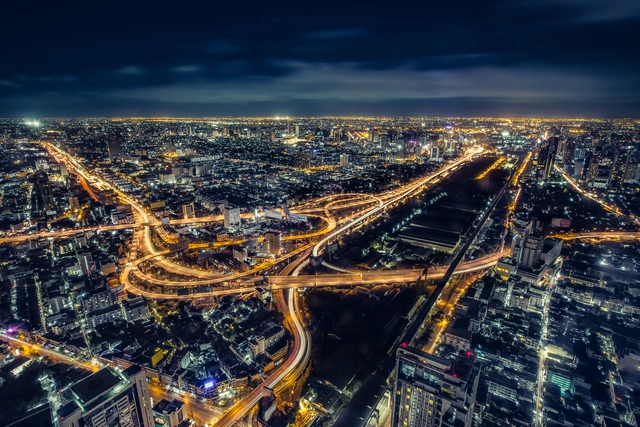
Our cities, vulnerable by nature and design, have generated the biggest challenge that humankind has to face. With the vast majority of the population expected to settle in urban agglomerations, rapid urbanization is going to raise the issue of adaptability with future social, environmental, technological and economic transformations.
In fact, the main problematic of the decade questions how our cities will cope with fast-changing factors. It also looks into the main aspects to consider in order to ensure long-term growth. In this article, we highlight major points that help future-proof our cities and create a livable, inclusive and competitive fabric that adapts to any unexpected future transformation.
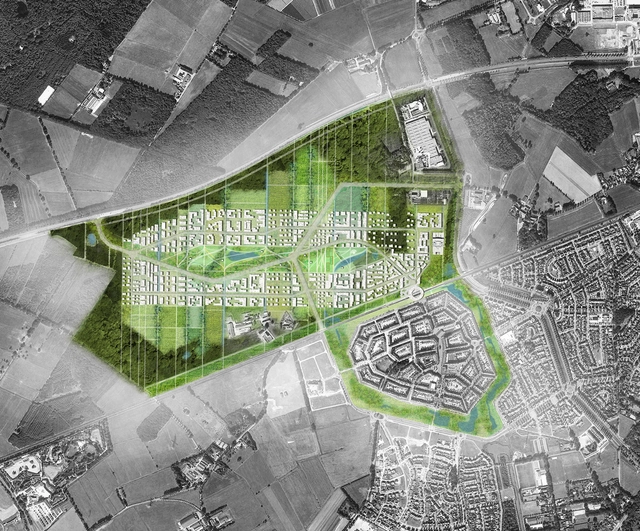
Brainport Smart District, Helmond, NL. . Image Courtesy of UNStudio
By 2025, Frost and Sullivan, a market research company, has predicted that there will be at least 26 fully-fledged major smart cities around the world. While some still think that as our cities get more intelligent, they will resemble sci-fi futuristic movies, the reality is that the quality of life in these cities will drastically improve. Cities are set to become more efficient with better services. Nevertheless, before reaching these ideals, let us go back on the process itself, and evaluate the challenges that we might face.
Because the concept of smart cities is still very new, with rare finalized and implemented projects, the topic is still unclear. Although big titles and strategies are well defined, the on-ground application is still uncertain, giving us the opportunity to question its planning process. In fact, how can we go wrong when designing smart cities? What key element are we failing to address in the planning phase?
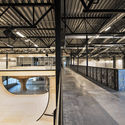
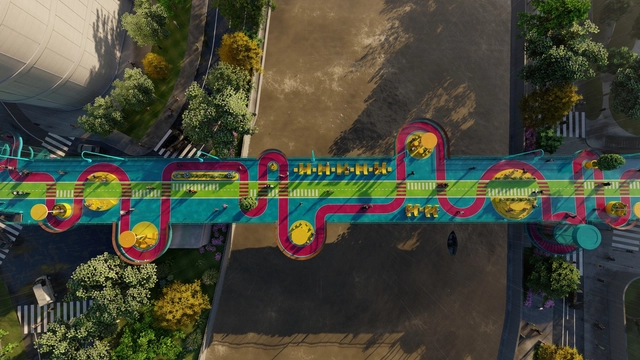
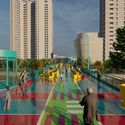
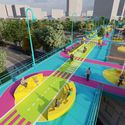
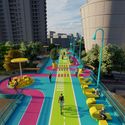
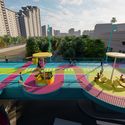
100architects has designed a proposal that regenerates the Puji Road pedestrian bridge in Shanghai, China. Entitled High Loop, the proposal reimagines the 1-kilometer elevated platform, adding playfulness and color to the city, without transforming the structure.
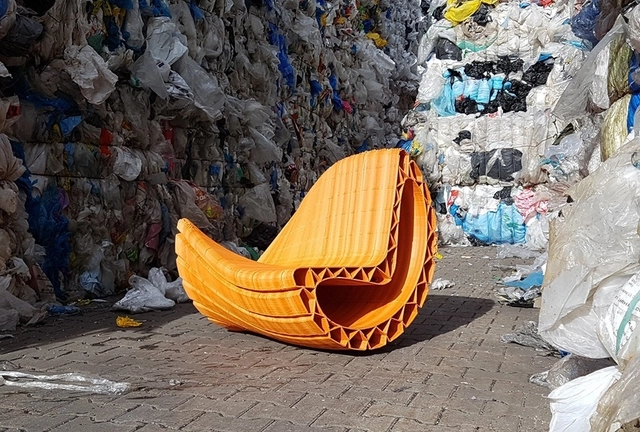
Recycling has long been an entry point into sustainable design. It's personal, achieved at a micro scale where individuals can reduce waste and preserve energy. But between resource shortages, environmental habitat loss and the global climate crisis, there has been a shift in daily practices towards more circular thinking. Increasingly, the need to sustain life is part of a continuous process of production, resorption, and recycling where waste becomes the input for production.
The National Association of City Transportation Officials (NACTO) has released guidelines to provide cities with strategies “to redesign and adapt their streets for new uses both during the COVID-19 crisis and in the recovery”. Streets for Pandemic Response and Recovery highlights the most updated street design approaches cities are using, around the world.
Stefano Boeri Architetti has unveiled its recent scheme for Tirana Riverside, in the Albanian capital. Tackling post-COVID 19 needs, the imagined neighbourhood, a first of its kind in Europe, is a technologically-advanced, green and sustainable novelty, designed in agreement with the Government and the City Authorities.
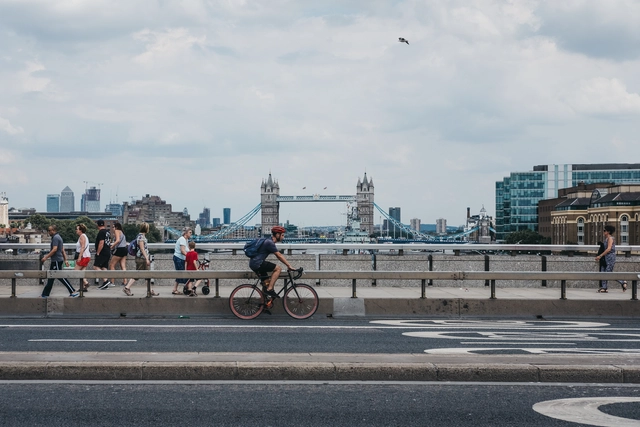
Cyclist and pedestrians on London Bridge, London, UK, River Thames and Tower Bridge on the background. Image via Shutterstock/ By Alena Veasey
After Milan and Paris, London has announced its plans to transform large areas in the city, converting streets to car-free zones, as the coronavirus lockdown loosens up. Repurposing the city for people, London aims to emerge differently from the pandemic, supporting a low-carbon and sustainable recovery. Works have already started and are expected to be completed within six weeks.
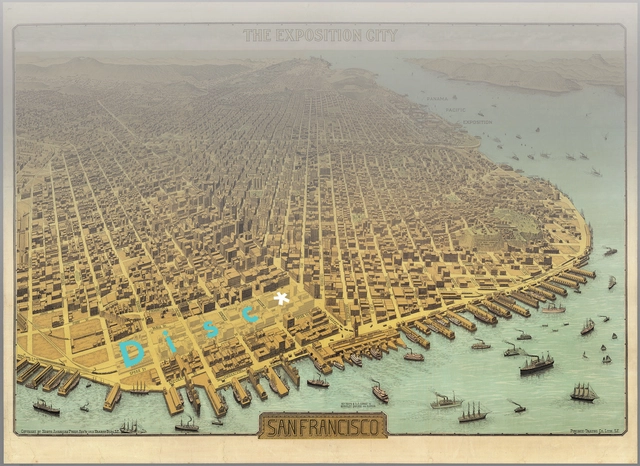
Disc*2020 (Design & Innovation for Sustainable Cities) is a five week summer program for currently enrolled college students that explores an interdisciplinary and multi-scalar approach to design and analysis in the urban environment.
The Intimate City hosts Dining in the Urban, a design competition that offers the opportunity to explore domestic rituals in Skopje's public realm. The brief uses the knowledge gained from domestic rituals to expose the current social and physical forms, unveiling the boundaries between the public, communal, and private within the city. Aiming to reveal social and physical latency the brief is an experiment that acknowledges form as a social commitment in order to mediate the tension in the city.
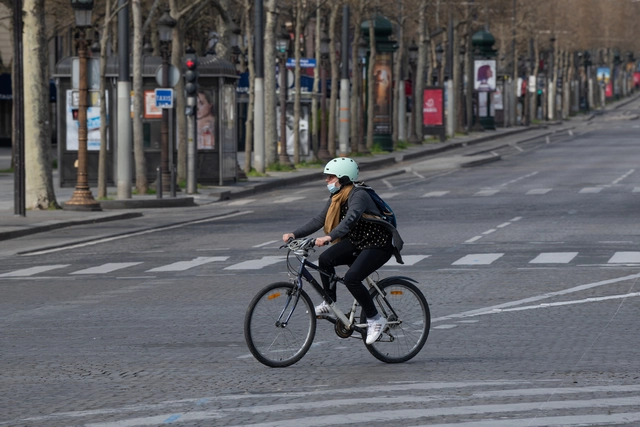
PARIS, FRANCE March 22th 2020 : The Cyclist with medical mask on Champs Elysées empty during the period of containment measures due to the Covid-19 Coronavirus. Image via Shutterstock/ By Frederic Legrand - COMEO
Paris, just like Milan, is planning on keeping its streets car-free after the coronavirus lockdown. Mayor Anne Hidalgo announced plans to maintain the anti-pollution and anti-congestion measures introduced during the confinement period, as the city reopens.
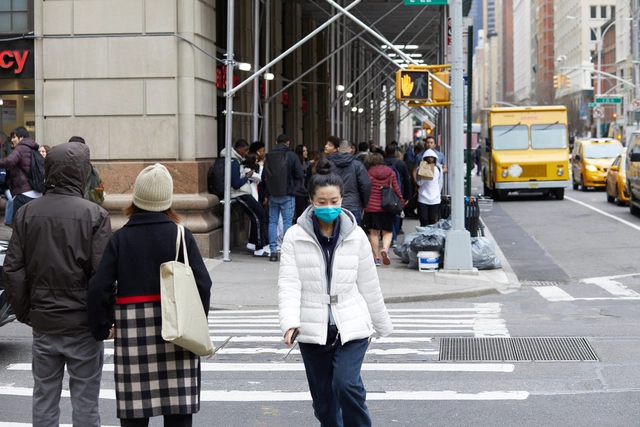
New York, NY / USA - March 12, 2020. Image via Shutterstock/ By hector de jesus
As social distancing becomes the new norm in the fight against COVID-19, people are finding it harder to keep up with the six-foot rule in dense cities. Urban Planner Meli Harvey developed a map of New York that shows the width of sidewalks in the city, aiming to highlight public areas where social distancing can be maintained.
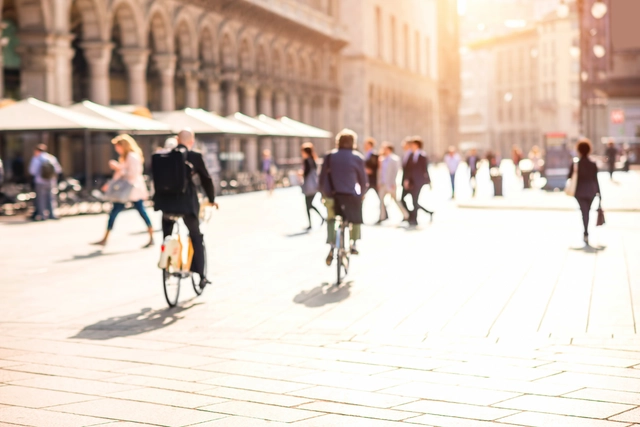
The city of Milan has announced its Strade Aperte plan or “Open streets” plan that favors pedestrians and cyclists over cars. In order to reduce car usage, the Lombardy area will repurpose 35km of roads, over the summer, after the coronavirus lockdown, transforming them into people-friendly streets.














.jpg?1591114518&format=webp&width=640&height=580)