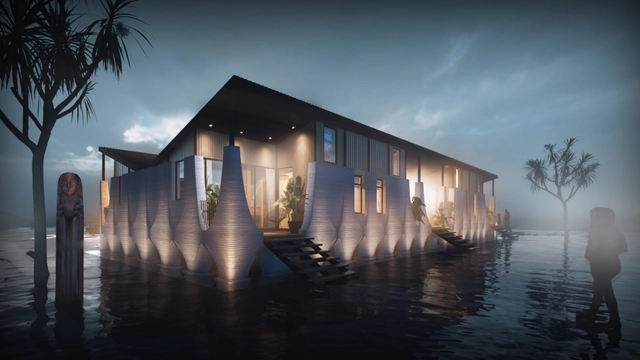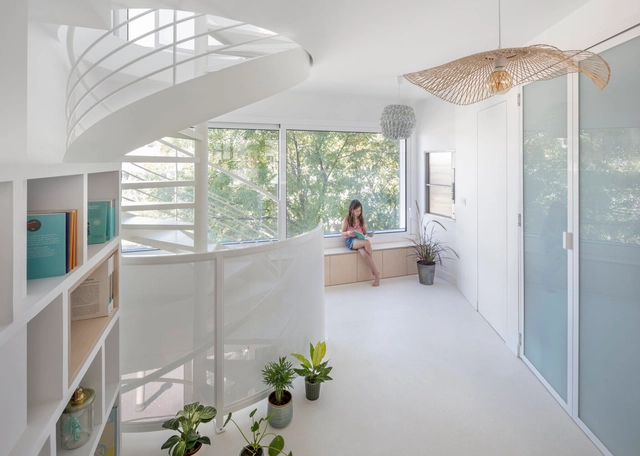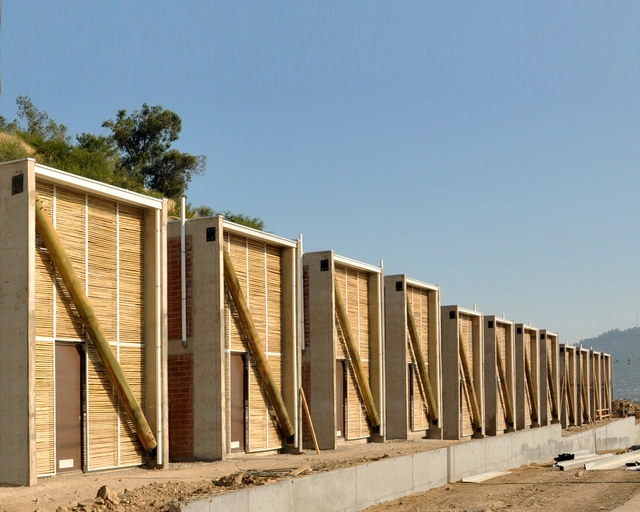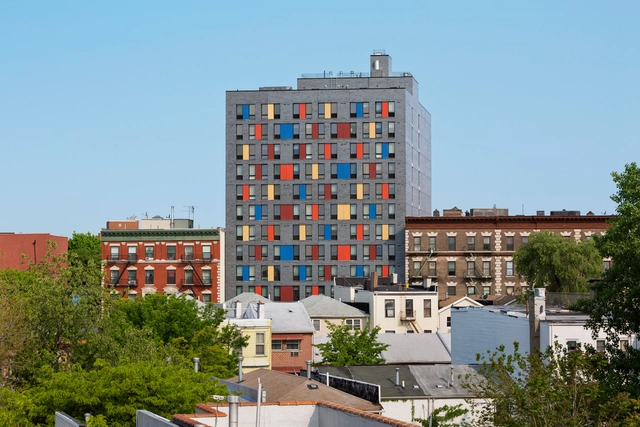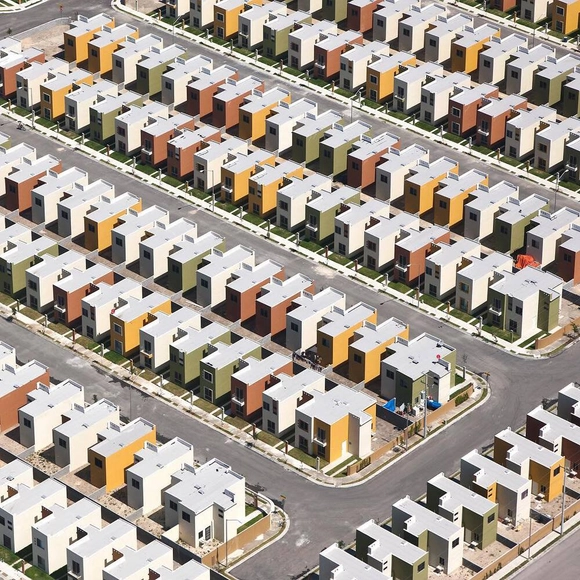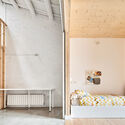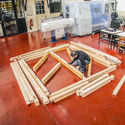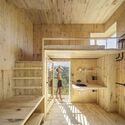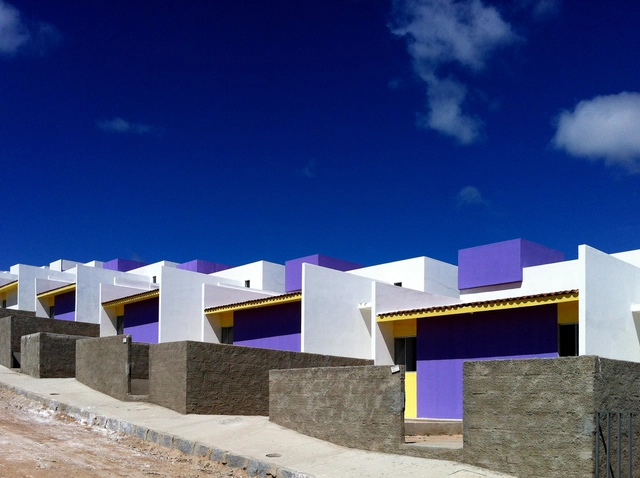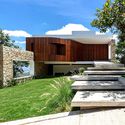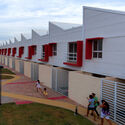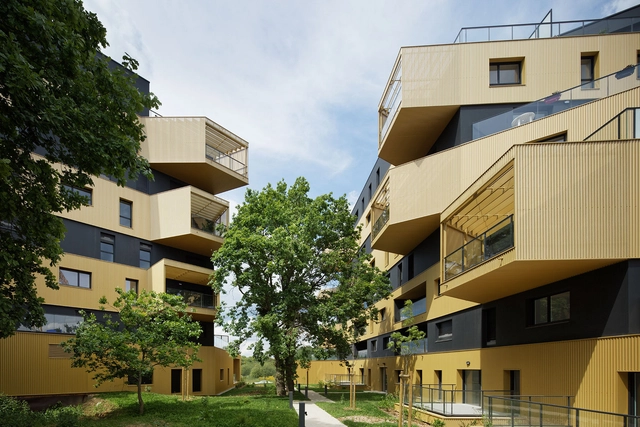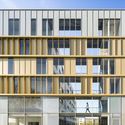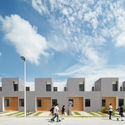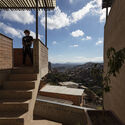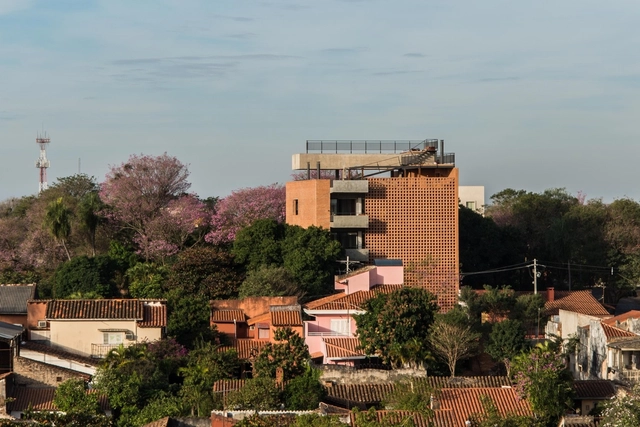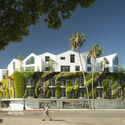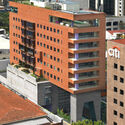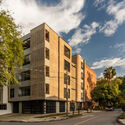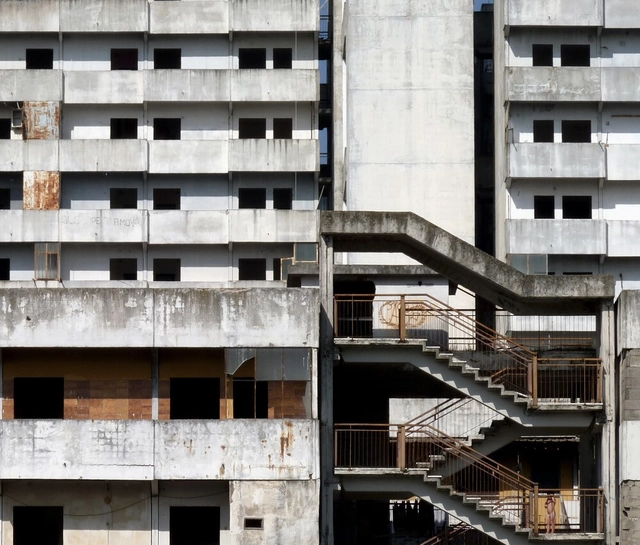
Housing will always be a theme and challenge for architects. Thinking about it in a way that serves the entire population, including the most precarious contexts, is one of the most complex, and perhaps impossible, tasks to be fully consolidated. Each place and family will always place different priority points on a project, which is why resorting to a standard solution is not ideal. However, several proposals present intervention possibilities that create an intricate seam between the most different factors: basic infrastructure, program, self desires, aesthetics, budget. For this reason, we have gathered here some Brazilian examples of affordable housing, ranging from a single-family house to large residential blocks.
The end of the 19th century in the Americas is marked by a wave of historical disputes and political transformations that have as a backdrop the search for a national identity. The period records a series of conflicts and disputes for the independence of what we now know as sovereign countries and republics. In this context, the Pan-American or Spanish-American movements emerged, which, despite having different political influences, aimed at the unification of all the territories of the American continent.
In New Mexico, irrigation channels that have been in continuous operation for three centuries replenish and nourish the wetlands of the American Southwest. These channels are known as Acequias – communally managed water systems built on democratic tradition. Members of the community own water rights, who then elect a three-person team to oversee the channels. In Cairo and Barcelona, Tahrir Square and Plaza de Catalunya have acted as important sites for voicing political dissatisfaction. The Tahrir Square protests of 2011, for instance, resulted in the eventual toppling of an almost 30-year-old government.
The security and dignity of a good-quality home is one of the most important and liberating qualities in society. For people experiencing financial or social pressures, many countries offer some form of public or social housing system. While there is no fixed definition for social housing, it often involves the design, construction, and allocation of housing by government authorities, or non-profit organizations.
Just as social housing systems differ throughout the world, so too does the architecture of social housing. A government’s outlook or priorities for social housing provision, which can differ between capacity, cost, sustainability, or urban regeneration, all contribute to unique responses by architects and designers. Below, we identify six systems from countries around the world, complete with architectural examples.
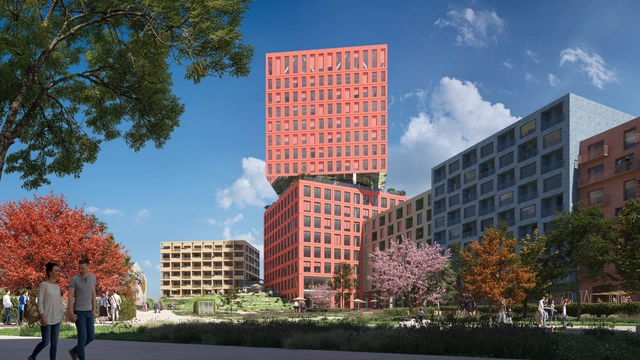
Seven years after the inauguration of Bosco Verticale in Milan, Stefano Boeri Architetti presented a video documentary of Trudo Tower, the first Vertical Forest in social housing. The 19-storey residential tower, which is built in Eindhoven, The Netherlands, features hundreds of various species on each of its four facades, with 125 affordable apartments that accommodate low-income residents. The miniseries consists of 3 episodes that explore how "living in contact with trees and greenery - and enjoying their advantages - is not the prerogative of rich people but could well become a possible choice for millions of citizens around the world.”
MAIO is currently building a five-story building with 40 social housing units in the Sant Feliu de Llobregat district, Barcelona. The project design urban connectivity, social equity, and sustainability. As the winner of a two-phase competition, the building will house hierarchyless, generic, flexible spaces to fit the inhabitants' needs.
“Designing a house for trees”, as he puts it, Stefano Boeri is working across the planet, exporting his approach with trees from Mexico to Shenzhen. Building a whole ecosystem, rather than just a green facade, the architect understands the need to redefine our relationship with nature, especially in cities.
ArchDaily’s Christele Harrouk had the chance to interview the architect in Eindhoven, during the inauguration of the Trudo Tower, Stefano Boeri’s first social housing project, in collaboration with Francesca Cesa Bianchi, his partner at Stefano Boeri Architetti, Laura Gatti, botanist and plantation consultant, and Paolo Russo, Project leader. Discussing mainly his approach with nature, the environmental quality, and his exported perspective around the world, the conversation also tackled the 4 ongoing vertical forests in West Europe: A first that has just started in Utrecht, a second in Brussels, a ready to go building in Eindhoven and a last one in Antwerp.
Following the Second World War, United States veterans and citizens were seeking a fresh start, a rightful place to live out their modern American dream. With a significant housing shortage looming around and fast-growing families, solutions had to be found to provide equitable living means for all. The development of new construction techniques and propagation of easy building materials promised an age of prosperity.
https://www.archdaily.com/969231/the-evolution-of-the-house-plan-in-the-united-states-post-war-eraAgustina Coulleri, Hana Abdel & Clara Ott
Longnan Garden Social Housing Estate / Atelier GOM. Image Courtesy of Atelier GOM
Saskia Sassen, the Robert S. Lynd Professor of Sociology at Columbia University, predicts in her co-authored book “The Quito Papers and the New Urban Agenda” that, in the future cities will become our crucial battlefield as we continue to fight against gentrification and growing degree of isolation in our communities. Sassen argues that, “Cities should be an inclusive space for both the affluent and the poor. Nevertheless, in reality our cities never achieved equality for all, because our cities were never designed that way. Still cities ought not to be a place that tolerates inequality or injustice”.
San Francisco is a city defined by its relationship to housing. Since the 90s it has faced an affordable housing shortage, and now, has some of the highest rents of any major US city. As planners and policy makers work to move beyond the city's past and find new paths forward, architects and designers are testing out diverse housing models. From dense residential towers to multi-unit developments, modern housing aims to strike a balance between economy and urbanity.
Choice of building materials and the inherent continuous reflection about the reach and capabilities of architecture are an interesting alternative way to approach this issue. The materials used in social housing should address local and economic possibilities and the real needs for access to housing in the contemporary context.
In this article, we analyze different projects published on our site to identify some of the predominant materials used in social housing, both for the formation of structures or enclosures. The intentions of this are two-fold: firstly, to create a worldwide panorama of different case studies with different construction styles from a range of geographical locations, and secondly, to provide inspiration and tools to architects to make better social housing.
Below we present 15 social housing projects and their diverse materials and construction styles.
Case Study House 22. Image via Flickr user: mbtrama Licensed under CC BY 2.0
Between 1945 and 1966, the Case Study Houses program, following the Weißenhof-siedlung exposition, commissioned a study of economic, easy-to-build houses. The study included the creation of 36 prototypes that were to be built leading up to post-war residential development. The initiative by John Entenza, editor of Arts & Architecture magazine, brought a team to Los Angeles that featured some of the biggest names in architecture at the time, including Richard Neutra, Charles & Ray Eames, Pierre Koenig, and Eero Saarinen, among others.
The program's experiment not only defined the modern home and set it apart from its predecessors, but it also pioneered new construction materials and methods in residential development that continue to influence international architecture to this day. Take a detailed look at some of the program's most emblematic work together with recommendations for facing contemporary challenges.
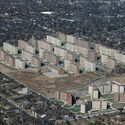
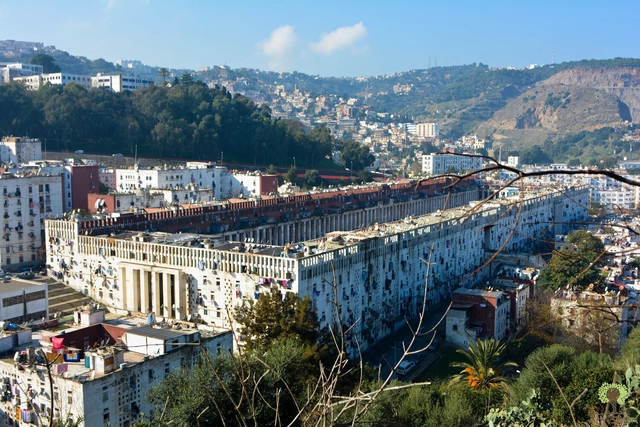
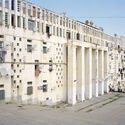
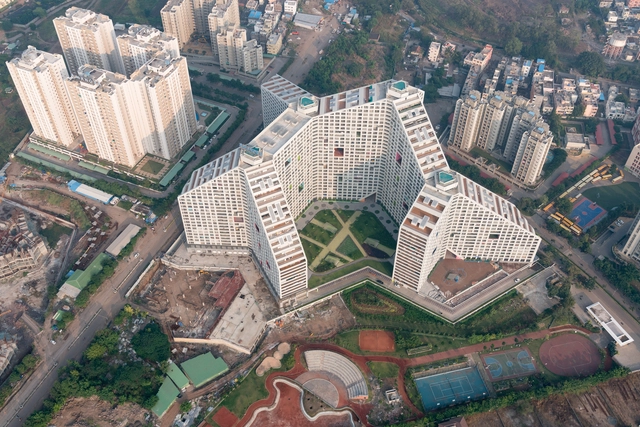
The Corviale housing complex, located in the south-western periphery of Rome, was designed in the 1970s as a solution to the growing number of dormitory districts in the Roman suburbs, caused by the significant population increase between the 1950s and 1970s - when the population grew from approximately 1.6 million to 2.7 million inhabitants - followed by suburban sprawl.
The project, also known as Serpentone because of its huge proportions, was developed by a team of architects under the leadership of Mario Fiorentino between 1972 and 1974. Construction took place between 1973 and 1982, but the original plan to use the fourth floor of the main building for commercial uses, services, and common areas, was dropped because the contractor went bankrupt. The floor was eventually taken over by informal settlements, and this event is considered to be the root of the problems with this emblematic project in the history of housing in Italy.
Launched by the Goethe Institut, Habiter Dakar (Living in Dakar) is a virtual exhibition tackling Housing in the Senegalese capital. The study was led by Nzinga Mboup and Caroline Geffriaud, both Architects based in Dakar. They noticed that the current housing offer in the city was particularly far off the needs of its inhabitants, whether on the cultural, societal or environmental level.
The architects analyzed the progression through which the Senegalese capital's Urban Landscape and Housing development had passed, starting from the traditional compound living type to today’s international housing models which seem to be disconnected from the daily reality of most of the city’s inhabitants. The study is concentrated on Housing which is an essential part of the formation and evolution of Dakar and suggests important theoretical and concrete reflections for the future development of the African metropolis.
Curl la Tourelle Head Architecture received the green light to move forward with its latest “socially focused mixed-use scheme” that includes council homes, an adult education center, and affordable workspaces. Entitled Morland Gardens, the new project located in the London Borough of Brent, one of the district’s most deprived areas, is scheduled to start in the fall of 2020.
When considering “How Will We Live Together”, it is important to note the projective and future tense of the phrase. The idea not only encompasses ways we already share our built environment but targets the anticipated issues that are to be tackled to facilitate communal and mutually beneficial ways of living.
Imagen editada por Fabian Dejtiar. Image Cortesía de Mi Parque
The series of articles developed by Nikos A. Salingaros, David Brain, Andrés M. Duany, Michael W. Mehaffy and Ernesto Philibert-Petit researches the peculiarities of social housing in Latin America. This time, examples of strategies and planning in their construction are reviewed, such as the importance of collaborative social processes and the specific sequences of stages.
https://www.archdaily.com/944295/examples-of-patterns-and-generative-codes-on-socially-organized-housing-in-latin-americaNikos A. Salingaros, David Brain, Andrés M. Duany, Michael W. Mehaffy & Ernesto Philibert-Petit