Courtesy of 70°N arkitektur, Snøhetta and Joar Nango
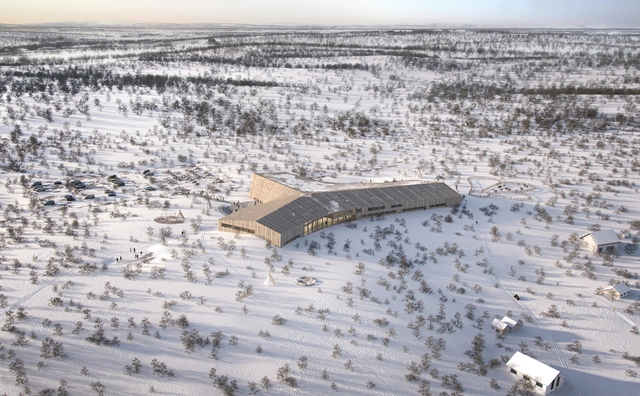
The Sámi National Theater Beaivváš and Sámi High School and Reindeer Husbandry School are two of the most important cultural institutions of Sápmi, a region in northern Norway, Sweden, and Finland traditionally inhabited by the Sámi people. To strengthen the position of the two institutions, a project was initiated in June 2021 to create a shared cultural and educational facility. A design proposal by 70°N arkitektur, in collaboration with Snøhetta and artist and architect Joar Nango, was chosen following a competition. The building, also known as Čoarvemátta, is currently under construction and is expected to be completed by 2024.
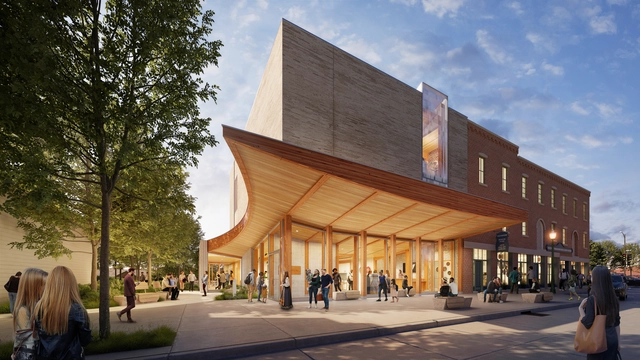
Snøhetta unveiled the design of a new building and landscape design for the Vesterheim campus in Decorah, Iowa. The campus, which also contains the National Norwegian-American Museum and Folk Art School, explores the diversity of American immigration through the lens of the Norwegian-American experience. The new 8,000-square-foot building, known as “the Commons,” is set to become the entry point and main gathering space for the cultural campus. Aside from anchoring the site, the intervention also aims to strengthen the site’s connection to the city. The building is scheduled to be completed in the Summer of 2023.
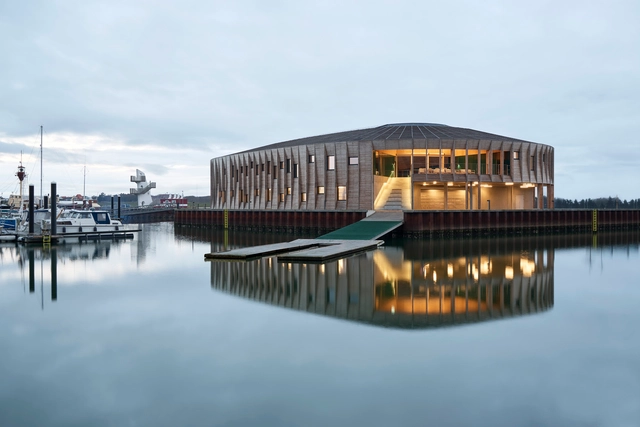
Developed by WERK Arkitekter and Snøhetta, the new maritime center on the coast of Esbjerg, Denmark, opens to the public. The wooden structure is conceived as a gathering space for watersports clubs and other visitors to the harbor, providing the coastal town with a maritime social hub. The circular structure protects the visitors from harsh weather conditions, while the large windows and amphitheater stairs open up views of the sea. Dubbed “The Lantern,” the project represents the winning design of a competition organized in 2019.
As the new year begins, we look forward to the most exciting projects planned to open in 2023. The world's second-tallest tower is currently under construction in Malaysia; Egypt is almost ready to open its largest archeological museum, while MVRDV is currently renovating a large-scale brutalist landmark in Albania. Featuring internationally renown architectural offices such as Snøhetta, OMA, Studio Gang, Zaha Hadid Architects, BIG, along with the latest winner of the Pritzker Prize, Francis Kéré, the following selection presents projects from all around the world. They also range in scale and program, from international airports to sculptural arts galleries or museum expansions.
Several projects presented here have also featured in the previous year's compilation. Resource availability and labor issues generated by the pandemic have also continued to influence opening schedules, but with a diminishing impact. Following the predicted trends for 2023, more and more projects involve the adaptive reuse of existing structures. An underlying theme is visible in the increased interest in expanding artistic and cultural venues and integrating historical heritage into the expression of contemporary architecture.
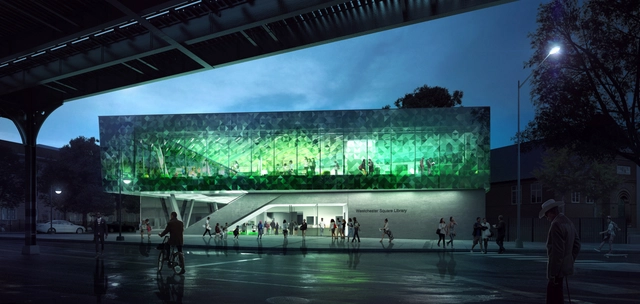
Snøhetta, the New York City Department of Design and Construction (DDC), and the New York Public Library (NYPL) unveiled designs for a new 12,000-square-foot branch library in the Westchester Square neighborhood of The Bronx, NYC. Inspired by the surrounding greenery, the energy-efficient building will be wrapped in pastoral print fritted glass, defining the new structure as an important economic and educational node within the neighborhood. Construction on the new Library is anticipated to start during mid-to-late 2023.
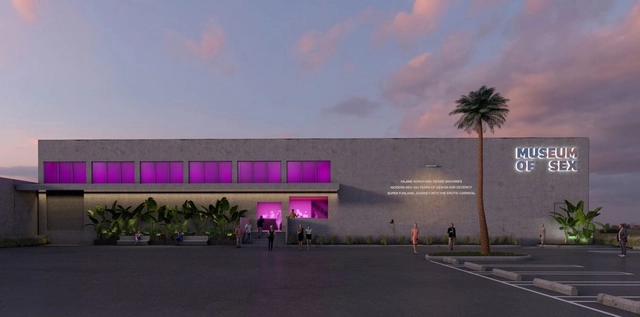
New York’s Museum of Sex announces its expansion to Miami in spring 2023 with a 3000-square-meters museum designed by the international studio Snøhetta. The converted warehouse will feature three extensive exhibition galleries, retail space, and a bar to preserve, present, and celebrate the cultural significance of human sexuality in one of the most vibrant and diverse arts communities in the USA. The inaugural program will include work by Hajime Sorayama and Super Funland: Journey into the Erotic Carnival, the museum’s main immersive experience.
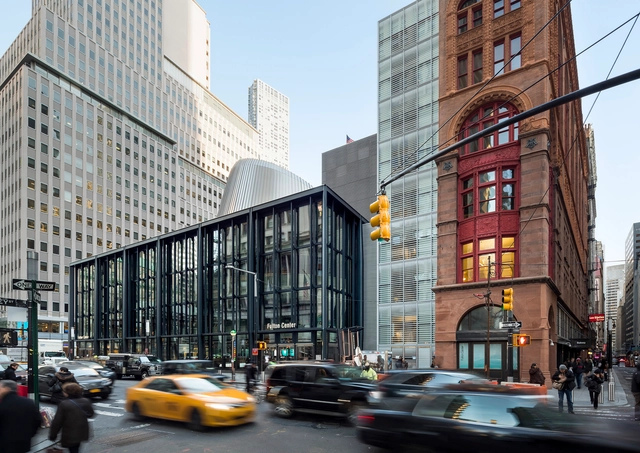
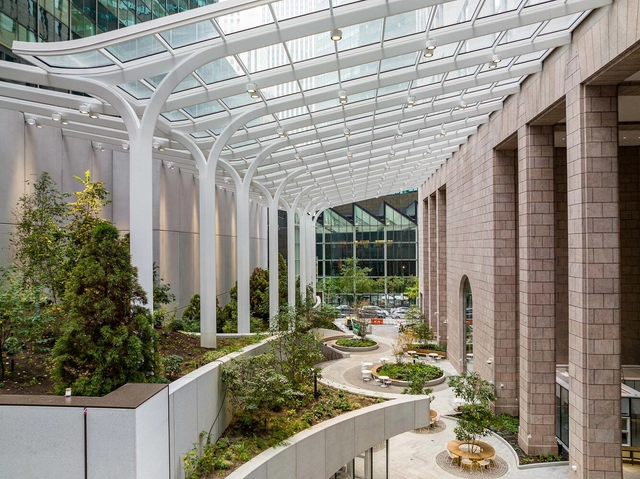
550 Madison Avenue (née the AT&T Building, more recently Sony Plaza) is among the more recognizable figures on New York’s skyline. Designed by architect-provocateur Philip Johnson, the 37-story skyscraper stands out thanks to its curious headgear: a classical pediment broken by a circular notch, inviting frequent comparisons to the top of a Chippendale grandfather clock. A singular, if largely inoffensive presence on today’s icon-heavy streetscape, the design was positively shocking on its debut in 1979, when Johnson himself appeared on the cover of Time holding a model of the project, then still four years from completion. The image heralded the arrival of something new in American architecture: the fading of the flat-crowned Modernist towers of the midcentury and the onset of the Postmodernist wave.
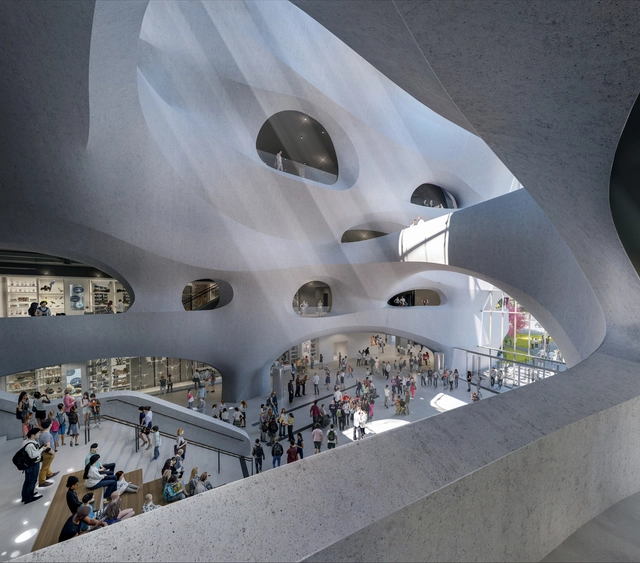
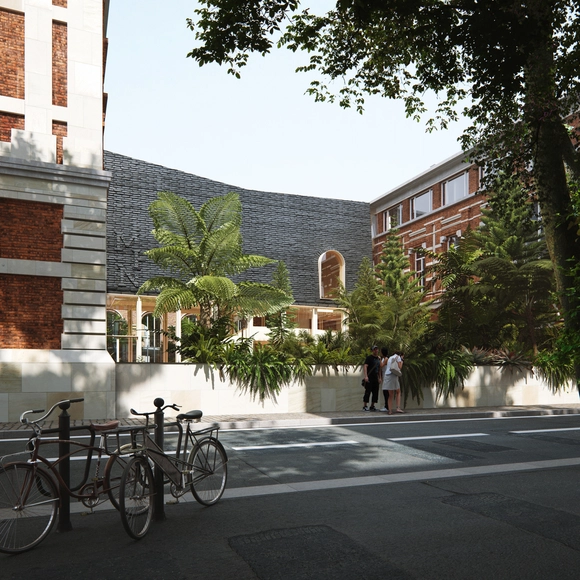
The Natural History Museum Of Lille in France will undertake a significant architectural transformation for its 200th anniversary. Snøhetta, selected to restore and modernize the complex, with a transdisciplinary team featuring the scenographer Adeline Rispal and the landscape architects of Taktyk, imagines a renovation that will support the city's ambition to combine urban renewal with the preservation of the city's historic architecture. Planned for completion in 2025 and with a total of 7,500 m², the restoration will accommodate flexible exhibition areas, more extensive storage, and gardens.
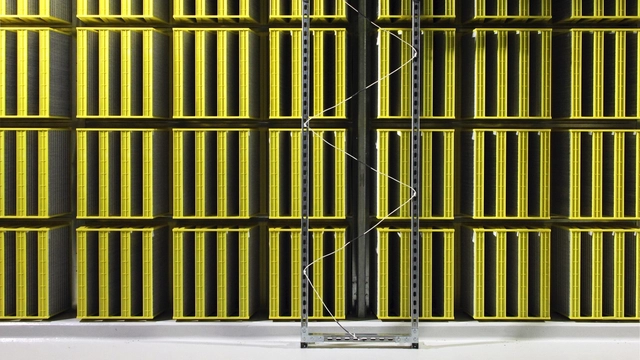
Facebook Data Centre. Image Courtesy of Liam Young
Data centers, automated assembly lines, telecommunications facilities, and warehouses represent a very utilitarian aspect of the built environment, and yet they compose a particular kind of infrastructure within contemporary society, one that is fundamental to the development of everyday life. Rarely discussed within the profession, these new typologies have more recently penetrated the architectural discourse, raising questions about the architectural significance and design potential of the spaces sustaining the mechanics of today's world.
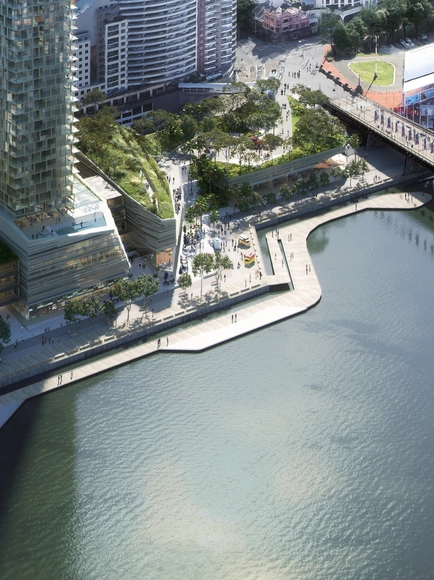
Snøhetta+Hassell were selected by competition to redesign Harbourside in Darling Harbour, Sydney. Expected to kick off in 2023, the 42-story residential tower and the 13500 square meters of public spaces will extend along the over 240 meters of water frontage within Sydney's iconic Darling Harbor area. Property developer Mirvac target to achieve 5 and 6 Star Green Star and WELL ratings, making the project one of Australia's most sustainable districts.
Snøhetta has unveiled the design of its largest project in Japan to date, the Shibuya Upper West Project for Tokyu Corporation, L Catterton Real Estate, and Tokyu Department Store. The project aims to offer cultural experiences in tune with the vibrant Shibuya district of Tokyo, known for its bustling crowds, big screens, and the crossing in front of the Shibuya Station Hachikō. The 36-story tower will include a cultural complex, retail spaces, a contemporary hotel, and rental residencies.
In Mexico, until recently, unknown to many, an architectural project has been slowly revealing itself to society. The Environmental Sciences Museum (MCA for its Spanish acronym) of the University of Guadalajara in the state of Jalisco is one of the most ambitious architectural projects in Western Mexico. Not only because of its unusual architecture but also because of how it seeks to communicate the mission of a natural history museum, one that can hardly be called traditional.
This year's architectural contributions, which were on display across the busy streets of Milan, Brera design district and botanical garden, Alcova, BASE, and other cultural venues, highlighted this year's Milan Design Week theme of sustainability and environmental awareness with respect to furniture production.
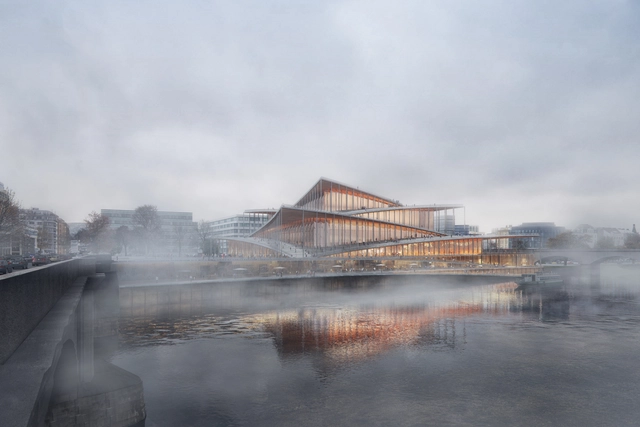
BIG (1st place) - Exterior view. Image Courtesy of Mozses
The City of Prague announced the international competition results for the design of the Vltava Philharmonic Hall. The winning project is designed by Danish studio Bjarke Ingels Group – BIG. The new concert hall aims to become a focal point for the city and reinforce Prague's reputation as a European cultural capital. The proposed volume of the new Philharmonic Hall presents a recognizable image while also being well integrated into the complex topography of the Vltava riverbank. Visitors are invited to follow the meandering series of plazas connected by sloping roofs that take them from the riverbank to the rooftop, promising views of the historic city center of Prague. Spanish architecture practice Barozzi Veiga collaborated with local office Atelier M1 and won second place. Bevk Perović Arhitekti and Petr Hájek Architekti won third and fourth place, respectively, while Snøhetta's proposal was declared the fifth winner.
Snøhetta was founded on the United Nations 1987 Brundtland Commission’s three main pillars of sustainable development: economic growth, environmental protection, and social equality. Their highly value and purpose-driven operations has since then expanded to 330 employees in 7 studios all over the world, from hometown Oslo to Adelaide, HongKong, Paris and Innsbrück, as well as their sister studios in New York and San Fransisco.
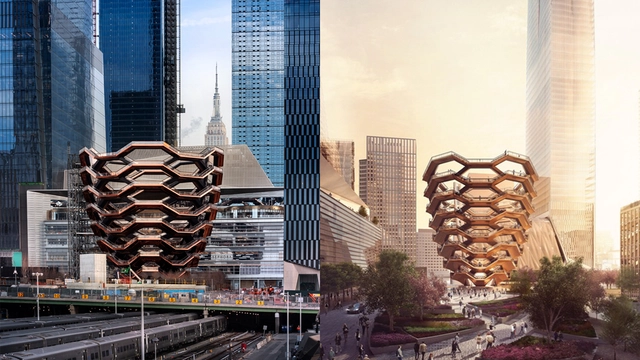
It is nearly impossible nowadays not to present accompanying renders when proposing a new project. No matter the method, software or style that is used, it is a valuable reference that bares more practical weight than one might think. Not only can it be one of the closest possible representations of the architect's vision, if approved, it can also become a promise to clients, investors, and the general public.
When it comes to works from renowned architects, the render becomes a critical reference to the project participants and to the expectant community. A lot of details can be developed and considered when creating the images. In most cases, special attention is brought to the lighting, materials, and context in order to make the most accurate representation possible.
Snøhetta and Dartmouth have unveiled images of their upcoming expansion and redesign of the Hopkins Center for the Arts (the Hop) in Hanover, New Hampshire. The project aims to modernize the existing arts center and create a renewed gateway to the campus’s Arts District. The new architecture will feature new practice and performance spaces, increased connections to surrounding arts buildings, as well as upgraded accessibility and mobility throughout the master plan.
Under the latest round of NYC's Department of Design and Construction (DDC) Project Excellence Program, Commissioner Thomas Foley has announced that the agency has selected 20 firms to provide architectural design services for New York City’s future public buildings project. 10 of the selected firms are certified Minority- and Women-Owned Business Enterprises (M/WBEs), meeting the city’s ambitious goals of supporting M/WBEs and increasing its ability to generate culturally competent designs.































_.jpg?1649402900 "Courtesy of Snøhetta & Methanoia")