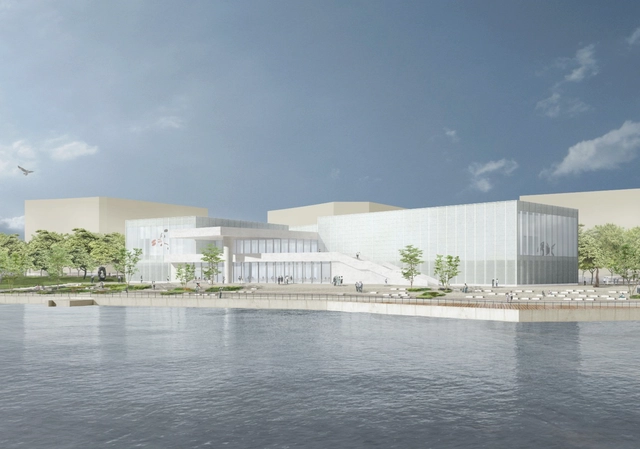
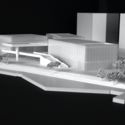
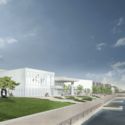
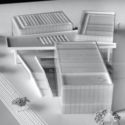
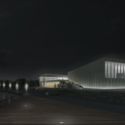
David Chipperfield Architects has revealed the design of the newest home of the Centre Pompidou, the West Bund Art Museum in Shanghai. The Parisian institution revealed the details with the announcement of a 5-year deal with the West Bund Group to stage exhibitions in the museum beginning in 2019. Approximately 20 exhibitions – including a focus on contemporary Chinese art – will be included in the deal, described by the Centre Pompidou as "the most important long-term cultural exchange project” between France and China.
#donotsettle is an online video project created by Wahyu Pratomo and Kris Provoost about architecture and the way it is perceived by its users. Having published a number of videos on ArchDaily over the past two years, Pratomo and Provoost are now launching an exclusive column, “#donotsettle extra,” which will accompany some of their #donotsettle videos with in-depth textual analysis of the buildings they visit.
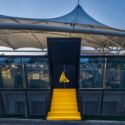
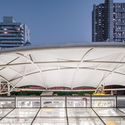
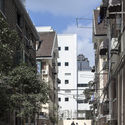
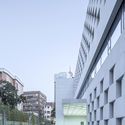
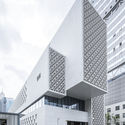
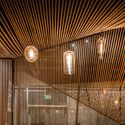
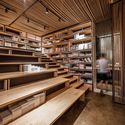
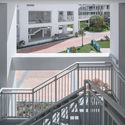
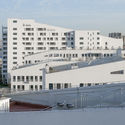
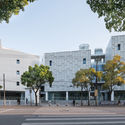
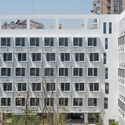
Located in central Shanghai, this multifunctional arts and culture complex is part of the Bund Finance Centre – a joint project between London-based practices Heatherwick Studio and Foster+Partners. Sitting between the old town and the new financial district, this new space combines exhibition and events spaces with a performance venue inspired, according to the architects, "by the open stages of traditional Chinese theatres." Of most visual interest is the building's mechanical "moving veil," captured here by photographer Laurian Ghinitoiu.
In #donotsettle’s latest escapade, architect Kris Provoost scrutinizes Perkins+Will’s Shanghai Natural History Museum. The boyishly charming and ever-inquisitive vlogger presents a unique POV tour of the unusual building situated in the middle of the Jing'an Sculpture Park.
Over a soundtrack of slick house music, Provoost offers up tidbits that cannot be gleaned from a photo. As he approaches the structure, he points out topographical aspects, the relationship of the structure to its context, and various construction details. The rapid-fire architectural observations are often punctuated by brief cross-sectional sketches that augment the experiential commentary.
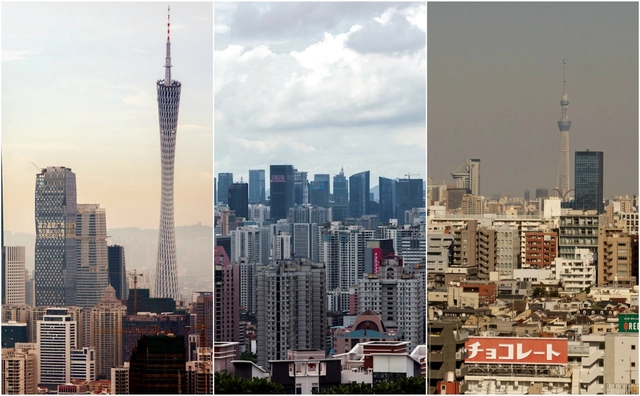
There’s a lot that the presence of skyscrapers can say about a city. They can be indicators of anything from wealth to modernization to density, or a combination of all three, depending on where you look. This potential to observe trends in a city through the height of its buildings makes data on those buildings valuable to a multitude of industries, so companies like Emporis conduct and distribute research on topics like the newest, tallest, and most expensive buildings in the world. Keep reading to find out about the ten tall cities that are home to the largest number of skyscrapers—as defined by Emporis' definition of a building that is 100 meters or more.
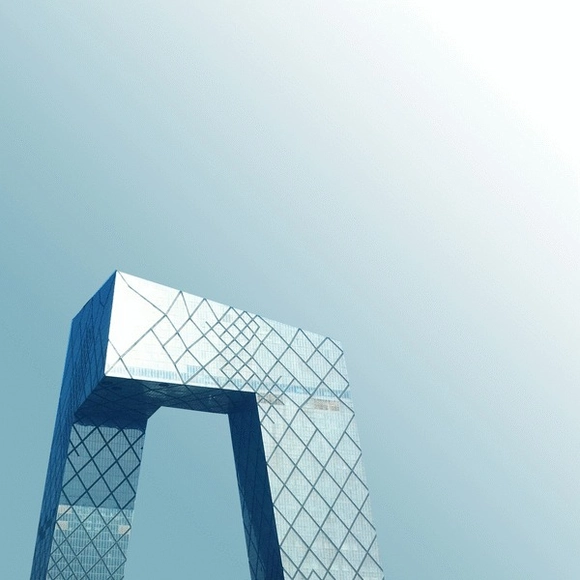
A simultaneous celebration of their cultural iconicity and distillation from their various contexts, Beautified China is a photographic essay by Kris Provoost (one-half of the vlogging duo behind #donotsettle) that tracks the evolution of Chinese architectural landmarks over the course of the past 7 years. Beginning his investigation with the 2010 World Expo in Shanghai, Provoost considers a decade of architecture proposed for China by the profession’s biggest names, many of which have been built now with monumental reputations in rising cities.
One general trend in today's Information Age involves the absolute transmutation of downtime into productivity or engagement of any kind, however meaningless. We hear it all the time: we have lost our ability to be still. However, as a team at Ennead Lab has observed, some of the same technologies that are causing this shift in routine also have the potential to open new, empty pockets of time in our daily lives, and affect the built spaces with which we interact.
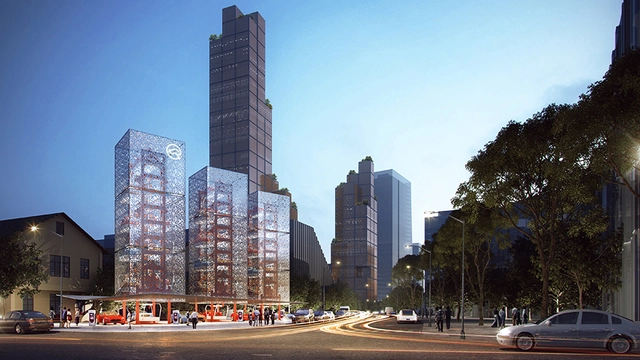
Tasked with designing an electric car charging station for a development in Shanghai, Ennead realized that the five hours required to fill up a single standard charge necessitate a place for customers to wait. In an article on Metropolis Magazine, they show that the promise of transportation-less people to stick around in one place for such a period of time opens up a host of possibilities for what could fill the latency period; the Shanghai project, however, focuses on the opportunity to create a civic space. The team has imagined the modern "gas station" as a vertical charging tower that calls upon the functionality of urban parking elevators in the 20th century, this time clad in reflective silver to serve as a beacon for customers in search of a charge. Rather than standalone charge-park towers, the projects are integrated into a system that encourages patrons to walk to neighboring zones to eat, shop, and socialize while they wait.
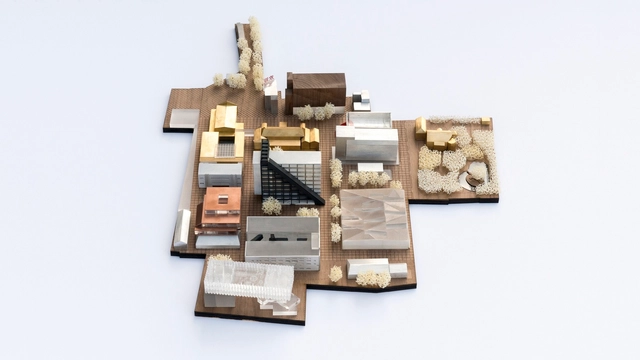
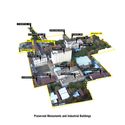
OMA, in collaboration with local architects ECADI and landscape architects West 8, has developed a new mixed-use masterplan for Columbia Circle in the center of Shanghai. Layered with rich history, the site contains preserved colonial monuments, former industrial buildings and 1920’s country club buildings by architect Elliott Hazzard – these elements will be renewed and transformed by the master plan to return Columbia Circle into one of Shanghai’s most prominent public spaces.
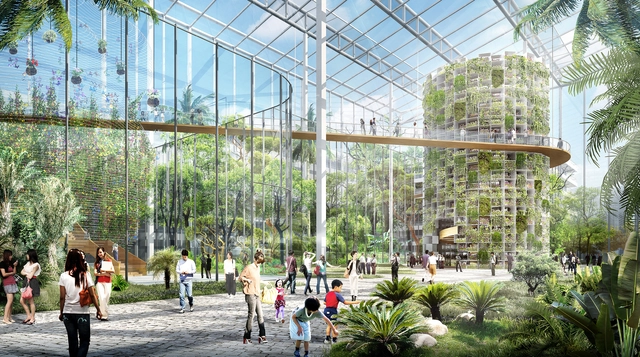
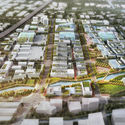
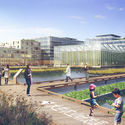
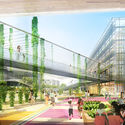
With nearly 24 million inhabitants to feed and a decline in the availability and quality of agricultural land, the Chinese megacity of Shanghai is set to realize the Sunqiao Urban Agricultural District, a 100-hectare masterplan designed by US-based firm Sasaki Associates. Situated between Shanghai’s main international airport and the city center, Sunqiao will introduce large-scale vertical farming to the city of soaring skyscrapers. While primarily responding to the growing agricultural demand in the region, Sasaki’s vision goes further, using urban farming as a dynamic living laboratory for innovation, interaction, and education.













.jpg?1496649420 "© Laurian Ghinitoiu")
.jpg?1496649355 "© Laurian Ghinitoiu")
.jpg?1496649434 "© Laurian Ghinitoiu")
.jpg?1496649213 "© Laurian Ghinitoiu")
.jpg?1496649193)
.jpg?1494582970&format=webp&width=640&height=580)
.jpg?1494583382 "© CreatAR - AI Qing & SHI Kaicheng")
.jpg?1494583181 "© CreatAR - AI Qing & SHI Kaicheng")
.jpg?1494583955 "© CreatAR - AI Qing & SHI Kaicheng")
.jpg?1494582986 "© CreatAR - AI Qing & SHI Kaicheng")
.jpg?1494582970)