1. ArchDaily
  2. Santiago

Santiago: The Latest Architecture and News

Job Opening: Content Coordinator at ArchDaily

ArchDaily is an evolving project of the Internet – an experiment in archiving, disseminating discourse and sharing content related to architecture and urbanism on a scale that was not possible as little as two decades ago.

Since our foundation in 2008, we have operated around a single mission: to bring knowledge, inspiration, and tools to the people who are, and will be, designing the urban centers which will accommodate our planet’s (exponentially rising) population.

Most importantly for us, we are continually connecting people from around the developed and developing world by building a platform which operates in four languages—Spanish, English, Portuguese and Mandarin Chinese—to ensure that these discussions are available to the widest possible global audience.

And in order to bring content to our half-a-million daily readers more efficiently, we're looking for a Content Coordinator to help guide and organize the team. Are you meticulous, exceptionally organized and passionate about architecture and the internet? This is the job for you.

Call for Applications: 2018 ArchDaily Residency

is looking for a motivated and highly-skilled architecture-lover to join our team in Santiago, Chile! We are happy to announce a new residency program aimed at identifying emerging talent in the field of online architecture publishing. Participants in the Residency program receive a monthly stipend so that they can temporarily relocate to Chile and work alongside our global team of content producers for a period of four to six months.

Interested in what it's like to be an ArchDailyer? Check out our office life!

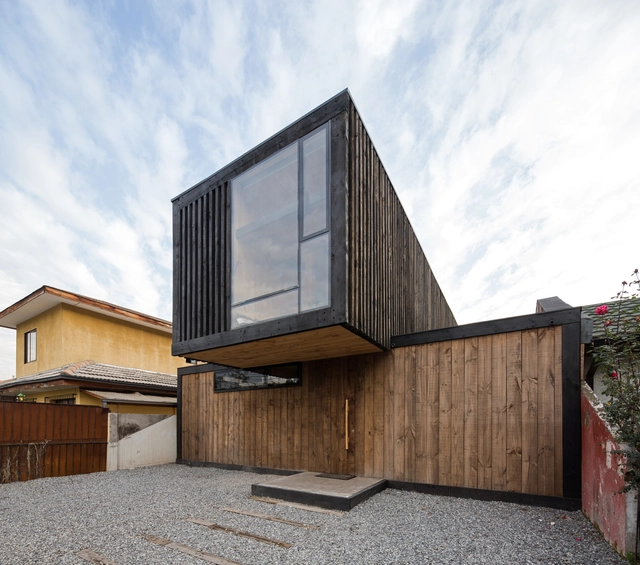
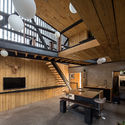
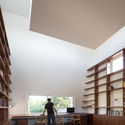
FS Residence / Estudio Dikenstein Arquitectos

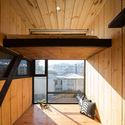
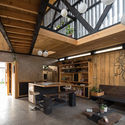
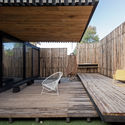
FS Residence / Estudio Dikenstein Arquitectos - HousesFS Residence / Estudio Dikenstein Arquitectos - HousesFS Residence / Estudio Dikenstein Arquitectos - HousesFS Residence / Estudio Dikenstein Arquitectos - HousesFS Residence / Estudio Dikenstein Arquitectos - More Images+ 16

Santiago, Chile
  • Area Area of this architecture project Area:  120
  • Year Completion year of this architecture project Year:  2016
  • Manufacturers Brands with products used in this architecture project
    Manufacturers:  Acerradero local, Blindex, Melón Hormigones

CorpArtes Theater and Cultural Center / Renzo Zecchetto Architects

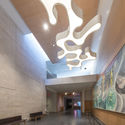
CorpArtes Theater and Cultural Center / Renzo Zecchetto Architects - Cultural CenterCorpArtes Theater and Cultural Center / Renzo Zecchetto Architects - Cultural CenterCorpArtes Theater and Cultural Center / Renzo Zecchetto Architects - Cultural CenterCorpArtes Theater and Cultural Center / Renzo Zecchetto Architects - Cultural CenterCorpArtes Theater and Cultural Center / Renzo Zecchetto Architects - More Images+ 13

Francisco de Aguirre Building / Stein-Suazo Arquitectos

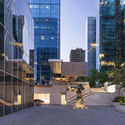
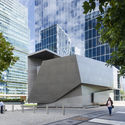
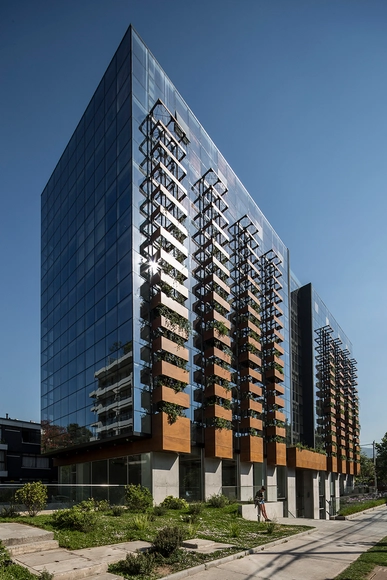
Francisco de Aguirre Building / Stein-Suazo Arquitectos - Office Buildings, Facade, CityscapeFrancisco de Aguirre Building / Stein-Suazo Arquitectos - Office Buildings, FacadeFrancisco de Aguirre Building / Stein-Suazo Arquitectos - Office Buildings, Facade, Stairs, DoorFrancisco de Aguirre Building / Stein-Suazo Arquitectos - Office Buildings, FacadeFrancisco de Aguirre Building / Stein-Suazo Arquitectos - More Images+ 17

  • Area Area of this architecture project Area:  8440
  • Year Completion year of this architecture project Year:  2016
  • Manufacturers Brands with products used in this architecture project
    Manufacturers:  Parklex Prodema, GLASSTECH, Hunter Douglas

Apartment Building La Juliana / ipiña+nieto architects

Apartment Building La Juliana / ipiña+nieto architects - ApartmentsApartment Building La Juliana / ipiña+nieto architects - ApartmentsApartment Building La Juliana / ipiña+nieto architects - ApartmentsApartment Building La Juliana / ipiña+nieto architects - ApartmentsApartment Building La Juliana / ipiña+nieto architects - More Images+ 11

Santiago, Chile

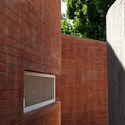
House Between Courtyards / Enrique Browne + Tomás Swett

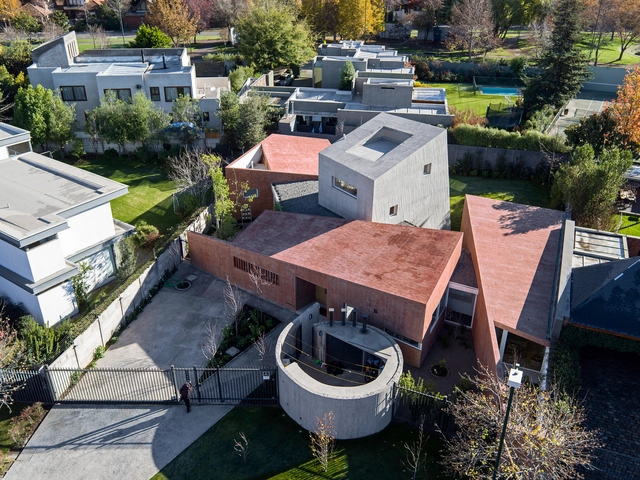
House Between Courtyards / Enrique Browne + Tomás Swett - Houses, Courtyard, Facade, DoorHouse Between Courtyards / Enrique Browne + Tomás Swett - Houses, Facade, CityscapeHouse Between Courtyards / Enrique Browne + Tomás Swett - Houses, Beam, Facade, Lighting, Table, Bench, ChairHouse Between Courtyards / Enrique Browne + Tomás Swett - Houses, FacadeHouse Between Courtyards / Enrique Browne + Tomás Swett - More Images+ 15

Santiago, Chile
  • Area Area of this architecture project Area:  340
  • Year Completion year of this architecture project Year:  2015
  • Manufacturers Brands with products used in this architecture project
    Manufacturers:  AB Kupfer, Cerámica Santiago, Princesa, Winko
  • Professionals: DOMO

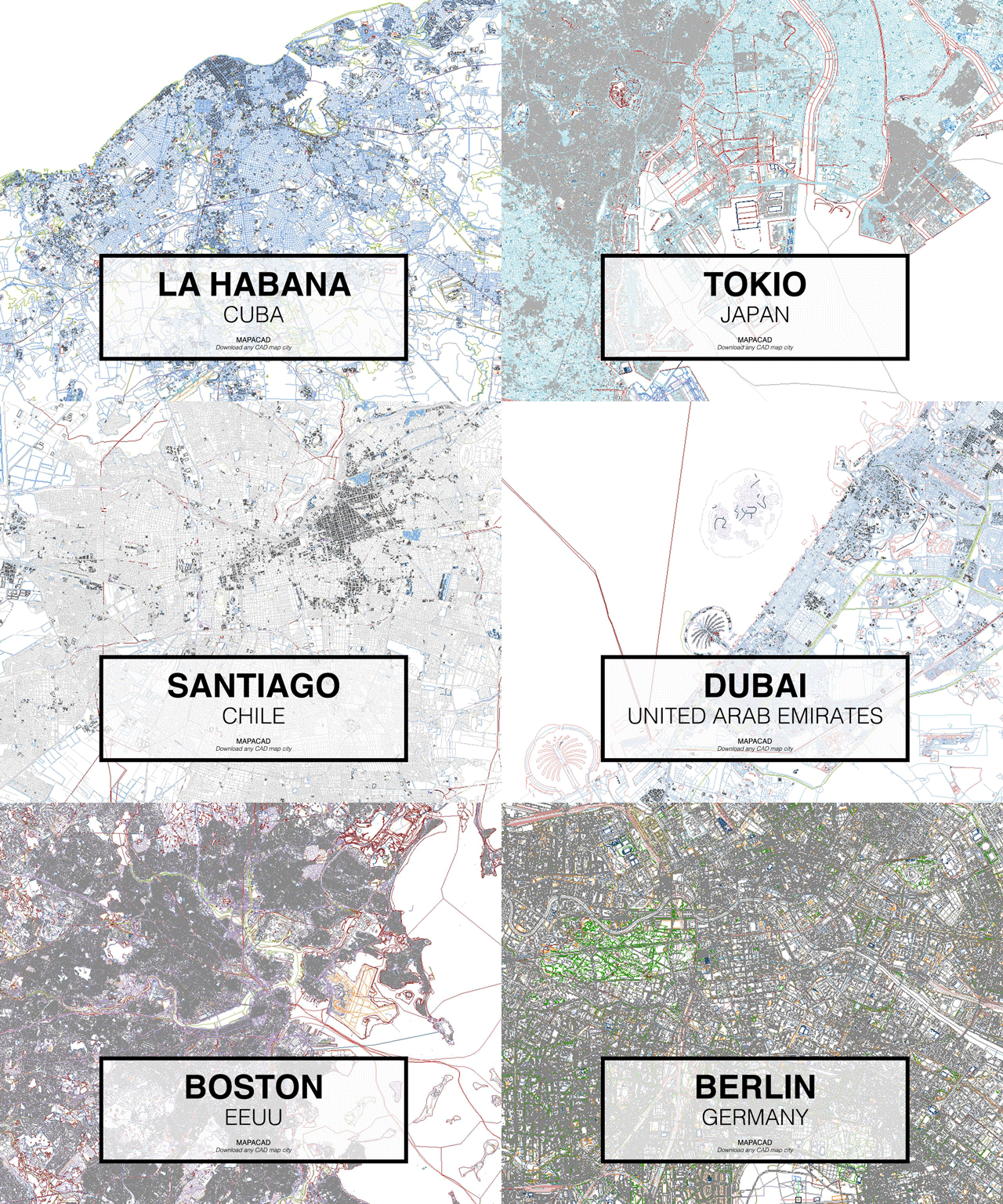
Download High Resolution World City Maps for CAD

Subscriber Access | 

Mapacad is a website that offers downloads of .dwgs of dozens of cities. With 200 metropolises in their database, the founders have shared a set of their most-downloaded cities.

The files contain closed polyline layers for buildings, streets, highways, city limits, and geographical data--all ready for use in CAD programs like Autocad, Rhino, BricsCad and SketchUp.

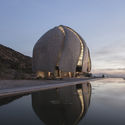
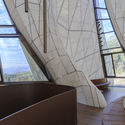
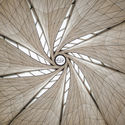
Bahá’í Temple of South America Wins 2017 Innovation in Architecture Award

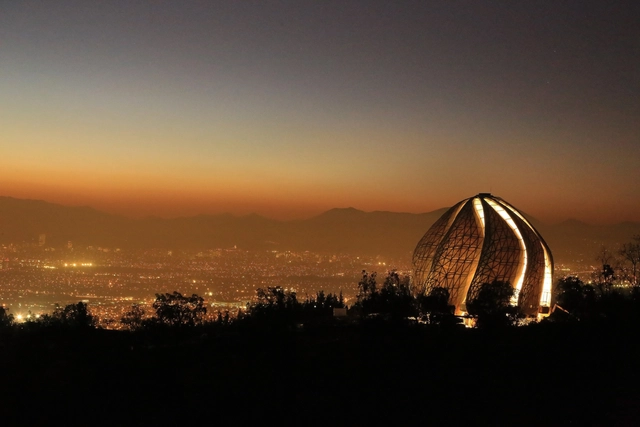
Toronto-based Hariri Pontarini Architects’ Bahá’í Temple of South America has won the 2017 Innovation in Architecture Award presented by the Royal Architectural Institute of Canada (RAIC).

Located in the foothills of the Andes Mountains outside Santiago, Chile, the domed building was designed and built using computer modeling, measuring, and fabrication software, as well as custom glass, all of which culminated in nine monumental veils that frame an open worship space for up to 600 visitors. Completed in 2016, the project took 14 years to realize.

Bahá’í Temple of South America Wins 2017 Innovation in Architecture Award - Image 1 of 4Bahá’í Temple of South America Wins 2017 Innovation in Architecture Award - Image 2 of 4Bahá’í Temple of South America Wins 2017 Innovation in Architecture Award - Image 3 of 4Bahá’í Temple of South America Wins 2017 Innovation in Architecture Award - Image 4 of 4Bahá’í Temple of South America Wins 2017 Innovation in Architecture Award - More Images+ 3

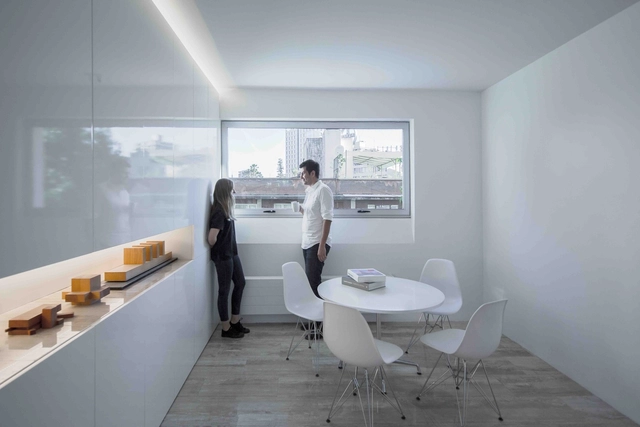
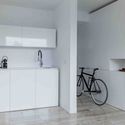
Albert Tidy Architecture Studio / Albert Tidy Arquitectos

Albert Tidy Architecture Studio / Albert Tidy Arquitectos - Offices Interiors, ToiletAlbert Tidy Architecture Studio / Albert Tidy Arquitectos - Offices Interiors, Kitchen, Door, Facade, Table, ChairAlbert Tidy Architecture Studio / Albert Tidy Arquitectos - Offices Interiors, Sink, CountertopAlbert Tidy Architecture Studio / Albert Tidy Arquitectos - Offices Interiors, Facade, Handrail, Lighting, Table, ChairAlbert Tidy Architecture Studio / Albert Tidy Arquitectos - More Images+ 4

  • Area Area of this architecture project Area:  178
  • Year Completion year of this architecture project Year:  2015
  • Manufacturers Brands with products used in this architecture project
    Manufacturers:  LOTTE CHEMICAL, Aggio, Bercia, Ecoltec, The Popular Design

11 Stunning Axonometric Drawings of Iconic Chilean Architecture

As the birthplace of our most recent Pritzker Prize winner, Alejandro Aravena, Santiago, Chile is full of iconic architecture. Because many of these buildings are situated in busy urban areas, their superior design is easy to miss. In an effort to encourage viewers to slow down and appreciate the volume, facades, context, and function of these urban landmarks, Benjamin Oportot and Alexandra Gray of San Sebastian University guided their 4th-year students in producing axonometric drawings of 11 buildings. The project centered on medium-sized office buildings built between 1989 and 2015, particularly focusing on their use of reinforced concrete.

Alejandro Aravena on Design, Venice and Why He Paused His Career to Open a Bar

In an exclusive half-hour interview with Alejandro Aravena, Monocle's Josh Fehnert questions the recent Pritzker Prize-laureate on Chilean architecture and urbanism, why he considers simple design as the key to alleviating the world's biggest woes, and the conception and ultimate result of his 15th International Architecture Exhibition – La Biennale di Venezia

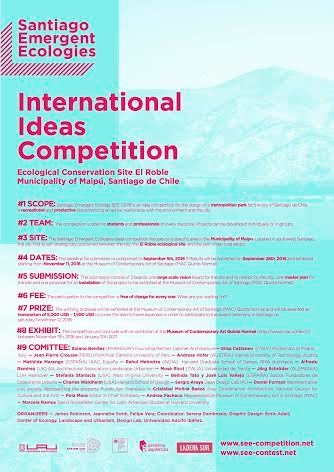
Call for Entries: SEE (Santiago Emergent Ecologies)

SEE (Santiago Emergent Ecologies) international ideas competition aims to articulate a series of concrete projects for the fringe comprised between the city of Santiago and the El Roble ecological conservation site (Sitio Proritario el Roble). The el Roble conservation site is one of the major reservoirs of biodiversity in Chile; its resources and ecosystemic relations have a direct impact on the environment and the quality of life in the Region of Santiago, and influence the potential economic development of the area.

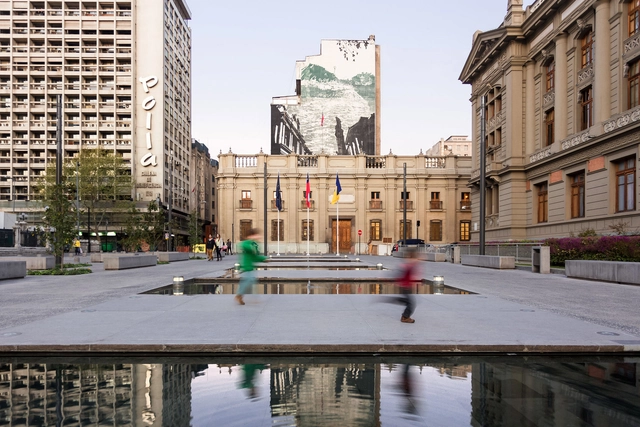
Montt Varas Square / PLAN Arquitectos

Montt Varas Square / PLAN Arquitectos - Square, Facade, Column, BalconyMontt Varas Square / PLAN Arquitectos - Square, Facade, ColumnMontt Varas Square / PLAN Arquitectos - Square, FacadeMontt Varas Square / PLAN Arquitectos - Square, Facade, Arch, LightingMontt Varas Square / PLAN Arquitectos - More Images+ 13

Santiago, Chile
  • Architects: PLAN Arquitectos
  • Area Area of this architecture project Area:  6650
  • Year Completion year of this architecture project Year:  2015

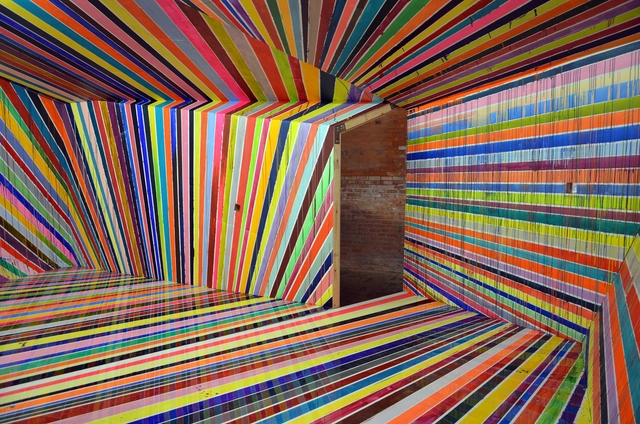
House Paint Pavilion / GELPI PROJECTS

House Paint Pavilion / GELPI PROJECTS - Pavilion, Facade, Arch, BeamHouse Paint Pavilion / GELPI PROJECTS - PavilionHouse Paint Pavilion / GELPI PROJECTS - Pavilion, FacadeHouse Paint Pavilion / GELPI PROJECTS - PavilionHouse Paint Pavilion / GELPI PROJECTS - More Images+ 24

2016 Venice Biennale Will Begin a "Crusade Against Indifference"

Yesterday, and for the first time in La Biennale's history, the press tour included a stop in the Southern Hemisphere. From his home city of Santiago, Alejandro Aravena shared more details about the upcoming exhibition in Chile's presidential palace (La Moneda) alongside the president of the Biennale and the president of Chile.

The main information to emerge from the press conference was the presentation of the lone image that represents this year's Biennale and the announcement of the participants. In the video above, Aravena gracefully explains how Bruce Chatwin's image of German archaeologist Maria Reiche encapsulates "the Biennale as a whole." 

Aravena stressed that he wanted the disclaimer for the exhibition to be the exact opposite of "Don't Try This At Home." He explained, "Given the complexity and variety of challenges that architecture has to respond to, 'Reporting from the Front' will be about listening to those that were able to gain some perspective and consequently are in the position to share some knowledge and experiences with those of us standing on the ground."

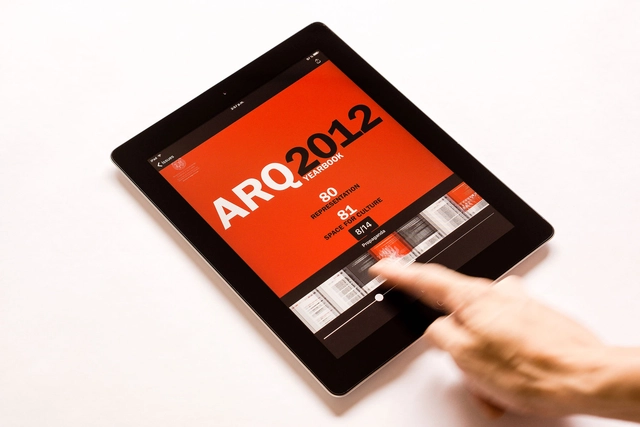
ARQ Yearbook App Features Three Years of Academic Articles Related to Architecture and Urbanism

Subscriber Access | 

ARQ Magazine, described as of the most prestigious academic architectural journals in Latin America, have released a new app (ARQ Yearbooks) dedicated to collecting and presenting English-language articles published in their magazine over the past three years. Since its foundation in 1980, ARQ (the journal of the Pontificia Universidad Católica de Chile School of Architecture in Santiago) has been published without interruption. In this new app, papers which address issues related to representation, construction techniques, urban history, cultural processes, landscape architecture and more have been aggregated together.

Architecture and Activism: Santiago's Emerging Practice Grupo TOMA

Subscriber Access | 

The word activist, long part of the vocabulary of social causes and political engagements, is an identifier gaining currency in architecture. As an era of “star architects” fades to be replaced by a generation eager to tackle local issues for everyday citizens, the shift has become the calling card of Santiago-based Grupo TOMA. Produced by ArchDaily as part of our partnership with The Architectural Review, the above film profiles the group of five friends – Mathias Klenner, Ignacio Rivas, Ignacio Saavedra, Eduardo Pérez and Leandro Cappetto – who have become an architectural collective interested in “the architect as a mediator, as an entity capable of linking organizations, of connecting political and economic powers."

For the past two and a half years, the group has sought out projects that convert industrial spaces of past eras into new facilities. Working without intermediaries has been a boon to the group’s experimental attitude and productivity, which might otherwise be curtailed by bureaucratic setbacks. With projects spanning from a few days to a few months, and some potentially longer, the group privileges social impact and memory over duration and material certainty.