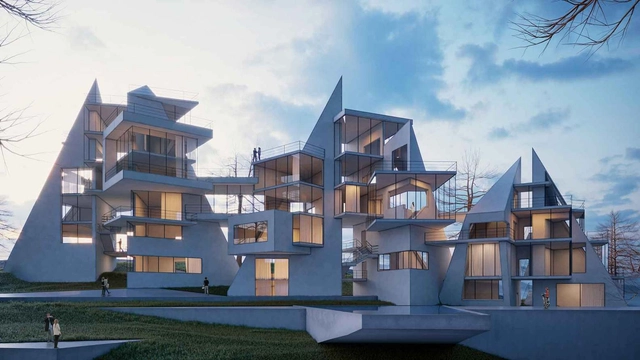
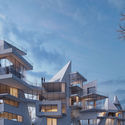
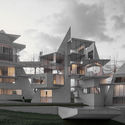
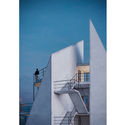
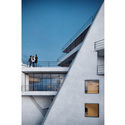
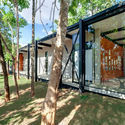
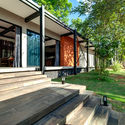
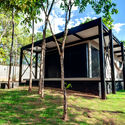
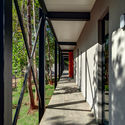
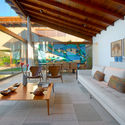
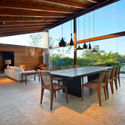
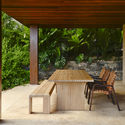
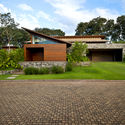
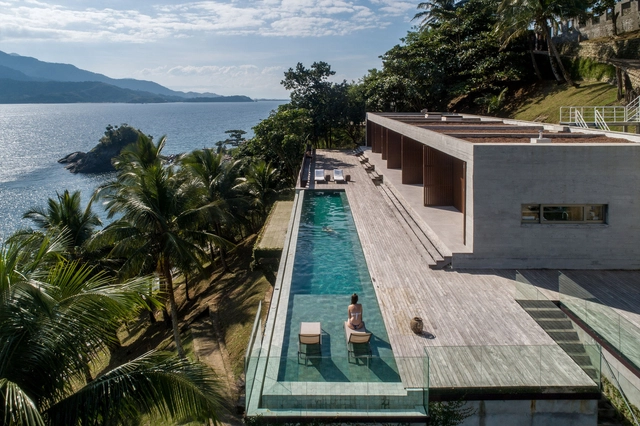
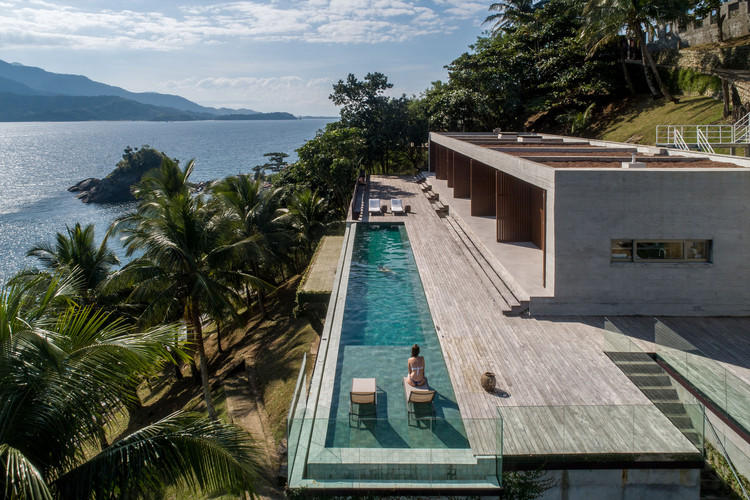
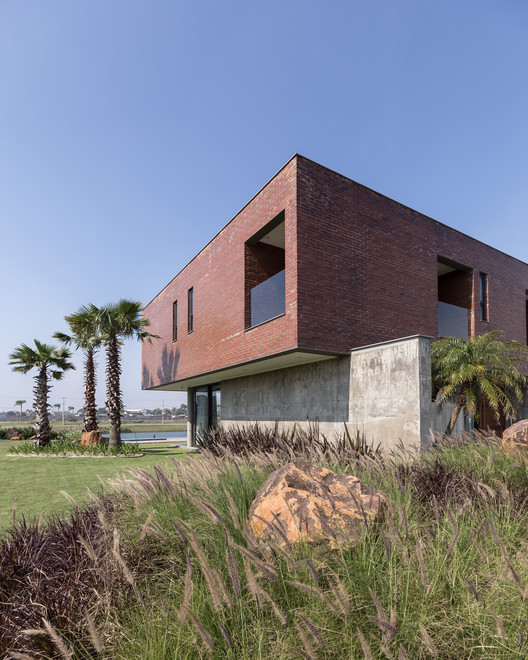
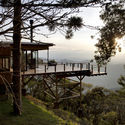
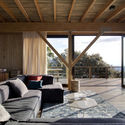
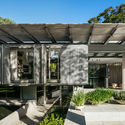
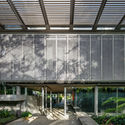
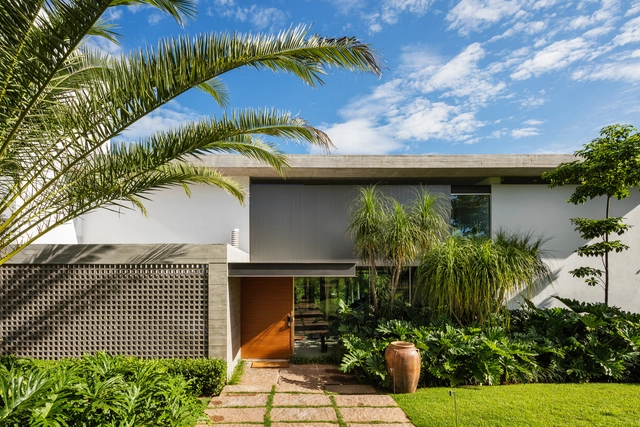
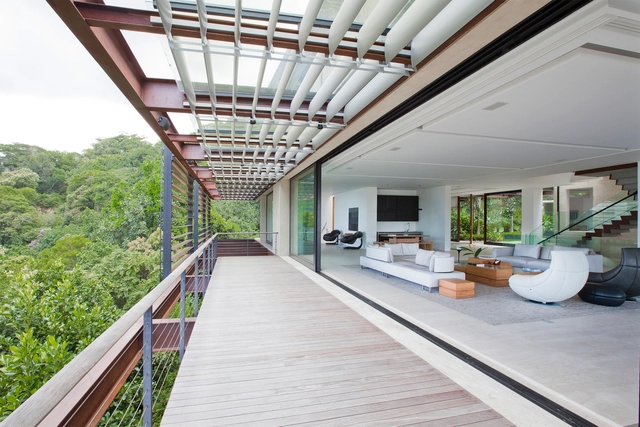
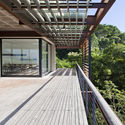
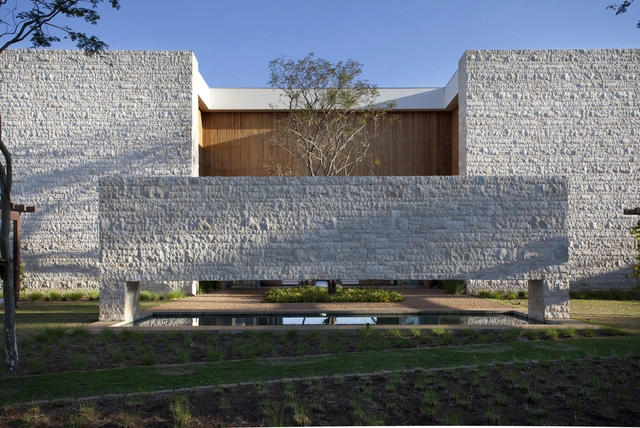
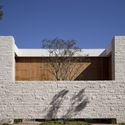
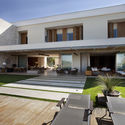
Planned to be built in one of the most exquisite spots of Alanya, Turkey, the Vertical Villa Project is a complex geometric composition of glass, concrete, and landscape, with a great scenery of the green mountain range and distant coastline.
The architecture team developed the project based on an analysis of the social interaction and atmosphere found in the city of Alanya. The team combined different individual units, and applied the sloped roof system found in the city's typical residential architecture.
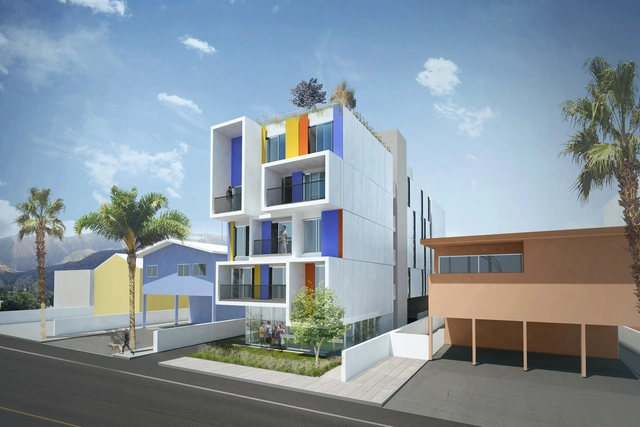
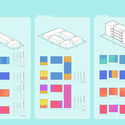
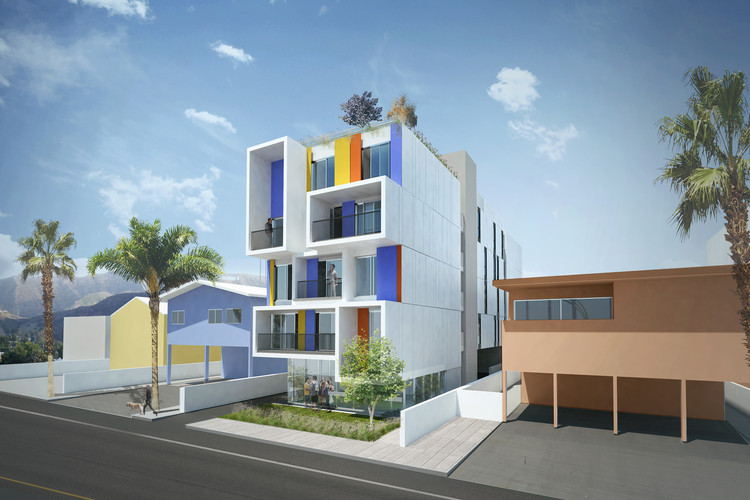
Brooks + Scarpa and Plant Prefab have developed a new toolkit to address housing shortages. Scalable as an infill solution, the Nest toolkit can be configured in multiple ways using site types and typical lot sizes, or a combination of them. The toolkit was made to address LA’s shortage of supportive housing for the homeless and provide flexibility to meet the needs of a particular site, neighborhood, and bed count.
Vietnam has a rich history of traditional architecture. From Rong houses and Trinh Tuong residences to the stilt longhouses of the Ede people, the country has a depth of vernacular construction methods and styles. Today, architects are reinterpreting past building techniques to create neo-traditional homes grounded in contemporary life.
City of the Future is a bi-weekly podcast from Sidewalk Labs that explores ideas and innovations that will transform cities.
In this episode, the first from season 2, hosts Eric Jaffe and Vanessa Quirk discuss the future of housing with Ori CEO Hasier Larrea, architect Eric Bunge, Starcity CEO Jon Dishotsky, Sidewalk Labs housing expert Annie Koo, and others.
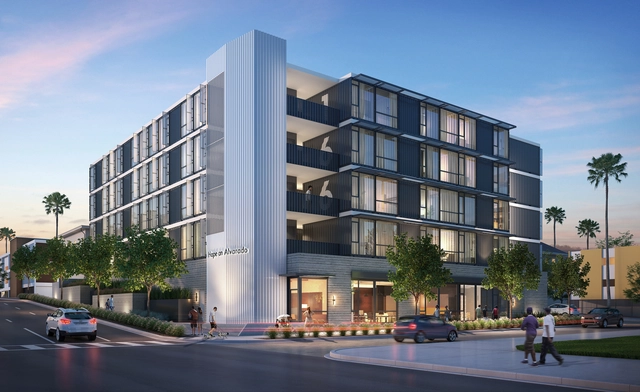
Hope on Alvarado, designed by KTGY Architecture + Planning, is the first modular housing project in the series of Hope On developments, aiming to find sheltering solutions for the chronically homeless, in Los Angeles.
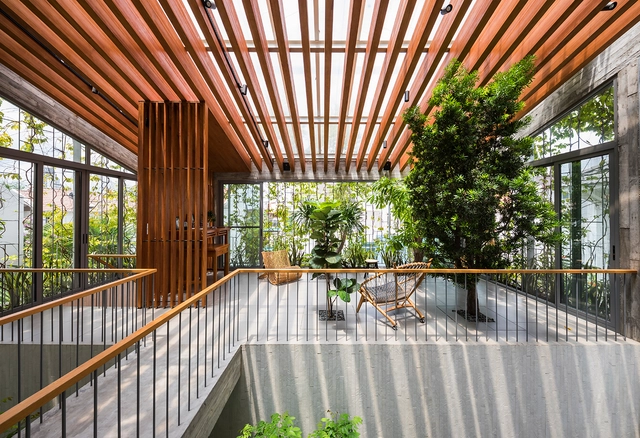
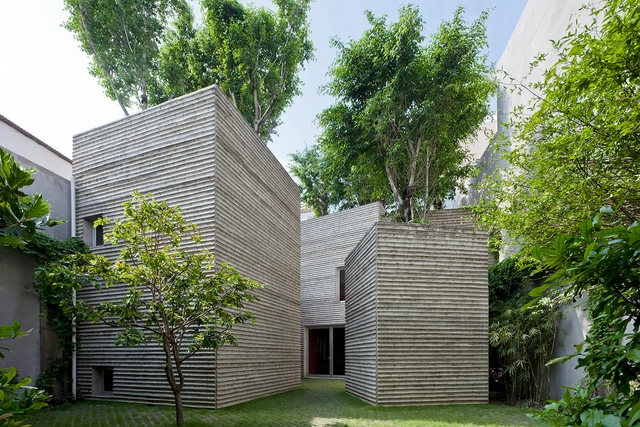
With a subtropical climate, high temperatures and environment favored by the rains, Vietnam has, as one of its main features, landscapes with vegetation in abundance, privileged by the fertile soil and the weather conditions. Ingrained in this scenario, Vietnamese architecture seems to embrace the nature as its protagonist increasingly, miming natural elements along with the rusticity of the concrete surfaces.
With this idea in mind, we selected 20 Vietnamese house projects already published on ArchDaily that incorporate natural elements into their façades and inside spaces. Check the list below!
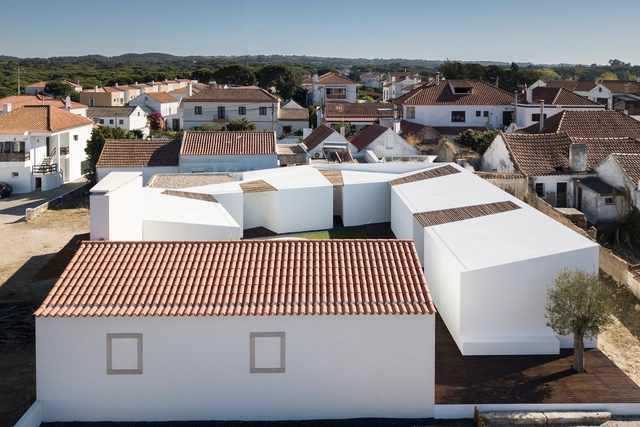
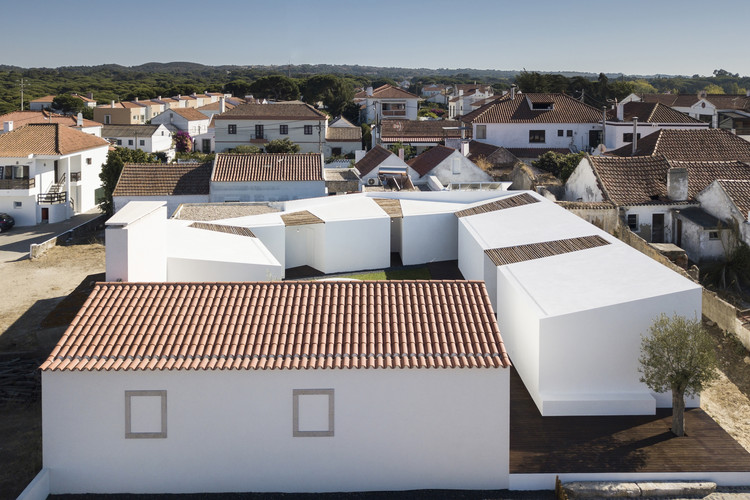
Tile roofs are usually multi-pitched and covered in tiles, which make them different from flat and circular shaped roofs. The “pitch” of the roof is directly related to the wind and tile type, it must be able to drain rainwater and shelter the interior of the house.