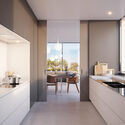
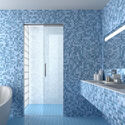
Once popular in Victorian architecture, pocket doors fell out of fashion in the mid-1920s and hinged doors soon became the norm. In recent years, however, a renewed interest in space-saving and design-forward solutions has brought pocket doors back into the limelight. What used to be an overlooked architectural feature is now becoming increasingly common in modern interiors, along with its creative flair and countless functions. These sleek, sliding doors can efficiently divide rooms, create seamless transitions, save space and contribute to a unique, sophisticated and stylish look. All of this while adding a slight touch of poetry to the home; sliding silently into the wall, pocket doors invite users to step through and explore what lies beyond, creating a strong sense of mystery and intrigue.
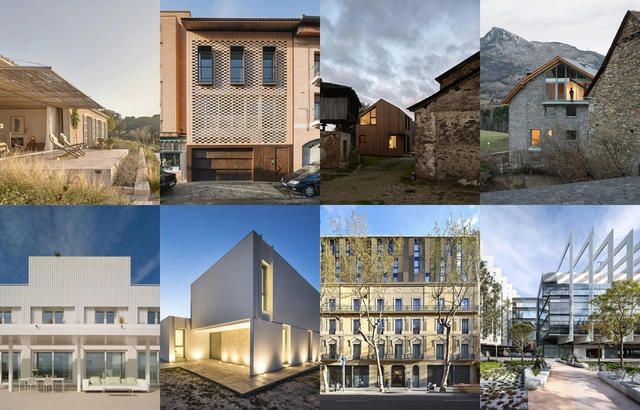
The following Spanish buildings illustrate how it is possible to tackle sustainability from several perspectives. In one way or another, their architects and designers have succeeded in transforming what was an imperial necessity into the project's main strength.
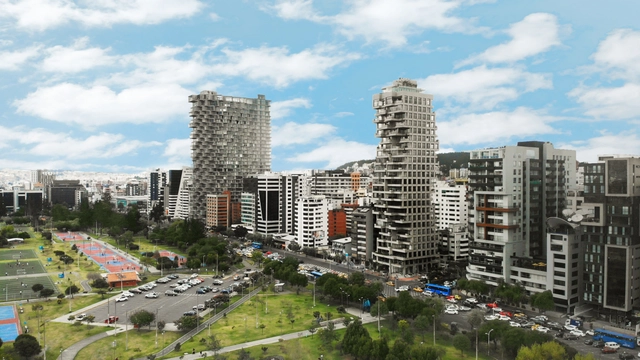
Quito-based developer Uribe Schwartzkopf unveiled two residential projects in the capital of Ecuador: IQON designed by Bjarke Ingels Group, and QORNER, by Safdie Architects. IQON represents BIG’s first project in South America and the tallest building in Quito. QORNER proposes a mix of residences of varying dimensions, complete with amenities such as private terraces, gyms, spas, and pools. To create an engaging interface with the city fabric, a mix of shops, restaurants, and commercial spaces are proposed at the street level.
According to a survey by the Brazilian Association for Recycling of Construction and Demolition Waste (ABRECON), there has been an increase in the recycling of construction and demolition waste (C&D) in Brazil in recent years. According to the 2015 report, 21% of the total C&D was recycled in the country that year, while in 2013 the rate was 19%.
The outlook is promising but not yet ideal, and the growth of recycled C&D materials is still considered small. In Brazil, construction waste can represent between 50% and 70% of the total municipal solid waste. This means, we still need to advocate for a more common practice of material recycling and reuse in architecture, especially in Brazil.
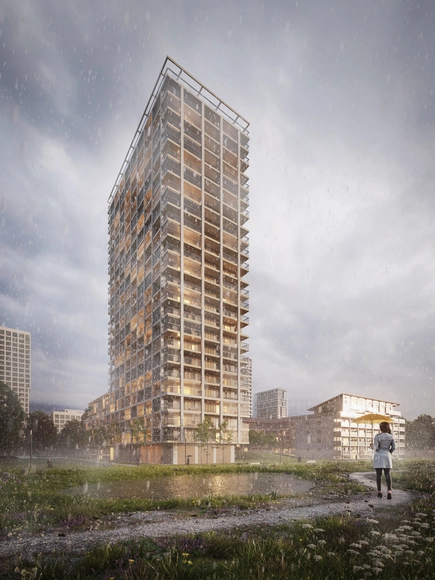
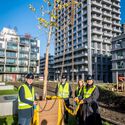
Shigeru Ban has just launched the office’s most recent project in Nieuw Zuid in Antwerp, Belgium. Named Ban, after its creator, and in collaboration with Bureau Bouwtechniek, the complex puts in place a 25-story residential tower and a separate building, creating a total of 295 residential units. During the breaking ground ceremony, the architect also inaugurated an exhibition of images highlighting his humanitarian work in conflict and disaster areas, in near proximity to the construction site.
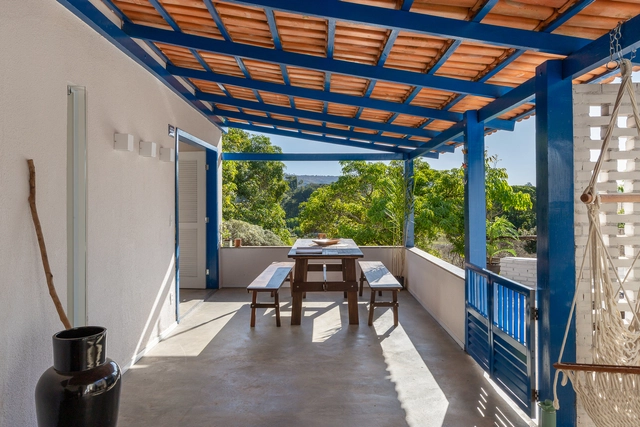
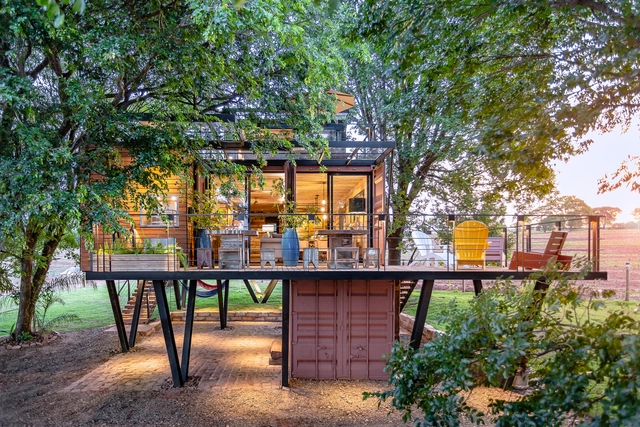
Brazil is one of the largest countries in the world, covering an area that goes from the Equator to beyond the Tropic of Capricorn, presenting a wide variety of climates and vegetation, which implies in the diverse natural landscape, flora and fauna for which the country is known. Residential architecture, when considered from its location, must adapt to the conditions of the surroundings, transforming its design according to the climate and morphology. We have gathered below a selection of Brazilian houses that respond to the natural environment in which they are located.
The queer crowd has always been present, finding ways to exist, gather, and celebrate. Although their visibility hasn't always been highlighted throughout history due to the consciousness of having to submit to heteronormative and strict mass normality in the past, doesn't mean they previously didn't have their own spaces to call their own. Queer spaces, past and present, have been categorized as strong, vibrant, vigorous, and worthy of occupying their own place in history, filling in as safe places for identifying individuals, places of social gathering, entertainment, and even offering community housing; therefore, there will always be a need for queer spaces.
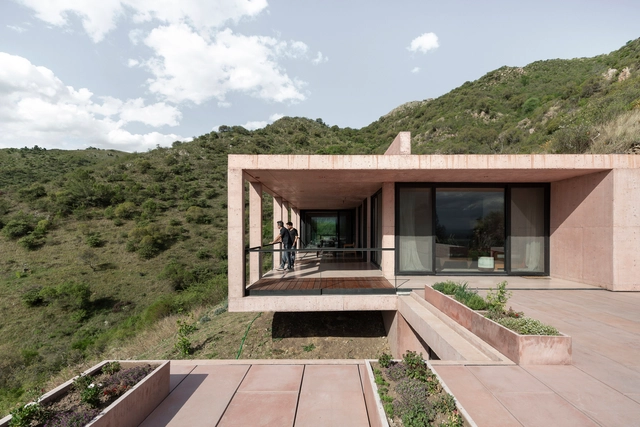
One of the great challenges that architects have to face every day when designing begins with the conditions of the site where the architectural project is to be implemented. This involves the analysis and study of a series of factors ranging from sunlight, topography, surrounding vegetation, context, and others, all variables that are capable of guiding and/or defining the direction of the architecture to be developed.
Aranya Community Housing / Vastu-Shilpa Consultants . Image Courtesy of Vitra Design Museum
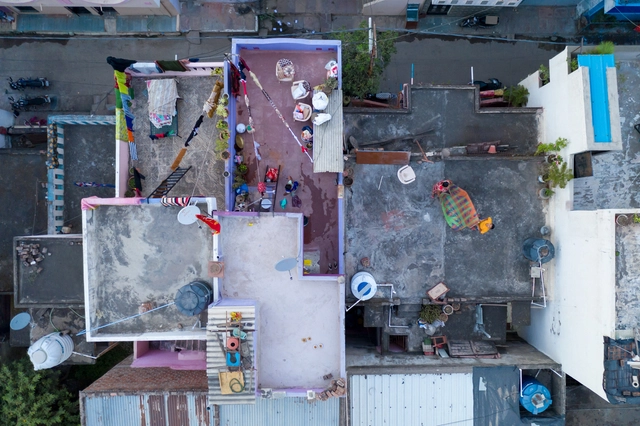
In almost every Indian language, a colloquial term for “family” - ghar wale in Hindi, for example - literally translates to “the ones in (my) house”. Traditionally, Indian homes would shelter generations of a family together under one roof, forming close-knit neighborhoods of relatives and friends. The residential architecture was therefore influenced by the needs of the joint family system. Spaces for social interaction are pivotal in collective housing, apart from structures that adapt to the changing needs of each family. The nuanced relationship between culture, traditions, and architecture beautifully manifests in the spatial syntax of Indian housing.
It’s an essential component of the design process, where spatial ideations are translated into built form – the design of the prototype. Architectural projects, throughout history and in contemporary practice, have been prototyped to carry out both technical and aesthetic tests, where further insight is gained into the integrity of the design. It’s the blurred line between the experimental and the practical.
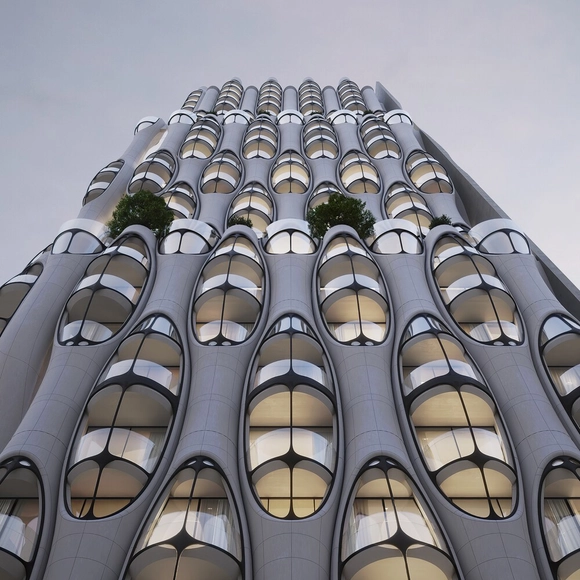
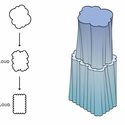
Architecture office Partisans have recently revealed the design of a new high-rise planned for downtown Toronto, on 15-17 Elm Street. The shape of the tower takes inspiration from the process of cloud formation, more specifically from the cirrocumulus, a meteorological term describing the curl-like shapes that form cloud systems. The 32-storey building will accommodate 174 residential units equipped with personal balconies and necessary amenities.
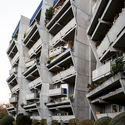
Although there is much conflict surrounding the term Brutalist, there are certain constants and patterns within the movement that offer a concrete idea of the movement and its place in contemporary architecture.
The buildings that adhere to Brutalism—an off-shoot of the Modern Movement that erupted between 1950 and 1970— stand out in part to their constructional sincerity- that is, keeping no secrets about the materials that went into their creation, their bold geometry, and the asperity of their textures and surfaces. Reinforced concrete is the predominant material in Brutalist works thanks to its prominent and dramatic texture, which is put on full display.
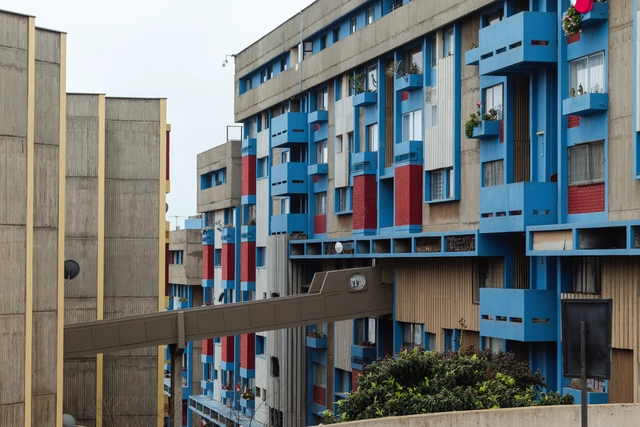
Located in the city of Viña del Mar, Chile, the Conjunto Habitacional 7 Hermanas (7 Sisters Housing Complex) stands out among the urban landscape of Viña del Mar for its architectural qualities, colors, materials, and magnitude. When you look up, you can see between the leafy ravine that overlooks the Quinta Vergara urban park, the group of buildings located in the Forestal sector, which take over the slope and the plateau of the hill, crowning itself as one of the most important works of modern architecture in the region of Valparaíso.
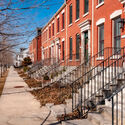
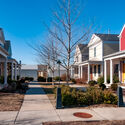
The U.S. housing shortage is most severe on the more affordable side of the market. At a time when costs are escalating broadly and homes that were recently attainable by many have moved out of reach of most, this is no surprise. The problem is most acute in the heated markets, of course, where affordability mandates and rent controls seek to retain rental affordability for some, as owning a home in such markets is a dream accessible only to the wealthiest. (No measures in this post have any impact on these markets.)
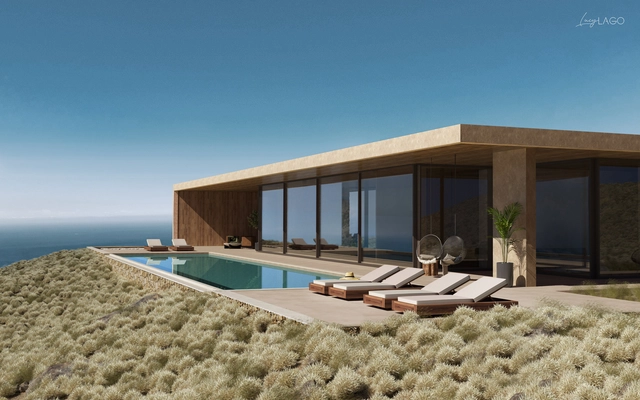
Villa Domy by LUCY LAGO's studio. Image Courtesy of LUCY LAGO's studio
This week’s curated selection of Best Unbuilt Architecture highlights private villas submitted by the ArchDaily community. From a Mediterranean retreat in Greece to a one-person residence in Iran, this round up of unbuilt projects showcases how architects design private villas that combine contextuality and functionality in structures that promote comfort, privacy, and connection to nature. The article includes projects from Indonesia, Greece, Iran, and Jordan.
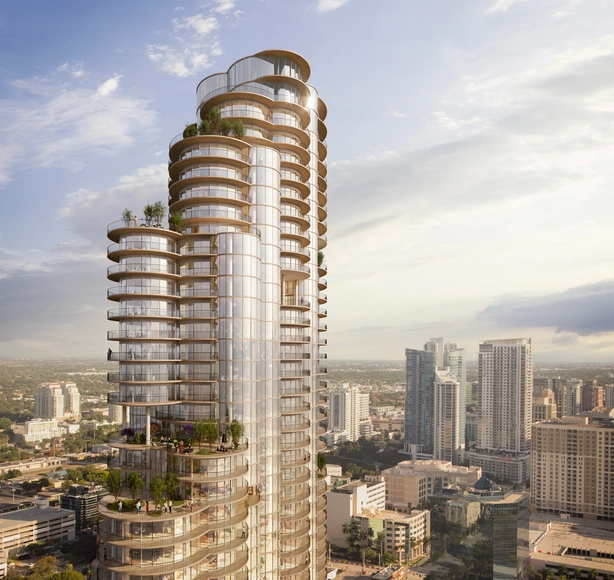
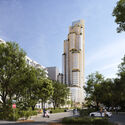
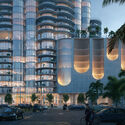
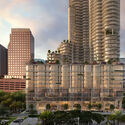
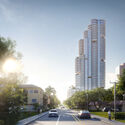
New York-based architecture studio ODA has revealed the design of its newest project in Fort Lauderdale, Florida. The 47-story tower is located south of the New River in the Rio Vista neighborhood. The program comprises 830 residential units, studios with two bedrooms, while also offering ample space for amenities and commercial use, measuring 13,000 square feet. At ground level, the project incorporates a large corner plaza. By placing functions for the public at the lower levels, the project aims to activate the walkways and public spaces, thus adding to the life of the neighborhood.
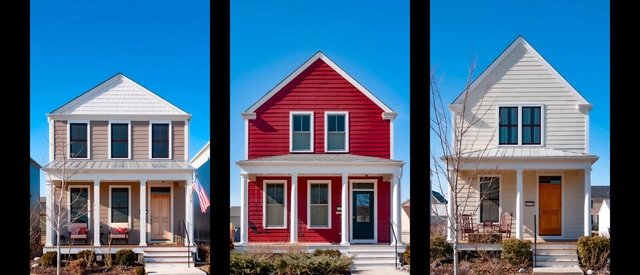
Housing is a mess in Northwest Arkansas. The metropolitan area between the college town of Fayetteville, the buzzing art hub of Bentonville, and the bedroom communities of Rogers and Springdale are expected to double in size over the next two decades, and like many quickly growing urban areas across the country, there aren’t enough places to live.
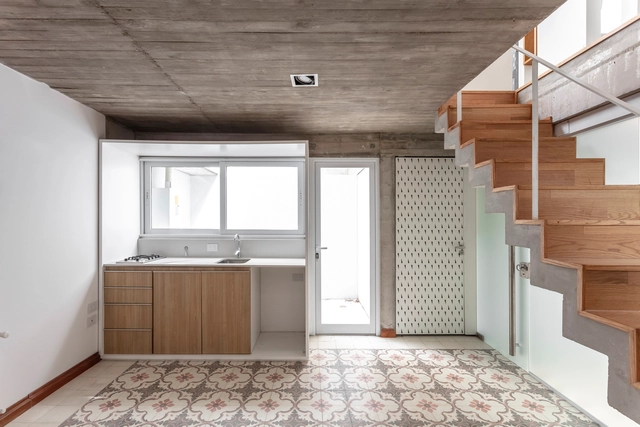
In large cities, it is becoming increasingly common to find buildings that are capable of admitting different configurations and layouts in their internal spaces. Towards the end of the 1960s, duplex typologies began to appear in buildings in the city of Buenos Aires, when the Building Code allowed them to be located in the obligatory setbacks of the upper floors.










.jpg?1600352094 "Flamboyant Residence / Perkins+Will. Image: © Nelson Kon")