.jpg?1494959021&format=webp&width=640&height=580)
.jpg?1494959182 "© Howard Chan")
.jpg?1494959395 "© Howard Chan")
.jpg?1494959171 "© Howard Chan")
.jpg?1494959371 "© Howard Chan")
.jpg?1494959021)
-
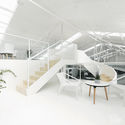
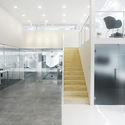
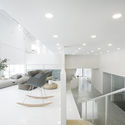
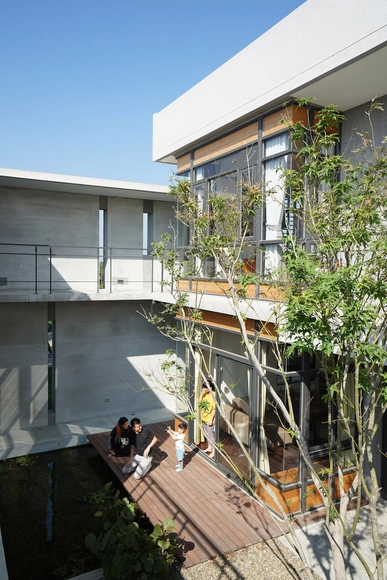
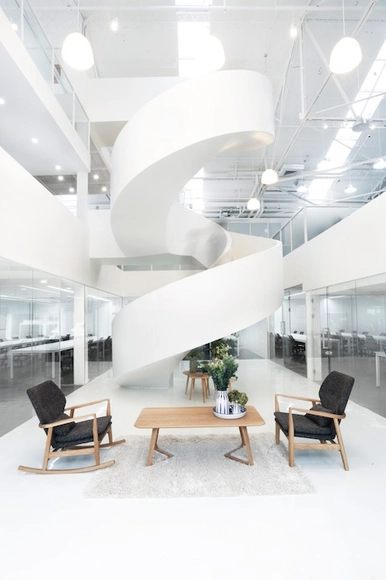
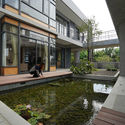
Architects: Vector Architects
- Area: 470 m²
- Year: 2017


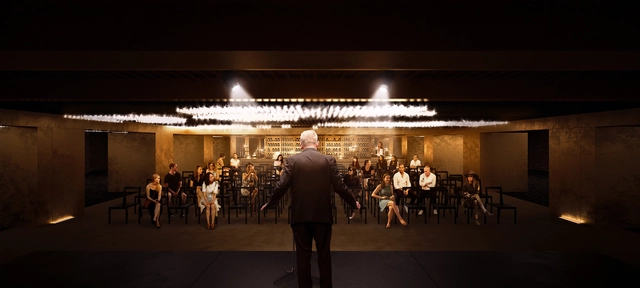
A competition for the interior renovation of the Alte Oper, one of the world’s most prominent opera houses in Frankfurt, has been won by German firm Buero Wagner, selected ahead of heavyweight runner-up Zaha Hadid Architects. The scope included the conversion of one of the building’s multipurpose foyers into a central social space, to be activated by the 450,000 annual visitors that attend the Alter Oper’s 400-plus concerts.
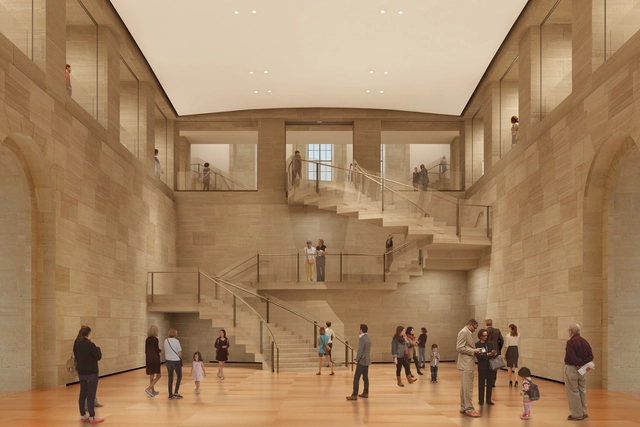
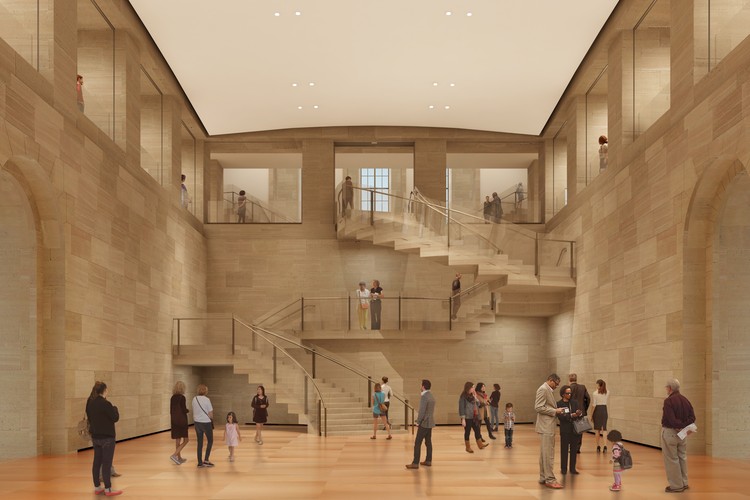
The Philadelphia Museum of Art has broken ground on the Core Project, a $196 million transformation of its main building led by Frank Gehry. In total, the renovation will add a total of 90,000 square feet to the museum, including 67,000 square feet of new public space, 11,500 square feet of gallery space for the museum’s American Art collection, and another 11,500 square feet of contemporary art display space.
As suggested by its name, The Core Project will focus on the heart of the museum; the main circulation of the building will be completely reorganized and museum infrastructure will receive much-needed upgrades, improving access to the community and enhancing the visitor experience.
_Gensler_2.jpg?1490675418&format=webp&width=640&height=580)
Gensler New York has revealed designs for a 200,000-square-foot renovation of the recently landmarked 601 Lexington Avenue, commonly known by its former title, Citicorp Center. The plans will update the entry plaza as well as add a new atrium space housing a range of dining and retail options, giving the site a rejuvenated space for the entire neighborhood to utilize.
The project will be the biggest change to the unique building since its construction in 1977 and famed engineering crisis the following year.
_Gensler_2.jpg?1490675418 "© Gensler")
_Gensler_3.jpg?1490675440 "© Gensler")
_Gensler_4.jpg?1490675430 "© Gensler")
_Gensler_1.jpg?1490675453 "© Gensler")
_Gensler_2.jpg?1490675418)
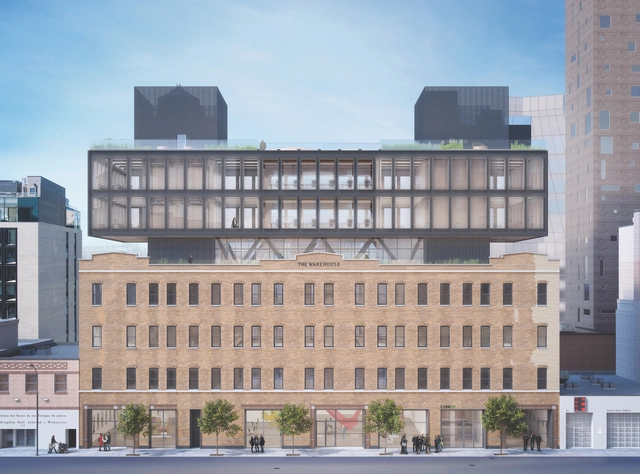
Elijah Equities, LLC has unveiled plans for the redevelopment of The Warehouse in New York City, a property currently occupied by car parking and art galleries, which will be transformed into 100,000 square feet of rentable office and retail space designed by Morris Adjmi.
Situated next to the High Line, the building currently at the site is a four-story, 65,000-square-foot former apparel-manufacturing warehouse. The redevelopment will add a three-story, steel-framed, cantilevered addition, resulting in a seven-story building with over 18,000 square feet of rooftop and outdoor amenity space.
.jpg?1490378892&format=webp&width=640&height=580)
Adrenaline junkies rejoice: the Willis Tower has announced plans for $20 million dollars of improvements to their popular glass-bottom SkyDeck observation attractions. Among the additions will be a series of new all-glass protrusions from the building, as well as a chance to rappel down a glass shaft suspended from the building’s 103rd floor.

KAAN Architecten has been commissioned for the renovation and expansion of one of the Netherlands’ most renowned museums, the Paleis Het Loo. Responding to evolving purposes, the project scope involves the restoration and development of over 5,000 square meters of new space, including the House of Orange, the Junior Palace, and a temporary exhibition hall.
“The design, inspired by the layout and proportions of the Corps de Logis of Paleis Het Loo, incorporates all required facilities and spaces while expressing a grandeur fitting for one of the Netherlands’ most popular and visited museums,” announced the firm.
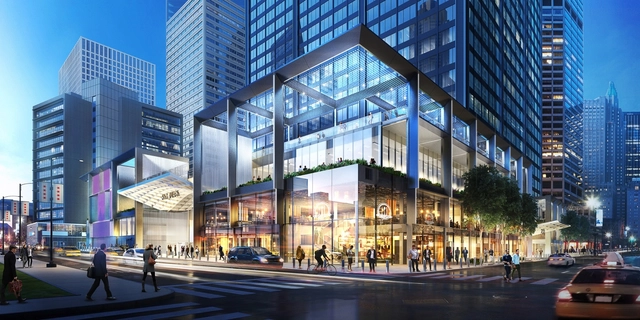
One of the United States’ most recognizable skyscrapers, the Willis Tower (formerly the Sears Tower), is set to receive a $500 million renovation designed by the Chicago office of Gensler. Announced by Chicago mayor Rahm Emanuel with real estate holders Blackstone and Equity Office, the project will transform and reinvigorate the 43-year-old building, which held the title of world’s tallest building for nearly a quarter century.
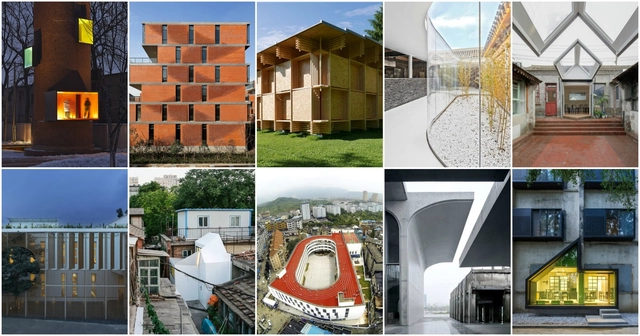
2016 has been a momentous year for Chinese architecture. From the completion of the Harbin Opera house by MAD to the Aga Khan Awards recognizing Zhang Ke of Standard Architecture for his micro-scale design of the Hutong Children’s Library and Art Centre in Beijing. It seems the general perception of Chinese architecture has finally moved beyond the big, weird and ugly.
Since we’ve started to branch out into China, the ArchDaily China team has been able to discover the rich layers beyond just these rising Chinese stars. As part of the country's large-scale urbanization process, last year, we posted some of the large-scale projects designed by China’s (largely unknown) Design & Research institutions such as train stations and cultural centers.
In addition, we’ve also come across a series of smaller, lesser known, younger practices that focuses more on small-scale experimental work. Here are our top ten favorites:
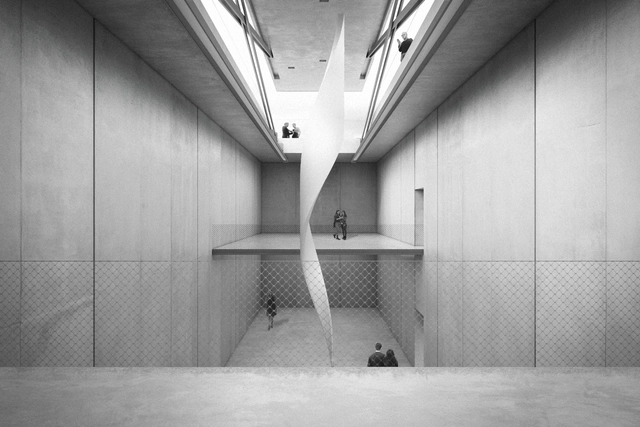
The winning proposal has just been announced for an extension to the Bunkier Sztuki ("Bunker of Arts") contemporary art gallery in Cracow, Poland. Out of 33 entries in the international competition, the underground design by Robert Konieczny - KWK Promes has been selected to be executed in the heart of Cracow's Old Town.

Viger Square, Montreal's first large square, is getting a makeover. The redevelopment project is being led by landscape architects NIPPAYSAGE, which will begin the first phase of redesign in 2017.
Historically, the 30,000 square foot center has always contributed to the liveliness of the city, and it was the largest square in Canada in the 19th century. Now coinciding with the adjacent redevelopment of retail and office spaces at the Viger Hotel, the city hopes for a major revitalization of the area.
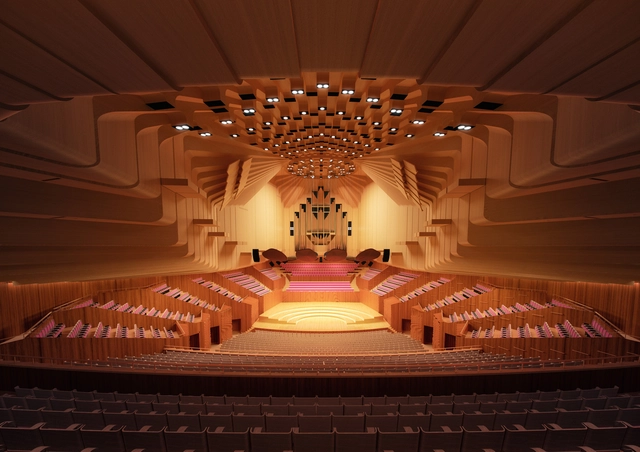
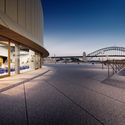
The Sydney Opera House has revealed designs for a $202 million renovation project, the largest upgrade program to the Jørn Utzon-designed building since it opened in 1973. Announced by New South Wales Deputy Premier and Minister for the Arts, Troy Grant, the project’s main goal is to “improve access and ensure it meets the needs and expectations of audiences, artists and the 8.2 million people who visit each year.”
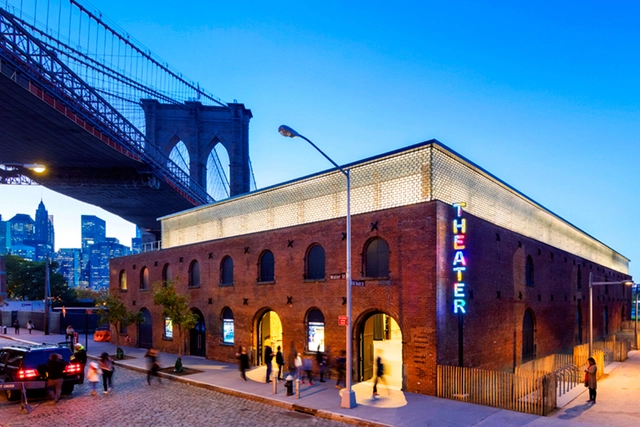
This article was originally published on Autodesk's Redshift publication as "Energy Efficiency in Historic Buildings: Why a Theater Company Chose Resurrection (Not Demolition)."
For a ruined Civil War-era warehouse in Brooklyn, there may have been no better organization than an avant-garde theater group to think creatively about its future.
Situated in the shadow of the Brooklyn Bridge in the popular Dumbo neighborhood, the 1860 tobacco warehouse was crumbling and forgotten when St. Ann’s, a 36-year-old theater company that began life in another Brooklyn church, sought to renovate it for its first permanent home. Attaining energy efficiency in historic buildings is not just possible—it can be the most sustainable and aesthetic choice.
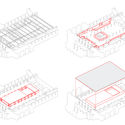
St. Ann’s, led by artistic director Susan Feldman, hired a building team that included Marvel Architects; BuroHappold Engineering; and Charcoalblue, a theater, lighting, and acoustics consultancy. The resulting 25,000-square-foot complex, St. Ann’s Warehouse, includes two versatile and changeable performance spaces, lobby and event areas, and a triangular garden (designed by landscape architects Michael Van Valkenburgh Associates).


The Walmart Supercenter is generally considered one of the great antagonists of architecture around the world – the hulking behemoth who sold its integrity for the consumer convenience of having everything in one place. Though the first Walmart Supercenter didn’t open until 1988, big box stores have existed in some form since the 1960s, luring in shoppers with low prices and curbside loading lanes. For all the user psychology design that goes into them, the original designs of these buildings rarely pay much mind to their architectural or urban consequences, excluding a few notable exceptions.
Regardless, for the past 20 years big box stores have continued to prosper, prompting tenants to leave their homes and move on to even larger structures, leaving behind giant, open frameworks – for sale on the cheap. In a recent essay for 99% Invisible entitled Ghost Boxes: Reusing Abandoned Big-Box Superstores Across America, author Kurt Kohlstedt explores the architectural potential of these megastructures, drawing inspiration from the architects and communities that have successfully converted them into valuable assets.




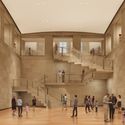
.jpg?1490895765 "BEFORE: The Van Pelt Auditorium, shown here in 2016, is being demolished to create the Forum. The auditorium was not part of the original design for the building, which opened in 1928; it was added in 1959. Photograph by Elizabeth Leitzell. Photo courtesy Philadelphia Museum of Art.")
.jpg?1490895731 "BEFORE: The Van Pelt Auditorium, shown here in 2016, is being demolished to create the Forum. The auditorium was not part of the original design for the building, which opened in 1928; it was added in 1959. Photograph by Elizabeth Leitzell. Photo courtesy Philadelphia Museum of Art.")