

-
Architects: 70F Architecture
- Year: 2013



Shigeru Ban just can’t get enough of paper tubes. The Japanese architect, renowned for his design of structures that can be quickly and inexpensively erected in disaster zones, is at it again in the city of Christchurch, New Zealand, which was hit hard by a devastating earthquake last February. The earthquake of magnitude 6.3 killed over 200 people and inflicted irreparable damage on the city’s iconic gothic cathedral of 132 years. The cathedral was a copy of one in Oxford, England, and was one of the most famous landmarks of the Christchurch, pictured on postcards, souvenirs and tea towels.
A pioneer in so-called “emergency architecture,” Shigeru Ban has begun construction on a highly anticipated, unique replacement: a simple A-frame structure composed of paper tubes of equal length and 20 foot containers. The tubes will be coated with waterproof polyurethane and flame retardants that the architect has been developing since 1986 - years before environmental friendliness and the use of inexpensive recycled materials were even a concern in architecture.
Read more about Ban's visionary Cardboard Cathedral after the break...


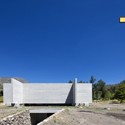


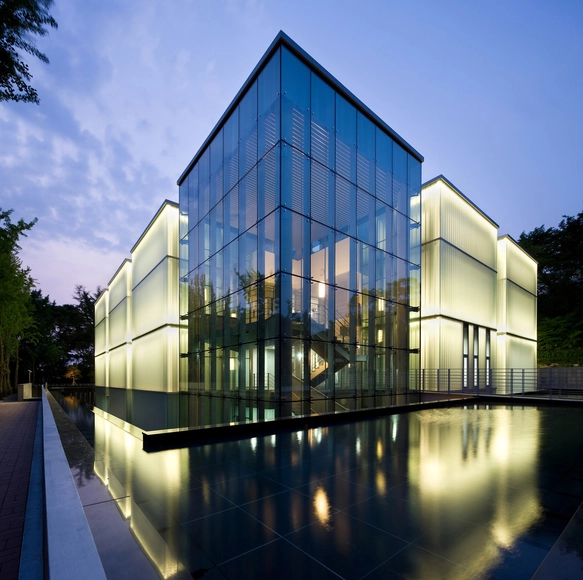


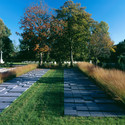
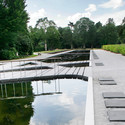
Serving as the foremost resting place for Minnesota’s distinguished citizens, the Lakewood Garden Mausoleum, designed by HGA, is a treasured landmark and community asset in the city’s neighborhood. The video above captures its pastoral quality and embraces the landscape while offering a contemplative interior experience. It also highlights the design’s relationship between natural light and nature, which strengthens the connection between the spiritual and the earth-bound.


Focusing on local architecture, the proposal for the Mosque (Amir Al- Momenin) by CAAT Studio detaches from everyday life and the approach to worship space in accessing the building. The integrated entity of the proposal plays its role as a religious and cultural center in the region scale while communicating with the environment. More images and architects’ description after the break.
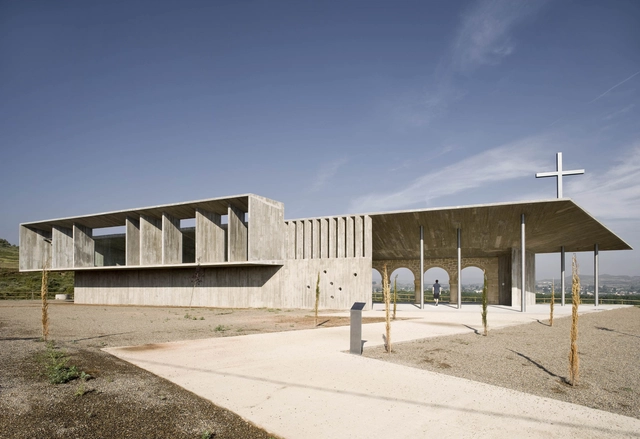

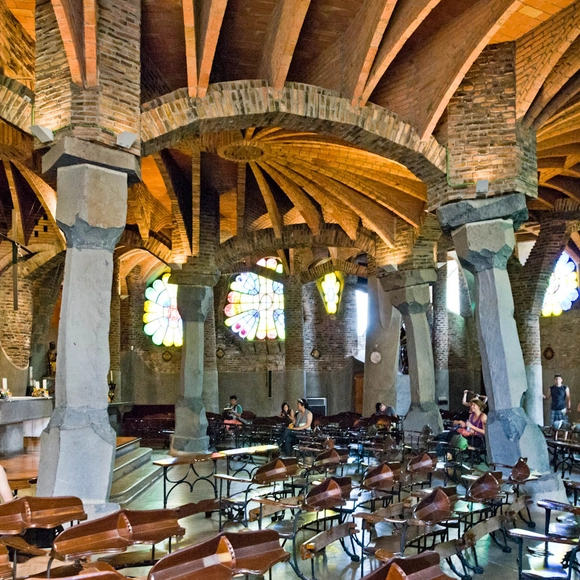
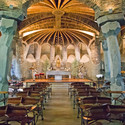
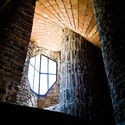
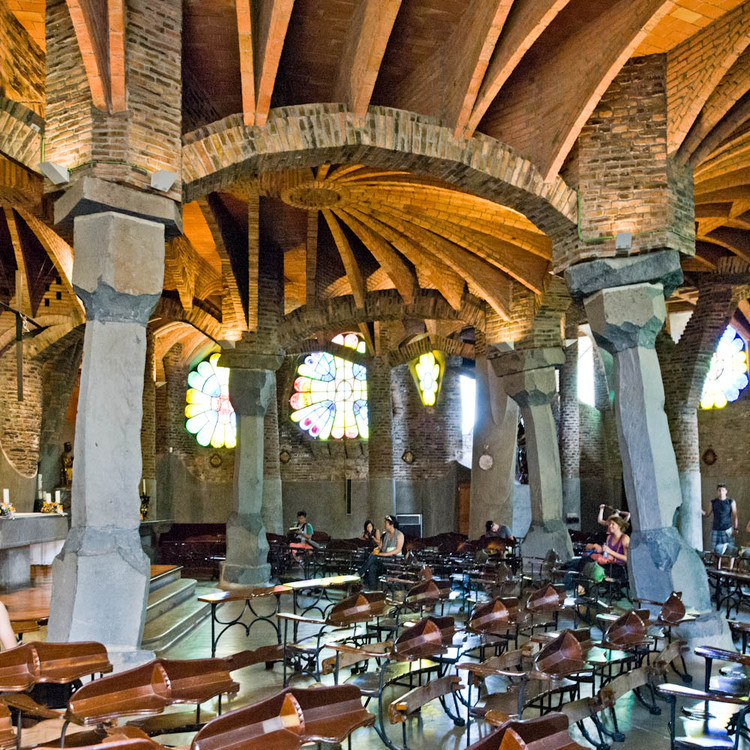
Colònia Güell was a workers’ colony located in Santa Coloma de Cervelló, presently a town of around 7,000 inhabitants 20km outside Barcelona. The area was a manufacturing suburb that grew rapidly around the turn of the 20th century. In 1898, Antoni Gaudi was commissioned by Count Eusebi de Güell, who wanted to provide a place of worship for the booming suburb, to build a Church. It was never actually completed because the money ran out as a result of economic hardships. When work stopped in 1915, only the crypt was completed, though it is nevertheless listed by UNESCO as a world heritage site. In 2002, a restoration was carried out by architect Antonio González Moreno who was widely criticized for allegedly mistreating Gaudi’s work.