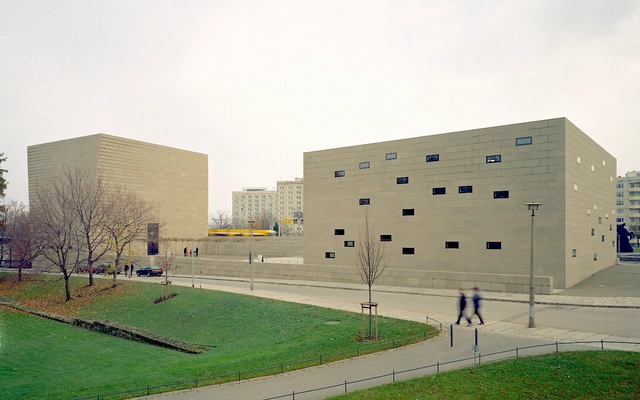
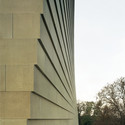
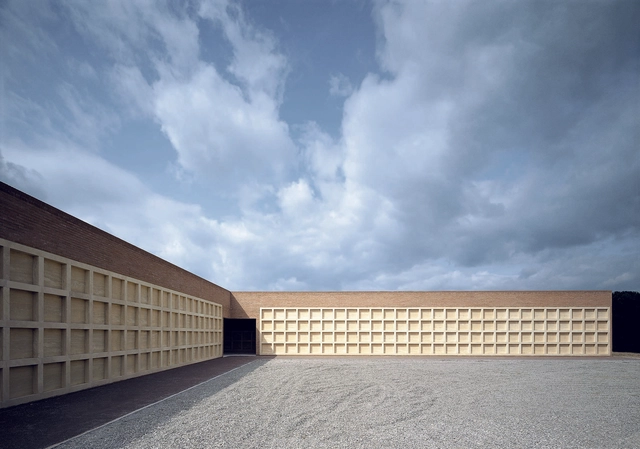
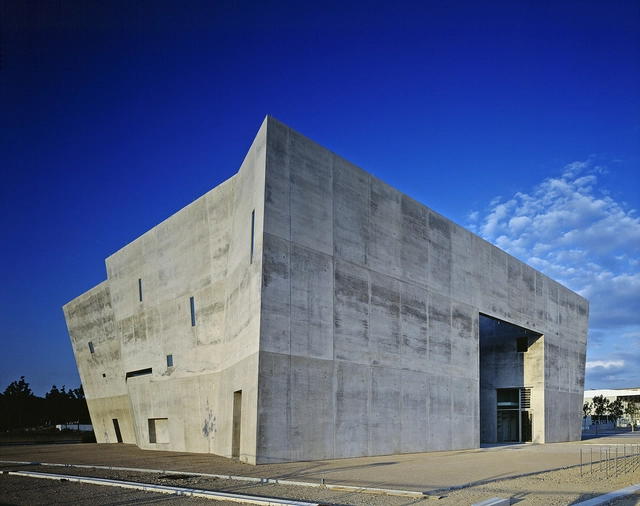
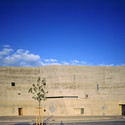
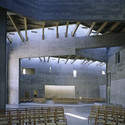
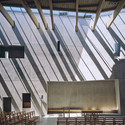
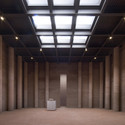
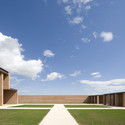
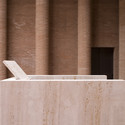
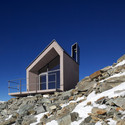
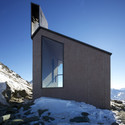
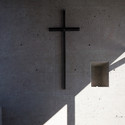
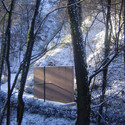
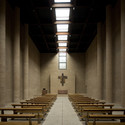
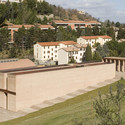
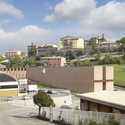
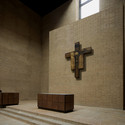
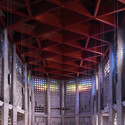
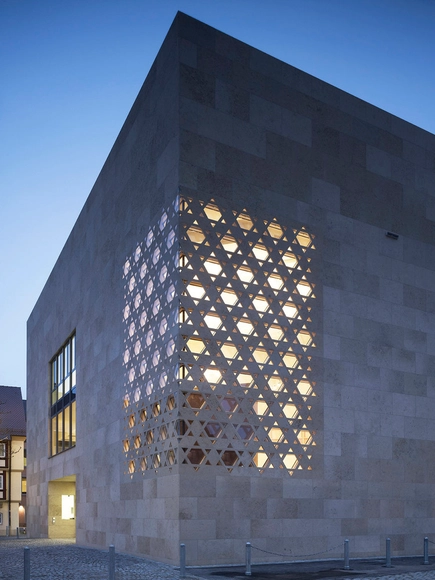
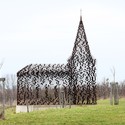
Recently destroyed by the 2010 Earthquake, Port-au-Prince’s new design for the National Cathedral is presented as an absolute plain wall of concrete which expresses the true character of the construction. Designed by NC-Office, the concrete material is not only structurally appropriate, but it also produces a somber cool space that absorbs light – forming an architecture of shadows. More images and architects’ description after the break.
The highly acclaimed Los Angeles-based practice Brooks + Scarpa Architects, along with KZF Design, have released plans for a new Interfaith Chapel at the University of North Florida. Drawing inspiration from a free-flowing wedding gown, its informally shaped footprint - reminiscent of an allegorical figure such as Justice, Faith, Hope, Charity, Prudence and Fortitude - flows upward and culminates at the top with a large skylight whose light is diffused by a wooden lattice spire that is derived from the symbol of infinity.
The symbolic, 7000 square-foot structure will provide students with an intimate, spiritual space that may be used daily while also supporting a variety of diverse religious services, such as student ceremonies, weddings, lectures, meditative practices, musical performances and more.
Learn more about Brooks + Scarpa’s wooden chapel after the break.
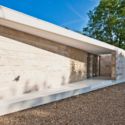
Award-winning London based architecture practice Piercy & Company recently revealed their proposal for Drayton Green Church in Ealing, London, a new building for the International Presbyterian Church (IPC). Their scheme retains an existing Grade ll listed chapel – originally built as an annex to the previously adjacent St Helena’s Home for ‘fallen women’ – and encloses it within a larger scheme. This new design includes an entrance hall, administrative and meeting spaces, and a worship space for up to 200 people. They are anticipating to start construction in the summer of 2013. More images and architects’ description after the break.
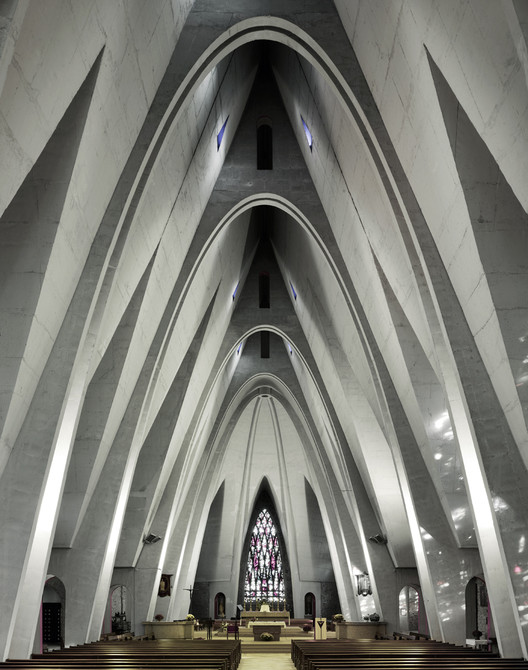
As Europe recovered from the death and destruction of World War II, countries got back to the business of rebuilding their communities and, of course, their churches. The need to make sense of the madness of the War was palpable - as was the need to express this modern-day spirituality in a form that broke from the past and embraced this new world.
The result was a bevy of European churches that - although often misunderstood by practitioners - represent some of our best-preserved examples of Modernist architecture. Photographer Fabrice Fouillet made it his mission to photograph these beauties in a series he calls "Corpus Christi." You can see the images - as well as Fouillet's description of the work - after the break...
The main purpose of the design for the Istanbul Camlica Mosque, which won the second prize in the architectural competition, was to create the largest worship place that has ever been designed, and cover it with one single roof. SN Architects successfully did this by using the load bearing properties of one of the traditional systems that often used “vault systems” and using contemporary architectural and engineering facilities. More images and architects’ description after the break.