In the early modern period, Taoist monks cultivated Bonsai trees seeking to bring their beauty from the outside to the inside, considering them a link between the human and the divine. Likewise, in the 18th century, different tree-lined walks and avenues arose on the outskirts of some European cities, generating spaces for rest and socialization that were previously non-existent in cities at that time.
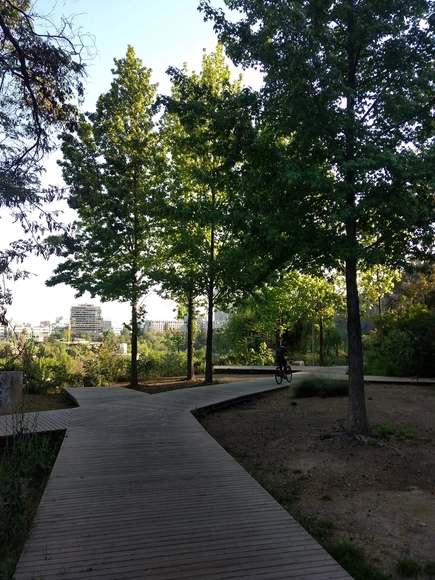
In cities today, trees are essential elements in the urbanization process and act as irreplaceable counterpoints to manmade constructions for spatial harmony. Choosing appropriate tree species and maintaining them correctly generates countless benefits, such as acoustic and visual insulation, temperature regulation, the generation of biological corridors, and control of wind speeds. The main mistake planners can make when choosing tree species is forgetting that they are living beings and have specific needs.
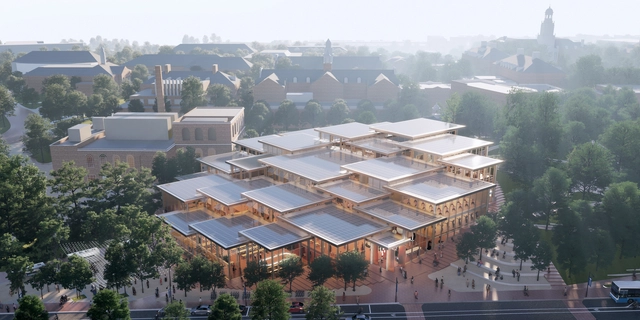
Johns Hopkins University has selected BIG to design its new Student Center, regenerating the heart of its campus and reviving the social experience, from a shortlisted list of 4 offices, after a months-long international competition. Entitled “The Village”, the proposal is an “open, modern, and welcoming facility envisioned as a social engagement hub for all members of the Hopkins community”.
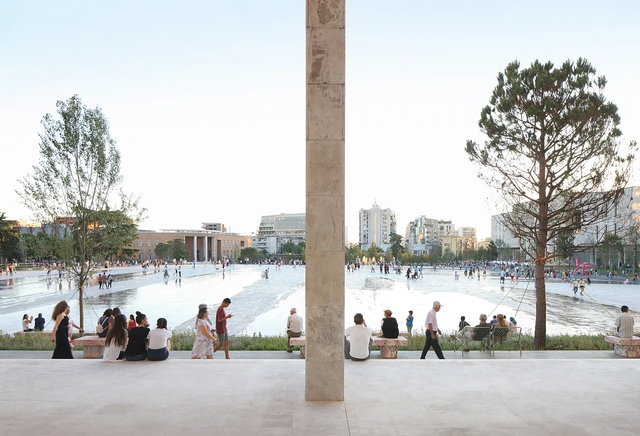
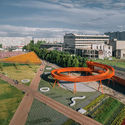
Remnants of the Socialist era, the large-scale architecture and urban spaces of the Eastern European Bloc still constitute a challenging legacy, at odds with contemporary urban environments and the values shaping cities today. This ideologically charged architecture is being reclaimed either through the reconciliation of the public opinion with this part of history, adaptive re-use, renovation, or through its re-contextualization as architectural heritage. By (re)introducing the human scale within these monumental architecture projects and public spaces, these entities are being restored to the urban and cultural life of cities.
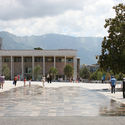
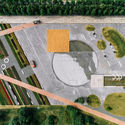
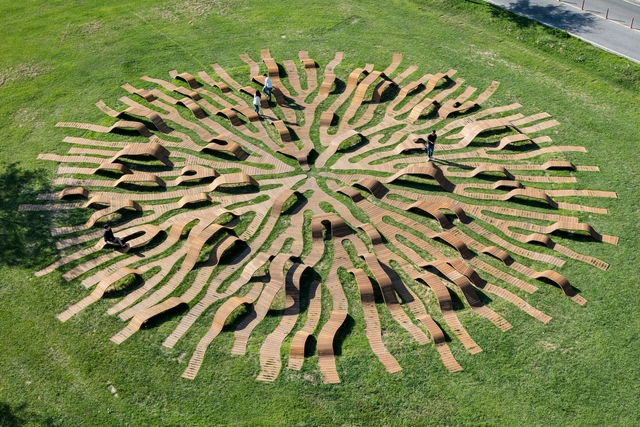
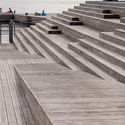
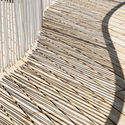
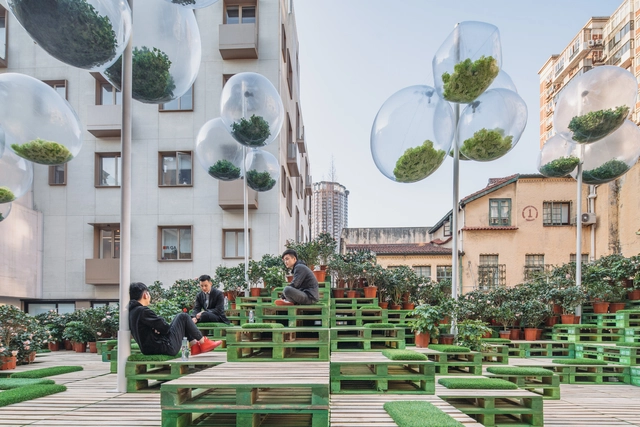
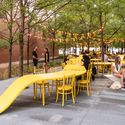
Wooden floors are know for their warm appearance, rich texture, and natural tones that vary according to the origin of the planks, changing with the weather and the passage of time. Outdoors, wooden surfaces are widely used for terraces and living areas, taking advantage of these inviting qualities to bring people together on warm and welcoming floors. Built with modular pieces, wooden decks can easily form artificial topographies, shaping creative and effective public spaces for rest, sports, games, and collective gathering.
Being in confinement has produced unconventional means of exploring architectural spaces and installations. Instead of putting everything on hold until life goes back to normal, designers and curators found inspiration from practices like performance arts and theatre, breaking down the walls between the subject and viewers but from a distance.
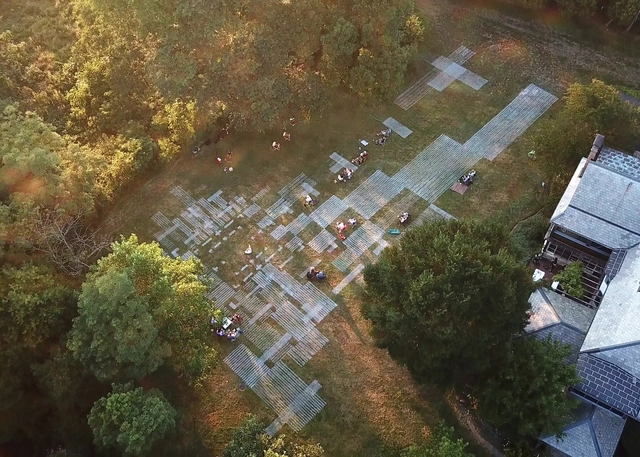
Ashley Bigham and Erik Herrmann of Outpost Office reimagined the theme of "mobility" by creating 1:1 scale drawings on the Ragdale campus using GPS-controlled field marking robots. Their unique urban installation, which addressed modern-day concerns such as public spaces, how we are engaging with them, and physicality, won first place in the 2020 Ragdale Ring competition.
A re-wilded park. Illustration by Sarah Welch. Image Courtesy of SWA Group
As the pandemic has worn on, the American public has adopted parks and neighborhood streets as safe spaces. This will not be a short-lived phenomenon –bikes have been repaired, running shoes purchased, and puppies adopted. People are growing accustomed to spending time in the outdoors to exercise, spend time with family, enjoy nature –and take that growing puppy for walks.
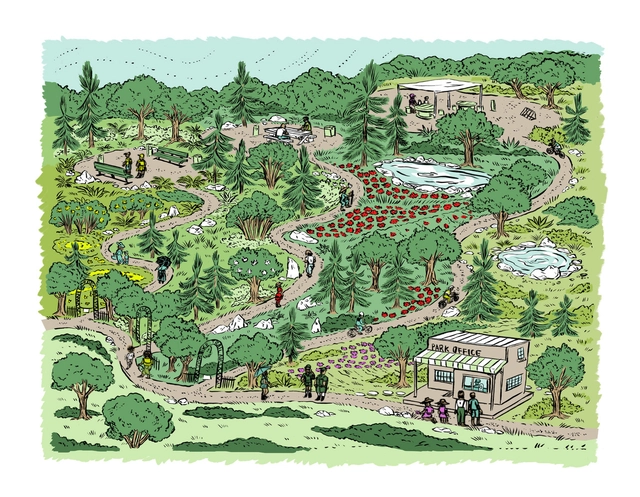
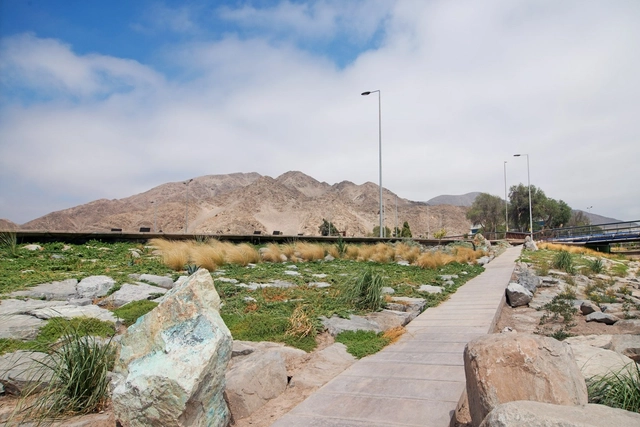
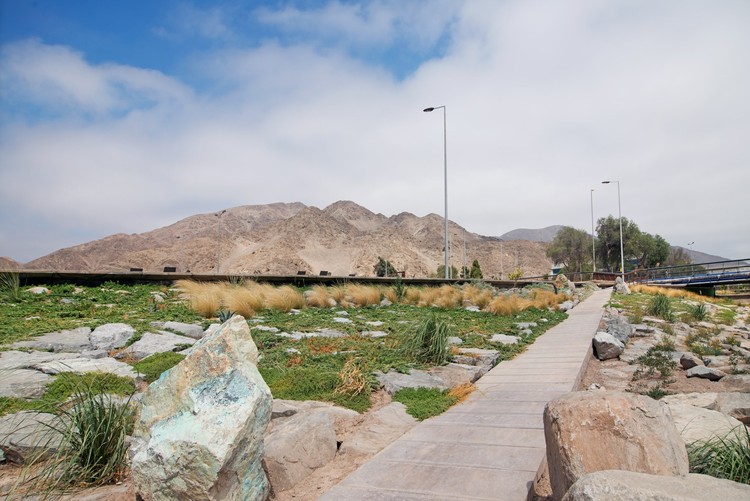
Does it make sense to design green parks in desert cities such as Casablanca, Dubai, or Lima? Ostensibly it does because they contribute freshness and greenness to the urban environment. In exchange, however, they disrupt native local ecosystems, incur high maintenance bills, and begin a constant struggle to ensure water availability.
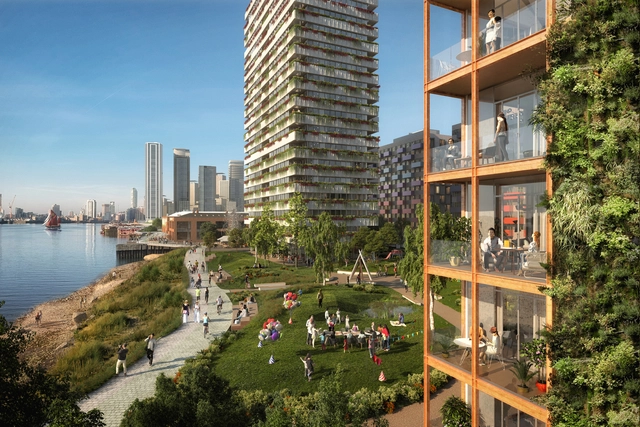
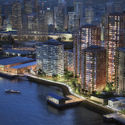
Regeneration specialist U+I submitted plans for Morden Wharf in June 2020, comprising 1,500 new homes, employment spaces, and a landscaped park along 275m of the River Thames. Located on Greenwich Peninsula in London, the mixed-use scheme designed by OMA includes more than six acres of the high-quality public realm, 12 high quality, and tenure-blind residential buildings, as well as commercial, retail, and community spaces.
World Architecture Day, celebrated on the first Monday of every October, was set up by the Union International des Architects (UIA) back in 2005 to “remind the world of its collective responsibility for the future of the human habitat”, coinciding with UN-Habitat's World Habitat Day.
https://www.archdaily.com/277569/happy-world-architecture-dayArchDaily Team
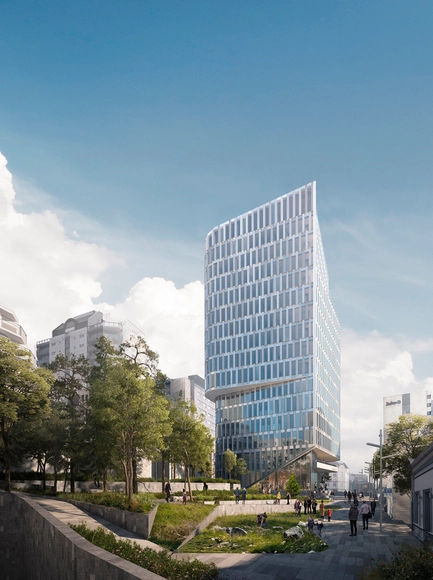
The sustainable mixed-use K8 tower, designed by Schmidt Hammer Lassen moves forward with final approval from the StavangerCity Council in Norway. The proposal aims to encourage future urban developments in the city and generates a new benchmark for sustainable and creative work environments.
Urban acupuncture is a design tactic promoting urban regeneration at a local level, supporting the idea that interventions in public space don’t need to be ample and expensive to have a transformative impact. An alternative to conventional development processes, urban acupuncture represents an adaptable framework for urban renewal, where highly focused and targeted initiatives help regenerate neglected spaces, incrementally deploy urban strategies, or consolidate the social infrastructure of a city.
The Un-Habitat or the United Nations agency for human settlements and sustainable urban development, whose primary focus is to deal with the challenges of rapid urbanization, has been developing innovative approaches in the urban design field, centered on the active participation of the community. ArchDaily has teamed up with UN-Habitat to bring you weekly news, article, and interviews that highlight this work, with content straight from the source, developed by our editors.
“People all over the world are increasingly demanding a say in the way that their cities are planned and designed”.For our third collaboration, discover UN-HABITAT’s guideline on achieving quality public spaces, a site-specific assessment consisting of a series of activities and tools that help understand the quality of the selected area and plan future design and planning solutions on the site through participatory approaches. Focusing on open public space, within a five minutes walking distance, the guide helps users gather and analyze information, creating a logical transition from needs to design.
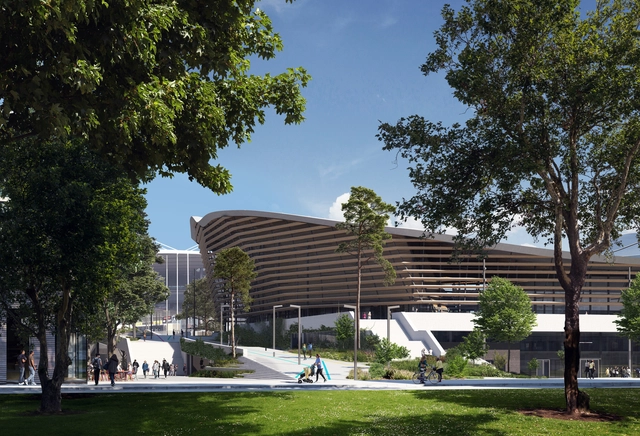
Dutch architectural office VenhoevenCS with its French partner Ateliers 2/3/4/ have won the competition to design the Aquatics Centre for the Olympics Games of 2024 in Paris. The innovative sports center, connected by a new pedestrian bridge to the existing “Stade de France”, will host competitions for water polo, diving, and synchronized swimming. It will also be transformed into a Boccia stadium during the Paralympics. Designed for multifunctional use, the only building to be built for the Games, will remain for the people in Saint-Denis, after the event.
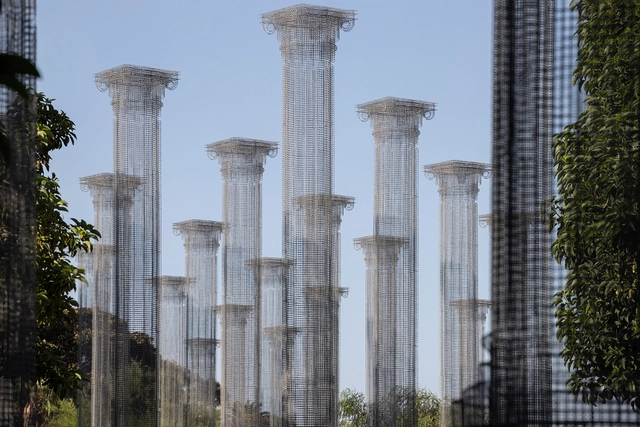
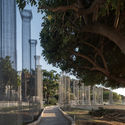
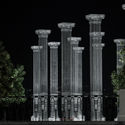
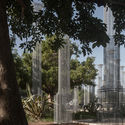
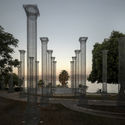
Edoardo Tresoldi has inaugurated a permanent installation on Reggio Calabria’s seafront, in Italy entitled Opera. Commissioned by the local Municipality and the Metropolitan City, the public art intervention “was created to celebrate the contemplative relationship between place and human beings through the language of classical architecture and the transparency of the Absent Matter”.
Trang Keo Park - Vietnam. Image Courtesy of UN-Habitat
The Un-Habitat or the United Nations agency for human settlements and sustainable urban development, whose primary focus is to deal with the challenges of rapid urbanization, has been developing innovative approaches in the urban design field, centered on the active participation of the community. ArchDaily has teamed up with UN-Habitat to bring you weekly news, article, and interviews that highlight this work, with content straight from the source, developed by our editors.
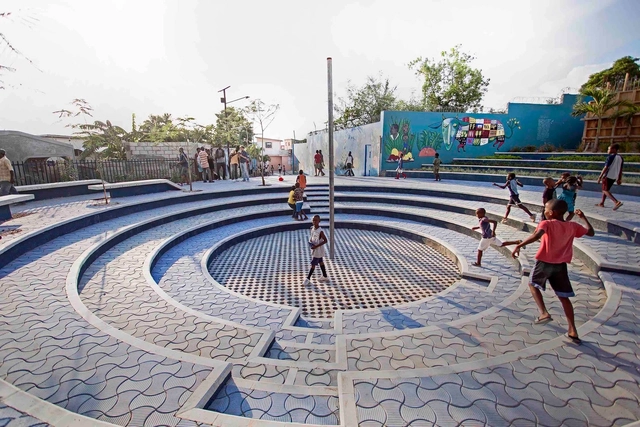
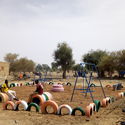
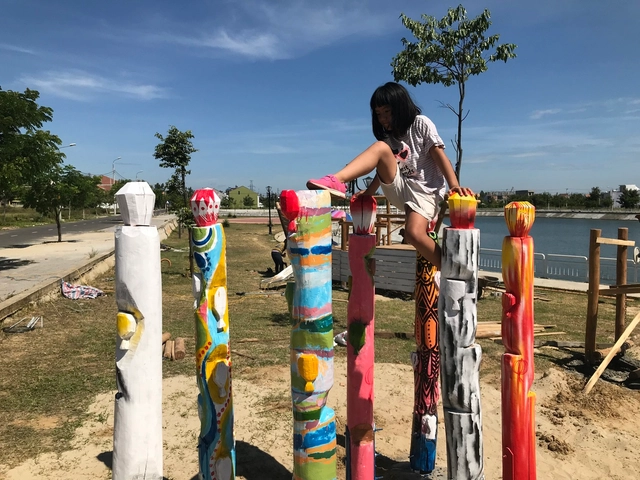
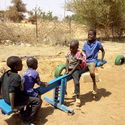
In this second collaboration with UN-Habitat, discover different examples on how to design with and for kids in marginalized areas. In fact, child-responsive planning leads to a vibrant and animated inclusive city. Focusing on spaces for children, this feature highlights cases in Bangladesh, Niger, and Vietnam. These public spaces implementation projects seek to promote environment-friendly livable cities, taking on participatory approaches and involving the youngsters from the beginning of the process. In the end, no one knows the needs of kids, more than the kids themselves.
The world's population is expected to reach 9.7 billion in 2050, an increase of 2 billion persons in the next 30 years.
As the world's population continues to increase, new challenges are expected to arise in addition to the aggravating issues already faced today. How will we live together? The theme of the Venice Biennale of Architecture, postponed to 2021, intends to instigate discussions and proposals concerning the role of architecture in times of increasing political differences, intolerance, and growing economic inequality.
Since the 1990s, copious amounts of cities in China have been undergoing urban renewal. Prompted by this state-facilitated urban redevelopment, skyscrapers are being built rapidly in major cities to attract affluent middle-classes, resulting in countless relocation and displacement of the working-class population. Such process is known as “gentrification”.
As cities and neighborhoods are being gentrified thoroughly to meet middle-class taste and boost economic growth, urban land resources are being treated in ways to increase business potential, leaving little room for the development of urban street life. Among rows of concrete and steel constructions, nowadays, urbanites are struggling to find a place to sit, rest, and play during leisure time. Analyzing five architectural practices creating livable urban public spaces, this article discusses the challenges and opportunities of urban revitalization in China under the phenomenon of gentrification.
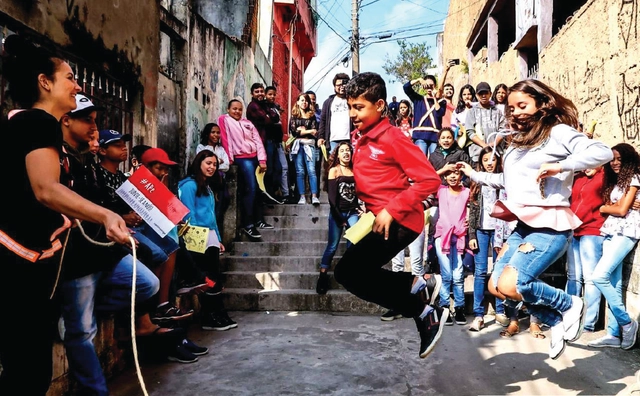
Mind the Step - Jardim Nakamura, São Paulo, Brazil. Image Courtesy of UN-Habitat
The Un-Habitat or the United Nations agency for human settlements and sustainable urban development, whose primary focus is to deal with the challenges of rapid urbanization, has been developing innovative approaches in the urban design field, centered on the active participation of the community. ArchDaily has teamed up with UN-Habitat to bring you weekly news, article, and interviews that highlight this work, with content straight from the source, developed by our editors.
Discover in this feature the first lesson to learn from UN-Habitat, on how to design with and for the people. In order to create great public spaces, the only secret is listening to the community. Questioning “how can we design together”, this article presents cases in Ghana, Brazil, and India, focusing on street, market, and open public spaces implementation projects, where interventions took on participatory approaches and involved local residents from the beginning of the process.




_Gent_Onuzi.jpg?1603920105 "The Pyramid in Tirana. Image © Gent Onuzi")