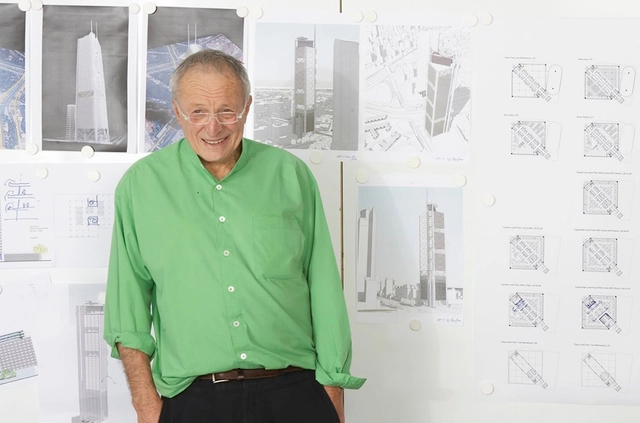
Design and the City is a podcast by reSITE, raising questions and proposing solutions for the city of the future. In the first episode, Thomas Heatherwick founder of Heatherwick Studios discusses the notion of Designing on a Human Scale, describes his conceptual approach and introduces his latest venture in the heart of historic Prague. Joining the interview is ArchDaily editor, Christele Harrouk.
Design and the City is a podcast by reSITE about how we can use design to make cities more livable and lovable. Every week, a new episode will be released featuring speakers that explore the future of our cities, like Thomas Heatherwick from Heatherwick Studios, Chris Precht from Studio Precht, Leona Lynen from Haus der Statistik and Yosuke Hayano from MAD Architects among others.
City of the Future is a bi-weekly podcast from Sidewalk Labs that explores ideas and innovations that will transform cities.
In the final episode of season 2, hosts Eric Jaffe and Vanessa Quirk discuss the past, present, and future of responsive architecture with Sidewalk Labs’ director of public realm Jesse Shapins, engineer and microclimate expert Goncalo Pedro, Bubbletecture author Sharon Francis, and renowned architect Liz Diller of Diller Scofidio + Renfro.
City of the Future is a bi-weekly podcast from Sidewalk Labs that explores ideas and innovations that will transform cities.
In the fourth episode from season 2, hosts Eric Jaffe and Vanessa Quirk discuss the future of electrification with Gretchen Bakke, author of The Grid: The Fraying Wires Between Americans and Our Energy Future, and Sidewalk Labs’ director of sustainability Charlotte Matthews.
City of the Future is a bi-weekly podcast from Sidewalk Labs that explores ideas and innovations that will transform cities.
In the third episode from season 2, hosts Eric Jaffe and Vanessa Quirk discuss the future of mobility in cities and share ideas that would make it way easier to get around without owning a car. In the podcast, author Horace Dediu talks about micro-mobility; TriMet's Bibiana McHugh tells the story behind GTFS and the OpenTrip Planner; MaaS Global CEO Sampo Hietanen explains the concept of Mobility as a Service (MaaS); and Sidewalk Labs' Corinna Li explains what Mobility on Demand could be like in the city of the future.
City of the Future is a bi-weekly podcast from Sidewalk Labs that explores ideas and innovations that will transform cities.
In the second episode from season 2, hosts Eric Jaffe and Vanessa Quirk discuss the future of retail with author Mark Pilkington, social entrepreneur Sarah Filley, Sidewalk Labs’ Director of Development Carrie Jackson, and others.
City of the Future is a bi-weekly podcast from Sidewalk Labs that explores ideas and innovations that will transform cities.
In this episode, the first from season 2, hosts Eric Jaffe and Vanessa Quirk discuss the future of housing with Ori CEO Hasier Larrea, architect Eric Bunge, Starcity CEO Jon Dishotsky, Sidewalk Labs housing expert Annie Koo, and others.
The Architecture Academy podcast is a new architecture and design podcast which has a focus on ideas and education. The team believes that through education and better conversations they can improve how people design their buildings and cities. The Architecture Academy has just completed their first series of podcasts with conversations with world experts on topics such as beauty, happiness, education, sustainability, vernacular architecture and housing.
On the latest episode of Time Sensitive, a newly launched podcast produced the New York-based “conscious entertainment” media company The Slowdown, co-host Spencer Bailey interviews architect Elizabeth Diller of Diller Scofidio + Renfro in a blockbuster-length conversation. Diller talks with Bailey about designing everything from the High Line to The Shed to the upcoming expansion of MoMA, and also delves deeper into her past, revealing how it was her mother’s idea for her “go into architecture, and if not architecture, then dentistry.” But upon getting into the Cooper Union and studying with professors like Peter Eisenman and John Hejduk, Diller’s path was clear—for the most part, anyway; it’s necessary to listen to the full episode to see why her journey to where she is today was indeed unconventional and roundabout.
Media channel the slowdown has released the latest episode in their Time Sensitive podcast series, featuring an interview by Andrew Zuckerman with BIG founder Bjarke Ingels. The episode, titled “Bjarke Ingels to Cities: Take a Longer View,” sees Ingels communicate the value and world-changing potential of architecture, and reflect on his own career.
https://www.archdaily.com/917626/bjarke-ingels-appears-on-podcast-to-discuss-his-past-present-and-futureNiall Patrick Walsh
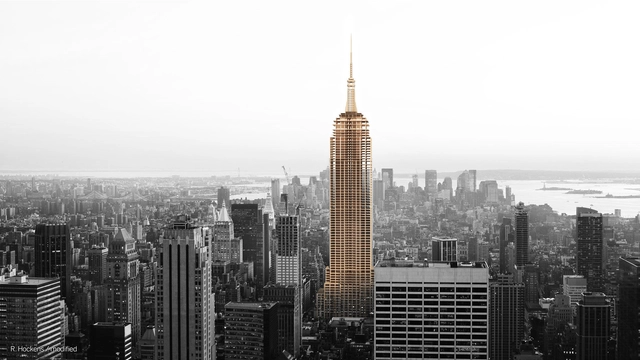
Courtesy of MGA. ImageMGA reenvisioned the Empire State Building in mass timber construction
Steel and concrete facades have dominated contemporary cityscapes for generations, but as pressures from climate change pose new challenges for design and construction industries, some firms are turning to mass timber as the construction material of the future. But could it be used for structures as complex as skyscrapers?
As an avid podcast listener I thought I would put together a list of the best architecture podcasts that are also hosted by architects. I think it is helpful to get insight into the design and business side of architecture from someone who has been through the process personally.
So, in no particular order, here are my picks for the best architecture podcasts currently available.
In these three episodes of GSAPP Conversations, a podcast series designed to offer a window onto the expanding field of contemporary architectural practice, three globally-operating emerging practices are pressed and interviewed by students and staff from the New York-based school.
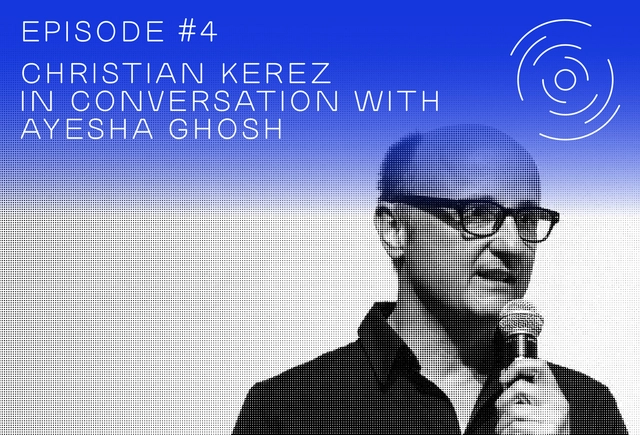
In this fourth episode of GSAPP Conversations, third-year GSAPP Master of Architecture student Ayesha Ghosh speaks with Swiss architect Christian Kerez, who delivered the opening lecture of the school's Spring 2017 Semester. Kerez's recent projects include Incidental Space at the Swiss Pavillion of the 2016 Venice Architecture Biennale, an amorphous structure which raised questions of the limits of imagination and technical feasibility in architecture today.
https://www.archdaily.com/867558/columbia-gsapp-conversations-4-wonder-structure-christian-kerez-contemporary-swiss-architectureAD Editorial Team
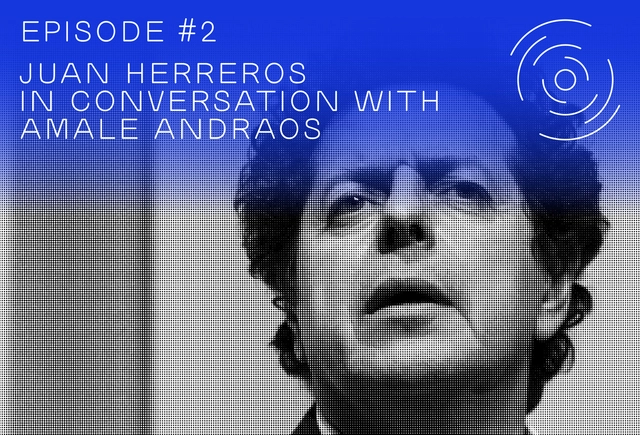
In this second episode of GSAPP Conversations, Amale Andraos speaks with Spanish architect and GSAPP Professor Juan Herreros about the relationship between teaching and practicing architecture, and how he has carefully designed a particular way of working globally. Herreros, who co-founded Abalos&Herreros in 1984 and currently leads estudio Herreros, offers insight into how working sensitively in foreign settings also helps to develop a robust local practice, and how he is bringing new models of emerging practices to his students in GSAPP’s Advanced Architecture Studios.
https://www.archdaily.com/867553/columbia-gsapp-conversations-2-juan-herreros-amale-andraos-spanish-architecture-starting-small-practiceAD Editorial Team
In the past 10 years, the Curry Stone Design Prize has grown to become one of the world’s preeminent awards honoring socially impactful design professionals and the influence of design as a force for improving lives and strengthening communities.
This year, in honor of the prize’s 10th anniversary, the Curry Stone Foundation will acknowledge the largest group of influential practices yet, recognizing 100 firms over the next twelve months as members of the “Social Design Circle.” Each firm will be profiled on the award website, as well as participate in the foundation’s new podcast, Social Design Insights, beginning on January 5th, 2017.
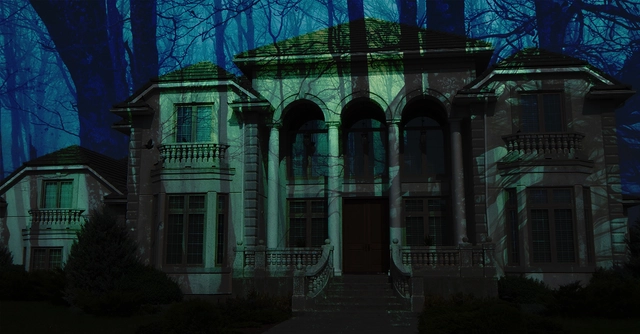
Architecture critic Kate Wagner has collaborated with 99% invisible on a podcast and a guest column delving into the tragedies of McMansions and the representation of evil through architecture in film, respectively.
In the podcast, Wagner, who is the author of McMansion Hell, is interviewed by Roman Mars and explains how the McMansion typology evolved, as well as how it became so despised, delving into topics of architectural history and representations of wealth.
Through her article as a guest columnist, Wagner explores the real-world buildings used in film to depict the evil corporation archetype in movies like Robocop, Blade Runner, and The Matrix.


TomasPrinc-400.jpg?1580894143&format=webp&width=640&height=580)


TomasPrinc-221.jpg?1580898318 "© Tomas Princ")
TomasPrinc-400.jpg?1580894143)