1. ArchDaily
  2. Peter Zumthor

Peter Zumthor: The Latest Architecture and News

Recent Poll Shows that Only 5% Approve Zumthor LACMA Scheme

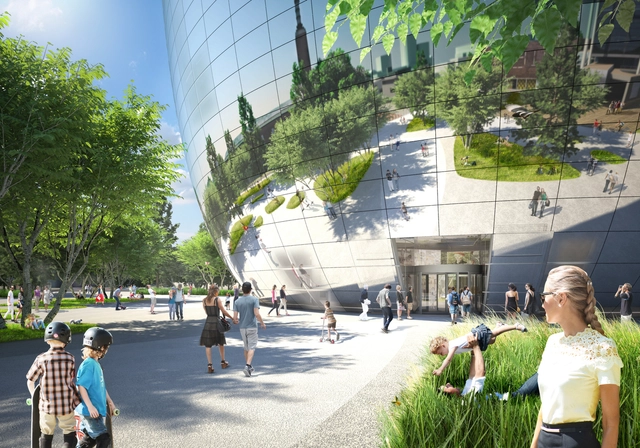
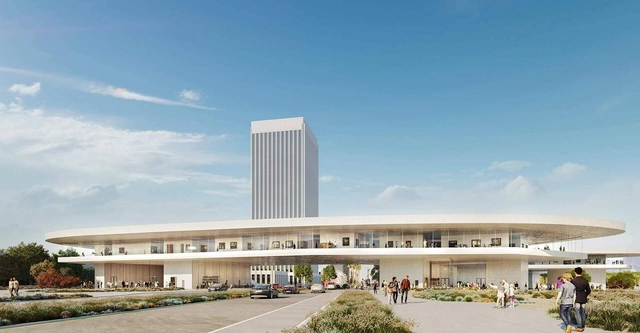
Conducted by The Citizens’ Brigade to Save LACMA, a recent poll revealed that only 5% approve of the current Peter Zumthor-designed scheme for a new LACMA, 50% Support the renovation of the existing buildings, and 85% favor encyclopedic collection in one location. The public survey also highlighted 3 designs selected out of the shortlisted six proposals of the “LACMA Not LackMA” competition.

Spotlight: Peter Zumthor

Subscriber Access | 
Spotlight: Peter Zumthor - Image 10 of 4
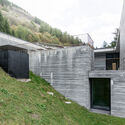
The Therme Vals. Image © Fernando Guerra | FG+SG

Known for his sensuous materiality and attention to place, 2009 Pritzker Laureate Peter Zumthor (born April 26, 1943) is one the most revered architects of the 21st century. Shooting to fame on the back of The Therme Vals and Kunsthaus Bregenz, completed just a year apart in 1996 and 1997, his work privileges the experiential qualities of individual buildings over the technological, cultural and theoretical focus often favored by his contemporaries.

Spotlight: Peter Zumthor - Image 1 of 4Spotlight: Peter Zumthor - Image 6 of 4Spotlight: Peter Zumthor - Image 7 of 4Spotlight: Peter Zumthor - Image 12 of 4Spotlight: Peter Zumthor - More Images+ 11

Studio Akkerhuis Transforms a 19th Century Flour Mill Complex into a Mixed-Use Project

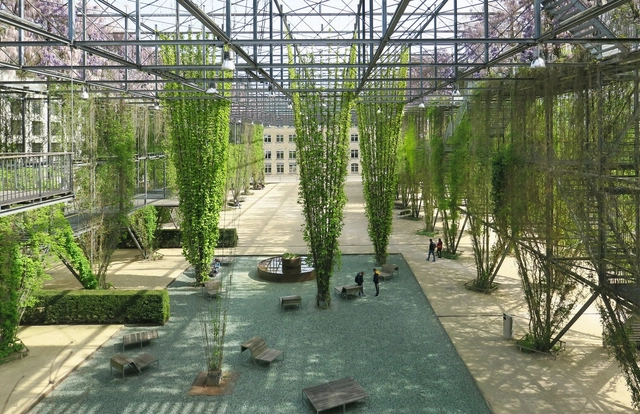
Part of a bigger vision and a master plan by Peter Zumthor, Studio Akkerhuis’ new 55.000 square meter project in Leiden’s 19th-century flour mill complex is under construction. With a landscape by Piet Oudolf and Lola, the development that recently won the "Future Project - Commercial Mixed Use” at WAF, will include shops, galleries, apartments, workspaces, a hotel, and a spa.

Studio Akkerhuis Transforms a 19th Century Flour Mill Complex into a Mixed-Use Project - Image 1 of 4Studio Akkerhuis Transforms a 19th Century Flour Mill Complex into a Mixed-Use Project - Image 2 of 4Studio Akkerhuis Transforms a 19th Century Flour Mill Complex into a Mixed-Use Project - Image 3 of 4Studio Akkerhuis Transforms a 19th Century Flour Mill Complex into a Mixed-Use Project - Image 4 of 4Studio Akkerhuis Transforms a 19th Century Flour Mill Complex into a Mixed-Use Project - More Images+ 30

Studying the "Manual of Section": Architecture's Most Intriguing Drawing

Subscriber Access | 

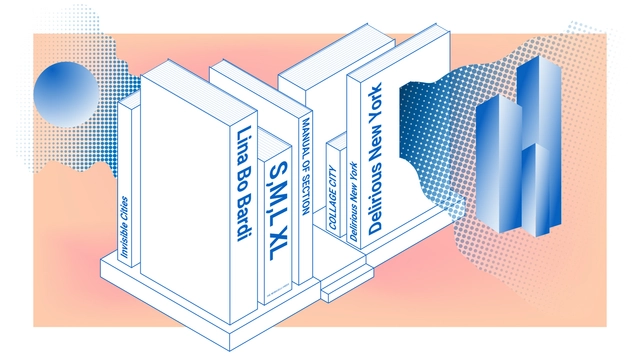
For Paul Lewis, Marc Tsurumaki and David J. Lewis, the section “is often understood as a reductive drawing type, produced at the end of the design process to depict structural and material conditions in service of the construction contract.” A definition that will be familiar to most of those who have studied or worked in architecture at some point. We often think primarily of the plan, for it allows us to embrace the programmatic expectations of a project and provide a summary of the various functions required. In the modern age, digital modelling software programs offer ever more possibilities when it comes to creating complex three dimensional objects, making the section even more of an afterthought.

With their Manual of Section (2016), the three founding partners of LTL architects engage with section as an essential tool of architectural design, and let’s admit it, this reading might change your mind on the topic. For the co-authors, “thinking and designing through section requires the building of a discourse about section, recognizing it as a site of intervention.” Perhaps, indeed, we need to understand the capabilities of section drawings both to use them more efficiently and to enjoy doing so.

Studying the "Manual of Section": Architecture's Most Intriguing Drawing - Image 1 of 4Studying the "Manual of Section": Architecture's Most Intriguing Drawing - Image 2 of 4Studying the "Manual of Section": Architecture's Most Intriguing Drawing - Image 3 of 4Studying the "Manual of Section": Architecture's Most Intriguing Drawing - Image 4 of 4Studying the Manual of Section: Architecture's Most Intriguing Drawing - More Images+ 10

Peter Zumthor's Revised LACMA Design for Los Angeles is Approved

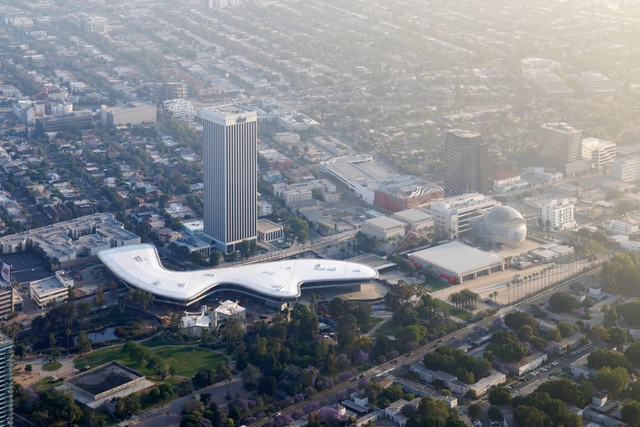
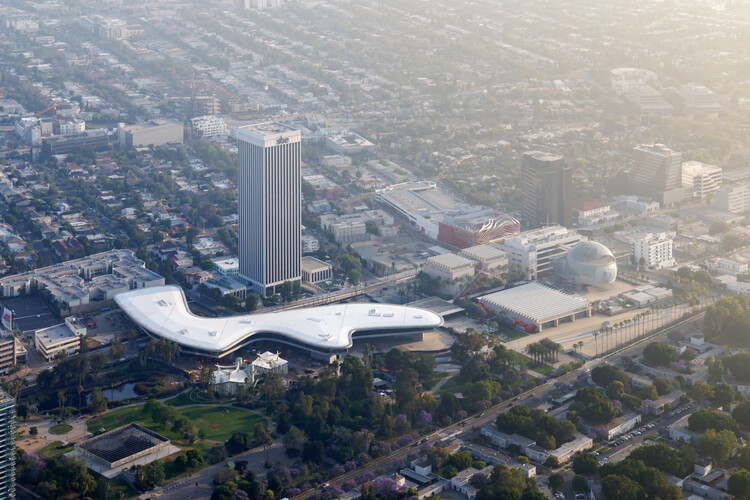
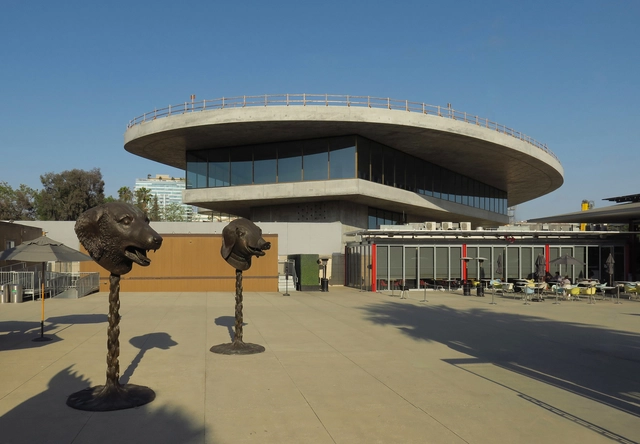
Peter Zumthor has gained approval for a paired-back design for the LACMA expansion in Los Angeles. The proposal for the Los Angeles County Museum of Art was part of a final environmental impact report submitted for the $650-million project. Undergoing a series of changes over previous years, the latest design will still branch over Wilshire Boulevard with amorphous, sand-colored concrete galleries. The new expansion plan reduces both the expansion's size and footprint.

Peter Zumthor's Revised LACMA Design for Los Angeles is Approved - Image 1 of 4Peter Zumthor's Revised LACMA Design for Los Angeles is Approved - Image 2 of 4Peter Zumthor's Revised LACMA Design for Los Angeles is Approved - Image 3 of 4Peter Zumthor's Revised LACMA Design for Los Angeles is Approved - Image 4 of 4Peter Zumthor's Revised LACMA Design for Los Angeles is Approved - More Images+ 4

14 Buildings Shortlisted for RIBA South West Awards

The Royal Institute of British Architects have announced fourteen buildings shortlisted from 48 entries for this year's RIBA South West Awards. The work includes six projects are by new and established practices based in the South West, as well as a series of new and reconfigured houses. All shortlisted buildings will be assessed by a regional jury with the winning buildings announced at an awards ceremony this May.
a+u 18:01 Feature: Recent Projects

This edition of a+u introduces the 23 recent works of architecture and technology that emerged from their relationship with the urban structure or the development history. In this issue, we focus our attention on the process of conceiving and realizing the projects driven by various motivations and tactics. We invite readers to look beyond the confinement of a single building and examine the works on their possibilities to be in use for a long time.
Cynical Optimism Links the Homes of Alain de Botton's Living Architecture Series

Subscriber Access | 
Cynical Optimism Links the Homes of Alain de Botton's Living Architecture Series - Image 4 of 4
Dune House / JVA. Image © Nils Petter Dale

Alain de Botton’s Living Architecture project - a joyful, democratically-minded concept to share quality architecture in the UK - was borne out of personal crisis. The Swiss-born philosopher and author gained fame in both popular and architectural circles following the release of his book, "The Architecture of Happiness."

The book was immediately successful (movie buffs may recall its brief cameo in the 2009 film 500 Days of Summer), but the response unsettled Botton. “...However pleasing it is two write a book about an issue one feels passionately about," he explained to Assemble Papers, "the truth is that - a few exceptions aside - books don’t change anything. I realized that if I cared so much about architecture, writing was a coward’s way out; the real challenge was to build.”

Cynical Optimism Links the Homes of Alain de Botton's Living Architecture Series - Image 9 of 4Cynical Optimism Links the Homes of Alain de Botton's Living Architecture Series - Image 14 of 4Cynical Optimism Links the Homes of Alain de Botton's Living Architecture Series - Image 18 of 4Cynical Optimism Links the Homes of Alain de Botton's Living Architecture Series - Image 26 of 4Cynical Optimism Links the Homes of Alain de Botton's Living Architecture Series - More Images+ 26

Peter Zumthor's Rammed Concrete Retreat for Living Architecture Nears Completion in England

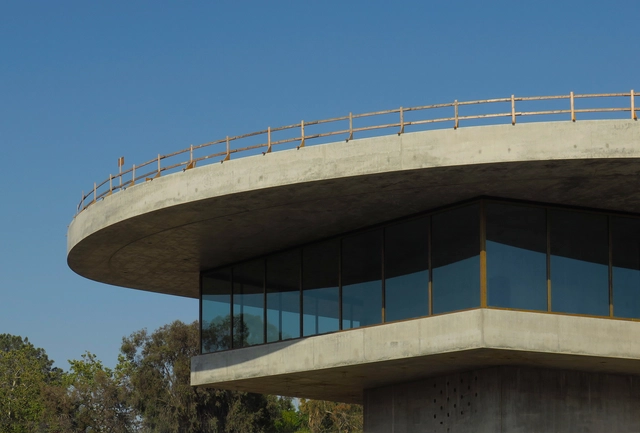
Living Architecture has published photographs of the Peter Zumthor-designed “Secular Retreat” as it nears completion in Chivelstone, Devon. The retreat will be the Pritzker Prize-winning architect’s first permanent building in the UK.

The dramatic, layered concrete and glass retreat is the seventh commission in the Living Architecture series, “designed by leading artists and architects in distinctive, unique sites across England.

Peter Zumthor's Rammed Concrete Retreat for Living Architecture Nears Completion in England - Image 1 of 4Peter Zumthor's Rammed Concrete Retreat for Living Architecture Nears Completion in England - Image 2 of 4Peter Zumthor's Rammed Concrete Retreat for Living Architecture Nears Completion in England - Image 3 of 4Peter Zumthor's Rammed Concrete Retreat for Living Architecture Nears Completion in England - Image 4 of 4Peter Zumthor's Rammed Concrete Retreat for Living Architecture Nears Completion in England - More Images+ 4

Life after Serpentine: Second Lives of Architecture's Famed Pavilions

If the surest sign of summer in London is the appearance of a new pavilion in front of the Serpentine Gallery, then it’s perhaps fair to say that summer is over once the pavilion is taken down. The installations have gained prominence since its inaugural edition in 2000, acting as a kind of exclusive honor and indication of talent for those chosen to present; celebrated names from the past names include Zaha Hadid, Rem Koolhaas, and Olafur Eliasson.

Life after Serpentine: Second Lives of Architecture's Famed Pavilions - Image 1 of 4Life after Serpentine: Second Lives of Architecture's Famed Pavilions - Image 2 of 4Life after Serpentine: Second Lives of Architecture's Famed Pavilions - Image 3 of 4Life after Serpentine: Second Lives of Architecture's Famed Pavilions - Image 4 of 4Life after Serpentine: Second Lives of Architecture's Famed Pavilions - More Images+ 15

Peter Zumthor's Kolumba Museum Uses Local Materials to Reframe Historic Experience

Subscriber Access | 

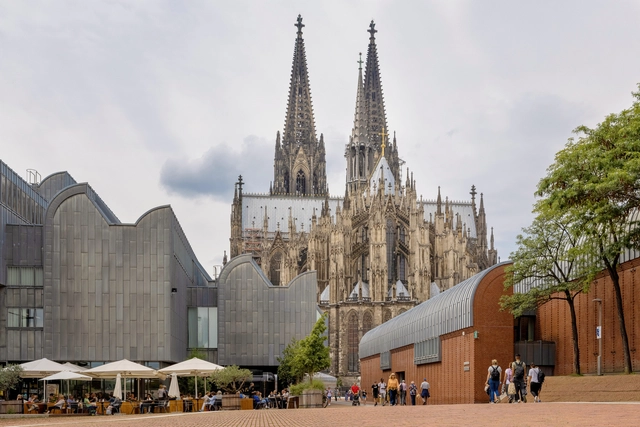
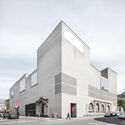
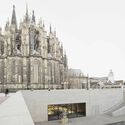
Peter Zumthor's quiet, technically pristine, and beautifully detailed work has long been an inspiration for architects. His Kolumba Museum, located in Cologne, Germany, a city that was almost completely destroyed in World War II, houses the Roman Catholic Archdiocese’s collection of art which spans more than a thousand years. Zumthor’s design delicately rises from the ruins of a late-Gothic church, respecting the site’s history and preserving its essence.

Peter Zumthor's Kolumba Museum Uses Local Materials to Reframe Historic Experience - Image 1 of 4Peter Zumthor's Kolumba Museum Uses Local Materials to Reframe Historic Experience - Image 2 of 4Peter Zumthor's Kolumba Museum Uses Local Materials to Reframe Historic Experience - Image 3 of 4Peter Zumthor's Kolumba Museum Uses Local Materials to Reframe Historic Experience - Image 4 of 4Peter Zumthor's Kolumba Museum Uses Local Materials to Reframe Historic Experience - More Images+ 16

Celebrate World Water Day With These 20 Designs That Feature Water Elements

Subscriber Access | 
Celebrate World Water Day With These 20 Designs That Feature Water Elements - Image 5 of 4
© Fernando Guerra | FG + SG

March 22 is World Water Day, an annual international celebration launched and organized by the United Nations. The goal of the day is to raise awareness about a wide range of water-based issues from around the world. This year’s theme is “Nature From Water”, which invites everyone to think about how nature can provide solutions to the water challenges we face today.

To celebrate World Water Day this year, we’ve rounded up 20 of our favorite projects that utilize water as a central design feature. Whether it be Zumthor's Thermal Vals or Chritso and Jeanne-Claude's Floating Piers, water has been playing an important role in architectural design and in demarcating the boundaries of nature against our built environment.

Celebrate World Water Day With These 20 Designs That Feature Water Elements - Image 1 of 4Celebrate World Water Day With These 20 Designs That Feature Water Elements - Image 2 of 4Celebrate World Water Day With These 20 Designs That Feature Water Elements - Image 3 of 4Celebrate World Water Day With These 20 Designs That Feature Water Elements - Image 4 of 4Celebrate World Water Day With These 20 Designs That Feature Water Elements - More Images+ 16

Fantastic Images of Architecture in the Fog: The Best Photos of the Week

Subscriber Access | 

Taking photographs in fog can be an experience as chaotic as it is enchanting. Although working with this phenomenon can be risky, since fog dramatically modifies the available light and the atmosphere of a scene, if you know how to take advantage of it, the result can lead to perfect photographs. Below is a selection of 10 images from prominent photographers such as Kevin Scott, Richard Barnes, and Koichi Torimura.

Fantastic Images of Architecture in the Fog: The Best Photos of the Week - Image 1 of 4Fantastic Images of Architecture in the Fog: The Best Photos of the Week - Image 2 of 4Fantastic Images of Architecture in the Fog: The Best Photos of the Week - Image 3 of 4Fantastic Images of Architecture in the Fog: The Best Photos of the Week - Image 4 of 4Fantastic Images of Architecture in the Fog: The Best Photos of the Week - More Images+ 5

Explore Peter Zumthor's 1986 Shelter for Roman Ruins in Quiet Solitude

Subscriber Access | 

In 1986, Peter Zumthor completed one of his first projects: a shelter over an Ancient Roman archaeological site in Chur, (Graubünden, Switzerland). Now over three decades old, this film by ArcDog captures the building and the preserved excavations that it sits around with a quiet sophistication. With only timber lamella to allow in light and ventilative air, the project stands as a testament to Zumthor's sensitive architectural approach.

LACMA Reveals New Renderings and Drawings of Zumthor-Led Expansion Project

LACMA Reveals New Renderings and Drawings of Zumthor-Led Expansion Project - Image 12 of 4
© Atelier Peter Zumthor & Partner / The Boundary

The Los Angeles County Museum of Art (LACMA) has unveiled new renderings and drawings for their $600 million transformation designed by Atelier Peter Zumthor, as an environmental impact report for the project has been released.

LACMA Reveals New Renderings and Drawings of Zumthor-Led Expansion Project - Image 1 of 4LACMA Reveals New Renderings and Drawings of Zumthor-Led Expansion Project - Image 2 of 4LACMA Reveals New Renderings and Drawings of Zumthor-Led Expansion Project - Image 3 of 4LACMA Reveals New Renderings and Drawings of Zumthor-Led Expansion Project - Image 4 of 4LACMA Reveals New Renderings and Drawings of Zumthor-Led Expansion Project - More Images+ 10

LACMA and Lincoln Center Reveal Divergent Plans

Two large-scale US cultural projects have, this week, announced major updates relating to the renovation of existing buildings – and both involve, to a greater and lesser extent, American business magnate, media mogul, and philanthropist David Geffen.

One—the Lincoln Center's Geffen Hall in New York City—has scrapped plans for a $500 million renovation to be led by Heatherwick Studio and Diamond Schmitt Architects, while another—Los Angeles County Museum of Art (LACMA), for which a renovation is being led by Peter Zumthor—has seen a pledge by Geffen of $150 million toward its $600 million price-tag.