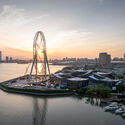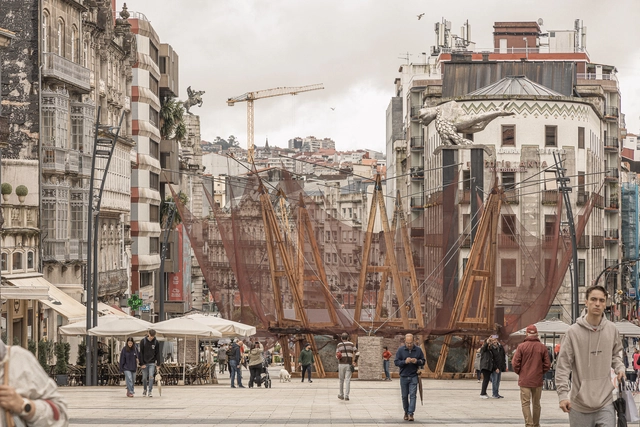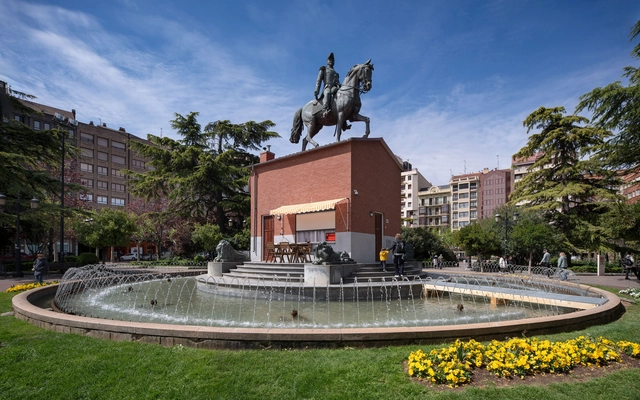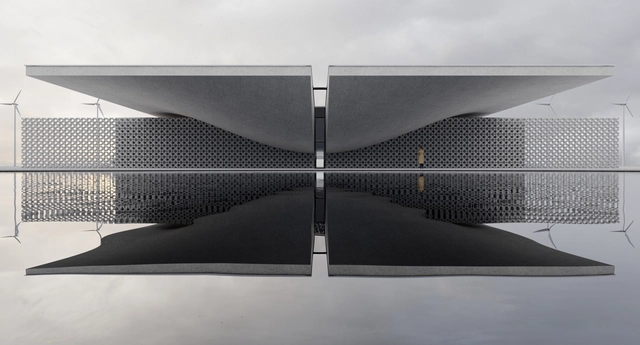
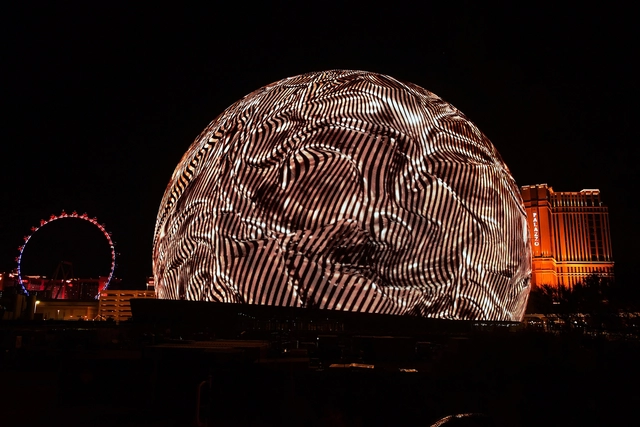
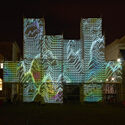
In July, Las Vegas unveiled an extravagant spectacle - a colossal LED-wrapped spherical structure, standing 366 feet tall and 516 feet wide. This entertainment event venue instantly captured the public's gaze, becoming a local landmark and attracting global attention through extensive news coverage. Similar spherical concepts have been proposed in London and at a smaller scale in Los Angeles. These massive display structures open up questions about facades as digital canvases. What role can architecture take as an urban canvas other than as a billboard? And what are different ways for architecture to engage the public through digital art besides gigantic LED spheres?
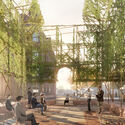
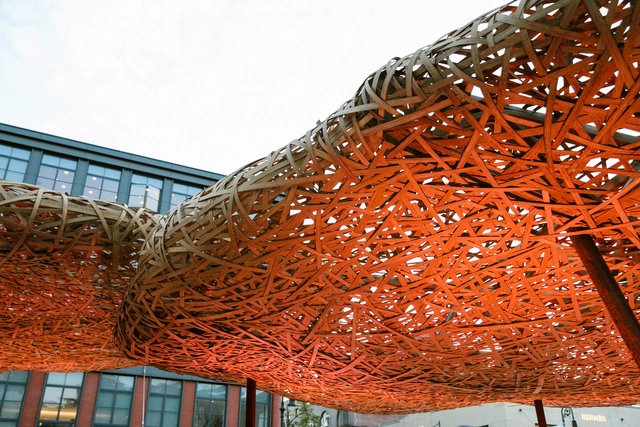
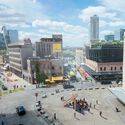
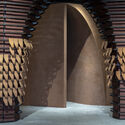
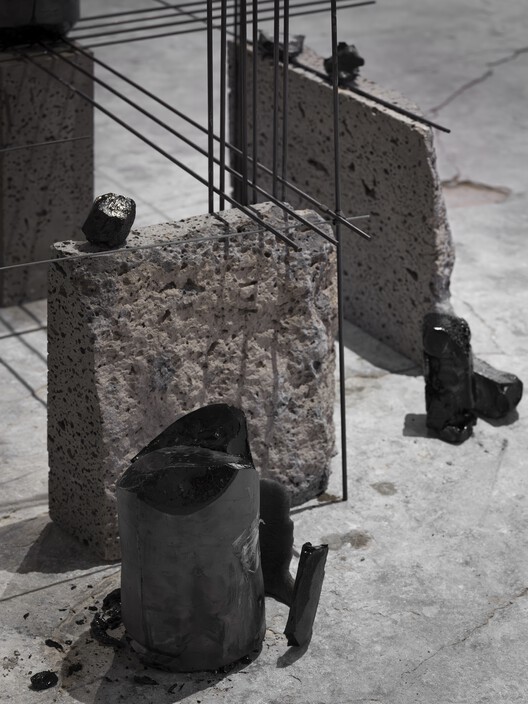
From October 12 to 18, NYCxDESIGN presents the Design Pavilion, a prominent public architectural exhibition in New York. Occurring during Archtober, a month-long celebration of architecture, this year's Design Pavilion highlights three imaginative installations spanning materiality, sustainability, social justice, and more.
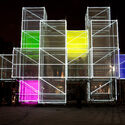
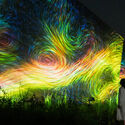
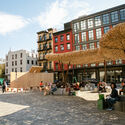
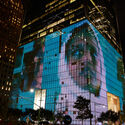
Two tangible installations have been designed to transform Gansevoort Plaza in the Meatpacking District into urban retreats, while the third exhibit offers a digital art projection at the World Trade Center Podium, addressing the nation's history of enslavement and the quest for healing. Along with the pavilions, the Design Talks program highlights and opens discussions on relevant issues of the profession, centering around themes of sustainability, repurposing, and waste reduction.
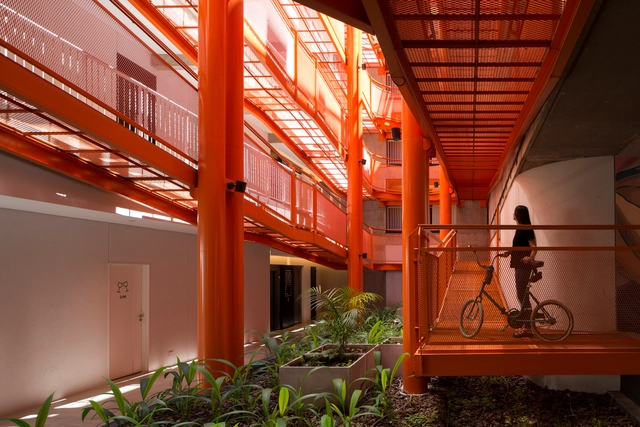
What role will bicycles play in the cities of tomorrow? Their implementation as a more sustainable form of transportation for commuting to work or school, as well as for various household and recreational activities, has become an opportunity for thousands of architects and urban planners.
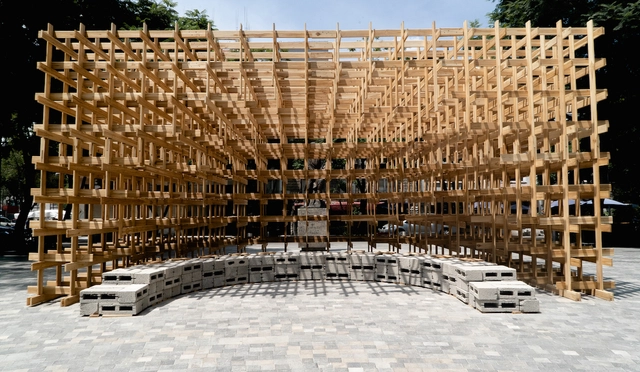
Pabellón_Centro Raíz_Global Woods . Image Cortesía de Mextrópoli
For the ninth time, the MEXTRÓPOLI Architecture and City Festival held the Arquine Competition No. 25 | MEXTRÓPOLI 2023 Pavilion, a platform where architecture, urbanism, and art converge to contemplate and celebrate Mexico City. The event also aims to engage the public by occupying public spaces with architectural pieces that can be activated by visitors. Celebrating public spaces or offering a different perspective on the places routinely traversed is the reason MEXTRÓPOLI showcases these ephemeral architectural pieces.
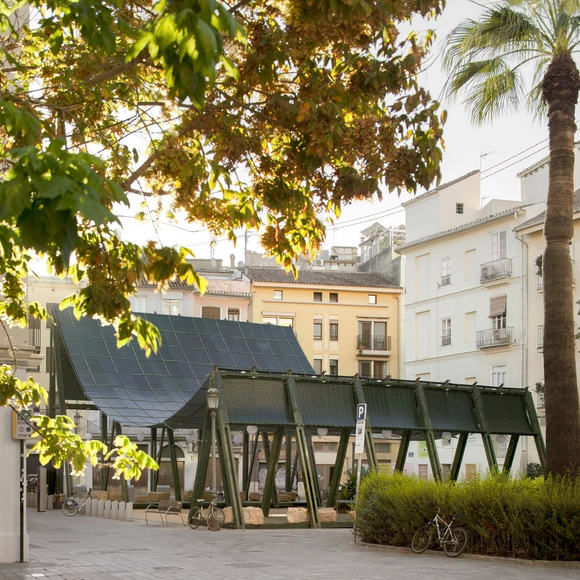
Until October 16, 2023, the second edition of TAC! Urban Architecture Festival will take place in the city of Valencia under the temporary Mediterranean pavilion designed by Manuel Bouzas. Located in the Plaza Músico López Chavarri in the Carmen neighborhood, the pavilion pays homage to vernacular architecture in response to the Mediterranean climate and the role of the Mediterranean shutter, a mechanism that for centuries provided an effective, simple, and lightweight solution for sun protection, allowing habitable spaces to adapt to climatic conditions.
As society, technology, and architecture have evolved, designers and architects have embraced novel construction systems and innovative approaches to reshape the built environment. This advancement has stretched the boundaries of traditional construction techniques and ignited fresh ideas in building design.
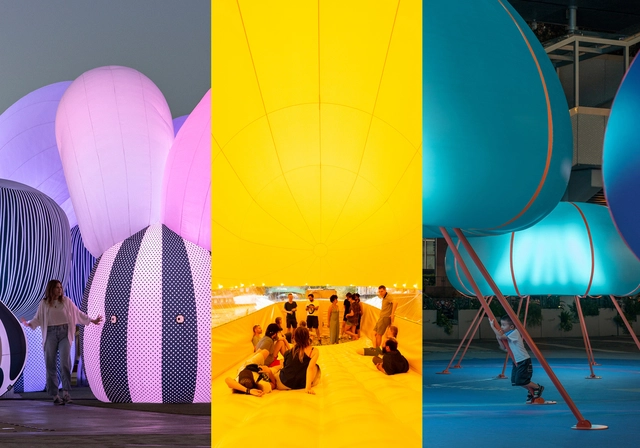
In the past, some architects and artists aimed to question an architectural paradigm deeply entrenched in anthropocentrism. Historically, architecture has been linked to the notion that buildings, being conceived by human beings, must be extremely durable, even imperishable. Considering the principle that the best intervention is the least intrusive, inflatable architecture, in contrast to these human-centric viewpoints —but aligned to our ephemeral nature—, can propose structures that may exist one day and vanish the next, leaving a temporal imprint on the landscape. This architectural approach uses textiles as the primary material and air as the structural system, potentially challenging the traditional Vitruvian ideals of Venustas, Firmitas, and Utilitas.
https://www.archdaily.com/1007496/inflatable-architecture-pneumatic-structures-transforming-built-environmentsEnrique Tovar
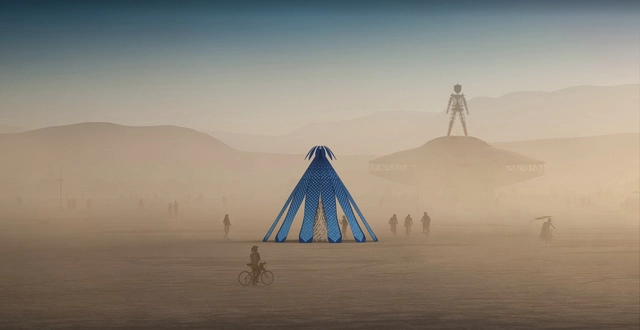
Once a year, in the vast and unforgiving Black Rock Desert of Nevada, a city arises. Thousands of people unite to form a temporary metropolis with a collective spirit. Burning Man 2023 removes all restrictions on expressing oneself, allowing forms to be unexpected. This year, Burning Man Festival’s theme was Anamilia, transforming The Black Rock Desert into a blank canvas for creation, a playground for self-discovery, and a haven for radical self-expression.
The topic "ANIMALIA," encouraged participants to set off on a voyage that blurred the line between reality and fantasy. ANIMALIA pays tribute to the animal kingdom's diversity, from the animals that live in the transitional areas of the desert to the mythical and fictitious animals that appear in our dreams. Inspired by the sea, the sand, the sky, and the imaginative, this year’s installations and pavilions range from a fish installation representing fresh waters to a living knit work pavilion that takes form with textiles, to a geometric structure showcasing a cube’s potential.
Burning Man, the annual festival taking place in Nevada’s Black Rock Desert, has opened on August 27th, with thousands of festivalgoers gathering to create the Black Rock City, a ‘temporary metropolis’ complete with numerous installations, artworks, and pavilions that celebrate “community, art, self-expression, and self-reliance.” This year, however, the festival experience has been different, as heavy rains inundated the desert and festival site, creating thick, ankle-deep mud. The roads to and from the festival have been closed as large vehicles risk remaining stuck in the mud. While some people have left the site by walking out, the majority of the 70,000 campers remain stranded, as reported by CNN.
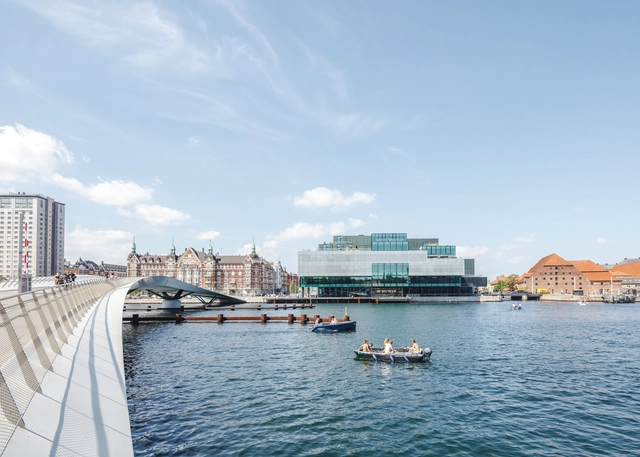
This year, the UIA World Congress of Architects gathers professionals from the construction industry to the Danish Capital to discuss and promote more sustainable ways of practicing architecture. This edition of the congress, happening between July 2nd and 6th, is centered around the UN 17 Sustainable Development Goals, highlighted by the overarching theme “Sustainable Futures – Leave no one Behind.” The world’s largest architecture congress offers a vast program of keynote dialogues, new findings presented on the science track, Next Gen sessions, workshops, exhibitions of new materials, and political talks. The packed schedule also includes the Obel Award Talks on the theme “Wellbeing Through Architecture”, Velux Daylight Talks, and Realdania Talks.
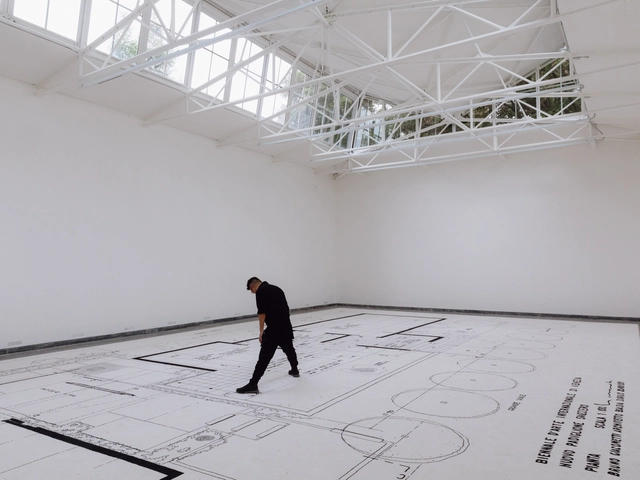
Taking a broader perspective on architecture, the exhibition shifts its focus towards the discipline rather than just the profession. It’s not “about building buildings per se”, explains the curator to ArchDaily. Instead, it seeks to question our conventional understanding of architecture, and with that, architectural exhibitions. The 2023 Biennale is a laboratory in every sense of the word, a global platform of experimentation, and a space to explore new ideas in the absence of spaces that allow us to do so. "It borrows its structure and format from art exhibitions, but it differs from art in critical ways which often go unnoticed", states Lesley Lokko in her initial statement.
Titled The Laboratory of the Future and curated by Lesley Lokko, the 2023 Venice Architecture Biennale will be holding the 18° International Architecture Exhibition from May 20 to November 26, 2023.
The 2023 edition of the Biennale will include 63 national participants allocated in the Giardini, at the Arsenale, and in the historic city center of Venice, Italy. Additionally, the exhibition will welcome Niger for the first time, along with Panama, which will have its own pavilion. The Holy See will also return to the Biennale Architettura with a pavilion on the island of San Giorgio Maggiore.
Please find below the full list of national participants at the 2023 Venice Architecture Biennale.
Biennales, exhibitions, and architecture focused festivals provide a platform for opening debates, conducting research, and driving innovation, but they can also contribute to the incremental changes that shape the image and the character of a city. Through temporary installations and experiments, this type of events have the opportunity to open lines on inquiry into the quality of urban spaces, inviting visitors and residents to slow down, break away from their daily routine and interrogate their local environments. The effects might not be immediate, but by cumulating these impressions and moments of contemplation, architecture and design festivals can have a long-lasting impact on the cities that welcome them.
After a year delay due to the worldwide pandemic, October 1st saw the inauguration of one of the most anticipated events of the year; the Expo 2020 in Dubai. The event, which is being held for the first time in the Middle East, focuses on architecture, culture, and innovation, with over 191 national participants. The pavilions on display are divided into three districts: Mobility, Sustainability, and Opportunity, each showcasing how their country has contributed and will contribute to its respective theme. In addition to the national pavilions, each district has its own thematic pavilion: the Sustainability Pavilion “Terra” by Grimshaw, the Mobility Pavilion “Alif” by Foster + Partners, and the Opportunity Pavilion “Mission Possible” by AGi Architects.
Read on to discover 6 must-see national pavilions of each district that explored their designated theme in a unique and captivating way.
Al Wasl Plaza and Sustainability Pavilion. Image Courtesy of Expo 2020 Dubai
With Expo 2020 Dubai scheduled to debut in less than a month, new drone shots of the venue highlight water and garden features. Aiming to “explore the power of connections in shaping our world”, Expo 2020 Dubai will run from 1 October 2021 until 31 March 2022, under strict Covid regulations, after a year delay due to the worldwide pandemic.
The Moroccan Pavilion at the 2020 Expo in Dubai explores traditional Moroccan architecture and how it can be reimagined in contemporary construction techniques and urban developments. The pavilion is designed by architects OUALALOU+CHOI, and will display a first-of-its-kind structure with a 4000 m² rammed earth facade, pushing the boundaries of the material and exploring its full potential.
France Pavilion. Image Courtesy of Expo Dubai 2020
With 3 months to go until the opening of Expo 2020 Dubai, on October 1st, the organizing committee has released updated images highlighting ready and completed pavilions. With officially 191 participating nations, the expo is seeking to “explore the power of connections in shaping our world”. Showcasing architecture, culture, and inspiring innovations, the world expo has been, for the past 170 years, the leading platform to introduce great inventions and architectural revolutions, most of which shaped the world we live in today.
London Design Biennale 2021 Medal: Chile - Tectonic Resonances. Image Courtesy of ER
The jury of the London Design Biennale 2021 has announced today June 24 the winning pavilions to the third edition. Responding to artistic director and curator Es Devlin's theme ‘Resonance’, the Biennale brings together over 30 pavilions to showcase how design can provide solutions to the challenges of our times, from sustainability to globalization, to migration to the future of humanity.
“The winners of the 2021 London Design Biennale Medals truly illustrate the importance of design thinking to help bring social change and economic growth across the world," said John Sorrell, President of the London Design Biennale. While Victoria Broackes, Director of the London Design Biennale, stated the winners "clearly demonstrate how brilliant design can be in telling complex stories that communicate directly to hearts and minds."