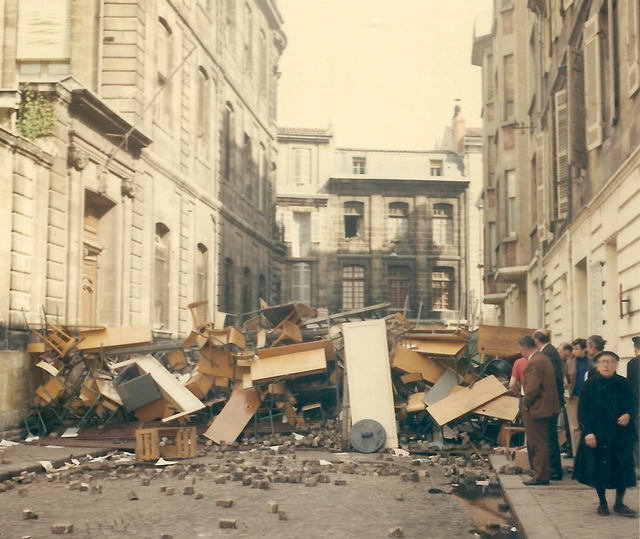
Barricades in the streets of Bordeaux during the May 1968 protests in France. ImageCourtesy of Wikimedia
This article was originally published as "What Marchers Today Can Learn from the May 1968Protests in Paris" on CommonEdge in May 2018. In the 50 years since the historic and worldwide protests of 1968, much has changed. But today's political climate seems equally volatile, with seismic changes threatening social and political establishments across the globe. Lessons from the past are, to borrow the phrase of the moment, more relevant than ever.
American friends recently sent an email: “What’s going on with the French political system? Why all the strikes? What about the endless protest marches? We’d like to visit you in Paris, but we’re a little wary.”
The Center for Globalization and Strategy from Barcelona’s IESE Business School has unveiled its annual list of the world’s smartest cities. In its fifth year, the IESE Cities in Motion Index has calculated the performance scores for 165 cities across 80 countries based on an exhaustive rubric of economic and social indicators. Familiar global power centers have maintained their position at the top of the heap, while expanded categories of assessment have helped a few small cities advance their position drastically.
What does it mean to be a true architecture lover today? It's probably not too far off to conclude that taking pristine, Instagram-optimized photos ranks high in the assessment. With this in mind, the Fondation Louis Vuitton launched a photo contest to highlight the best photos of the building that were taken by inspired visitors and shared on social media.
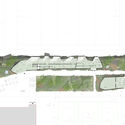
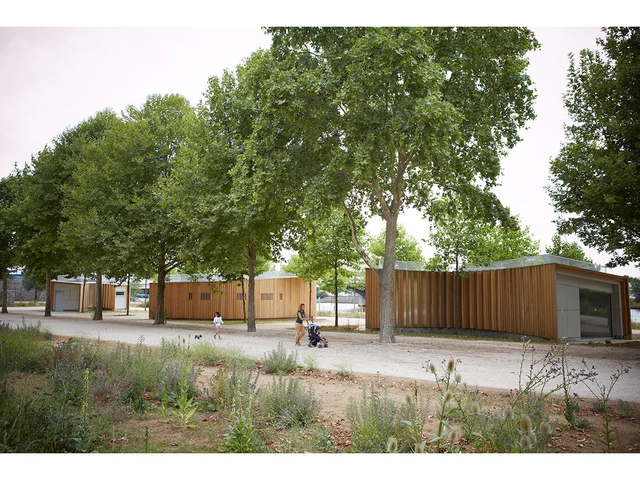
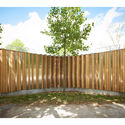
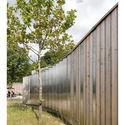
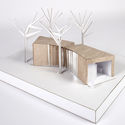
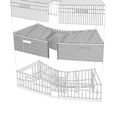
Paris-based h2o architectes revealed their designs for three pavilions to be constructed along the Seine River, near the western entrance of the Lagravère Park in Colombes.
The pavilions are woven into the existing landscape, creating a dialogue between the architecture and surrounding nature. The three small structures were designed according to function and are spread out along the promenade.
The Fab City Global Initiative in collaboration with the City Hall of Paris and the Fab City Grand Paris Association are organizing this year’s Fab City Global Initiative in Paris, France from July 11-13. The three-day program will take place at the Parc de la Villette, and bring together 18 Fab City Members and international city leaders to discuss and imagine ways to define the future of productive cities. This global collaboration project combines innovation ecosystems, governments, and industries that enable cities to become more sustainable through 2054.
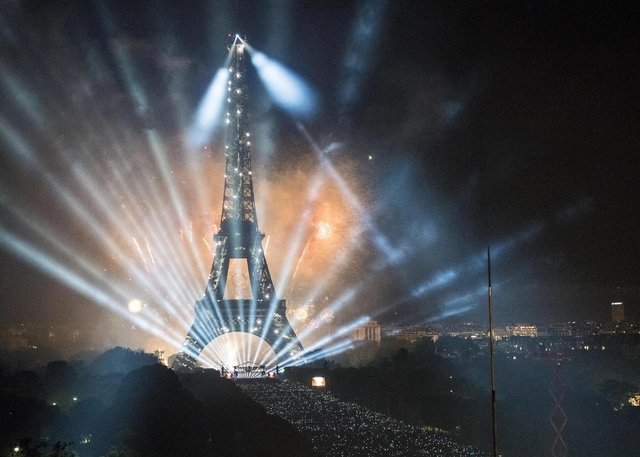
Thanks to their loud, brash, and nocturnal nature, rock concerts are often held in dark bars and nightclubs designed to withstand the abuse of rowdy fans and guitar-smashing rockers. But as musicians earn a following, they eventually graduate from beer-soaked basements to prestigious theaters, outdoor amphitheaters, arenas, and stadiums. For performers and music fans alike, playing or attending a show in a space like Carnegie Hall, the Royal Albert Hall, Madison Square Garden or Colorado’s Red Rocks Amphitheater can be a momentous, once-in-a-lifetime opportunity that ties together the sublime power that great music and architecture can both evoke. As rare as these opportunities are, an exclusive group of iconic musicians have managed to reach an even higher level of prestige by organizing one-off performances amid humanity’s most treasured historical sites—from the Acropolis and ancient Mayan cities to the Colosseum and the Eiffel Tower.
While these special concerts have given fans the chance to experience music history firsthand, many have also been mired in scandal as local officials and residents have raised concerns about potential damage to the sites or inappropriate commercial misuse of treasured cultural landmarks. Despite these legitimate and often justified concerns, these nine iconic sites have hosted some of the most ambitious concerts in the history of popular music:
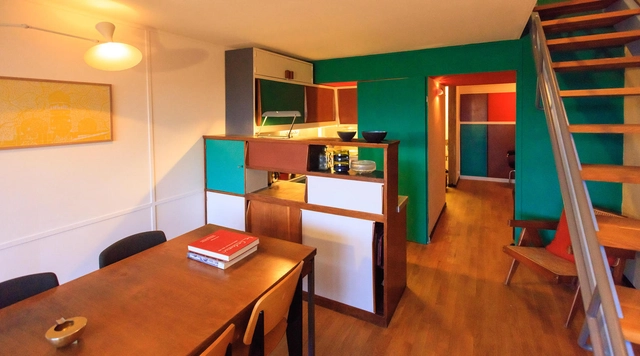
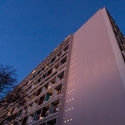
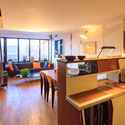
Mohr purchased the apartment in 2016 and embarked on a journey of demolition, measurement, and extensive renovation including lowering ceilings and moving walls in order to recreate the interior likely envisioned by Le Corbusier.
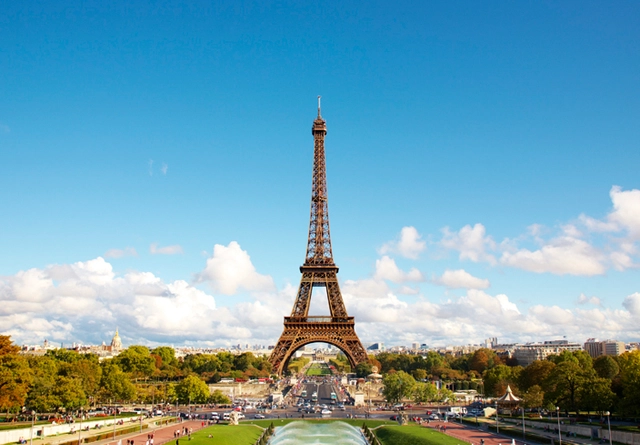
Amanda Levete is among one of four teams to be shortlisted for a competition to reimagine the visitor experience for the famous Eiffel Tower in Paris. The four teams, chosen from 42 entries, will be tasked with rethinking the ways in which people discover and interact with the tower, working in collaboration with the City of Paris government.
Titled “Discover, Approach, Visit,” the competition site covers 54 hectares of land on both sides of the River Seine, with the Eiffel Tower site located at the center. In preparation for Paris’ hosting of the 2024 Olympic Games, the competition asks teams to spend 10 months exploring how to enhance the visitor experience at the base of the tower, strengthen existing connections across the site, reconfigure public transport routes.
https://www.archdaily.com/893829/shortlist-announced-for-competition-to-redesign-the-eiffel-tower-visitor-experienceNiall Patrick Walsh
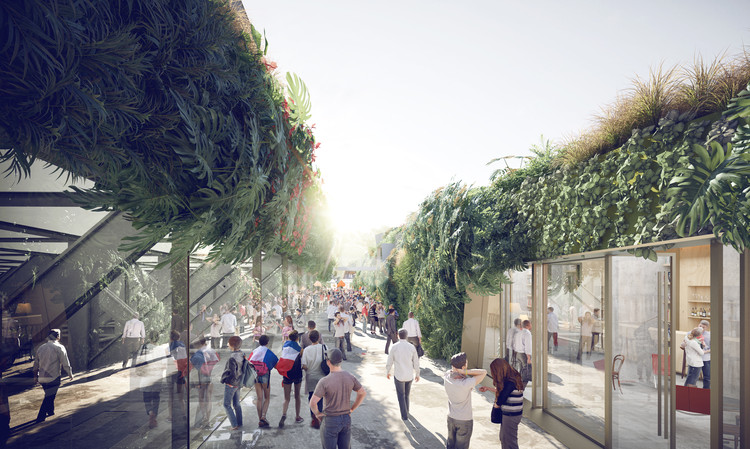
France-based SCAU Architectes has proposed their design for a new stadium project to be built on the outskirts of Paris. The site, which is located at the edge of a forest in Clamart, France, inspired the team to create a design that extends the forest by covering the stadium in a green mass of vegetation.
Mercer released their annual list of the Most Livable Cities in the World last month. The list ranks 231 cities based on factors such as crime rates, sanitation, education and health standards, with Vienna at #1 and Baghdad at #231. There’s always some furor over the results, as there ought to be when a city we love does not make the top 20, or when we see a city rank highly but remember that one time we visited and couldn’t wait to leave.
To be clear, Mercer is a global HR consultancy, and their rankings are meant to serve the multinational corporations that are their clients. The list helps with relocation packages and remuneration for their employees. But a company’s first choice on where to send their workers is not always the same place you’d choose to send yourself to.
And these rankings, calculated as they are, also vary depending on who’s calculating. Monocle publishes their own list, as does The Economist, so the editors at ArchDaily decided to throw our hat in as well. Here we discuss what we think makes cities livable, and what we’d hope to see more of in the future.
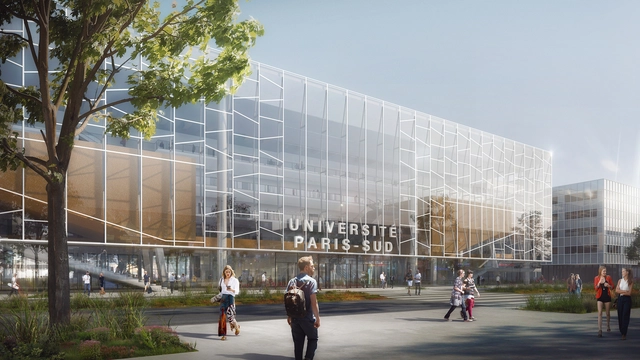
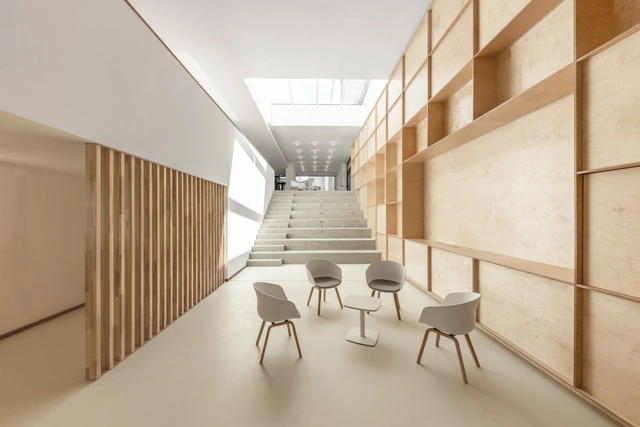
Bernard Tschumi Architects has been awarded one of the largest university commissions in France, with the design and build of a €283 million ($350 million) state-of-the-art educations and research center at the Université Paris-Sud in Saclay, just south of the French capital. The “METRO Center” will form part of the biology, pharmacy and chemistry wing of the university, comprising six buildings connected by flying bridges, featuring teaching facilities, research labs, offices, restaurants, and logistics areas.
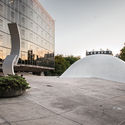
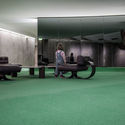
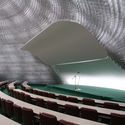
In March 1972, an article in The Architectural Review proclaimed that this structure was “probably the best building in Paris since Le Corbusier’s Cité de Refuge for the Salvation Army.”[1] The article was, of course, referring to Brazilian architect Oscar Niemeyer’s first project in Europe: the FrenchCommunist Party Headquarters in Paris, France, built between 1967 and 1980. Having worked with Le Corbusier on the 1952 United Nations Building in New York and recently finished the National Congress as well as additional iconic government buildings in Brasilia, Niemeyer was no stranger to the intimate relationship between architecture and political power.[2]















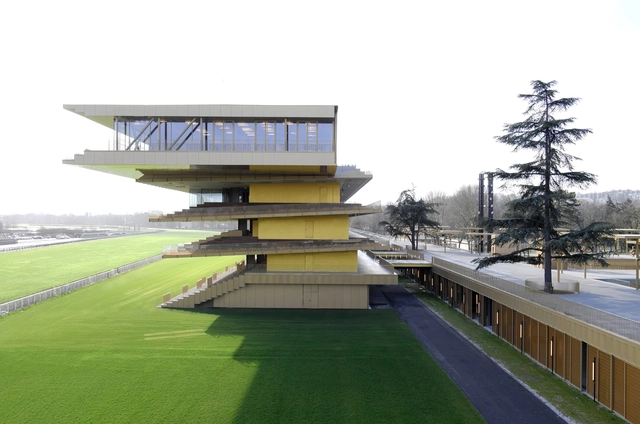
.jpg?1525060540 "© Vincent Fillon")
.jpg?1525061390 "© Vincent Fillon")
.jpg?1525060920 "© Vincent Fillon")
.jpg?1525060633 "© Vincent Fillon")