


-
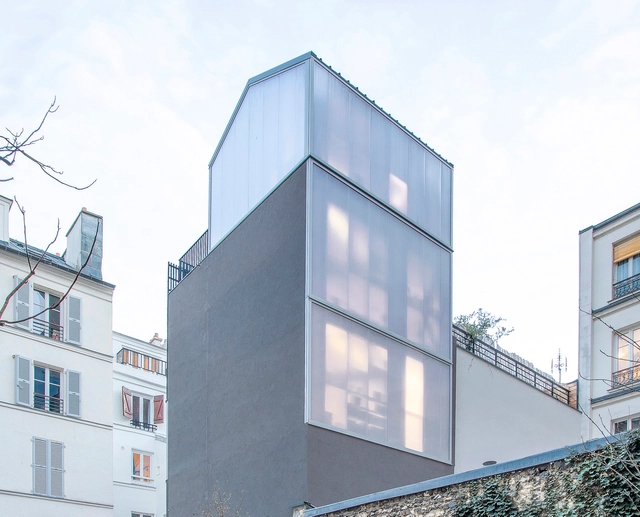
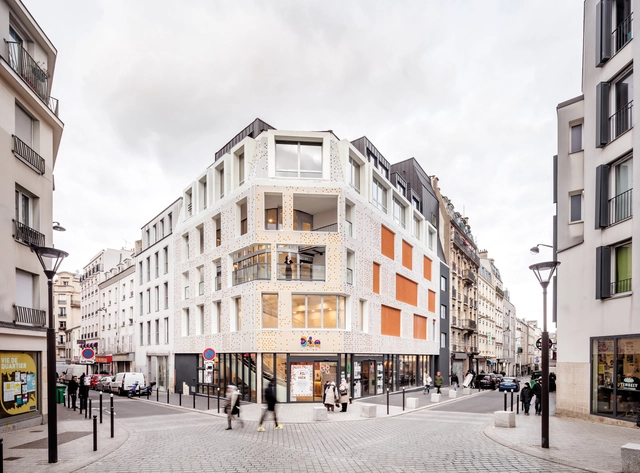
Architects: Agence Engasser et Associés
- Area: 1088 m²
- Year: 2020
-
Manufacturers: Arcelor Mittal

.jpg?1607959549&format=webp&width=640&height=580)
Architecture education is not only about learning how to design and construct buildings but it gives a whole new perspective on our built environment and on how design can contribute to create quality spaces and experiences. Moreover, a big percentage of this design thinking can be used by professional architects as a resource to create other spatial configurations that vary from the traditional building, opening up to a diverse world of possibilities in terms of spatiality and materials.


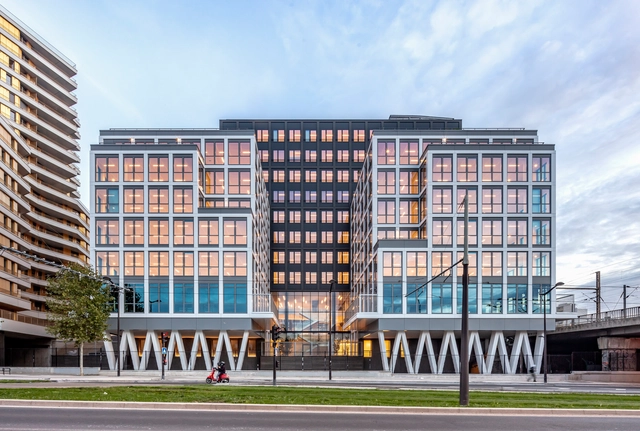
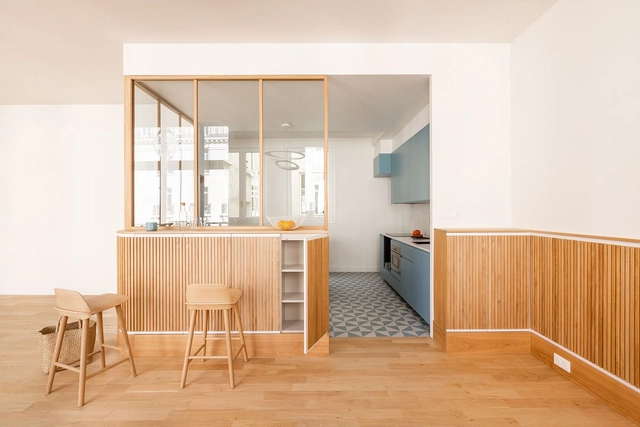

As the restoration and rebuilding of Notre Dame Cathedral progress, heritage experts are faced with essential and sensible decisions regarding the future architectural expression of the elements that need replacing. The latest developments saw France’s National Heritage and Architecture Commission approving a contemporary take on the cathedral’s interior, involving a re-arrangement of the furniture items, as well as the inclusion of contemporary artworks and light projections. The proposal was put forward by the diocese of Paris as a way of creating a better visitor experience; however, critics of the decision argue that it would diminish the architectural value of the Gothic monument.


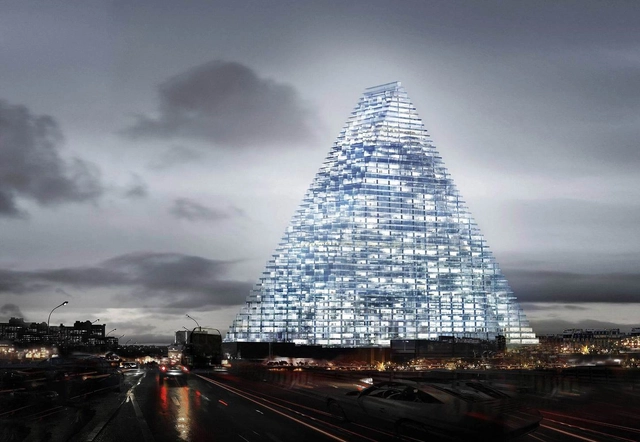
After more than a decade of financing snags, legal scuffles, and more than a soupçon of backlash, initial work on the Herzog & de Meuron-designed Tour Triangle (Triangle Tower) is set to commence by the end of this year at a site near Parc des Expositions de Porte de Versailles in the 15th arrondissement of Paris. However, last-ditch efforts to block the project are underway.


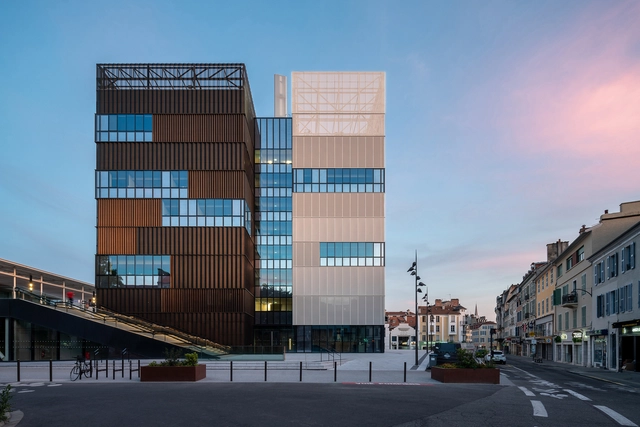
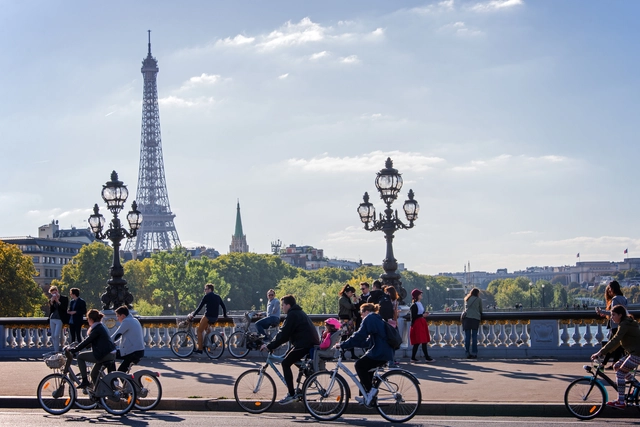
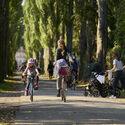
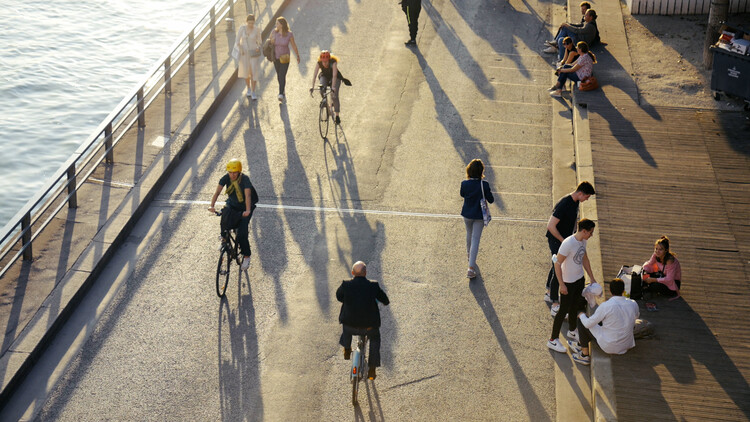
The city of Paris has announced that it will be investing €250 million to upgrade its cycling infrastructure and expand its network of bike lanes with aims of becoming “100% cyclable”. The French capital's investment comes through Bike Plan, a 5-year-long urban project that will reinforce the presence of bikes and provide safe and well connected routes for passengers and pedestrians.



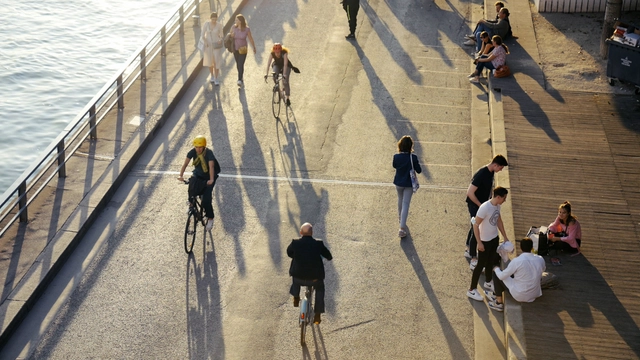
The 15-minute city urban theory receives the 2021 Obel Prize in recognition of the concept's value for creating sustainable and people-centric urban environments. First coined in 2016 by Sorbonne professor Carlos Moreno, the term defines a highly flexible urban model that ensures all citizens can access daily needs within a 15-minute distance, thus breaking the hegemony of the car and reintroducing the qualities of historic cities within contemporary urban planning.


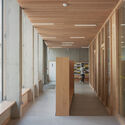

.jpg?1607960134 "© Simone Bossi")
.jpg?1607959244 "© Simone Bossi")
.jpg?1607959647 "© Simone Bossi")
.jpg?1607959163 "© Simone Bossi")
.jpg?1607959549)