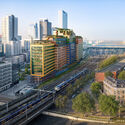
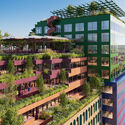
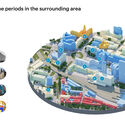
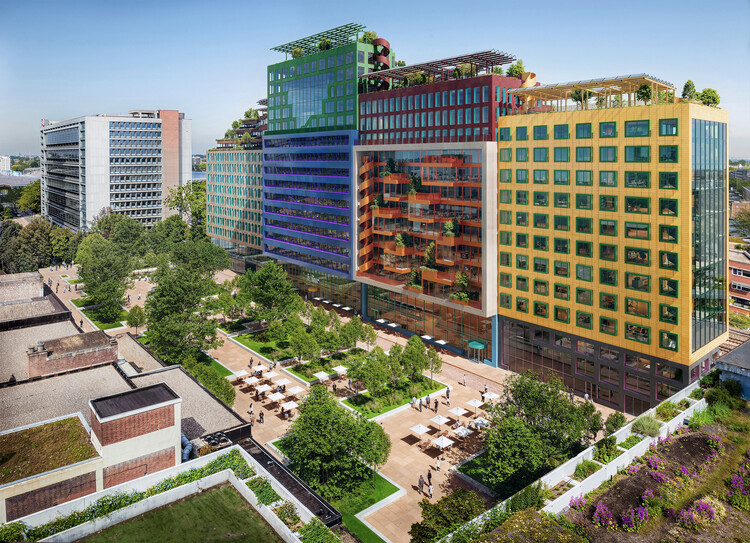
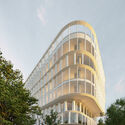
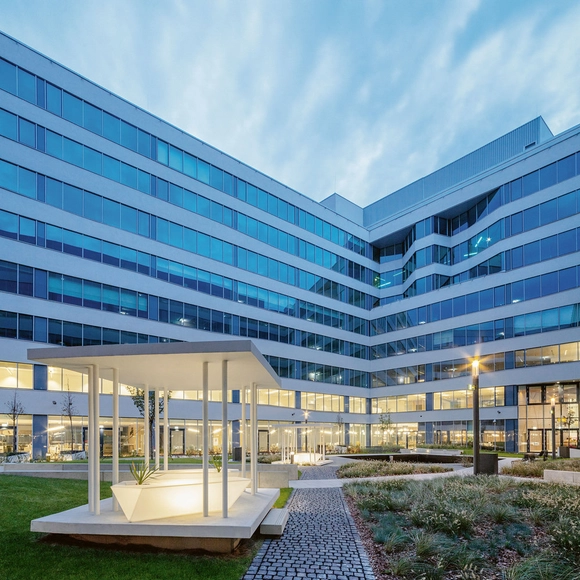
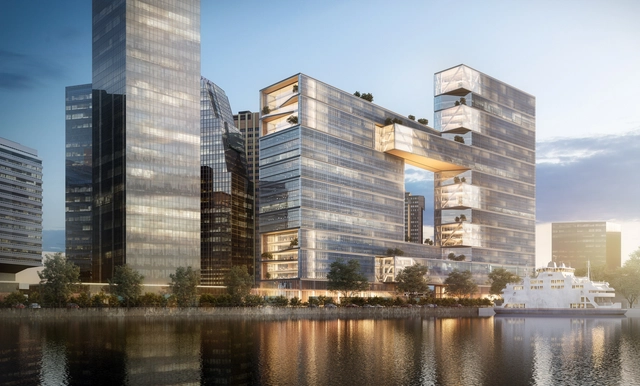
MVRDV and SYNRG have received approval to construct Schieblocks, a 47,000-square-metre office building in Rotterdam, the Netherlands. Designed for developer LSI, who markets the project as The Bluezone Offices, the building will occupy a narrow site along the railway line, reaching 61 metres in height and extending almost 150 metres in length. The programme includes commercial spaces at ground level, offices throughout, and a restaurant and event venue on the upper floors. Conceived as a "3D neighbourhood," the design breaks the large volume into a series of colourful, distinct blocks that incorporate numerous references to Rotterdam's architectural character.
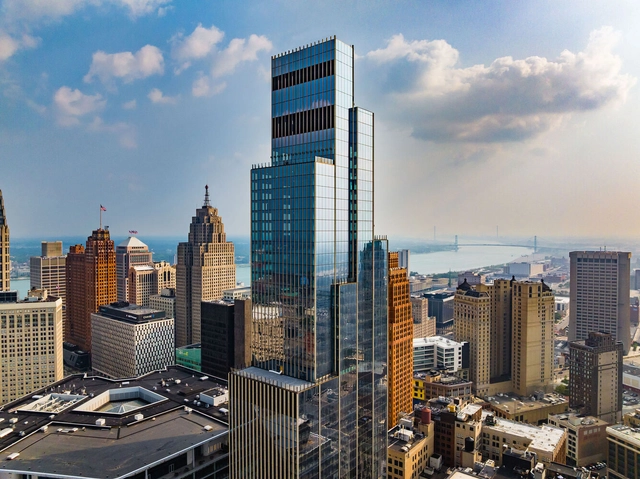
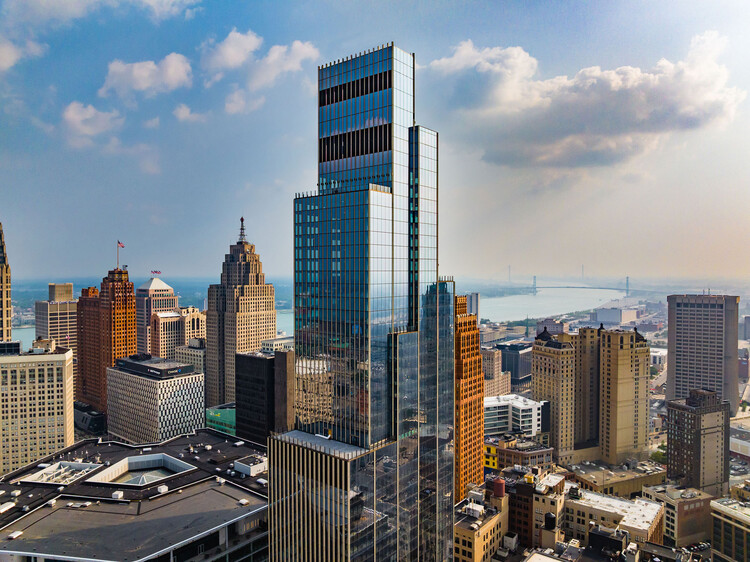
Hudson's Detroit mixed-used development. Aerial view. Image Courtesy of Bedrock
Detroit-based Bedrock development group has announced the completion of the first phase of its Hudson's Detroit mixed-use project in the city center. The project was first unveiled in 2017, when the company presented plans for a 1.2-million-square-foot development designed by SHoP Architects to be built on one of downtown Detroit's long-abandoned sites, formerly occupied by the J.L. Hudson's Department Store. Once the tallest department store in the world and a central gathering place for the city throughout much of the 20th century, the site has now been reimagined as a contemporary urban destination. After nearly a decade of planning and construction, Hudson's Detroit aims to bring new activity and public space to a location emblematic of the city's commercial and cultural past.
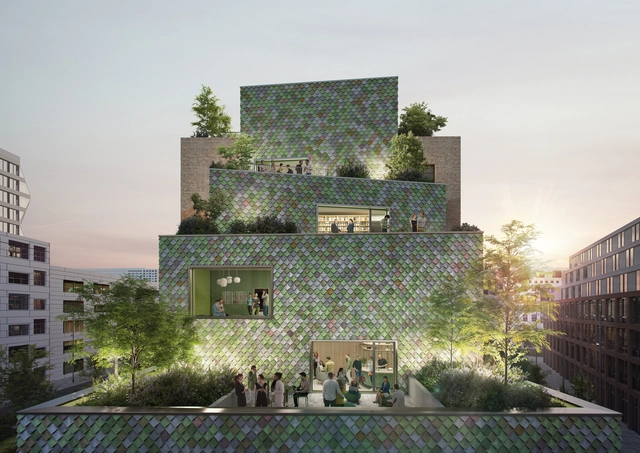
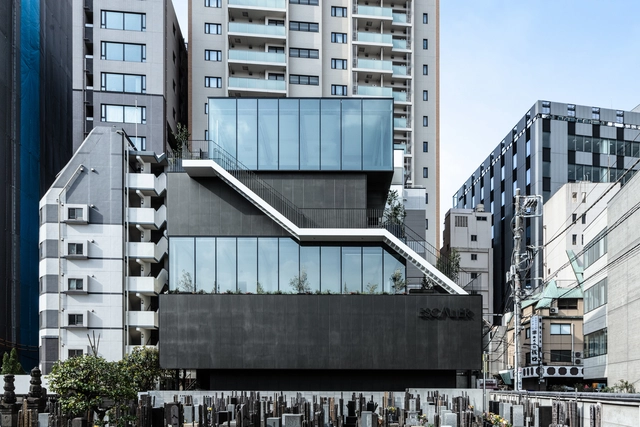
MVRDV has revealed its design for Monaco, a six-story office building situated in Munich's transforming Werksviertel neighborhood. This region, previously known for its industrial past and later as a cultural hotspot, has been evolving into a dynamic work-and-leisure district since 2016. Positioned near MVRDV's earlier project, WERK12, the Monaco building uses recycled materials and distinctive shapes to create a balanced "work and play" office environment, inspired by the color and creative spirit of the Kultfabrik era.
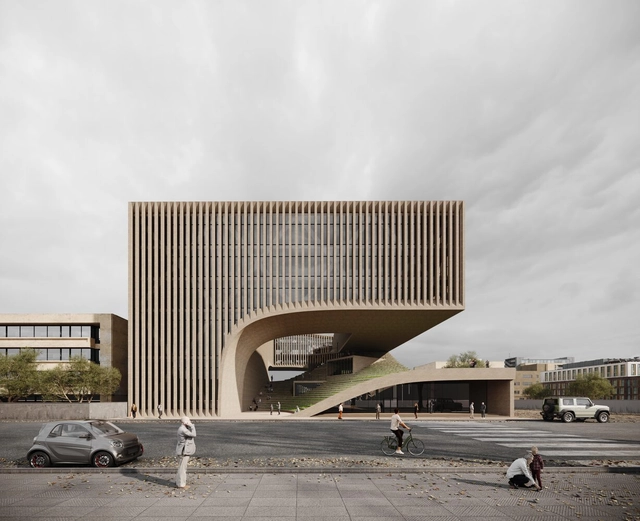
In the evolving landscape of workplace design and office architecture, the boundaries of creativity and functionality are constantly being pushed. From futuristic skyscrapers to co-working spaces, the future of work environments respond to the dynamic needs of modern businesses and their employees. This week's curated selection of Unbuilt Architecture focuses on office, workplace, and administrative buildings submitted by the ArchDaily Community.
The realm of office architecture is a chance for designers to innovate and influence work cultures. From the Sinuating Flow High-Rise in Chongqing, China, drawing inspiration from the surrounding mountains and valleys to the Parisian GRDF Headquarters reimagining urban offices as small city districts. The ABS Workspace integrates maritime elements into its workplace design, while the FUTURA tower in Kyiv breaks conventional norms with artistic and sculptural forms and the use of black. Together, these projects showcase the diversity in office architecture, each working within a context to offer unique solutions to sustainable work environments.
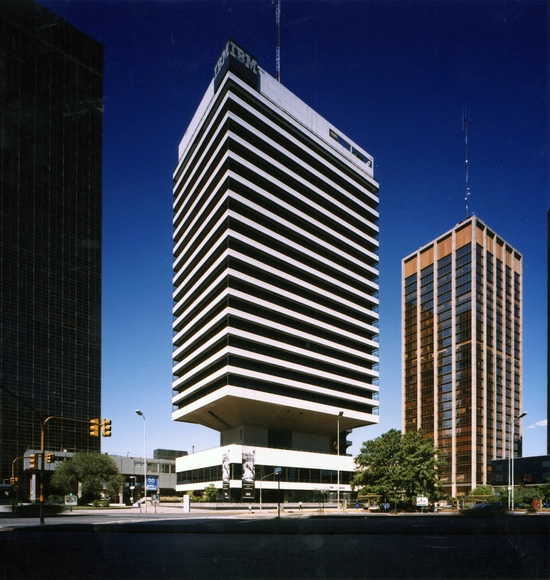
Located in the Retiro district of the Autonomous City of Buenos Aires is the IBM building designed by Mario Roberto Álvarez & Associates. Conceived to house the headquarters of the IBM company, this office building was designed around 1979 and consists of a tower supported by two large concrete structural cores on a base, which is separated from the ground and the shaft of the tower to house the ground floor and a level of common areas in order to maintain the urban scale. The language of the building is recognizable from a distance as it is formed by an enclosure of horizontal bands of glass and exposed concrete parapets-parasols, which achieve a dialogue and balance in the proportion of full and empty spaces.
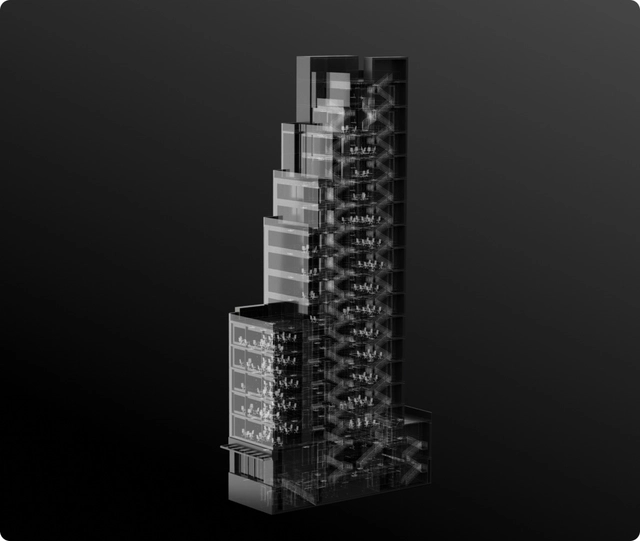
A developer in NYC purchased the first-ever non-fungible token (NFT) Office building in New York City. "Located" at 44 West 37th Street, the 4700 square meters NFT serves as an immutable digital asset that points to transforming how we design, build, operate, and monetize our spaces with only "one-click". The 16-story building was created by spatial intelligence company Integrated Projects and questions the function of architecture in Real Estate and the Metaverse.
Interior view to the Lobby . Image Courtesy of UNStudio
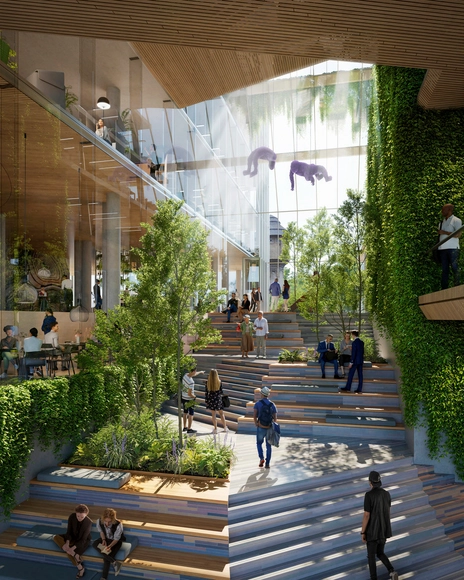
Incorporating the Environmental, social, and corporate governance objectives, the 45,000 m2 Office Tower in the Europaviertel in Frankfurt aims to be one of Germany's most sustainable office buildings. Designed by UNStudio in partnership with Groß & Partner in collaboration with OKRA landscape architects, the project focuses on environmental and social sustainability as an integral part of Frankfurt's green network. The ecological agenda includes a low-carbon load-bearing structure and recyclable construction materials. The architecture program offers a public urban space to add value to its surroundings to encourage communication and gathering.
One of our responsibilities as architects is to understand how to implement strategies into our designs that consider the people who inhabit the spaces, our natural resource consumption, and ensuring these projects are profitable. All of this can be achieved through three main goals: Reducing our carbon footprint, creating healthy workplaces, and the design of efficient and profitable buildings.
Lukasz Platkowski, Principal and Design Leader at GENSLER, presents his vision on how the world of work undergoes a tectonic shift, due to advancements in technology such as artificial intelligence and job automation, which are disrupting the already known and tested working models. Our new lifestyles, needs and expectations are shaping the way we work, and this is overwriting the boundaries between workstyle and lifestyle.
SOM (Skidmore, Owings & Merrill LLP), in partnership with Consultatio Real Estate, presented their project for Buenos Aires titled “Catalinas Rio”, an office building on the banks of the La Plata River that is designed to double as a center of activity and expansion for the Catalinas Norte business district. With a plethora of public green spaces and two trapezoidal buildings linked by walkways and green terraces, the project aims to create a new and vibrant identity for the district and the city as a whole. Construction is due to be completed in 2022.