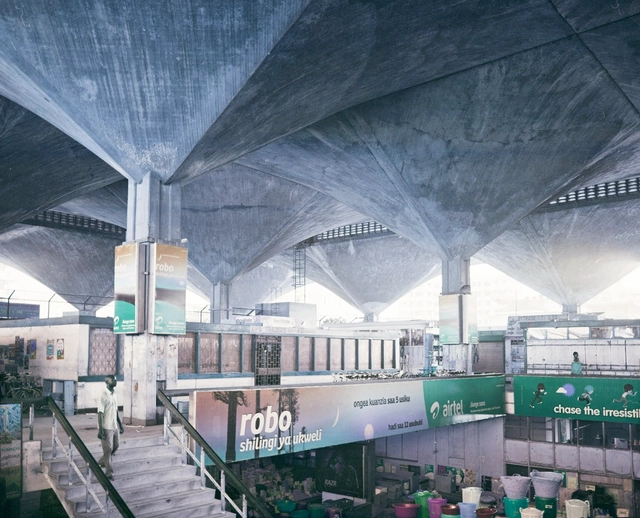
The legacy of the Modernist movement is a complicated one. Spanning a diverse assortment of fiercely debated sub-categories and styles, the Modernist style has established its presence in virtually every continent. Although the movement's origins may be rooted in Europe and the U.S., outside of the Eurocentric canon architects have redefined and re-established the definition of a "Modernist" building. In Sri Lanka, for example, architect Geoffrey Bawa's sensitive, nature-inspired architectural responses gave rise to the "Tropical Modernism" label. Over in the African continent, it is in the East-African country of Tanzania that some highly unique examples of Modernist architecture are found – headed by architects Anthony Almeida and Beda Amuli.
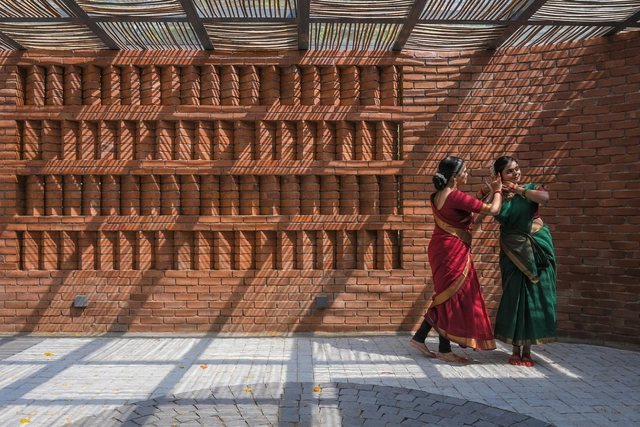
Contemporary Indian design culture can aptly be described with one word - fusion. A close look at the trends in fashion, cinema, music, and art soon reveals the country’saspirations as a globalized nation. Reveling in a new era, India’s art and design appear as a combination of influences from traditional life and the Western world. A “neo-Indian” image informs multiple forms of cultural expression, including architecture and interior design. As Indians and Indian architecture carve the country's place in the world, a new design trend flourishes - one that is driven by modern lifestyles, international influences, a colonial past, and a desire to stay connected to its roots.
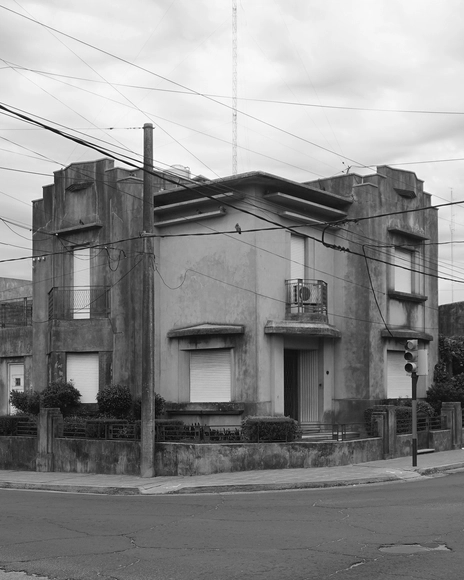
Alejo Martínez, one of the main builders of Argentine modernity, turned the city of Concordia into a reference of the South American modernist movement. His extensive work on houses, such as Casa Péndola Díaz from 1925, Casa Marcone from 1928, or Casa Camaño from 1930, "changed the typology of the 'chorizo' house to compact housing, where straight volumes stand out, staggered from each other, and with terraces".
Mar del Plata is an obligatory reference to the Argentine modern movement. At the same time, it is the setting for many architectural classics that have been victims of neglect for years.
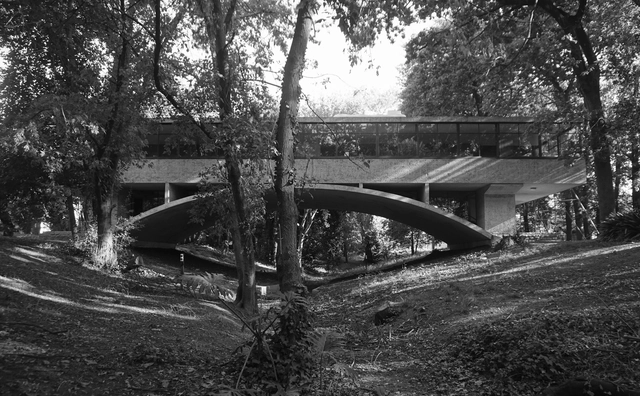
Magalí Marazzo, director of the municipality's Department of Works and Urban Planning and member of the National Monuments Commission, has taken charge of the situation by completing the restoration project of a paradigmatic work of 20th-century architecture: The House on the River.
Mar del Plata is an obligatory reference to the Modern Movement in Argentina. Not only for being the scene of some architectural classics such as the House on the River, the Parador Ariston, or the Terrace Palace but also for the Cementerio Parque designed by Horacio Bucho Baliero and Carmen Córdova in the 1960s.
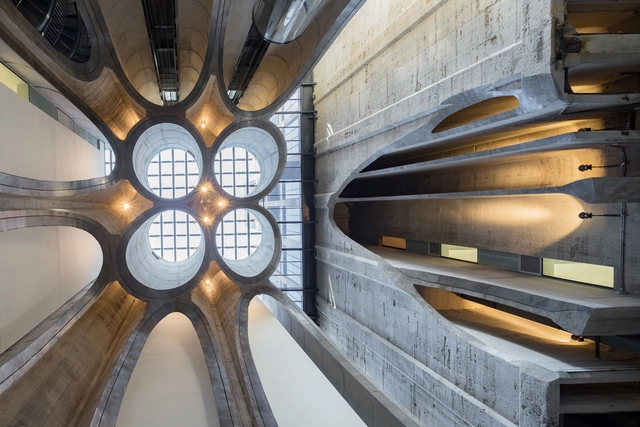
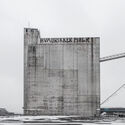
Hulking, imposing, and utilitarian, silos are an enduring urban feature, structures typically used for the storage of materials in bulk. They are important physical elements of the agricultural industry, storing grain, fermented feed, and other foodstuffs. These tall, typically cylindrical forms remain the subject of architectural fascination — from being symbols of technological progress for Modernist architectural figures of the early 20th century, to in contemporary times, instigating inventive approaches to adaptive reuse.
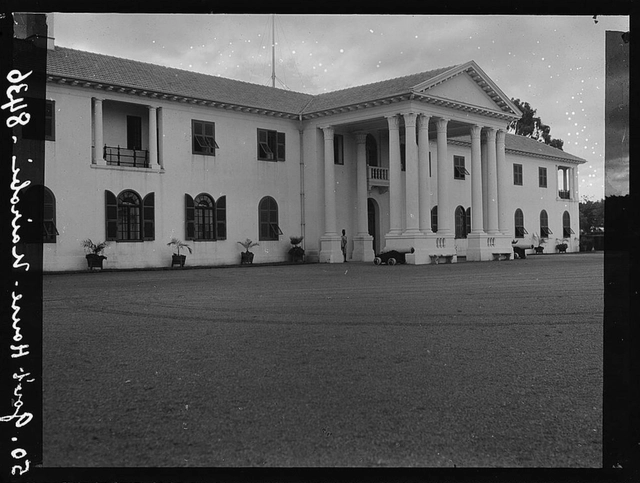
Known as the state house, the presidential palace, and an assortment of other terms — the building that hosts a country’s seat of government is usually quite architecturally striking. Frequently opulent, grand, and sometimes imposing, the state house is intended to function as a visually distinct marker of a nation — an extension of a state’s identity. In the African continent, a landmass that had seen a significant part of it colonized by European nations, this identity of statehood, in an architectural sense, is complex.
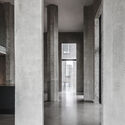
From Taiwan to the Netherlands to Uruguay, Jakub Sawosko has extensively been photographing concrete architecture all over the world and displaying them on Instagram as @sh_sh_welt.
After living surrounded and fascinated by post-war concrete architecture in Europe in his early years, Sawosko moved to Taiwan where he eventually realized that Modernism had heavily influenced Taiwan as well. "I felt that [Taiwan's distinctive style of architecture] deserved more recognition", explains Jakub in conversation with ArchDaily via Instagram.
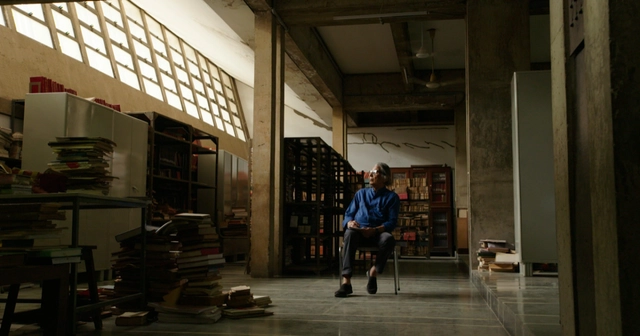
“I am not an architect,” he says with a sparkle in his eyes, “I am merely a person seeking out their destiny.” To the late pioneer of Indian modernism, Balkrishna Vithaldas Doshi, architecture was a practice of self-discovery. The veteran’s stellar works of poetic functionality resulted from a humanist philosophy bearing the influence of modernist principles, Mahatma Gandhi, and Indian spiritual texts. Doshi believed that architecture was synonymous with life - a vehicle for constant celebration; a medium for heightened experiences. His greatest contribution to the architecture community was his powerful words of wisdom that echo the timelessness of his structures.
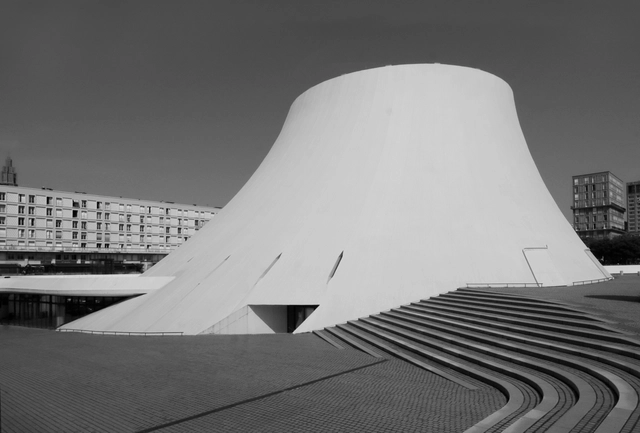
Espace Oscar Niemeyer is a cultural center designed by Oscar Niemeyer in the port city of Le Havre, France. The project’s location is inside the urban reconstruction area conceived by the rationalist architect Auguste Perret after the destruction of the city’s downtown area in World War II.
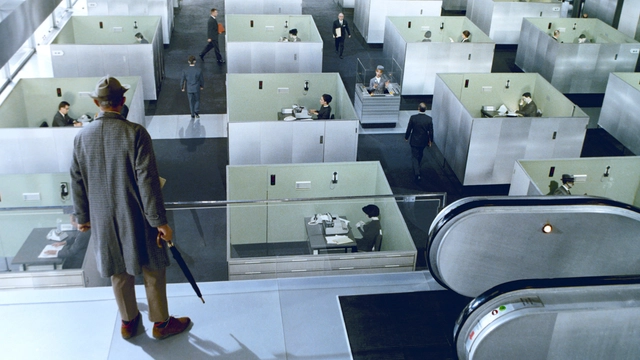
Playtime (Jacques Tati, 1967). Via film screenshot
Of all arts, there is one that is truly capable of embracing architecture, and that is the cinema. The ability to represent spaces, moving in the course of time, brings cinema closer to architecture in a way that goes beyond the limitations of painting, sculpture, music - for a long time considered to be the art closest to ours - and even of dance. Both in cinema and in architecture space is a key subject, and although they deal with it in different ways, they converge by providing a bodily - and not only visual - experience of the built environment.
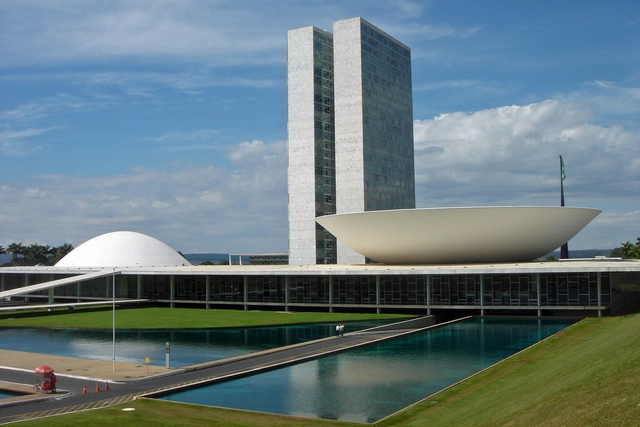
National Congress. Photo by Mario Duran-Ortiz, via Flickr. CC BY-SA 2.0 license
From the 19th century onwards, with the Industrial Revolution, the growing population, and the ever-more pressing demands for urban space in Europe, the first reflections on the city emerged. More than that, the process of disciplinary structuring of urban design begins as a theory and practice inherent to the new historical moment that was being consolidated and would have its product, concerning cities, as an attribute of the 20th century. Within this disciplinary logic, configured from a social or political demand linked to militaristic pretensions of order and urban control, the 20th century was the stage for the entire development of this industrial society, which had the city as its horizon.
AHL is the most prominent, prestigious, and progressive architectural practice working in Hawaii. As such, the history of Modern Hawaiian architecture is very much the history of AHL. Over the past 75 years, no firm has built bigger, higher, or more frequently than AHL. This book tells their story and in so doing, tells the story of the making of a modern Hawaii.
Rectoría USAC, Andrés Asturias. Image Cortesía de Raúl Monterroso
Raúl Monterroso is one of the referents when it comes to talking about the modern movement in Guatemala. Not only has he been a promoter of the preservation of the country's architectural legacy with his publication "The Guatemala City Guide to Modern Architecture", but he has recently collaborated with the Museo Experimental el Eco for its Re_vista 05 with a critical analysis titled "Modern dreams, magical realism and other fantasies of yesterday and today", which seeks to be a window for anyone to question and get involved with Guatemalan architectural values.
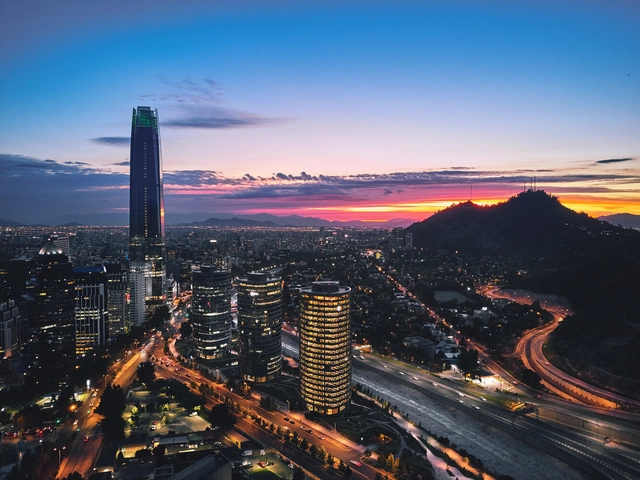
Founded in 1541 by the Spanish conquistador Pedro de Valdivia on indigenous settlements in the valley of the Mapocho River, Santiago is the capital and most populated city of Chile. This South American city is enframed by the Andes Mountains to the east and the Chilean Coast Range to the west, in addition to 26 island hills (cerros islas) scattered throughout the city. Some of these island hills have been converted into urban parks, such as Santa Lucía and San Cristóbal, while Chena, Calán, and Renca are in the process of expansion.
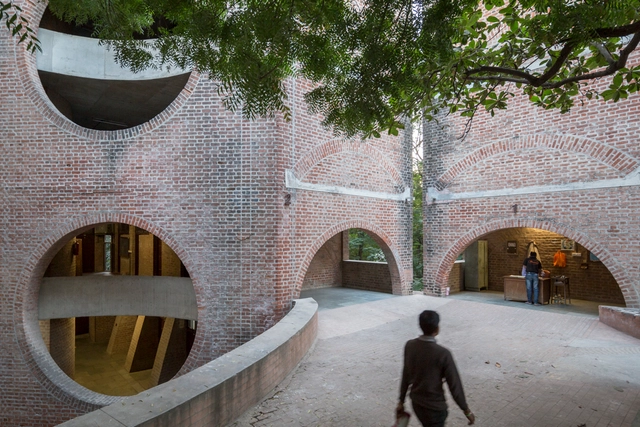
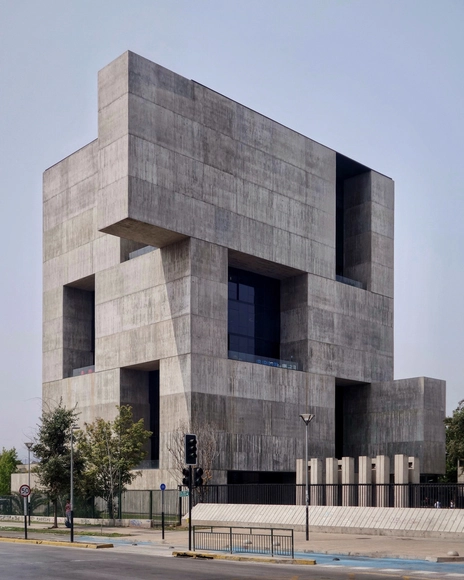
On November 3rd, 2022, the Indian Institute of Management Ahmedabad (IIMA) announced the decision to end the restoration works for elements of the campus designed by Louis Kahn with Indian architects Balkrishna V. Doshi and Anant Raje in 1962. The decision affects the faculty blocks, classroom complex, and dorms other than dorm D15. According to the statement, the institution plans to replace some of the buildings, as the complex is “facing structural damage, deterioration and have become uninhabitable, posing a safety concern for the campus's residents.” This represents a reversal of the decision to withdraw the first demolition plans following global protests, announced in January 2021.
The building on the corner of Suipacha and Paraguay Streets in the city of Buenos Aires, designed by the Spanish architect Antonio Bonet, established from its realization the basis to begin certain reflections on international modern architecture in the Argentinian context of the 1930s.




























.jpg?1607936801&format=webp&width=640&height=580)
.jpg?1607936823 "© Paul Clemence")
.jpg?1607936894 "© Paul Clemence")
.jpg?1607936835 "© Paul Clemence")
.jpg?1607937090 "© Paul Clemence")
.jpg?1607936801)