March 9 of last year marked Luis Barragán's 119th birthday and, in celebration of their namesake, the Barragan Foundation announced via their Instagram that they were launching the institution's newly revamped website. This signified two things--one, the absolute effort needed in order to compile every known Barragan work and the value this archive will have in aiding in the study of the architect's work and, two, the sweeping de-mystification of Barragan himself.
On March 9, what would have been Luis Barragán's 119th birthday, we commemorate Mexico's most celebrated architect and discuss his winning of the 1980 Pritzker Prize.
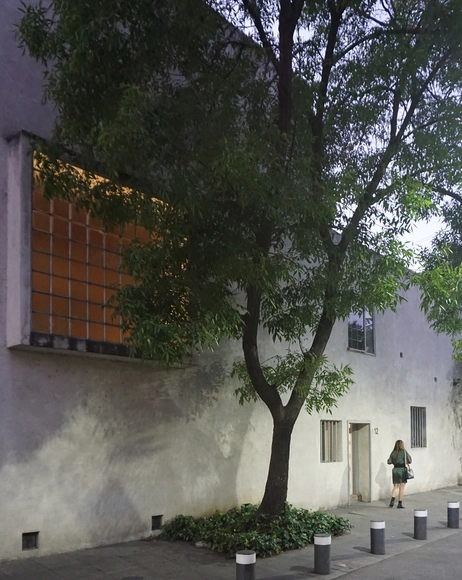
There's a lot of discussion surrounding Casa Orozco as to who the real creator is —Luis Barragán or José Clemente Orozco. And even though we know that one of them was responsible for the architecture, the answer still remains unclear. Orozco returned to Mexico in 1934, by invitation from the Mexico City government, after a seven year stint in New York. Once he arrived, he was commissioned to paint a mural inside the Palacio de Bellas Artes. Afterwards, he received commissions from the Jalisco Government to paint a series of murals for three public buildings in Guadalajara.
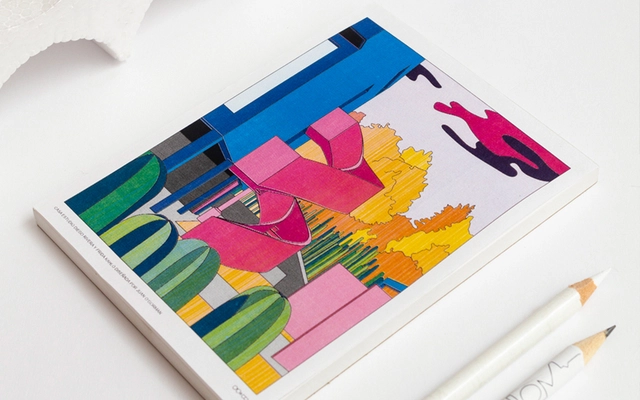
Carmelina&Aurelio Architecture Studio based in Tuxtla Gutiérrez, Chiapas in Mexico, released a book with architectural illustrations to color. The book in PDF format is available on their website for free and consists of eight letter-size pages. Read on for the featured projects as well as examples of color palettes for further inspiration.
"The Art of Seeing. It is essential to an architect to know how to see: I mean, to see in such a way that the vision is not overpowered by rational analysis." - Luis Barragán
The artist and writer Jill Magid presents a documentary dedicated to the life of the "artist among the architects": Luis Barragán, who is one of the most famous architects of the 20th century. Upon his death in 1988, much of his work was locked in a Swiss bunker, hidden from view of the world. In an attempt to resurrect Barragán's life and art, the redefinition of "The Proposal" limits creates an audacious proposal that becomes a fascinating work of art in itself, a cable negotiation act that explores how far it will go an artist to democratize access to art.
Porto Academy is the result of an enormous passion for architecture as a discipline who believes that practice, as an exercise in the profession of architect, is fundamental for the future of the discipline and, therefore, one of the reasons why the program was founded.
Architects are often bound by the will of their client, reluctantly sacrificing and compromising design choices in order to suit their needs. But what happens when architects become their own clients? When architects design for themselves, they have the potential to test their ideas freely, explore without creative restriction, and create spaces which wholly define who they are, how they design, and what they stand for. From iconic architect houses like the Gehry Residence in Santa Monica to private houses that double as a public-entry museum, here are 9 fascinating examples of how architects design when they only have themselves to answer to.
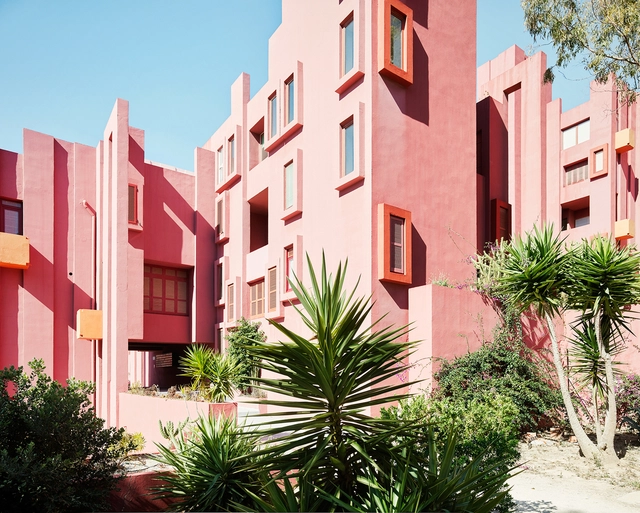
Some architects love color, some are unmoved by it, some hate it, and some love to dismiss it as too whimsical or non-serious for architecture. In an essay on the subject, Timothy Brittain-Catlin mentions the “innate puritanism among clients of architecture,” architects and their “embarrassment of confronting color,” and how “Modernism tried to ‘educate out’ bright colors.” So, while the debate on color in architecture is far from being a new one, it is not finished, and probably never will be.
In today’s world where the exhausted stereotype of the no-nonsense architect clad in black still persists, and while we quietly mull over the strange pull of the Cosmic Latte, there are some architects who haven’t been afraid of using broad swathes of color in their work at all. Read on for a list of 7 such exemplary architects both from the past and the present.
https://www.archdaily.com/881169/7-architects-who-werent-afraid-to-use-colorZoya Gul Hasan
On November 22, 1988, one of the most important and revered figures in the history of Mexican and international architecture died in Mexico City. Luis Barragán Morfín, born in Guadalajara and trained as a civil engineer left behind an extensive legacy of published works, conferences, buildings, houses, and gardens that remain relevant to this day. While Barragán was known for his far-reaching research in customs and traditions, above all, the architect spent his life in contemplation. His sensitivity to the world and continued effort to rewrite the mundane has made him a lasting figure in Mexico, and the world.
Undoubtedly, Luis Barragán's legacy represents something so complex and timeless that it continues to inspire and surprise architects across generations. It is because of this that, 30 years after his death, we've compiled this series of testimonies from some of Mexico's most prominent contemporary architects, allowing them to reflect on their favorites of Barragan's works and share just how his work has impacted and inspired theirs.
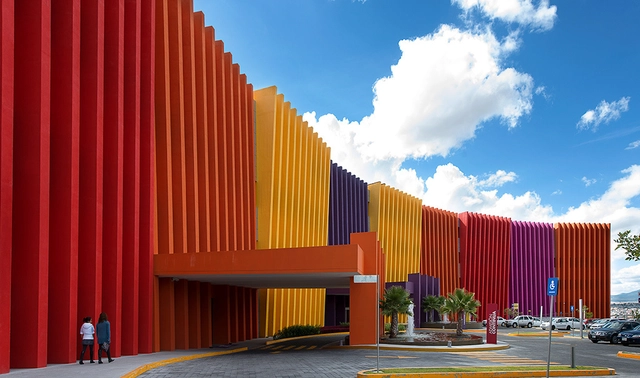
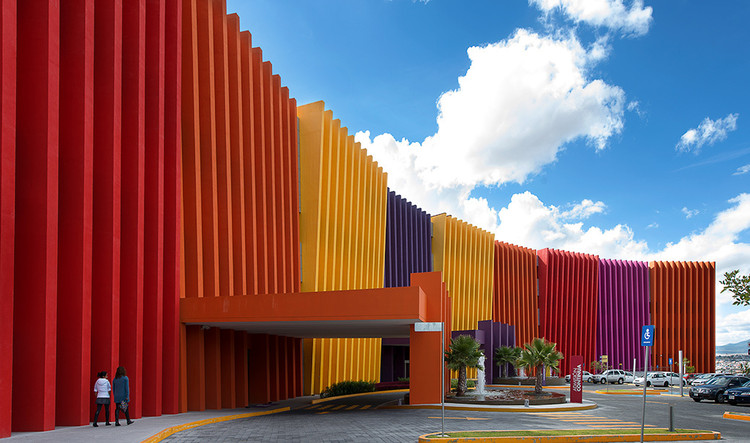
Color, inherited from indigenous cultures of Mexico, is a defining characteristic of Mexican architecture. Vibrant colors have been used by architects and artists such as Luis Barragán, Ricardo Legorreta, Mathias Goeritz, Juan O'Gorman, and Mario Pani.
Color in Mexican architecture has reinforced the identity of different regions and areas within the country. For example, it is almost impossible to think of San Miguel de Allende or Guanajuato without the facade colors that weave the landscape.
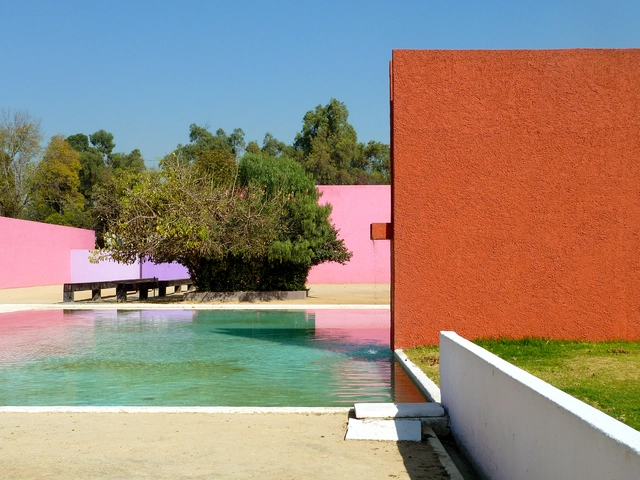
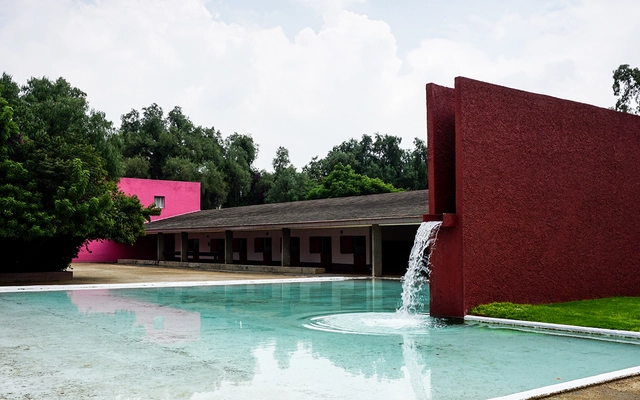
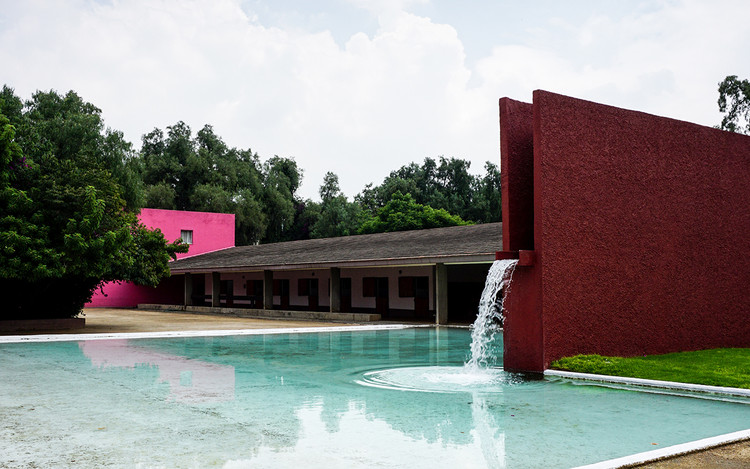
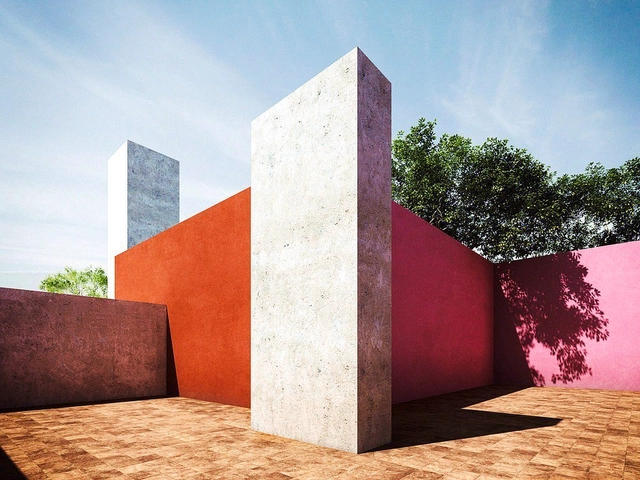
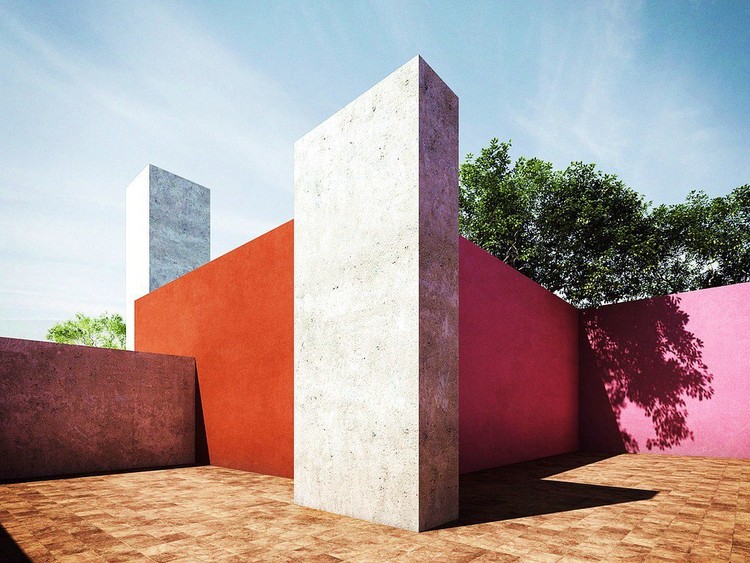
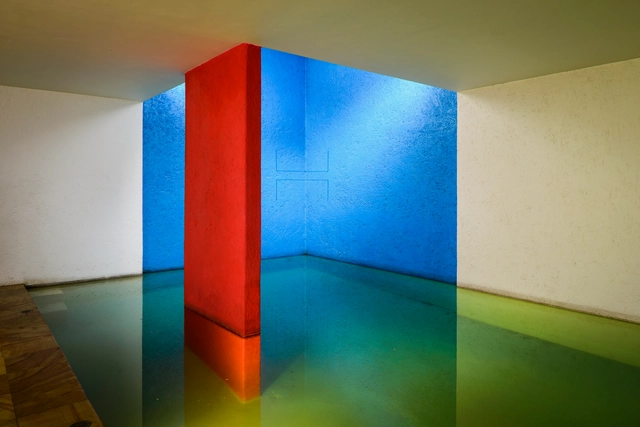
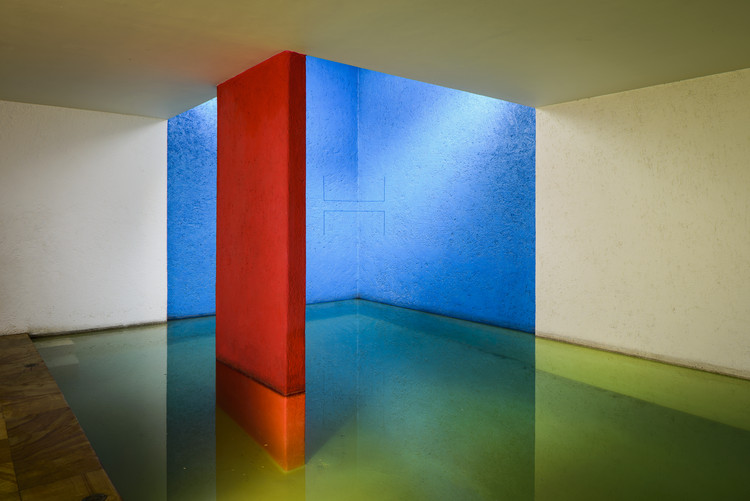
In Luis Barragán’s poetic imagination color plays as significant a role as dimension or space. Rough textures and water reflections heighten the impact of bright sunlight in his colorful buildings. But where does such vibrancy come from and how is it heightened by the architecture itself?
Throughout history, there have been certain architects whose unique ideas and innovative styles have influenced generations to come. Some of these pioneers introduced ideas so revolutionary that entirely new words had to be invented to truly encapsulate them. Whether they became a style embraced by an entire era, or captured the imagination of millions for decades to come, we know a Gaudiesque or Corbusian building when we see one.
Here are eight adjectives derived from the works of architects whose names are now in the dictionary:
How many lives does a great work of architecture have? The first begins when it is built and inhabited, judged based on the quality of life it provides for its residents. The second comes generations later when it becomes historically significant and perhaps its original function no longer suits the demands of society. The value of such buildings is that they inform us about the past and for that reason their conservation is necessary.
However, in Latin America, there are countless cases of buildings of great architectural value that are in tragic states of neglect and deterioration. Seven such examples are:
Una pieza de la exposición. Image Cortesía de Museo Universitario de Arte Contemporáneo
In a somewhat poetic proposal, Jill Magid, the American artist, offered Federica Zano, owner and archivist of the Barragan Foundation in Switzerland, a two-carat diamond ring made from ashes from Barragan’s cremation, in exchange for returning Barragan’s professional archive to Mexico.
This gesture was the pinnacle of an art project that “posed fundamental questions about the consequences and implications of converting cultural legacy into private corporate property.” Magid’s work, titled “A Letter Always Arrives at its Destination,” held an exhibition at the University Museum of Contemporary Art at the UNAM.
Had the worst jury ever? Failed your exams? Worry not! Before you fall on your bed and cry yourself to sleep—after posting a cute, frantic-looking selfie on Instagram, of course (hashtag so dead)—take a look at this list of nine celebrated architects, all of whom share a common trait. You might think that a shiny architecture degree is a requirement to be a successful architect; why else would you put yourself through so many years of architecture school? Well, while the title of "architect" may be protected in many countries, that doesn't mean you can't design amazing architecture—as demonstrated by these nine architects, who threw convention to the wind and took the road less traveled to architectural fame.
Though the idea of a vacation in Mexico usually brings to mind images of margaritas on white-sand beaches, it seems the country is slowly but surely gaining recognition in other aspects as well. Among the most populated urban cities in Latin America and the world – not to mention The New York Times' number one "Place to Go in 2016" – Mexico City offers a particular cultural diversity evident both in its traditions and in its architecture. Considering it's the main tourist, educational, cultural, economic and political center of Mexico, it makes sense that it's the perfect scenario for the social encounters of its multicultural inhabitants and tourists.
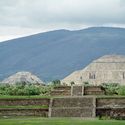
The sites of architectural interest alone are worth the visit, with prehispanic, classic, modern and contemporary examples ranging from Juan O'Gorman and Luis Barragán to Felix Candela and David Chipperfield. Add to that the fact that its gastronomic scene has garnered much praise and attention in recent years, and you've got a perfect combo. Below is a carefully curated list of 30 sites that every architect should know and visit.