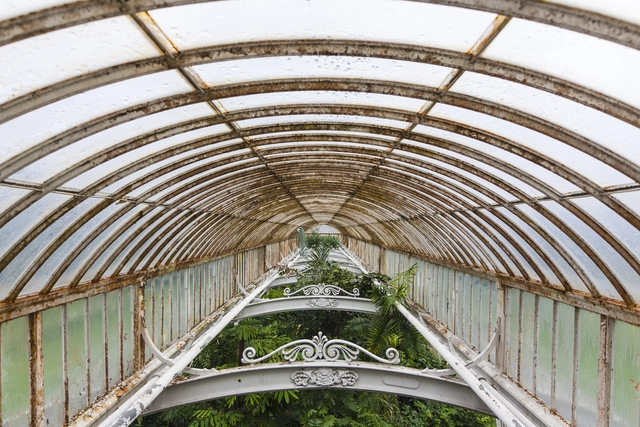
The greenhouse is a commonplace architectural typology, a frequent fixture in a host of cities, built to shield plants from the elements — from excess heat or cold or to prolong the growing season of crops. Evidence of the presence of greenhouses in some form stretches as far back as the 1450s during the Korean Joseon dynasty, but it is in the 1700s that the greenhouse was born as a specific architectural form. Glassmaking improved, and thus the largely transparent, wide-span structures we know today were born. Nestled under the intricate iron metalwork of greenhouses are also wider stories — of control and undeserved wealth, and resistance.
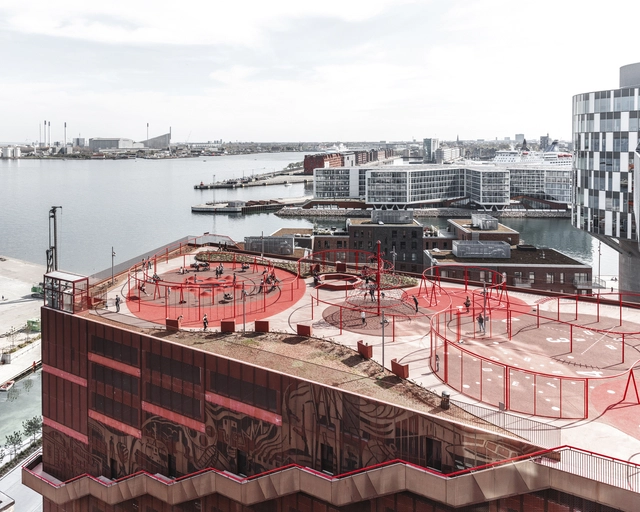
In increasingly denser urban environments, there is a new-found interest in underused spaces as opportunities for further development. Representing up to 25% of cities' land area, rooftops are among the most exciting spatial resources. From sustainable infrastructure and urban farming to social spaces and cultural venues, the article looks into the potential of creating a multi-layered city through the activation of urban rooftops.
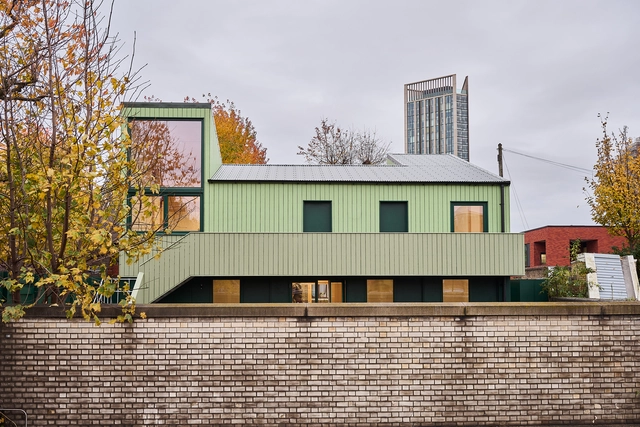
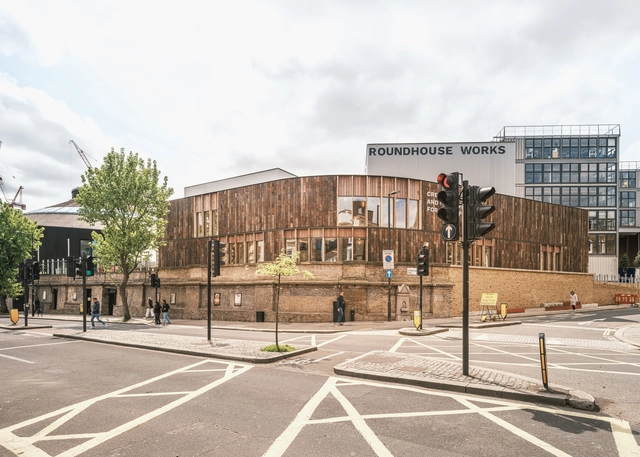
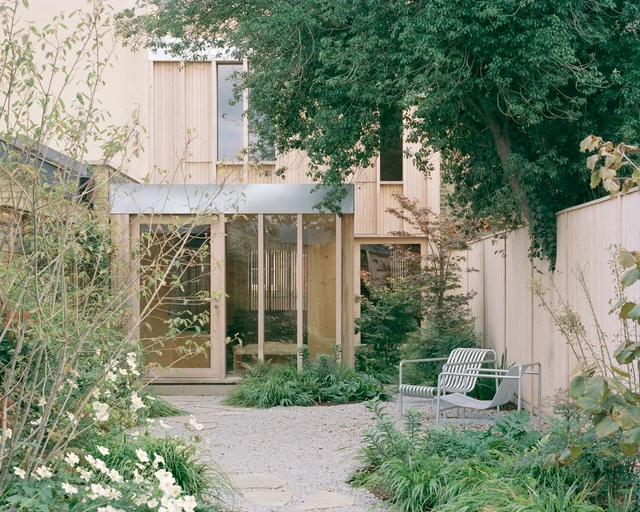
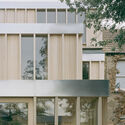
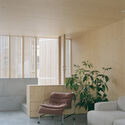
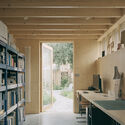
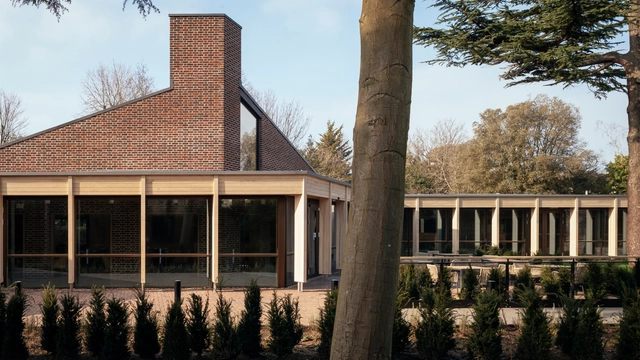
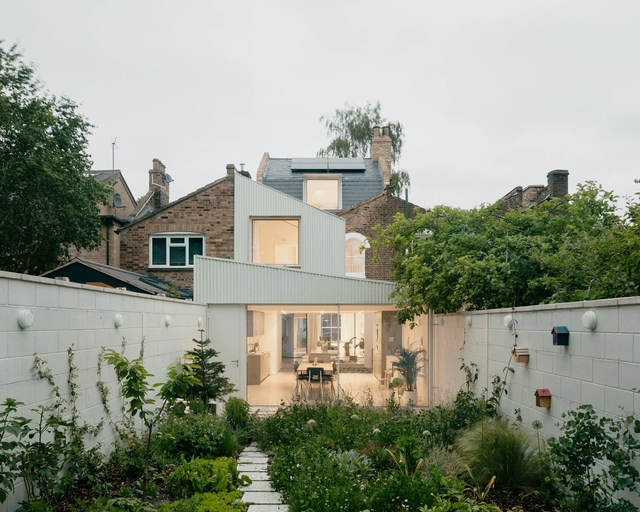
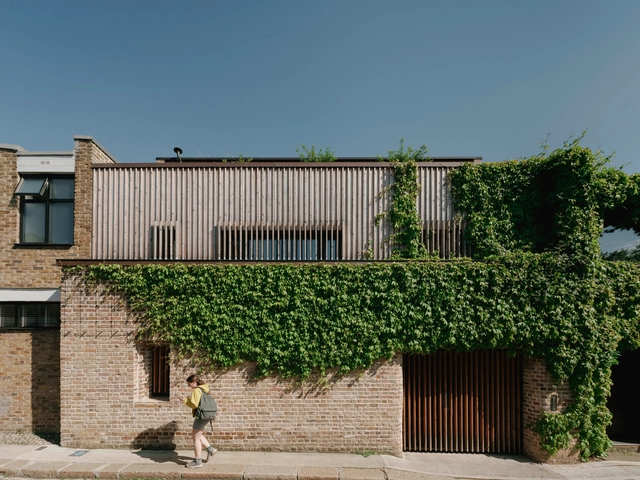
Every year since 1996, the Royal Institute of British Architects (RIBA) has hosted the RIBA London Awards to celebrate outstanding works of architecture from across the United Kingdom. This year, the list of winners includes 52 buildings ranging from a senior day-care center in Blackheath to a cultural hub in Greenwich and a subtle intervention in Hackney’s de Beauvoir conservation area. All RIBA London Awards winners will be considered for the RIBA National Award, scheduled to be announced on June 22nd.
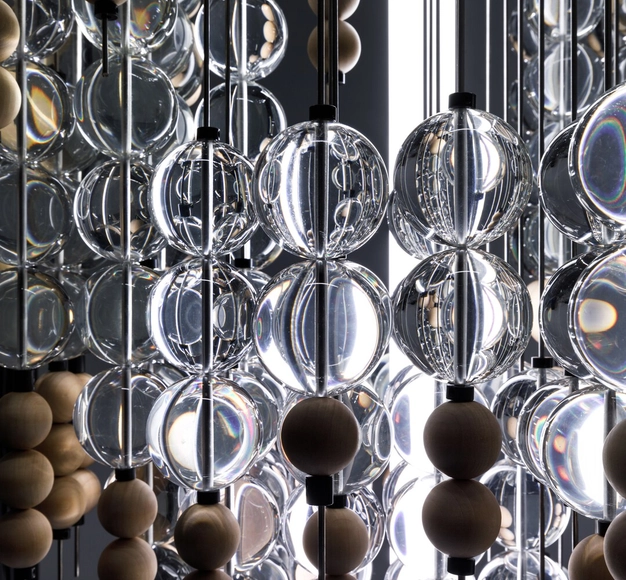
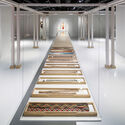
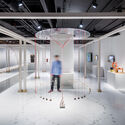
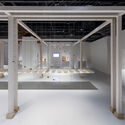
Minimaforms Presents The Order of Time at the Architectural Association School of Architecture Gallery. It is an immersive installation aimed to connect the preoccupations of physics, art, and architecture by revealing the ordering of spaces and constructed relationships through direct experience.
Three Sculptural installations are the highlight of the exhibition. Spherical organizations deployed through mathematical logic and designed to extend space within reflective light boxes, gifting its viewer a new immersive moment at every turn. ArchDaily had the chance to engage in a conversation with Theodore Spyropoulos; Artist & Architect at Minimaforms and Director of the Architectural Association’s Design Research Lab, on issues that tackled the interdisciplinary nature of architecture, the creative process of the installation, and how it influences the creation of spaces, buildings & cities.
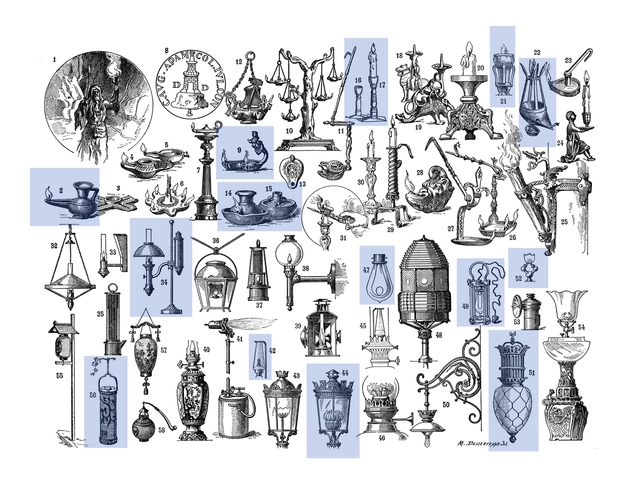
The simple activity of taking a walk in the evening can easily turn from a relaxing leisurely activity to a dangerous endeavor by removing just one element from the streetscape: public lighting. While not often recognized as defining aspect of urban environments, artificial illumination has played an essential role in defining the character of modern cities. Crime control, the appeal of nightlife, the rise of the shop window, revolutionary movements, utopias, and ideals of social equity are all concepts whose development is tightly linked to the history of public lighting. Technological advancements over the past centuries have continuously shaped the appearance and symbolism of streetlamps. Still, the this element has remains a constant throughout its history.
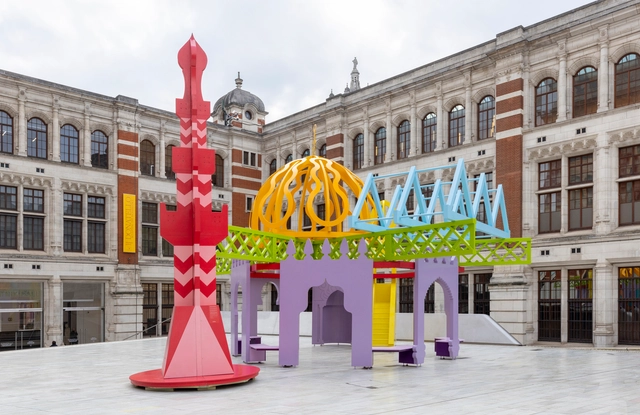
Ramadan Pavilion. Image Courtesy of Victoria & Albert Museum
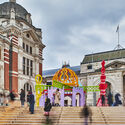
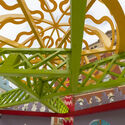
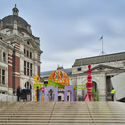
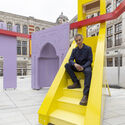
Ramadan Tent Project and V&A present the Ramadan Pavilion 2023, an architectural installation inspired by the holy month of Ramadan, which starts today. The Ramadan Pavilion 2023 is designed by architect Shahed Saleem and will be open to the public at the Exhibition Road Courtyard of the V&A South Kensington until May 1, 2023. As part of the annual festival, the pavilion is accompanied by a series of events, performances, and workshops curated by the Ramadan Tent Project.
With many high streets hollowing out and the National Health Services Association pushed to its limits, Heatherwick Studio is calling for a new kind of health space in metropolitan cities. The Health Street initiative is placed right at the heart of urban communities, reimagining the way we look at well-being and the holistic health of complete localities. Moreover, this radical approach to health creation is based on integrating community-led facilities into the local high streets.
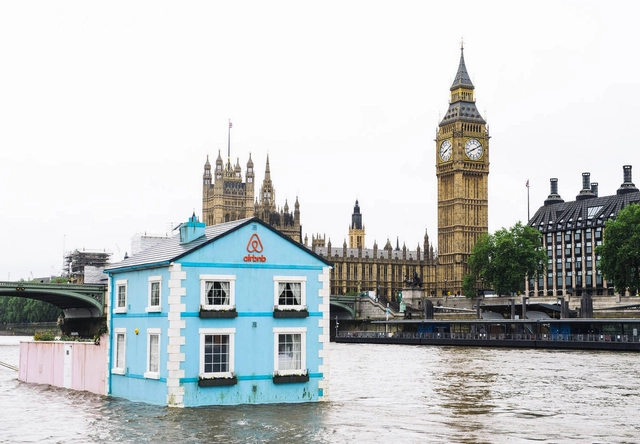
Airbnb has long been a reliable way to find a homestay. Since its inception in 2008, the site has hosted more than 7 million homes around the world where travelers can stay in a room, or rent an entire house out for themselves. Recently, many cities have been cracking down on short-term stays, citing safety issues, false listings, and rising property prices which push people out of their homes when housing becomes used just for Airbnb rentals. What are cities doing about these issues? What is Airbnb doing to help remediate them? And will Airbnb be viable for much longer?