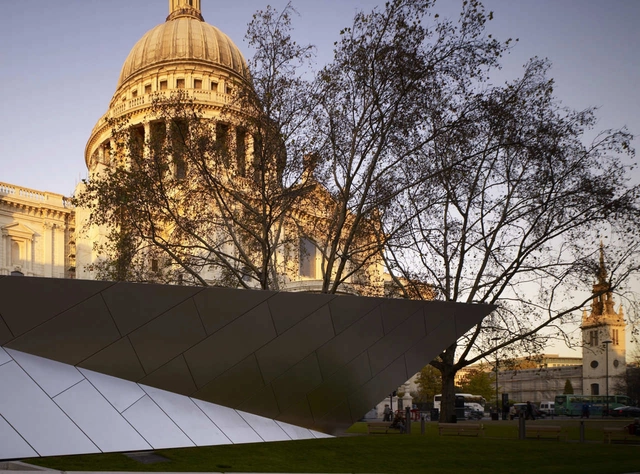
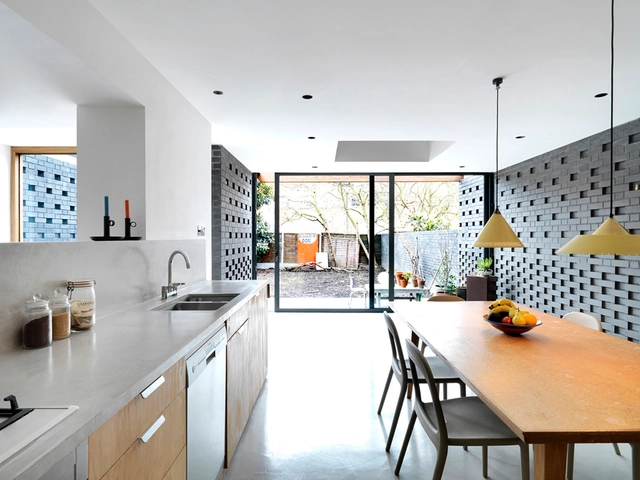
In this intriguing article in the Telegraph, Stephen Bayley critiques protecting cities' "traditional" view corridors out of nostalgia (or fear of bad architecture). On the premise that "not all development is bad" and that "the only cities that do not develop are dead ones", Bayley argues forcefully for better, rather than less, city building. You can read the full argument here.
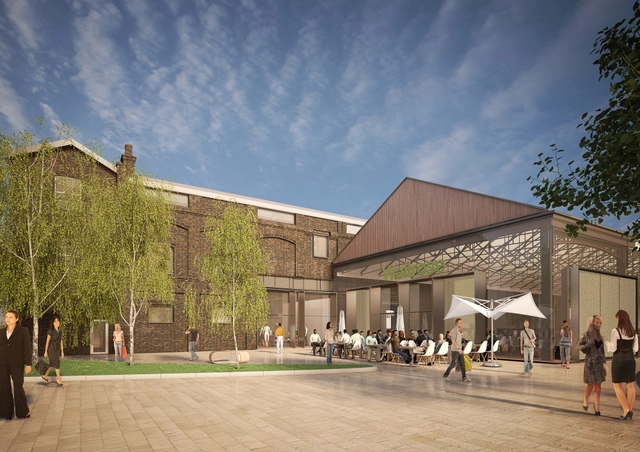
Bennetts Associates has revealed plans for the latest development in London's King's Cross. Their proposal for a sensitive heritage conversion to "breath new life into a disused Victorian building" will house a new supermarket and cookery school, as well as an events and cultural space. As part of the ongoing transformation of one of London's central districts which has recently seen the completion of John McAslan'sstation concourse, Stanton William'sCentral Saint Martins, and an office proposal from David Chipperfield, Bennetts Associates' designs aim to reinvigorate the historic Midland Goods Shed.
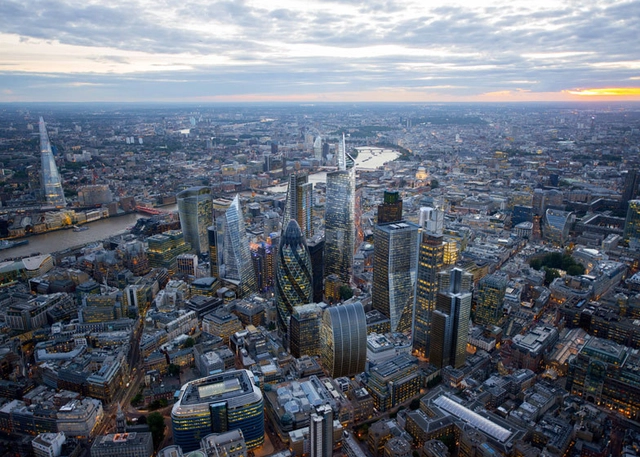
Central London as it will look when all current projects are completed.. Image Courtesy of CPAT / Hayes Davidson / Jason Hawkes
In a study of all development plans in London, the think tank New London Architecture has found that at least 236 buildings over 20 stories are currently either under construction, approved or awaiting approval in the capital - with over 80% of these projects yet to break ground.
The study, created to support an exhibition by NLA called "London's Growing... Up!," found that 80% of the new towers will be residential, and that the areas of greatest activity were in Central and Eastern areas of London, with 77% of these tall buildings in the City of London or the Boroughs of Tower Hamlets, Lambeth, Greenwich, Newham and Southwark.
Read on for more results of, and reactions to, the study...
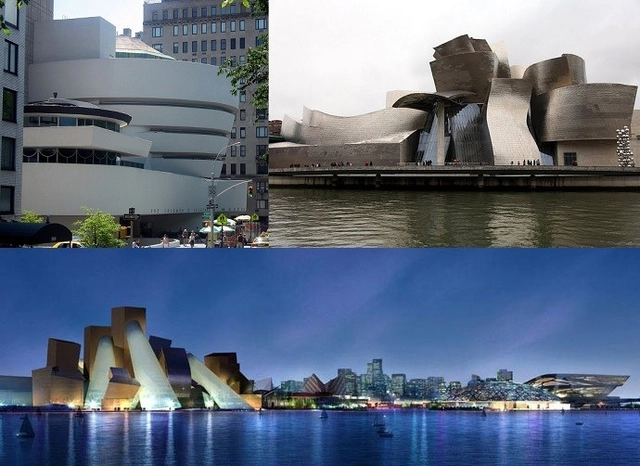
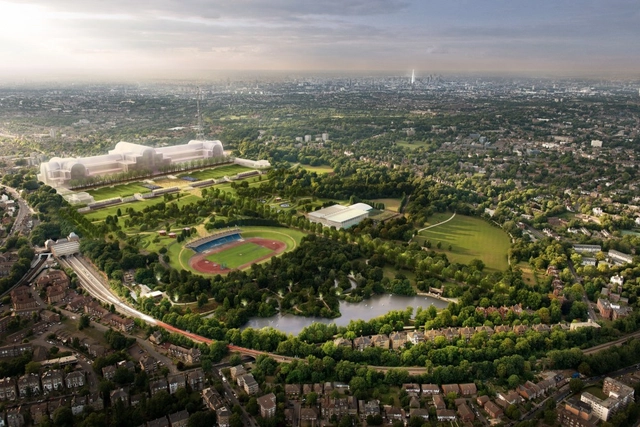
As part of his strategy to solidify the "Olympic Legacy" of East London, Mayor Boris Johnson has recently been focusing on providing the Queen Elizabeth Olympic Park with a little more diversity in its buildings, placing an emphasis on bringing cultural institutions alongside the sports buildings. Now, alongside the V&A's plans for new galleries and University College London's proposed design school and cultural centre, The Art Newspaper reports that Johnson is out to grab a headline attraction: London's own Guggenheim.
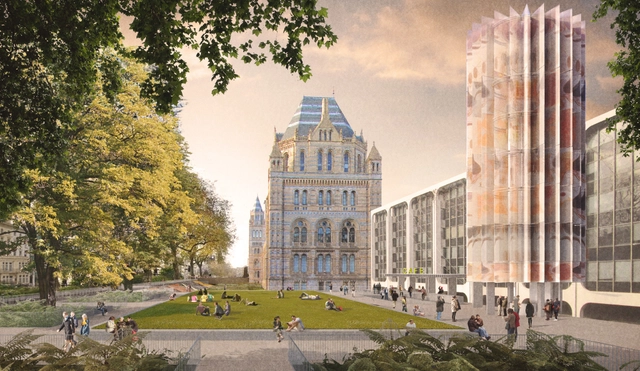
Following the news last year that five teams had been shortlisted to redesign and reimagine the grounds of London's iconic Natural History Museum (NHM), five anonymous concept images have been unveiled. The brief called for proposals to "reshape the Museum’s grounds and reinvigorate its public setting" with an aim to creating "an innovative exterior setting that matches Alfred Waterhouse’s Grade I listed building and the award-winning Darwin Centre for architectural excellence, whilst also improving access and engaging visitors."
Read on to see the competing teams, including individual concept images from BIG, Stanton Williams and Feilden Clegg Bradley.
The Finnish Institute in London and The Architecture Foundation have unveiled Viewpoint, a floating platform on Regent's Canal in the centre of Camley Street Natural Park, London. Designed by Erkko Aarti, Arto Ollila and Mikki Ristola of Finnish practice AOR, the platform will be operated by the London Wildlife Trust. The permanent structure is intended to bring visitors to London's most central nature reserve, connecting them with the wildlife of the park and the Regent’s Canal. In addition, it will also provide the park with an additional workshop space and learning facility, becoming "an architectural focal point of King’s Cross."
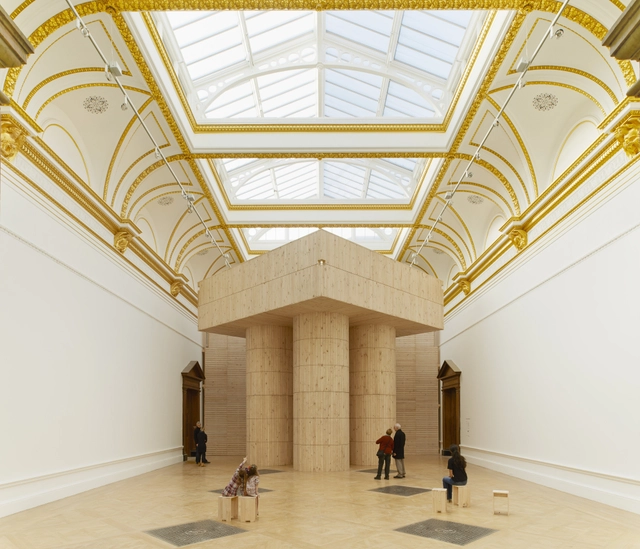
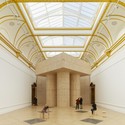
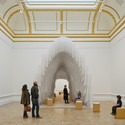
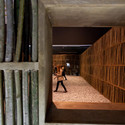
As the most ambitious architecture exhibition hosted by the Royal Academy of Arts in a generation, Sensing Spaces was inevitably going to be under a lot of scrutiny from architecture and art critics. According to the Academy's Chief Executive Charles Saumarez-Smith, the momentous exhibition "represents a shift away from postwar modern architecture where it was about problem solving, to thinking about architecture in terms of experience, material, light and space."
Fortunately the exhibition seems to have struck a chord with critics, who have almost universally praised the exhibition's premise and have, to varying extents, been highly complementary about the individual exhibits.
Read on after the break for a round-up of the critics' opinions
As an accompaniment to their ongoing Sensing Spaces Exhibition in London, the Royal Academy of Arts has produced six wonderful films interviewing the architects involved in the exhibition, unearthing what motivates and inspires them as architects, and what the primary themes of their exhibition projects are.
The above video features both Álvaro Siza and Eduardo Souto de Moura, who both designed their Sensing Spaces exhibits with the other in mind. Siza explains his preoccupation with the joints between the natural and the man-made through his Leça Swimming Pool complex, and the way the rock formations informed his interventions. He also introduces his one-time protégé Souto de Moura's Braga stadium as expressing the same understanding of the natural and man-made.
See videos from the 5 other Sensing Spaces participants after the break