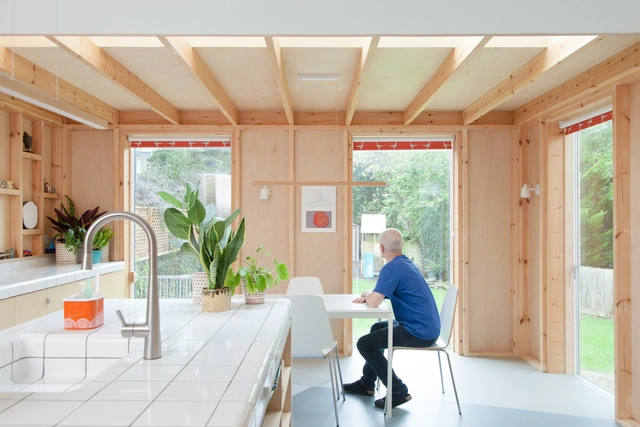
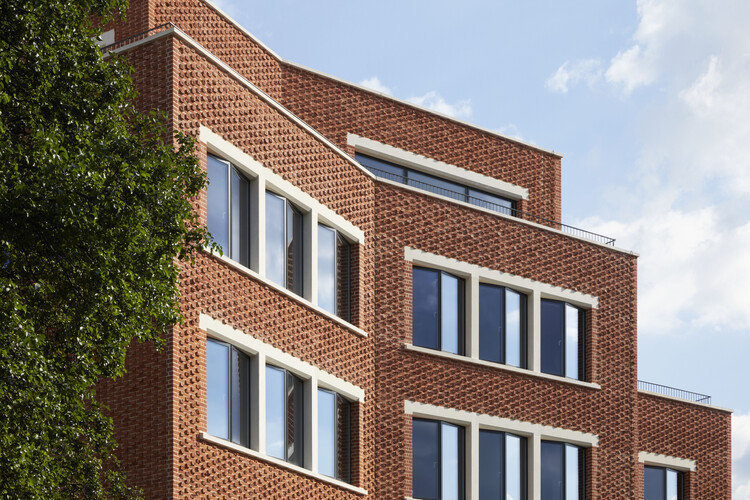
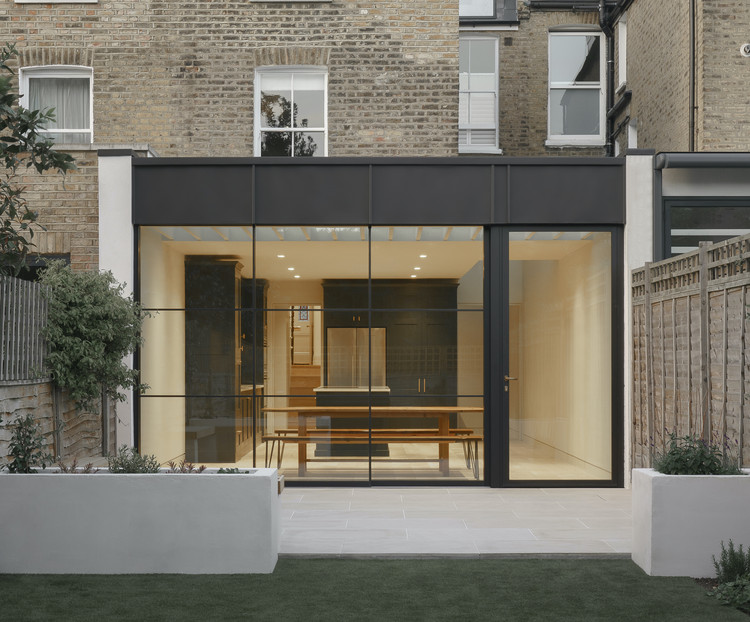
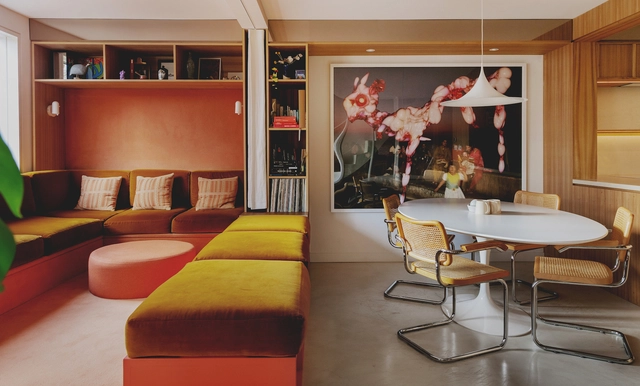
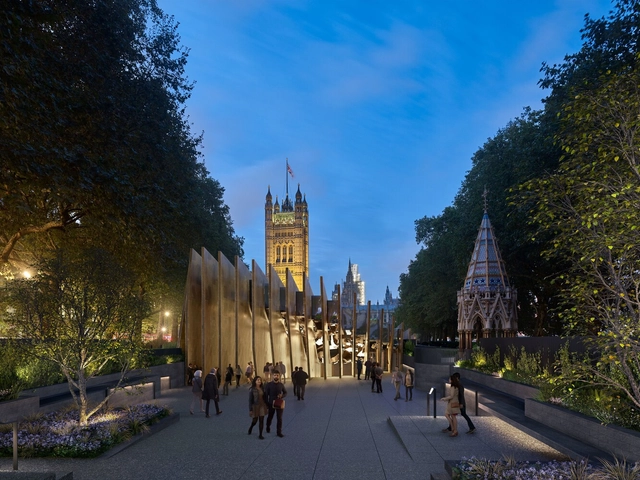
The Royal Institute of British Architects has announced the 54 winners of the 2021 RIBA National Awards, highlighting the UK's best new architecture. Ranging from single homes and housing schemes to educational facilities, cultural buildings, sports venues and medical centres, this year's projects illustrate a growing preoccupation with restoration and adaptive reuse, as well as a significant investment in education and culture. Inaugurated in 1966, the awards provide insight into UK's architectural environment and the economic trends shaping the AEC industry.
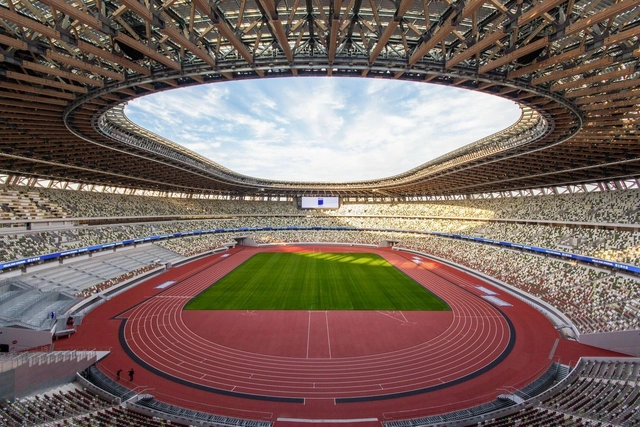
Since their inception in 1896, modern-day Olympics have been regarded by hosting cities as an opportunity to project to the world a specific image of themselves, to subsidize large infrastructure projects, or to rapidly unfold redevelopment schemes. Past the frequently discussed eye-catching stadiums, there is a complex story of Olympic urbanism, which encompasses the large scale developments catalyzed by the event. Exploring the urban and architectural legacy of the Games, the success stories, the white elephants, and the administrative agendas, the following discusses what the Olympics leave behind in the hosting cities.
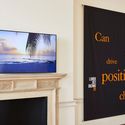
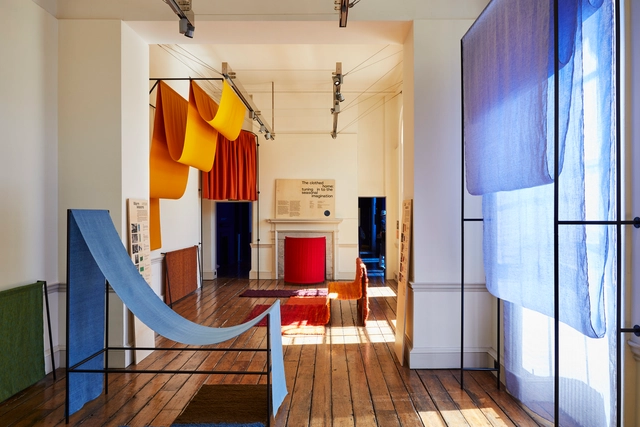
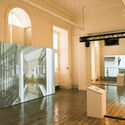
Responding to artistic director and curator Es Devlin's theme ‘Resonance’, designers from different countries, territories, and cities showcased how they envision new perspectives and solutions to global issues, exploring topics such as sustainability and the environment, globalization, migration, and the future of humanity. The diversity of the contributing curators was not only present in the solutions they presented, but in how they displayed them as well. While some opted for the tactile experience of exploring natural elements, others relied on one of the most prominent themes of the 21st century: digitalization and the virtual world.
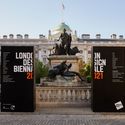
London Design Biennale is currently unfolding at Somerset House, with 38 exhibitions from across six continents showcasing the role of design in addressing global challenges. Curated by Artistic Director Es Devlin, the event centres around the theme ‘Resonance’, inviting designers and artists to consider the ripple effect of “ground-breaking design concepts on the way we live, and the choices we make”. At the third edition of the London Design Biennale, the national pavilions highlight new perspectives on world issues, exploring sustainability and the environment, globalisation and migration, history and daily life.
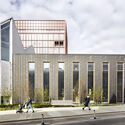
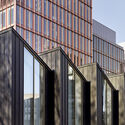
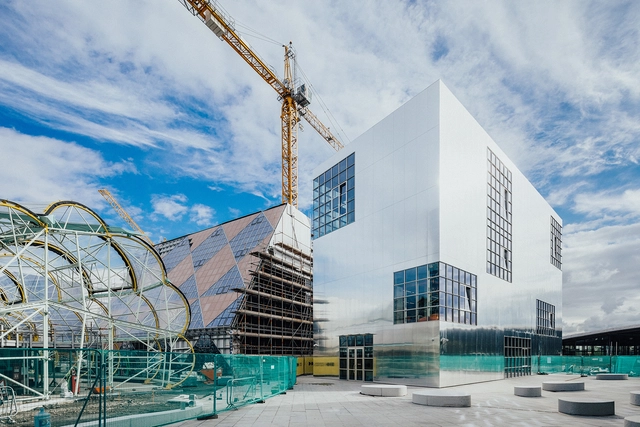
Barcelona-based studio Barozzi Veiga has completed its first UK project, which will house Ravensbourne University’s Institute for Creativity and Technology. The building, whose interiors are designed by Brinkworth, is also the first to be completed within the Design District, London’s new purpose-built creative hub at the heart of the Greenwich Peninsula. Featuring a polished aluminium-clad façade that reflects the neighbouring buildings, the design engages with the surrounding context, while also referencing the area’s industrial past.
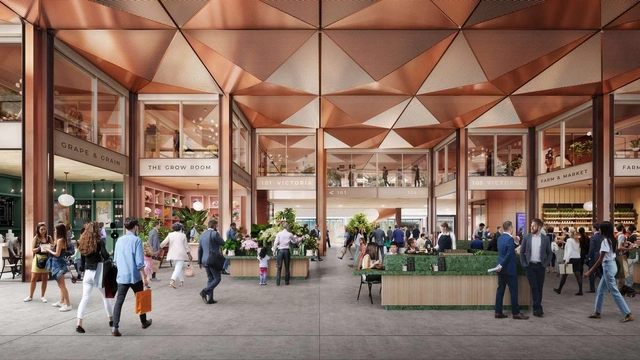
Located in the heart of Westminster, a short distance away from the Buckingham Palace, Henning Larsen are building a community hub that reimagines traditional office and commercial spaces. 105 Victoria Street will be the architecture firm's first ever project in London, providing visitors with an urban plaza that enables an active and social working environment both indoors and outdoors. The project is being developed by BentallGreenOak and is designed in collaboration with Adamson Associates Architects and KPF.


























































.jpg?1622485373&format=webp&width=640&height=580)

.jpg?1622486060 "© Helene Binet")
.jpg?1622486105 "© Helene Binet")
.jpg?1622485373)