
-
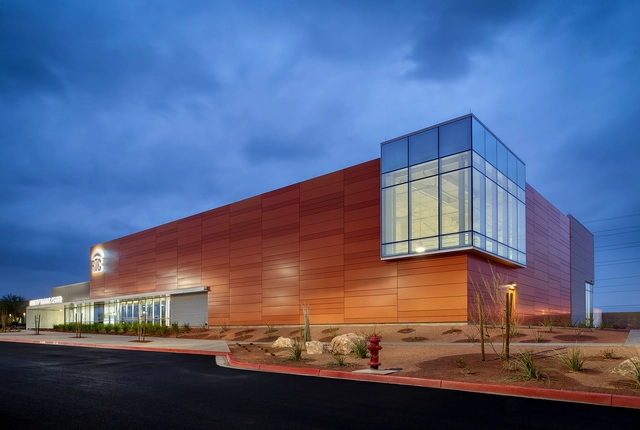
Architects: Punch Architecture
- Area: 11330 ft²
- Year: 2018
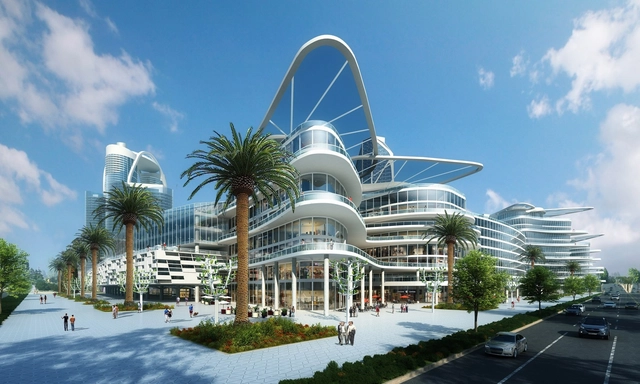
Real-Estate Trust Bleutech Park Properties plans to build the world’s first digital infrastructure mini-city in Las Vegas, Nevada. Called Bleutech Park, the $7.5 billion project is set to break ground this December and aims to redefine the infrastructure industry sector. The development will be home to a net-zero insular mini-city as a high-tech biome in the desert valley.
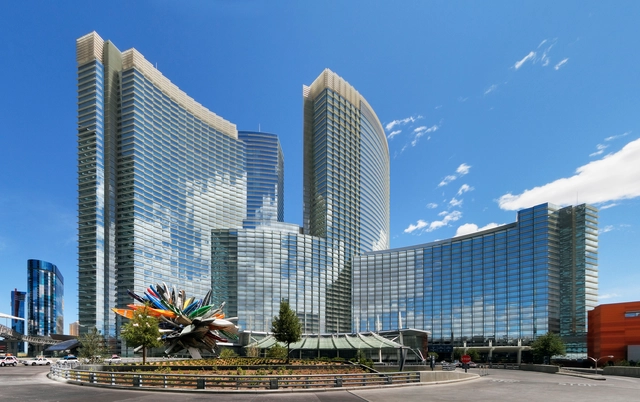
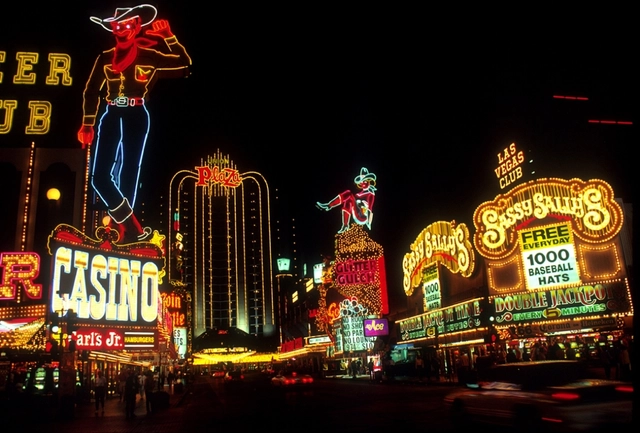
Which building is better, the duck or the ornamented shed? More importantly, what kind of architecture does the average American prefer? In their landmark 1972 publication Learning From Las Vegas, Denise Scott Brown and Robert Venturi probed these questions by turning their back on paternalistic modernism in favor of the glowing, overtly kitsch, and symbolic Mecca of the Las Vegas strip. From a chance encounter during a meeting in the Library of Fine Arts at the University of Pennsylvania and shared trips to the strip to critically shaping a new generation of architects, discover the hidden details of the romance and city that defined postmodernism in this latest episode from 99% Invisible.
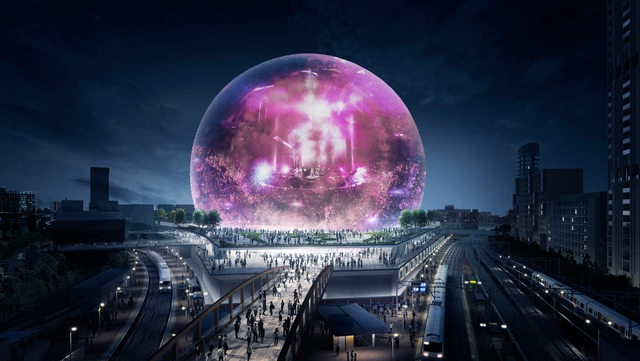
The Madison Square Garden Company has unveiled images of its proposed MSG Sphere in London, a next-generation venue seeking to “redefine live entertainment” through an array of technology geared towards transformative, immersive connections between artists and audiences.
To accompany the London scheme, an MSG Sphere will also be located in Las Vegas. Both are to be designed by Populous, a global firm responsible for a large number of stadia and arenas across the globe.
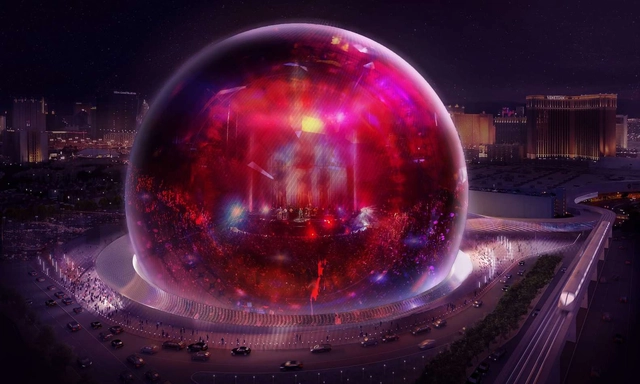
The Madison Square Garden Company, the eponymous group behind New York City’s iconic concert and events venue, has revealed plans to building two new arenas on opposite sides of the world that will both be shaped like giant spheres.
To be branded as MSG Spheres, the venues will be located in Las Vegas and in London, and will be designed by Populous, the Kansas City-based firm responsible for a large number of stadia and arenas across the globe.


.jpg?1494051634)
What did Pritzker Prize winner Frank Gehry get when he designed the Stata Center, an exuberantly whimsical academic complex for MIT? A very large check, plus a major lawsuit, alleging negligence and breach of contract due to rampant leaks, mold, cracks, drainage problems and sliding ice. Sometimes the most inspired designs can go awry. And when they do, some clients lawyer up. Here are 9 fascinating examples.
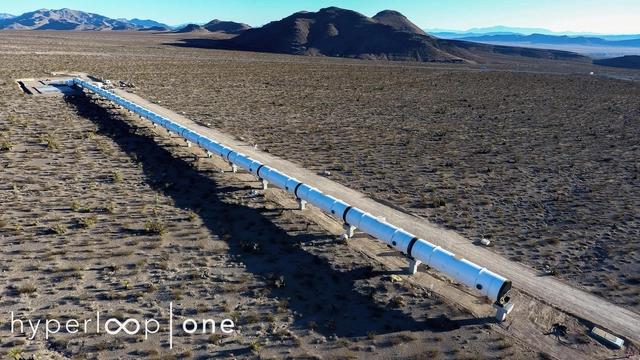
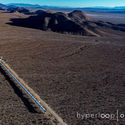
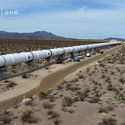
Hyperloop One has revealed images of its full-scale test track, called the DevLoop, for the first time as it prepares for its first public trial later this year. The 500-meter-long (1,640 feet) DevLoop is located in the flat terrain of the Nevada desert, just 30 minutes from Las Vegas. In its final form, the track will extend two miles between launching and receiving points.
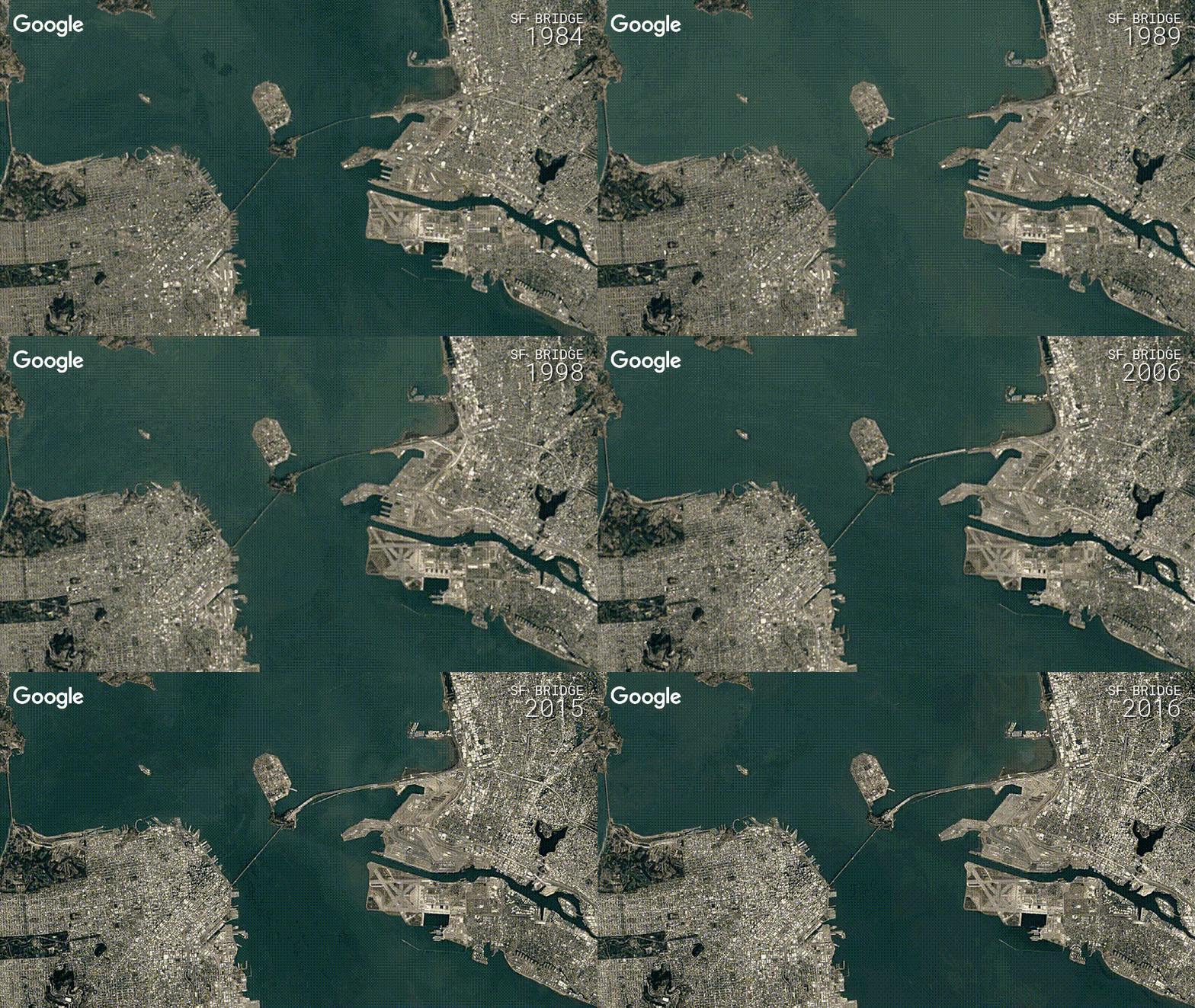
Google Earth has released an update to its Timelapse feature, giving viewers a better look at the rapid expansion of the world’s urban areas between 1984 and 2016.
Originally released in 2013 in partnership with TIME and NASA, the update adds in four more years of data, as well as petabytes of imagery data from two new satellites, Landsat 8 and Sentinel-2, to provide clearer views of new developments and the recent effects of climate change on our natural environments.
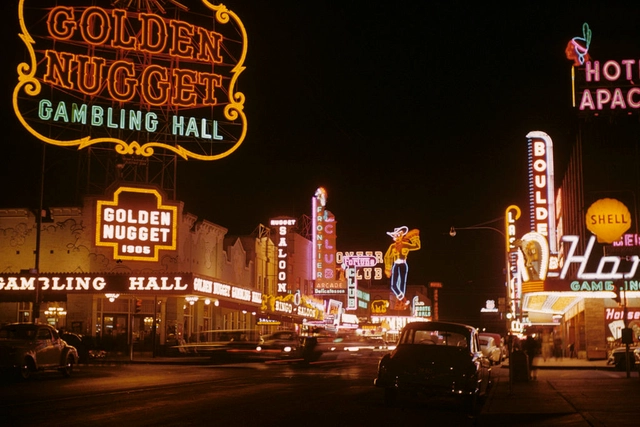
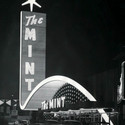
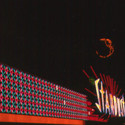
Thanks to the increasing availability of giant LED screens, the Golden Age of Neon has quietly faded in Las Vegas. For decades casinos defined their visual identity with colorful neon signs and competed for the most innovative signage. But with casinos closing, being refurbished and the arrival of new lighting technology a lot of neon signs were replaced, and for many years the Young Electric Sign Company kept the old neon signs in their "boneyard" for storage and recycling. Fortunately historic preservation groups rescued these signs. With support of the arts council The Neon Museum was born to save neon treasures and to educate the public.
Read on to explore Las Vegas' luminous landmarks and The Neon Museum.

“Nestled into the desert landscape that defines Nevada’s visage,
Ascaya feels as if it were shaped by the elements.
[...]
Where stone rises up to meet the sky, there is a place called Ascaya.”
- The Ascaya promotional website
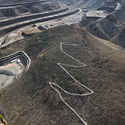
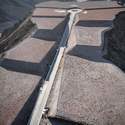
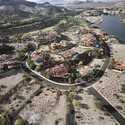
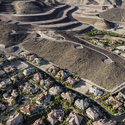
Not quite, according to Michael Light’s soon-to-be released book, Lake Las Vegas/Black Mountain. Covering the advance of suburban Nevada into the desert, this two-part book looks at Lake Las Vegas, a then-abandoned victim of the 2008 real estate crash which has since emerged from the other side of bankruptcy, and nearby Ascaya, a high end housing estate that is still in the process of being carved into Black Mountain. Light’s photography doesn’t so much question the developers’ summary as it does, say, blast it, scar it, terrace it and then build a large housing development on the remains. Featuring beautifully composed aerial shots of the construction sites and golf courses covering the desert, the book is a clear condemnation of the destructive and unsustainable development in Nevada. Much more than that, though, Light is highlighting a wider philosophy behind developments like Ascaya and Lake Las Vegas that fundamentally fail to connect American society with the American landscape in a non-destructive way.

Vincent Laforet is at it again, this time photographing Nevada’s Sin City from an elevation of 10,800 feet (8,799 feet above the city). Part two of Laforet’s dizzying series of city aerials, the Pulitzer Prize-winning photographer was drawn to desert city of Las Vegas because of its “island” effect.
“Just like the island of Manhattan that started this series, Vegas is an "Island of Light" in the middle of nothingness… A sea of black with an amazing source of light emanating from Vegas and its infamous strip… You can almost see the electricity running through it.”
A collection of "Sin City" images, after the break.
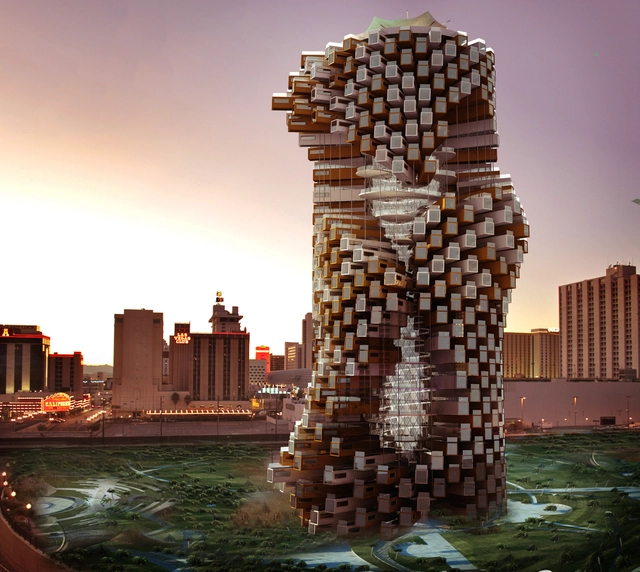
The idea of mixed-use residential buildings is rapidly gaining popularity in urban America. The concept of being able to work within walking distance of where you live is both convenient and economical. Matthew Rosenberg, design director of M-Rad Studio, recognizes this, and has proposed a dramatic live/work design for the Downtown Project of Las Vegas, Nevada. Titled Inter-Act Residence, the building (or, potentially, series of buildings) would incorporate modular offices and apartments, strategically arranged for interaction between residents.
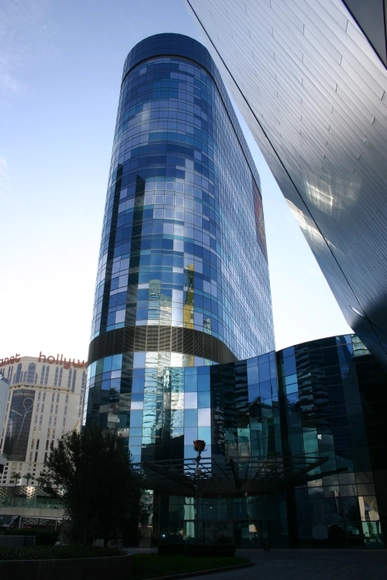
A court approved ruling has sealed the fate of Foster + Partners’ half-built Harmon Hotel in Las Vegas. Unfinished due to structural defects, the 27-story glass tower was once envisioned to be the staple of the $8.5 billion CityCenter entertainment complex. However, since problems arose in 2008, the stunted hotel and casino has instead served as a glorified billboard.
Though it has yet to be determined who will be blamed for the faulty construction, owner MGM Resorts International has been granted permission to dismantle the blue glass building floor-by-floor at a cost of $11.5 million.
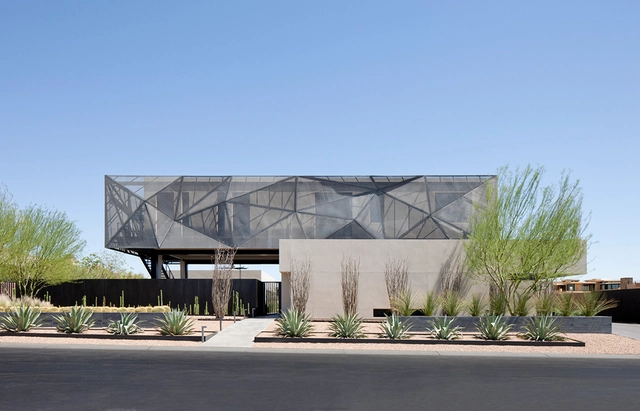

Text description provided by the architects. Placing second overall, just a few points behind the winning 2013 Solar Decathlon team, students from the University of Nevada Las Vegas (Team Las Vegas) have won the “Market Appeal” contest at the Department of Energy’s (DOE) sixth solar-home competition. Known as “DesertSol”, the project was lauded for its “livability, marketability and constructability” as well as its “appeal within the housing market of the target client chosen by team.” It is designed to be a self-reliant, energy-efficient second home for upper-middle income Americans who pursue active lifestyles in the sparsely populated Mojave Desert. Read on for the team’s project description.
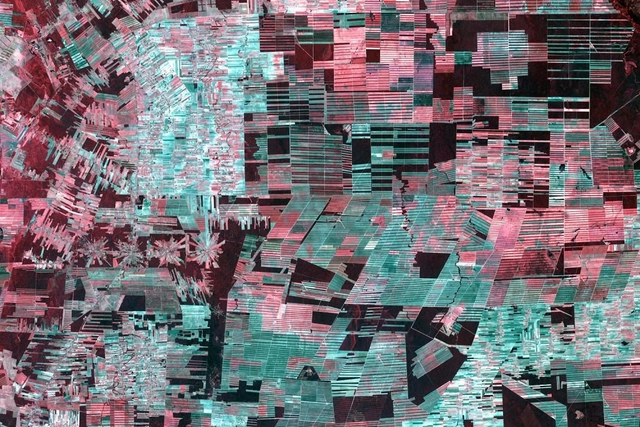
NASA, in cooperation with TIME and Google, has unveiled startling timelapse images of Earth from orbit collected by NASA's Landsat program since 1984. This program, created not for spycraft but for monitoring the way in which humans are rapidly altering the surface of the planet, consists of eight satellites that have collected millions of pictures in the course of two generations. When sifted through, cleaned up and stitched together, these pictures come together to create a high-definition slideshow that reveals some of the drastic changes our planet is undergoing - most notably through widespread urbanization.