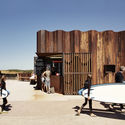
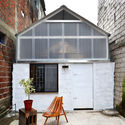
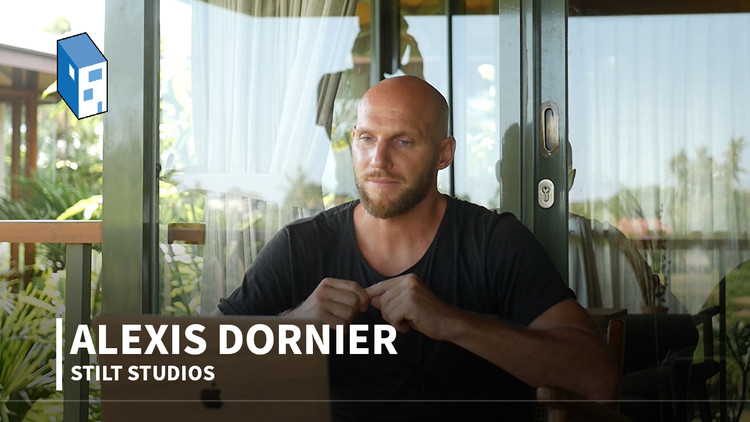
“It all started with the question: What if I’m going to build my own house?" It was this consideration that prompted Alexis Dornier to note that when he's providing architectural design service he's mostly catering, filtering and catalyzing input from other people that have budgets, preferences and tastes and it’s up to him to channel or organize that and let it "stream through" him. Using his craft to put it in order. "But what if you did not have that other hand [designer's help]? What would you do?”
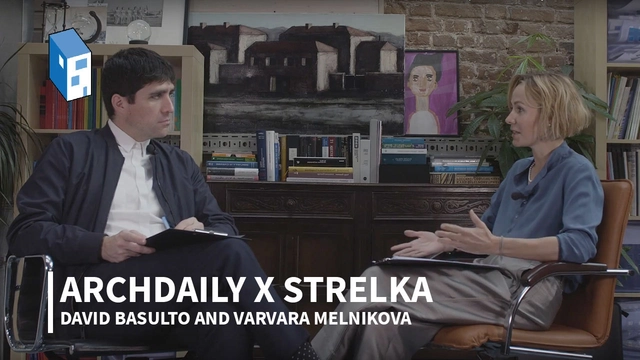
Archdaily’s Hana Abdel, projects curator, sat down with Alexis Dornier to discuss his latest venture as co-founder of Stilt Studios, a company “focused on making Architectural design accessible to a greater audience of people. People who wouldn’t be able to afford an architect or don’t want to go through the trouble of working with an architect. So, what if we could create a product, or an architecture that almost works as a product.”
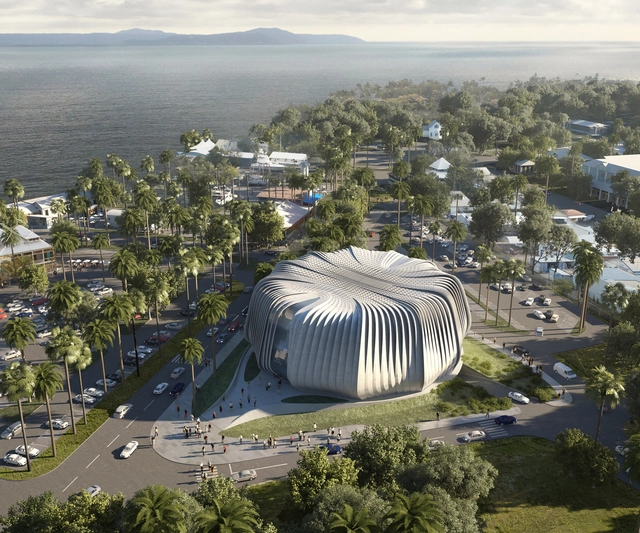
Courtesy of Contreras Earl Architecture / SAN architectural illustration
Contreras Earl Architecture has revealed its design for the world-first coral ark. Located at the gateway to the Great Barrier Reef in Port Douglas, North Queensland, Australia, the conservation facility “aims to secure the long-term future and biodiversity of corals worldwide which are under severe threat due to climate change”.
Videos
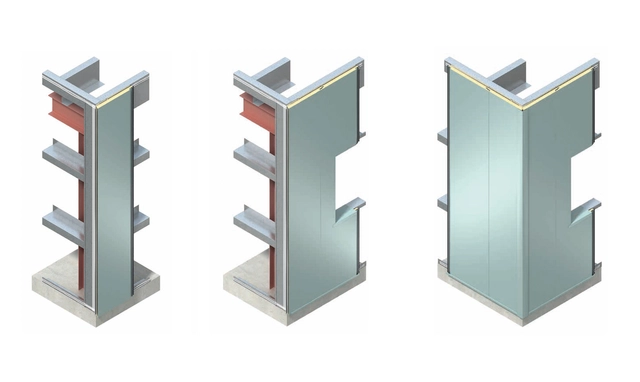
Designwall 2000/4000 / Vertical Installation. Image Courtesy of Kingspan
A building’s envelope is the first thing you notice - its defining feature, before even setting foot inside. While indisputably important, there’s much more going on than just aesthetics when designing one. There are unseen aspects and qualities that make the interior of the building safe and comfortable, which architects are constantly balancing with the visual appearance of the exterior.
Building envelopes keep out the weather, contribute to thermal and acoustic comfort, affect fire safety, and the choice of one system over another has economic, sustainability, constructability, and longevity implications to consider. In addition, there are multiple aesthetic factors a building envelope needs to address: context, color, texture, visual comfort, and overall design intent to name just a few.
Surface Ex-Tension by Jonathan Craig, Luis Arjona, Marco Nieto & Philip Elmore. Image Courtesy of Arch Out Loud
Since its installation in the late 1990s, a large clock in New York City’s Union Square has been counting up to 24 hours in each day with the number of hours, minutes, seconds, and milliseconds on display. However, the digital screen was recently repurposed as a Climate Clock and now projects the amount of time the world has left to take large-scale action on climate change- and the alarming truth, based on an IPCC Special Report on Global Warming counts down to only a little over seven years left until we reach the point of no return.
In order to inspire our audience, generate critical debates, and develop ideas, ArchDaily has been continuously questioning architects about the future of architecture. To define emerging trends that will shape the upcoming cities, examining “What will be the future of architecture?” became an essential inquiry. More relevant during these ever-changing moments, discover 10 interviews from ArchDaily’s archived YouTube playlists that will highlight diverse visions from 10 different pioneers of the architecture field.
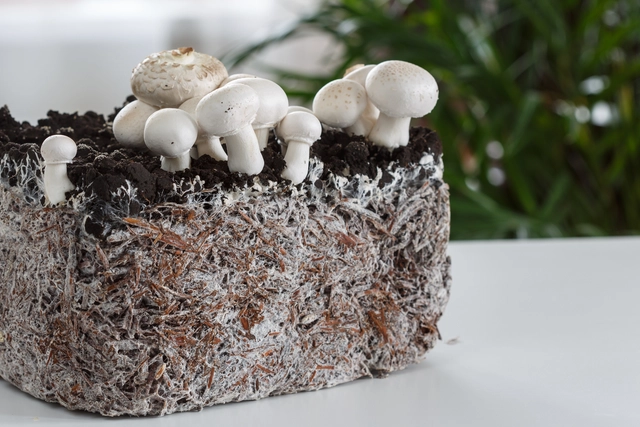
Fungi are everywhere. In the air, in the water, in our bodies, in the trees, in the ceilings of our bathrooms, underground. They can be mushrooms (edible, medicinal, hallucinogenic, or very poisonous), or take other simpler forms, such as molds. They can trigger illnesses, but they can also produce antibiotic remedies, such as penicillin, or help ferment amazing cheeses and breads. Could they also be the future of packaging and building materials?
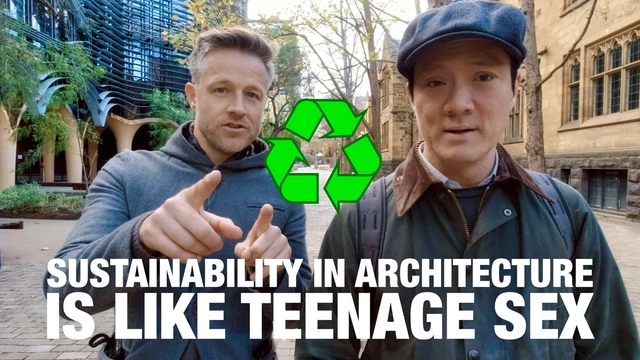
“Sustainability is like teenage sex. Everybody says they’re doing it, very few people are actually doing it. Those who are doing it, are doing it badly," once Joseph Romm said.
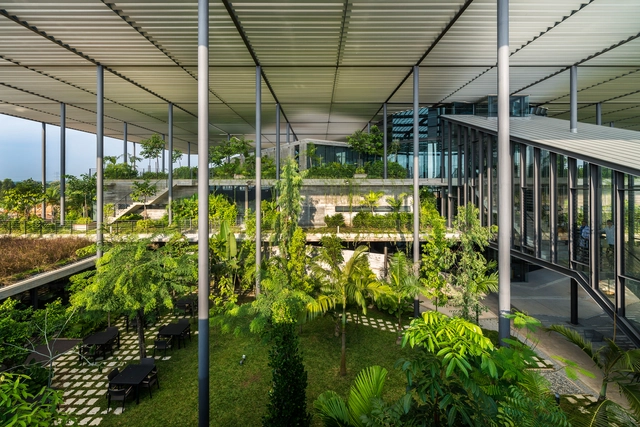
It is evident that there are many misconceptions about what sustainable architecture really is. Some define it as building with recycled materials, others believe it is all about integrating green elements into the architecture, and some mount solar panels onto their roof and label the project “green”.
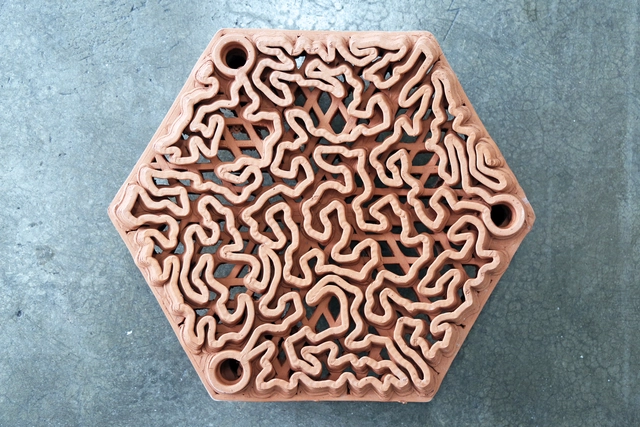
Corals are fundamental to marine life. Sometimes called tropical sea forests, they form some of the most diverse ecosystems on Earth. They serve as a refuge, breeding, and feeding area for dozens of species in the sea, and their absence can negatively affect local biodiversity to a tremendous degree. Yet just as humanity pollutes and destroys, it can also remedy and encourage the creation of more life. This is why shipwrecks of old vessels or the sinking of concrete structures for the creation of artificial reefs are frequently reported as providing immense potential. In Hong Kong, researchers have been developing 3D printed structures using organic materials that can lead to the creation of new opportunities under the sea.
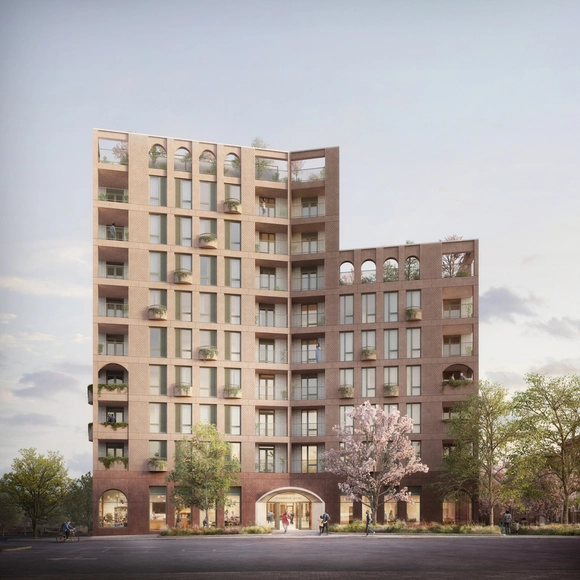
Curl la Tourelle Head Architecture received the green light to move forward with its latest “socially focused mixed-use scheme” that includes council homes, an adult education center, and affordable workspaces. Entitled Morland Gardens, the new project located in the London Borough of Brent, one of the district’s most deprived areas, is scheduled to start in the fall of 2020.
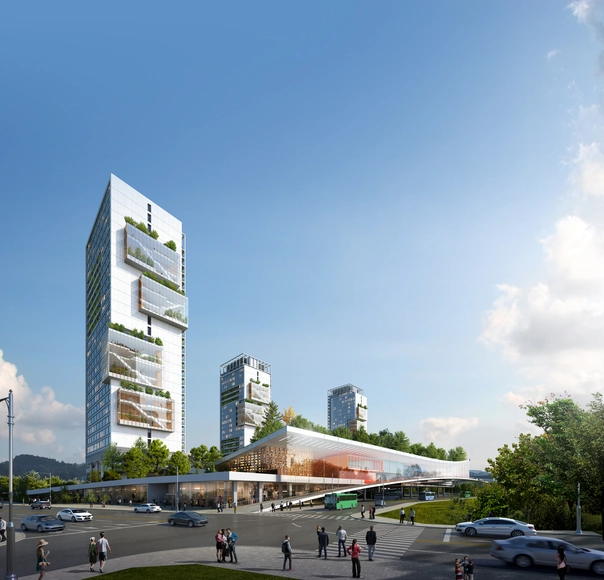
Gangil 1st position. Image Courtesy of M.A. Architects & Partners
The Seoul Compact City has held 3 different international design competitions, in 3 different neighborhoods in Seoul, South Korea, hosted by theSeoul Metropolitan Government and organized by Seoul Housing Corporation (SH Corporation). Aiming to create complex urban spaces in each of the interventions of the three-dimensional project, the contest selected visionary winning teams for each thematic, focusing on the introduction of public housing units and the enhancement of the infrastructure.
The Brundtland Report, 1987 - "Our Common Future" - introduced the notion that the sustainable use of natural resources must "meet the needs of the present generation without affecting the ability of future generations to meet theirs." Since then, the term sustainability has been popularized and, often, trivialized in our daily lives. In the construction industry, this is no different. As much as we know that to build, we need to destroy, how is it possible to mitigate the effects of construction during the useful life and demolition of buildings? A sustainable building, in its design, construction, and operation, must reduce or eliminate negative effects overall and may even generate net positive impacts on the climate and environment – preserving resources and improving the quality of life of the occupants simultaneously. To say that a building is sustainable is easy and even seductive. But what exactly makes sustainable construction?
Answering this question is not a simple exercise. That is why, in the last 30 years, several building sustainability certifications have been created. Through outsourced and impartial evaluations from different sources, they aim to verify the sustainable aspects of any construction. Each of them addresses particular building elements and is typically focused on certain regions of the world. While there are some certifications that verify whether the building meets certain efficiency criteria, others create different classifications, assigning a score based on these evaluations. Below, we list some of the primary sustainability certifications around the world – ranked alphabetically – and include their main architectural applications alongside a brief explanation:
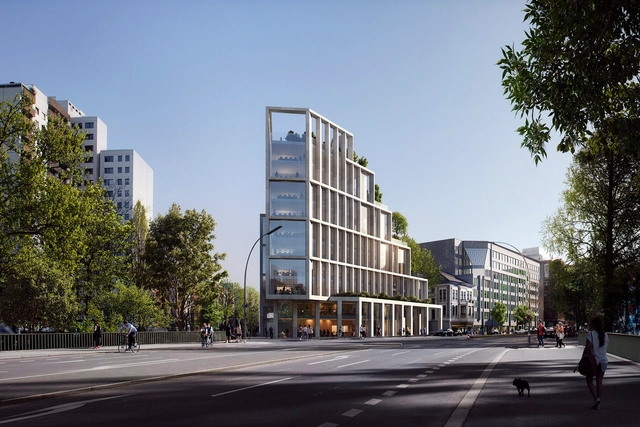
C.F. Møller Architects was selected to design the new HQ of Berlin Hyp, one of Germany’s leading real estate financiers. With a strong focus on sustainability, the winning proposal of the invited international competition, supports the bank’s vision, “contributing to the transition and urban development of the surrounding area”.
The Choice School - Calicut, India. Image Courtesy of CetraRuddy
Architects are mobilizing their efforts, to help schools around the world reconsider their design in order to guarantee sustainability, emotional wellness, and physical health. CetraRuddy, Cooper Robertson, and WXY are amongst those proposing an increase in outdoor programming and a rearrangement of classrooms, for post-pandemic school design.
The architectural scene has been witnessing lately a growing focus on indoor/outdoor functions. Discover 3 different interventions from 3 different practices, tackling one common issue, and focusing on outdoor space as a major programming element.
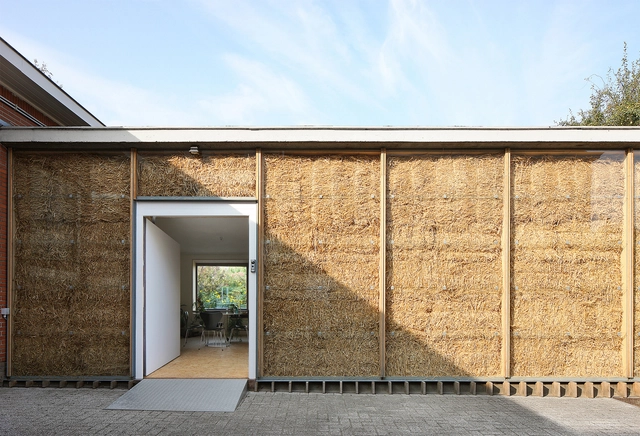
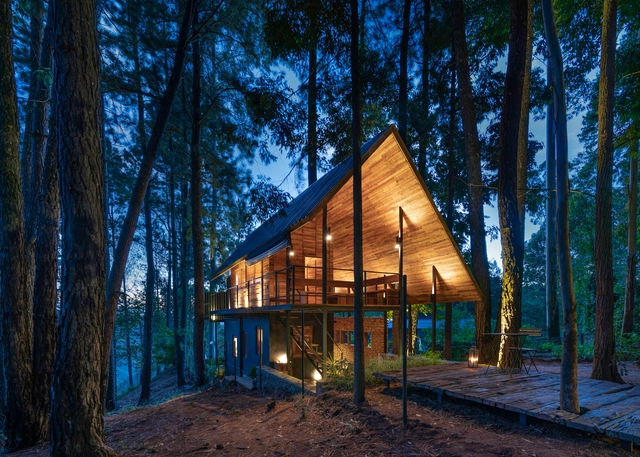
Despite a bad reputation in children's stories, straw buildings can be sustainable, comfortable, and, above all, solid and resistant. Several studies and experiments have been carried out with this agricultural waste substance, qualifying it as an potential material for the construction of walls, with good thermal, acoustic, and even structural characteristics. In addition, it is a renewable resource and easily constructed. Below, we'll talk about the characteristics of this material and how much more it would take than the breath of a big bad wolf to bring down a house made of straw.
As levels of pollutant emissions have increased over the years, awareness has also grown regarding actions that can be taken to minimize the damage caused to the planet. As a way to promote waste reduction or prevention, the 3 R's rule is created: reduce, reuse and recycle. These actions, together with sustainable consumption standards, have been promoted as a means to protect natural resources and minimize waste.
Our cities, vulnerable by nature and design, have generated the biggest challenge that humankind has to face. With the vast majority of the population expected to settle in urban agglomerations, rapid urbanization is going to raise the issue of adaptability with future social, environmental, technological and economic transformations.
In fact, the main problematic of the decade questions how our cities will cope with fast-changing factors. It also looks into the main aspects to consider in order to ensure long-term growth. In this article, we highlight major points that help future-proof our cities and create a livable, inclusive and competitive fabric that adapts to any unexpected future transformation.



.jpg?1603161566&format=webp&width=640&height=580)


.jpg?1603161566)














.jpg?1597648211&format=webp&width=640&height=580)


.jpg?1597648186 "The Choice School - Calicut, India. Image Courtesy of CetraRuddy")
.jpg?1597648211)