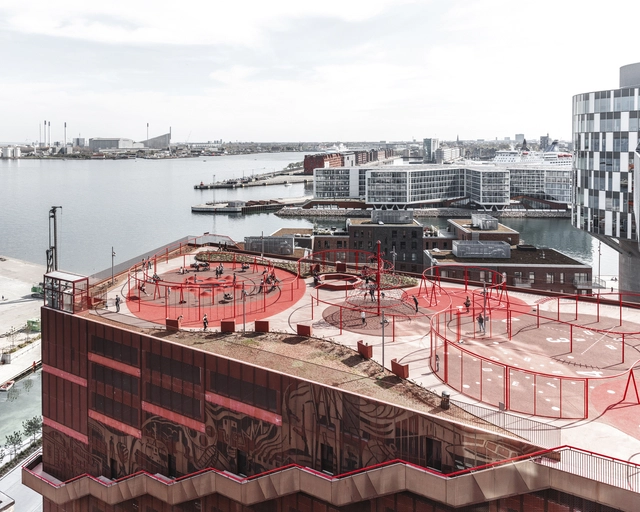
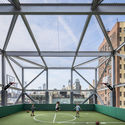
In increasingly denser urban environments, there is a new-found interest in underused spaces as opportunities for further development. Representing up to 25% of cities' land area, rooftops are among the most exciting spatial resources. From sustainable infrastructure and urban farming to social spaces and cultural venues, the article looks into the potential of creating a multi-layered city through the activation of urban rooftops.
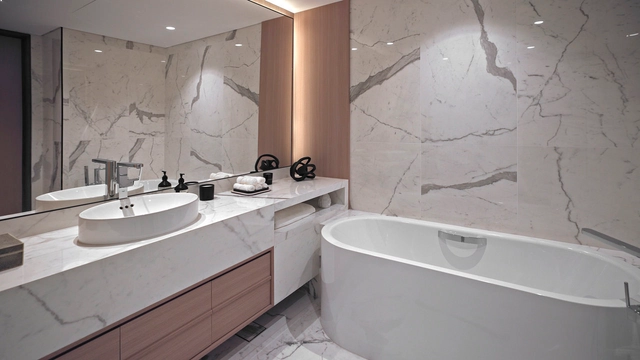
When it comes to buildings, there are several factors that contribute to creating something truly luxurious: attention to detail, use of premium, high-quality materials, and unique designs. Lately, the environmental impact of building decisions has also entered heavily into this equation, and the development of a luxury project requires all steps and products to take sustainability into account. At One Za'abeel, the new addition to the Dubai skyline, the careful choice of all solutions, manufacturers and surfaces had a direct influence on the final look and atmosphere of the building, which aims to be an urban landmark and raise the standard of buildings in the UAE.
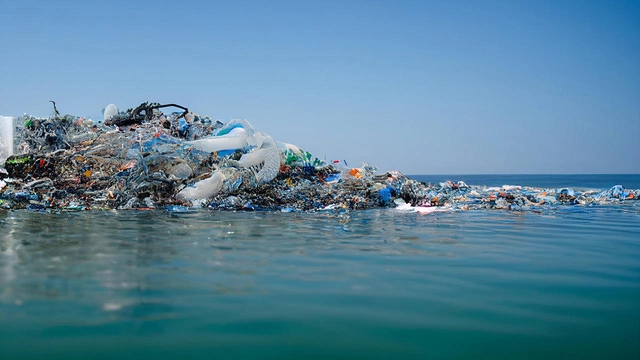
Environmental issues urgency and increasing temperatures on the planet are nothing new. There are many factors contributing to environmental degradation. However, two can be viewed as representative of critical points in the current world system: plastic and waste disposal, better known as garbage.
The environmental crisis cannot be attributed solely to these two examples. They are used here as examples to mobilize issues involving multiple agents, materials, and diverse methods. These issues lead to devastating consequences, increasingly irreversible.
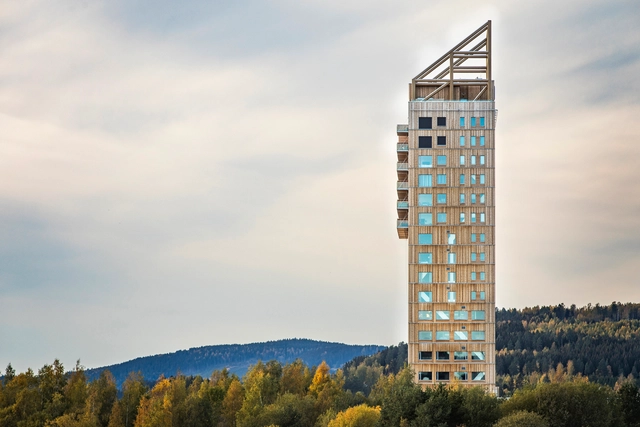
Wood is the concrete of the future. As timber construction becomes increasingly popular, you have probably heard this phrase. However, we are not talking about traditional construction techniques using timber, but rather about this well-known material combined with cutting-edge technology.
The history of architects designing resorts is intertwined with the development of the hospitality industry and the concept of leisure travel. The origins can be traced back to ancient times when the Romans built luxurious villas and bathhouses as retreats for the wealthy. However, the modern notion of resorts emerged during the 19th century with industrialization and the growing middle class seeking recreational experiences.
At a very high standard of luxury, resort hotels provide an immersive and rejuvenating vacation experience. These resorts are frequently rooted in beautiful landscapes in remote locations, often containing full-service accommodations, offering escapism and complete disconnection. Architects have continued to shape the resort landscape in recent decades with their designs. Sustainability and integration with natural surroundings have gained importance as architects strive to create environmentally conscious and immersive resort experiences.
As world governments grapple with environmental crises, the construction industry rushes to reevaluate sustainable design and develop new ways of measuring its efficiency. Consequently, green building certification systems (GBCS) started gaining traction in the 20th century to evaluate and promote sustainable construction practices. The Global South faces distinctive challenges in building sustainable cities. Its developing nations demand an exclusive approach to designing an appropriate, economical, and inspiring architecture for their promising futures.
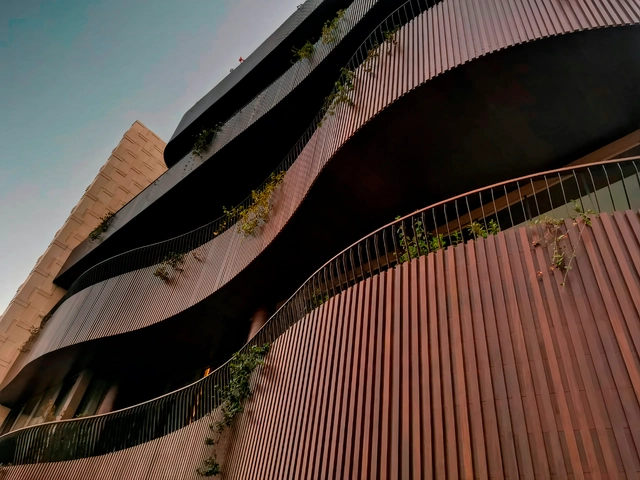
Solid wood, which has been used since prehistoric times and is still highly valued today, is extracted directly from trees without undergoing any lamination, pressing, or gluing processes. While it remains a universally used material in architecture, its widespread use has led to an increased demand and less efficient resource management. Therefore, solutions are being sought to optimize its use in production processes and reduce its consumption without losing its capabilities and characteristic beauty. To address issues such as warping, aging, and high environmental costs associated with solid wood, materials like Technowood have been developed. Combining technology and super-strength composites with natural wood veneers, Technowood maintains the beauty and characteristics of solid wood, but with greater durability and a sustainable approach, making it a suitable alternative.
https://www.archdaily.com/1000184/creating-decorative-long-lasting-facades-with-natural-wood-and-technologyEnrique Tovar
The concept of sustainability emerged at the United Nations Conference on the Human Environment (UNCHE) in Stockholm in 1972 and was coined by Norwegian Gro Brundtland in the report "Our Common Future" (1987). According to this definition, the sustainable use of natural resources should "meet the needs of the present generation without compromising the ability of future generations to meet their own needs." However, despite the urgency of the concept and the constant evolution it has undergone over time, its application is often restricted to the controlled use of natural resources and the preservation of wildlife. In other words, it treats the situation from the perspective of "man versus nature," as a dichotomous view, with the loss of a holistic perspective.
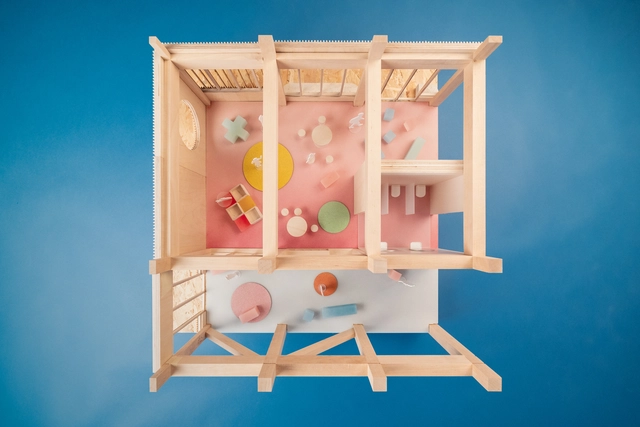
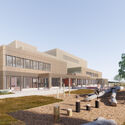
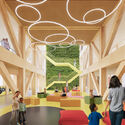
As part of the Circlewood consortium, OMA’s David Gianotten and Michel den Otter have developed a modular system to build schools that can adapt and transform throughout their lifecycle. The system was selected by the City of Amsterdam to be employed to build multiple schools in the coming ten years, as part of the Innovation Partnership School Buildings program. The citywide initiative aims to build nine to thirty “high-quality, flexible, and sustainable” schools as a way to contribute to the city’s goal of becoming fully circular by 2050.
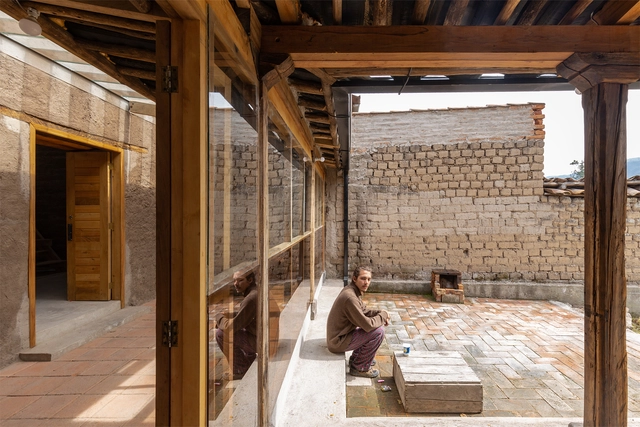
House of the Flying Beds . Image Courtesy of Al Borde
The 2023 Sharjah Architecture Triennial (SAT) will take place from November 11th, 2023 to March 10th, 2024, under the theme "The Beauty of Impermanence: An Architecture of Adaptability". Focusing on how scarcity in the Global South has led to a culture of re-use, re-appropriation, innovation, collaboration, and adaptation, the second edition of the architectural exhibition, curated by Tosin Oshinowo, aims to shift global conversations towards creating a more sustainable, resilient, and equitable future.
Videos
Help an essential global industry decarbonise
The Innovandi Open Challenge is a global programme which brings together tech start-ups and the world’s leading cement and concrete companies to help accelerate the next wave of innovations to achieve our net zero mission.
The Global Cement and Concrete Association (GCCA) and its members understand the key role that innovation will play in unlocking a net zero future for concrete –the world’s most used material after water– which is essential to building the sustainable world of tomorrow.
Dismantling the system of slave and child labor in the architecture and construction industry does not seem like a simple task, especially on a global scale. However, this is precisely the mission of the Design for Freedom (DFF) initiative, created by CEO and founder of the Grace Farms Foundation, Sharon Prince, along with Bill Menking, professor and editor-in-chief of The Architect's Newspaper.
Through events and freely available tools, Design for Freedom seeks to "raise awareness and inspire responses to halt forced labor in the construction materials supply chain," offering paths to ensure transparency and ethics in the architectural production process.
Following findings from a study published in the Nature Ecology & Evolution journal this April, it has become public knowledge that the phenomenon dubbed the Great Pacific Garbage Patch (an area of 620,000 square miles between California and Hawaii) is serving as host to an entire coastal ecosystem. Marine wildlife is using the massive area compiled of human plastic waste as a floating habitat, and scientists are shocked at the number of species that have managed to establish life in this otherwise hostile environment.
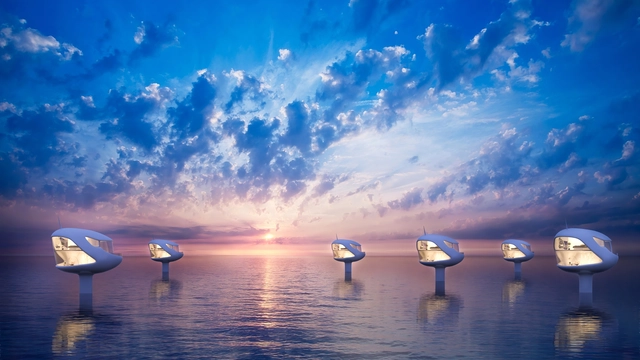
The news once again brings into sharp focus not only pressing issues of climate change and ocean pollution but also the question of environmentally-induced migration, even at a microbial level. Architecture is moving into more and more experimental realms when it comes to considering locations for the communities of our future – and rising sea levels have promoted water to the top of the list. But these deliberations are not as recent as one might think: floating cities have been around for centuries and individual homes on water are common in areas of Benin, Peru or Iraq, among others.
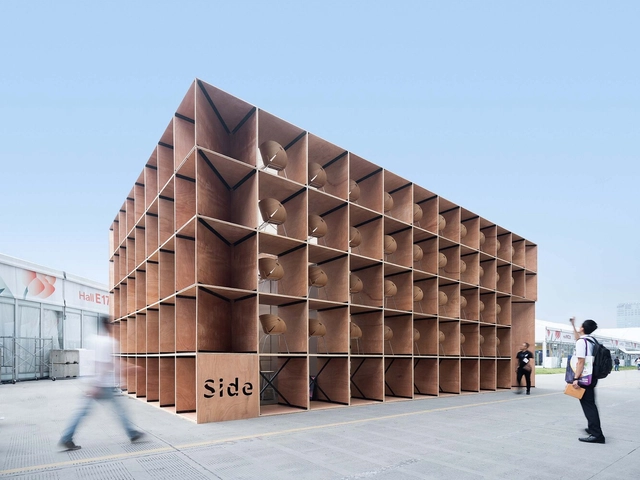
Temporary pavilions and installations, such as those used in events, exhibitions, or festivals, present themselves as a great challenge when addressing the circular economy in architecture due to their ephemeral condition. It seems contradictory to address resource management and try to extract the maximum value from the materials and minimize waste and pollution while designing a structure that is meant to be used for a limited period of time. However, there are several strategies to rethink the way we are designing these structures in order to promote circularity.
Videos
WasteBuild Zero will take place at the NDSM in the heart of Amsterdam’s architectural and circular economy hotbed
WasteBuild Zero is a 2-day event that unites the built environment to showcase the latest materials, techniques, solutions and innovators that are helping to deliver low carbon and circular construction schemes today. Our aim is to support the transition towards a circular and regenerative built environment and in the process to tackle the climate emergency.
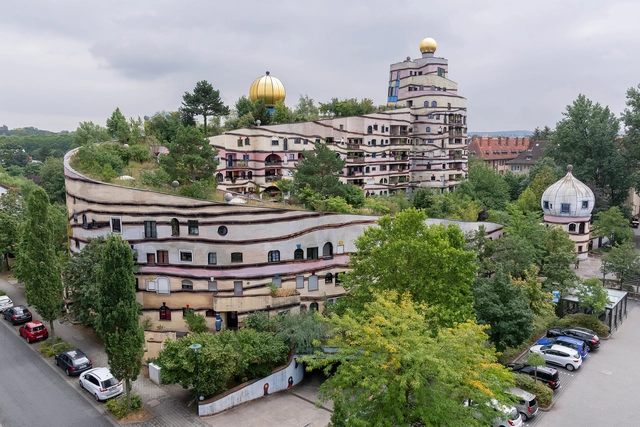
Waldspirale, Alemanha. Foto de Alexandre Prevot, via Flickr. Licença CC BY-SA 2.0
"I am tolerant. But I revolt. I accuse. It is my obligation. I am alone. Behind me there's no dictatorship, no party, no group, nor any mafia — neither a collective intellectual scheme nor an ideology. The green revolution is not a political revolution. The base sustains it and is neither minority nor elitist. It is a creative evolution in harmony with nature and the universe's organic course."
The above paragraph was said in the mid-20th century by Friedensreich Hundertwasser, an Austrian artist, and architect born in 1928. Hundertwasser marked architecture history with his distinct style of irregular and vibrant forms. His projects were a manifesto against rational and repetitive architecture. In them, there was a right to intervene in windows, irregular floors, green roofs, and spontaneous vegetation. As an architect, he always put diversity before monotony, believing in the right of each individual to modify their home and express their creativity. Above all, Hundertwasser believed in the importance of man's identification with nature and the world around him, addressing concepts related to community life and respect for the environment.
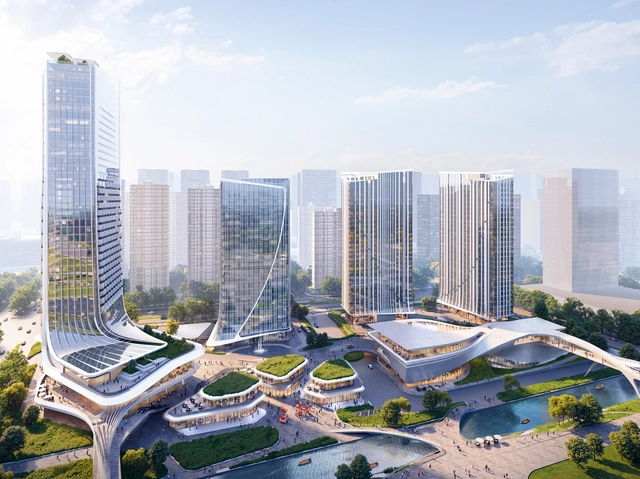
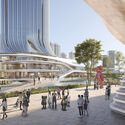
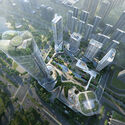
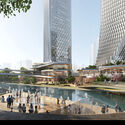
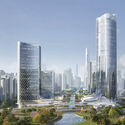
Nanjing K.Wah G72 / UNStudio. Image Courtesy of K.Wah
UNStudio has been commissioned to create a human-centric mixed-use destination on the waterfront of Nanjing, China. Developed by K.Wah Group, the new complex aims to enhance the working-living environment for the local community while contributing as a hub for culture and finance. The project, set along the central axis of the Hexi New District, introduces high-rise office towers, commercial and cultural functions, two serviced apartment buildings, a headquarters tower, a hotel, and various public amenities.
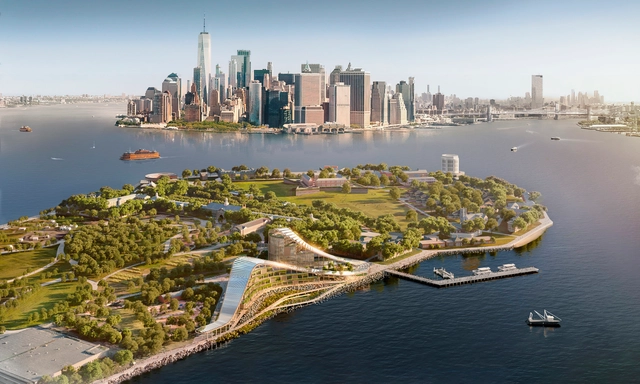
Skidmore, Owings & Merrill have been selected to design the New YorkClimate Exchange in partnership with Stony Brook University, a public research institute in New York. The new net-zero campus, located on Governors Island, New York, is planned to serve as an anchor institution for the development of new climate solutions. As a first-of-its-kind international center, “The Exchange” will also act as a regional hub for the green economy.