Throughout history, the undeniable interrelationship between sound and architecture has shaped users' experiences. From auditoriums to offices, cultural centers, and schools, acoustics in architecture can manifest itself in two ways: as a determining element of a structure's shape and as a material. When discussing aesthetics, the latter aspect is particularly relevant, as any material that forms part of a composition aims to have a cohesive design with the rest.
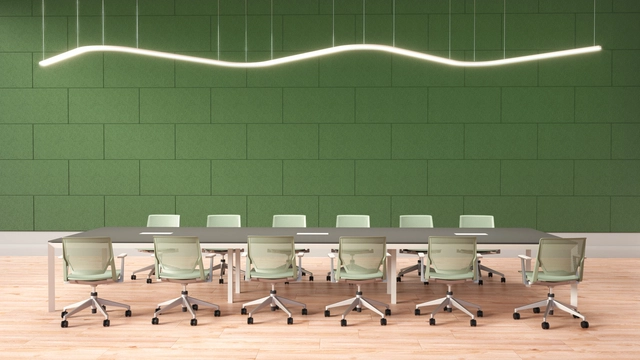
Integrating acoustics through materials presents a significant challenge, as certain attributes such as color, texture, or dimensions may hinder harmonization with the overall design of the space. This can unbalance the experience of the environment, since, although the acoustics are improved, the interior atmosphere is negatively affected. This situation highlights the importance of selecting the right material that can enhance acoustics while maintaining the coherence of the design.
https://www.archdaily.com/1015929/acoustics-that-blend-performance-with-aesthetics-why-material-choices-matterEnrique Tovar
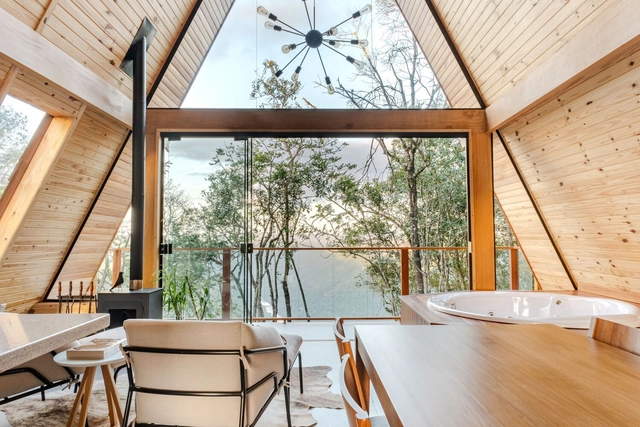
Acquiring diverse expressive possibilities within interior design, the use of wood in regions with a wide range of climates and temperatures such as Mexico, Brazil, Argentina, Uruguay, Chile, Colombia, or Ecuador enables the creation of attractive and captivating spaces that capture the attention of their users by contrasting, blending, or integrating with their surrounding environment. Being a natural element and presenting a negative carbon footprint at the end of its life cycle, wood offers multiple finishes, textures, and tones that can be associated with being outdoors and providing, on some occasions, spaciousness, warmth, and relaxation at the same time.
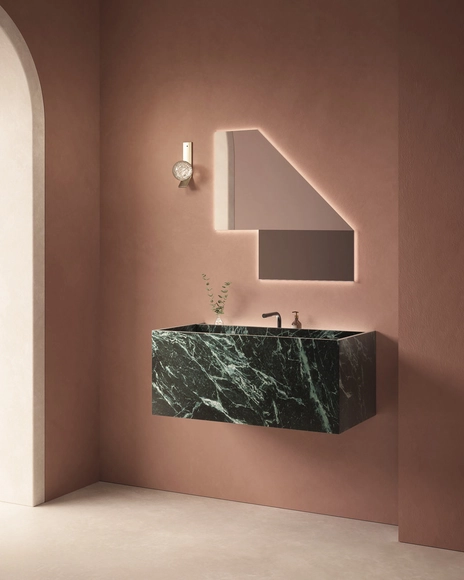
MyStreet washbasin in Verde Alpi marble _Design AL Studio. Image Cortesia de antoniolupi
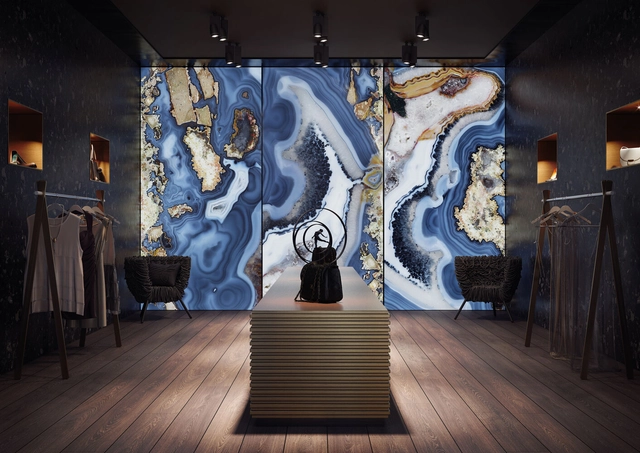
Marble held profound significance in Greek and Roman architecture due to its abundance, luminous surfaces, and subtle veining. Its durability ensured structures' longevity, while its cultural symbolism of purity and divine favor made it ideal for temples, theaters, and amphitheaters. As a symbol of perfection, marble facilitated intricate craftsmanship for decorative elements, inspiring architectural marvels and exquisite art, leaving a legacy of sophistication and refinement.
Today, marble remains a symbol of excellence and refinement, prevalent in contemporary architecture and art. Its timeless beauty and durability continue to captivate clients and designers alike. In sculptures, furniture, and decorative pieces, marble's natural elegance elevates any environment. Companies like antoniolupi integrate marble into their designs, combining creativity and meticulous craftsmanship to redefine the possibilities of this natural stone in innovative projects. The Italian company—a leading designer and manufacturer of high-end products—has ventured beyond conventional boundariesin a quest for innovation, embarking on projects that redefine the possibilities of this naturalstone.
As humans, we’re under the comforting illusion that we’re masters of our own destiny, strong-willed and unaffected by influence. However, the crucial role played by interior design in the success of commercial spaces proves this not to be the case. Every aspect of these environments is carefully crafted to encourage customers to part with their cash—and be happy to do so—from the lighting and temperature to the acoustic and, perhaps most significantly, the visual landscape.
Whether by drawing consumers in with captivating individualism, relaxing them with luxury and hospitality, painting a stylish world where both consumer and product co-exist, or giving subtle prompts to diver deeper and discover more, the influence a commercial environment’s surfaces have on its success is huge.
Videos
Turning waste into beautiful flooring. Image Courtesy of Bolon
In contemporary architecture, recycling has evolved from a desirable to an unavoidable necessity. This change is mainly due to the growing climate crisis, accentuated by the constant presence of waste (for which no use has been found beyond the initial one).
This approach has stimulated the creation of innovative materials to reuse waste in various contexts. A notable example is the case of woven flooring and rugs, where Bolon took a step forward in 1949 by transforming textile waste into stylish products. Since then, they have continued to innovate in materials, fusing the traditional flooring branch with sustainable creative design.
https://www.archdaily.com/1014951/walk-on-waste-weaving-waste-into-stylish-floorings-and-rugsEnrique Tovar
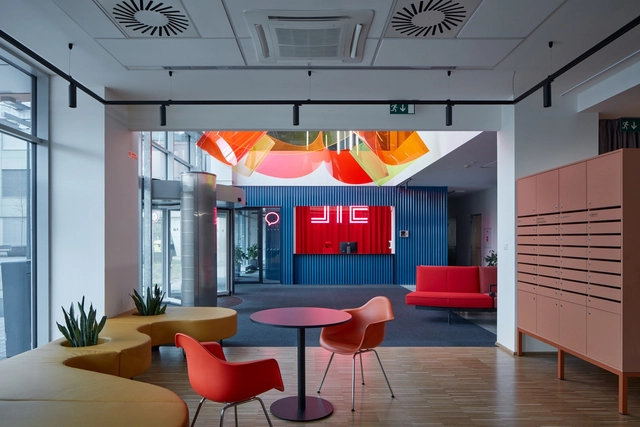
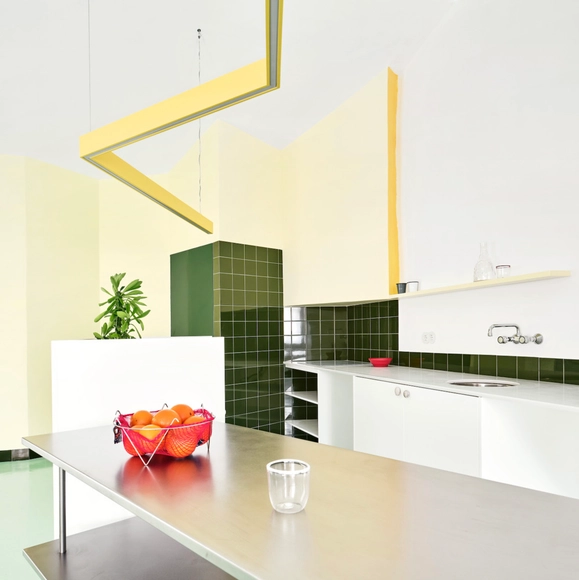
When a brief to design a new office space asks for something fresh, energetic, and modern – a space where employees enjoy being and, crucially, enjoy working in, which helps them to focus on individual tasks but also to relax, collaborate, and create – there are few better places to begin than a color wheel. As the world of work and the varied environments it takes place in become less formal and restricted in their design, architects, designers, and, more importantly, their clients are handing the boring, monotone office its redundancy papers and looking outside the establishment at more expressive colorful options.
While blue’s ability to improve concentration, stimulate thinking, and provide mental clarity helps to increase productivity, the human body needs regular periods of rest and relaxation, too. For this, warm colors like yellows provide relaxation through warmth and comfort – perfect for break-out areas. Meanwhile, reds and oranges promote creativity and expression, meaning they can be useful for areas designated for social collaboration, whilst green encourages a calmer, more balanced approach, for a different kind of meeting.
Flat and polished surfaces tend to evoke feelings of coldness and sterility, while raw, natural materials can create a sense of warmth and connection. Textures can trigger memories and emotions, connecting us to past experiences and the sense of touch. In the seminal book "The Eyes of the Skin", Juhani Pallasmaa emphasizes the importance of sensory perception in architecture and objects beyond sight, particularly the role of touch and texture in shaping our experience. According to Pallasmaa, contemporary culture, influenced by technology and visual media, has overemphasized the visual aspect of spaces, neglecting other senses, especially touch, which is vital for understanding and appreciating the surrounding environment.
Polyvinyl chloride (PVC) plastic –commonly known as vinyl– is everywhere. In fact, chances are you are sitting close to (or on) something containing PVC in some way, shape or form. It’s used in packaging, automobile parts, children’s toys, clothing, accessories, wires, furniture, medical supplies and hundreds of other everyday items. This year alone, global production exceeded 51 million metric tons, solidifying its rank as the third-most produced plastic in the world. It is particularly in the architecture, engineering and construction industry that the material stands unchallenged, accounting for 60-70% of its total consumption. So much so that it has indisputably become the most used plastic for building materials worldwide, often found in pipes, fittings, flooring, roofing, window profiles and more. It’s not hard to understand why: PVC is durable, highly versatile, cost-effective and easy to maintain. But nothing comes without a cost, they say…
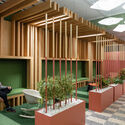
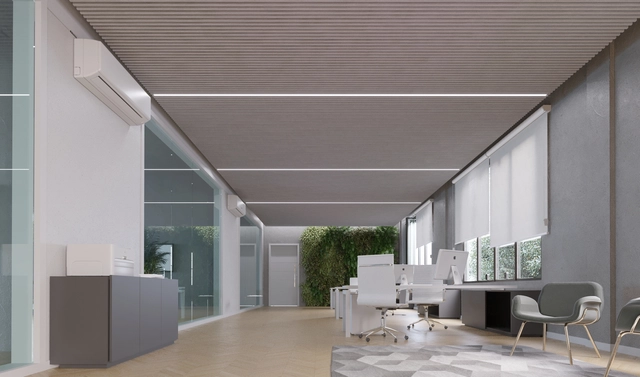
As we observe closely spaced parallel lines at a specific angle, we may be deceived by the illusion of a continuous or three-dimensional surface, although they are, in fact, individual lines. This phenomenon arises from the brain's natural tendency to simplify and seek visual patterns, interpreting the proximity of the lines as indicative of a unified ceiling. This illusion is often exploited in suspended ceiling architecture, where successive slats, when viewed at an angle, create the impression of a solid ceiling. This approach not only reduces the use of materials and keeps the infrastructure above the ceiling accessible, but also provides more surfaces for noise absorption, significantly improving the acoustic environment.
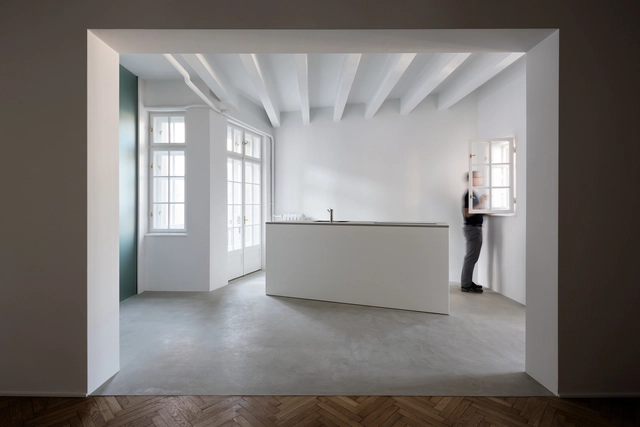
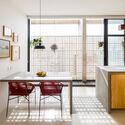
A correctly sized kitchen island is more than just a functional architectural element—it's a key component of kitchen design. Beyond its primary functions, a well-sized kitchen island can serve as a versatile space adaptable to various household needs by enhancing workflow efficiency, providing additional storage, fostering social interaction, and contributing to the overall space aesthetics.
Whether utilized as a breakfast bar for quick meals, a study area for children's homework, or a hub for entertaining guests, its flexibility enhances the functionality and livability of any kitchen environment. Determining the appropriate size for a kitchen island, however, demands a meticulous approach, blending spatial considerations, workflow requirements, and design sensibilities.
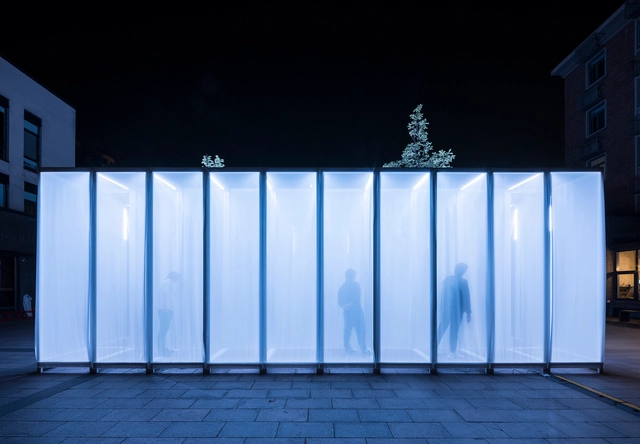
Translucency, at its essence, is an optical property that enables the total or partial passage of light through materials, without providing a clear view of the objects behind them. Despite its apparent simplicity, this property has fascinating applications in the architectural field, generating attractive and powerful proposals that play with light without obstructing views.
Traditionally, glass sheets have been the symbolic material associated with transparency, commonly used in the fabrication of doors and windows. However, technological advances in production and the exploration of innovative materials have significantly expanded the opportunities to take advantage of this property in both interior and exterior applications. These advances challenge preconceived limitations and encourage creativity in the development of novel architectural proposals.
https://www.archdaily.com/1013517/seeing-through-layers-translucent-materials-in-architectureEnrique Tovar
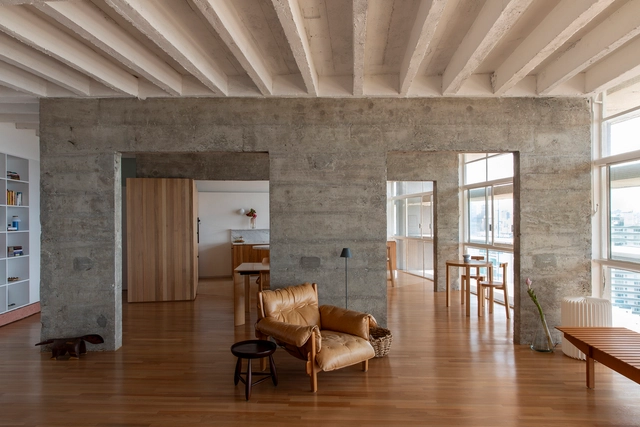
The landscape of downtown São Paulo would not be the same without the presence of Copan. The building inserts Niemeyer's curves into São Paulo's dense verticality, creating a distinctive rhythm that becomes a landmark for all who encounter it. Besides accommodating around five thousand residents, the building serves various purposes, offering different typologies for its residential programs, varying apartment sizes, and prioritizing diversity among its tenants. Differences also emerge when we examine how each person inhabits a standard floor plan; renovations proposing distinct finishes and new layouts reflect the character of each resident but also showcase the inventiveness of the architects intervening in this classic structure. Thus, we gather here projects realized within this icon to demonstrate how each home is unique, even when created in series.
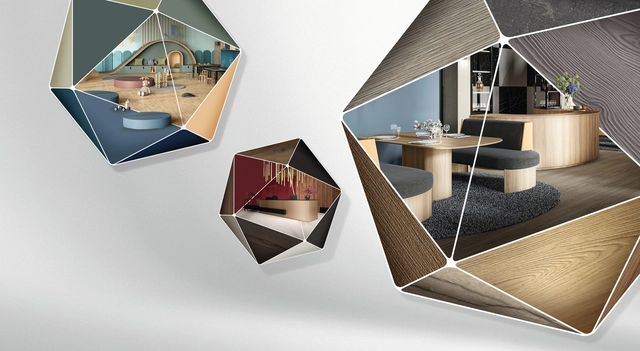
Nowadays, the cycles of change around society and architecture have generated new urban models, emerging technologies, and design trends that underline the need for constant adaptability in all areas. In this context, aspects such as flexibility, reliability, and simplicity emerge as distinctive elements, both in architecture and in the components that constitute it, including materials. This is why lines such as the EGGER Decorative Collection 24+, crafted from wood-derived materials, seek to redefine concepts through a rolling series, updated at most every two years. This dynamic enables a more agile response to new trends, influences, and product innovations that arise in the built environment.
https://www.archdaily.com/1012771/from-wood-stone-steel-and-uni-colors-a-decorative-collection-for-fast-moving-trendsEnrique Tovar
Often associated with an industrial aesthetic, metal has become more prevalent in residential and commercial architecture. Its reflective quality has broadened the scope of texture and color combinations, giving rise to a fresh aesthetic for interior design. Consequently, architects and designers increasingly incorporate metallic surfaces to define floors, benches, and other furniture elements, thereby defining spatial layouts and infusing them with a contemporary vibe. To inspire this trend, we explore various methods for incorporating aluminum or similar materials into your space.
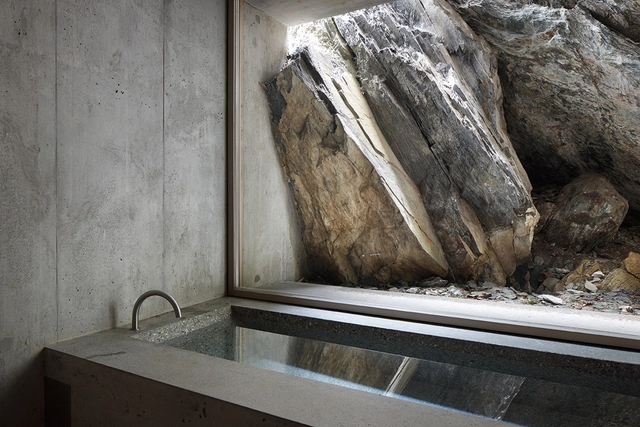
Although they are an integral and necessary space in residential architecture, the wide variety of design opportunities for bathrooms has often remained overlooked in favor of practicality. Historically programmed for privacy, the contemporary bathroom has been reimagined for a greater sense of openness and comfort - finding a delicate balance between privacy and exposure is facilitated by design objects such as the tub.
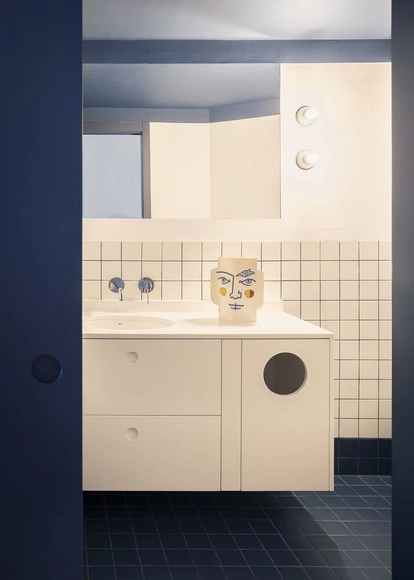
Give your bathroom a fresh look with a modest investment, avoiding the hassle of extensive construction. Transform the space by adding plants, reconsidering lighting, or experimenting with new colors. If opting for a color change, explore painting the walls or tiles to revitalize the environment. To assist you in this endeavor, we present the perfect paints for the job along with inspiring projects to spark your creativity
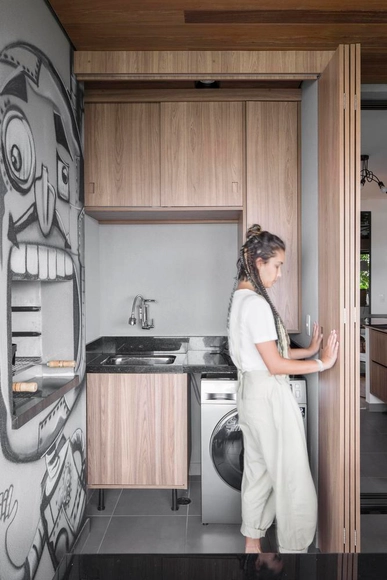
Previously we have published an article about how laundry rooms, or utility rooms, are an unnecessary luxury in a modern home. However, this space is undeniably an important part of Brazilian homes and is used not only for washing and drying clothes but also for storing cleaning products and other items. Since these spaces are usually quite small, it is not always easy to keep them organized to ensure maximum functionality. So, here are some tips for those who want to optimize this environment for a better routine in everyday life.