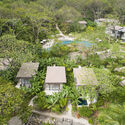
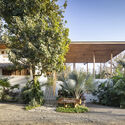
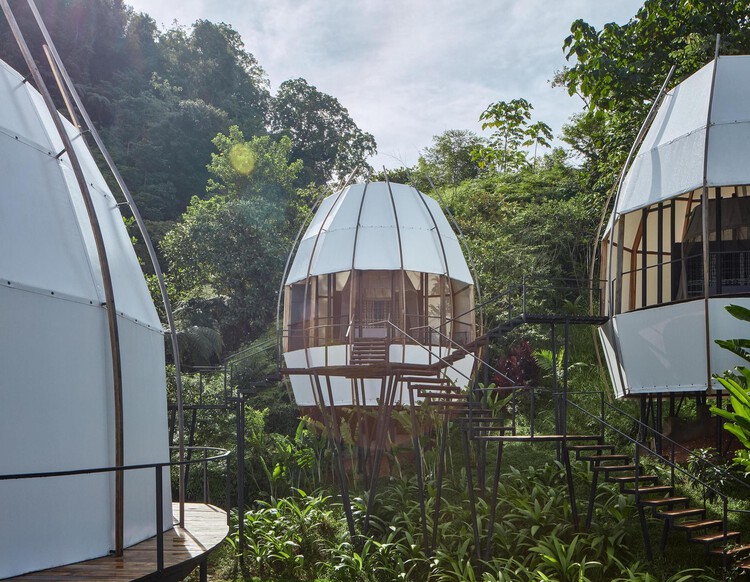
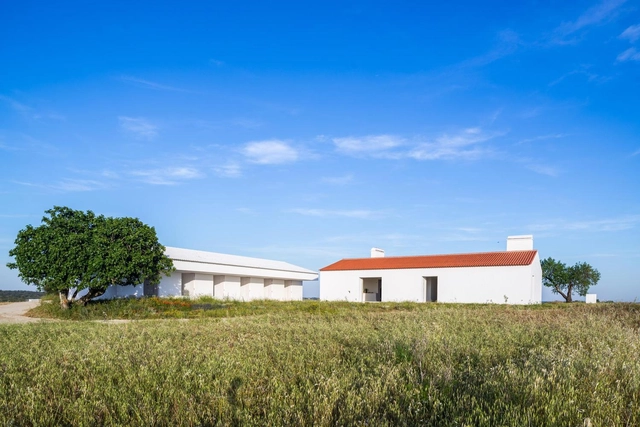
Tourism in Portugal began to develop in the late 1950s, initially centered on key destinations such as the Algarve coast, Lisbon, and the religious hub of Fátima. This focus made tourism largely a coastal activity. However, rapid growth and overburdened infrastructure in these areas led to saturation and a crisis in the sector. To address this, efforts were made to promote alternative destinations, appealing to a new wave of tourists looking for more sustainable, authentic, and locally immersive experiences.
Spaces of hospitality are a mirror to how different cultures articulate generosity, care, belonging, and identity. In busy city settings, this is reflected in hotels, service systems, and curated amenities that directly shape the visitor experience. These spaces translate care into measurable forms, where success is correlated with efficiency, luxury, and brand identity.
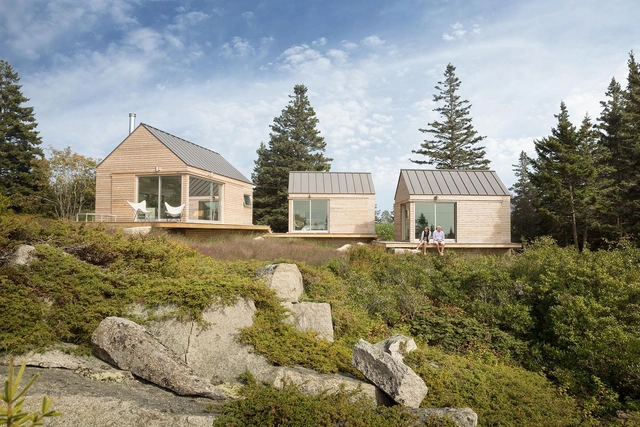
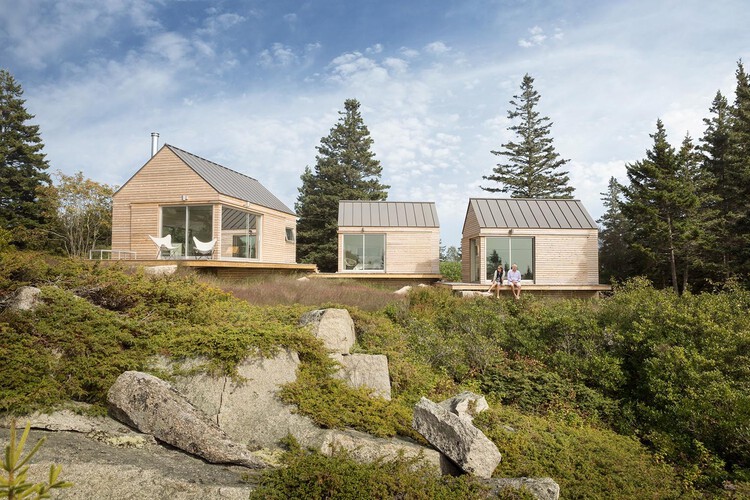
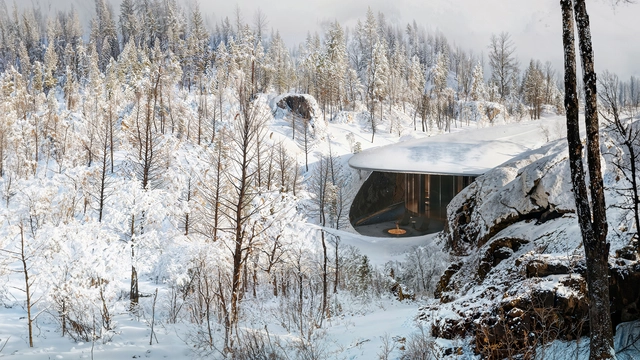
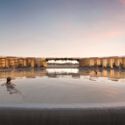
Nature Within Vacation Home - Section. Image Courtesy of Unformed Design
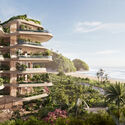
The change of the calendar year marked the culmination of several processes in the world of renowned architecture firms. Between December 2024 and February 2025, Gensler unveiled a rendering of a Manhattan redevelopment project, Foster + Partners released renderings of a new hotel and luxury residences in Brazil, and Herzog & de Meuron announced the completion date for the new Memphis Art Museum. International competitions revealed their results, highlighting the winning project of the young firm Unformed Design, as well as the collaboration between the Portuguese Fala Atelier and the Swiss Continentale on an educational architecture project. These projects showcase the broad scope of architectural design, from the detailing of a high-end project's relationship with nature to the urban renewal potential of a programmatic conversion project.
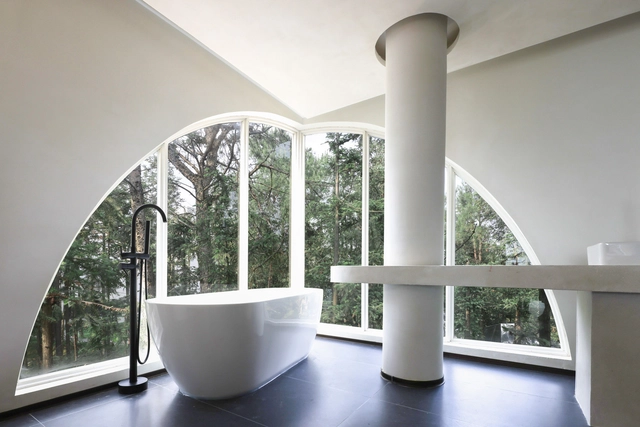
Bathrooms play a significant role in our daily lives, serving multiple functions beyond basic hygiene. Research highlights their importance as relaxation, introspection, and personal wellness spaces. A bathroom's design and comfort can profoundly influence how we begin and end our day, framing our routines with a sense of ease or disruption. When traveling, hotel bathrooms often leave a lasting impression, as a well-designed and thoughtfully executed bathroom can significantly elevate the overall experience of a stay.
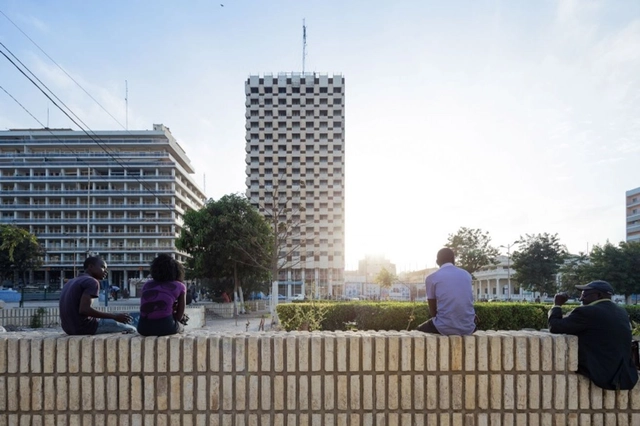
The middle of the Twentieth Century saw the independence of most countries on the African continent. Those euphoric times brought forward-looking sentiments and a wish to break with the past. As an architectural movement, Modernism was ideal for the day, and newly independent countries had extensive building programs to assert themselves as fully functioning nations.
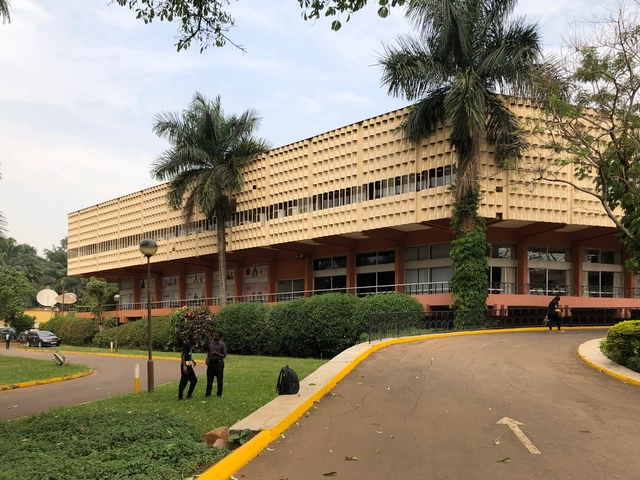
Hotels are one type of building that illustrates the complex architectural and political history of the times. Some were built specifically to host international delegations, others to boost tourism, while some were built as strong leaders' wishes. Although a marginal building type, several hotels across Africa stand as physical records of important parts of their respective country's history. Following an exploration of the histories of West Africa's Modernist Hotels, this second article turns to East Africa to uncover the ways in which this understated typology relates to larger histories of independence and national identity.
The middle of the Twentieth Century saw the independence of most countries on the African continent. Those euphoric times brought forward-looking sentiments and a wish to break with the past. Modernism, as an architectural movement, was ideal for the day, and newly independent countries had extensive building programs to assert themselves as fully functioning nations.
Hotels are one type of building that illustrates the complex architectural and political history of the times. Some were built specifically to host international delegations, others to boost tourism, while some were built as strong leaders' wishes. Although a marginal building type, several hotels across Africa stand as physical records of important parts of their respective country's history.
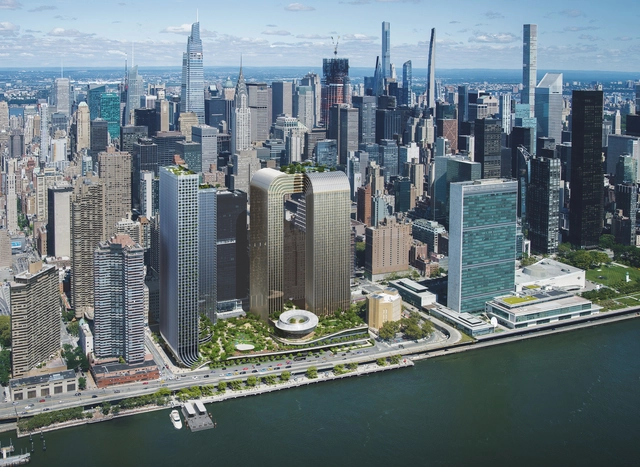
Located along Manhattan’s East River waterfront, the Freedom Plaza sets out to create a new civic and cultural hub, introducing a new open and green space in the crowded area, with plans to add an in-park Museum of Freedom and Democracy. Additionally, the scheme designed by BIG-Bjarke Ingels Group includes affordable housing units, two hotels, retail, and restaurants. Developed by Soloviev Group and Mohegan, the Freedom Plaza development reimagines one of the largest undeveloped plots in Manhattan, measuring 6.7 acres located south of the United Nations headquarters in the Midtown East neighborhood.
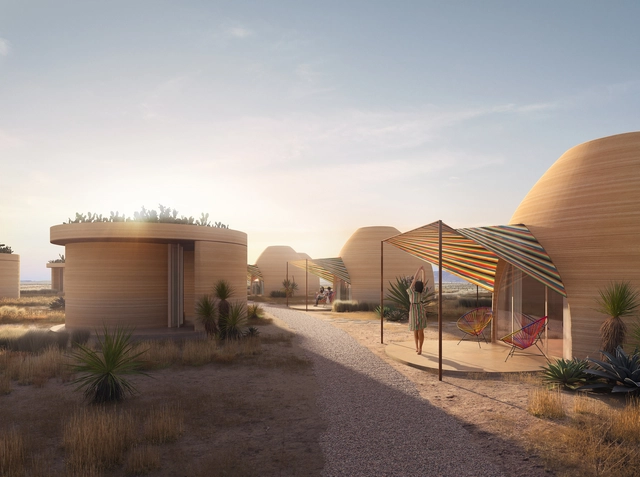
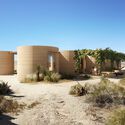
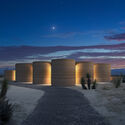
El Cosmico 3D-printed Hotel - exterior. Image Courtesy of ICON, BIG for El Cosmico
Hospitality expert Liz Lambert has announced a collaboration with ICON, the office that pioneered large-scale 3D printing, and BIG – Bjarke Ingels Group, to rebuild El Cosmico, a campground hotel in Marfa, Texas. The team plans to relocate the venue to a 62 acres plot, where new architectural approaches are made possible by including advanced technologies and 3D-printing elements such as domes, vaults, and parabolic forms. The innovative development will feature guest accommodation and new hospitality programming, including a pool, spa, and shared communal facilities. The project is expected to break ground in 2024.


Courtesy of Shaw Contract, Photos by Marc Tan (Studio Periphery), Owen Raggett and Alex Soh
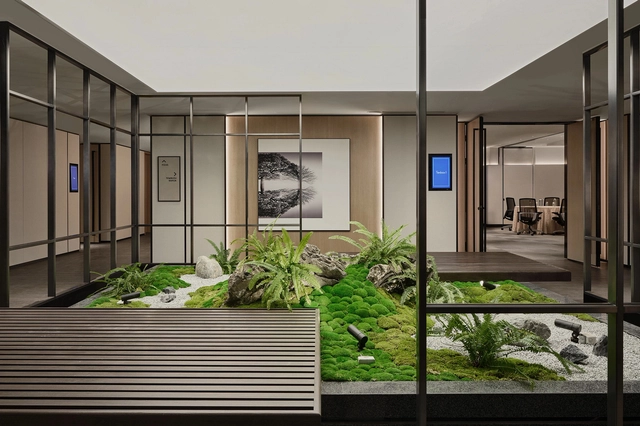
Focused on bringing spaces back to life, Avalon Collective takes a pre-existing building and transforms it into a contemporary hotel that relates to the locality and origin of Orchard Road, while capturing its modern retail context. Through a consistent design language and spirit that incorporates history and regeneration, the new Hilton Singapore Orchard has been selected among the five winners of the 2022 Best of Globe Winner.
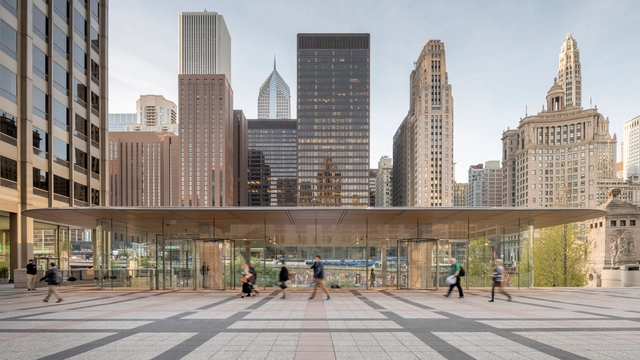
Chicago has long been a center of design. The third-most populous city in the United States with one of the world's largest and most diversified economies, the Windy City is a hub for commerce, transportation and culture. Chicago has continuously redefined hospitality architecture long before the pandemic, and the city will once again take stock as it looks to reimagine the future of travel and entertainment.