
-
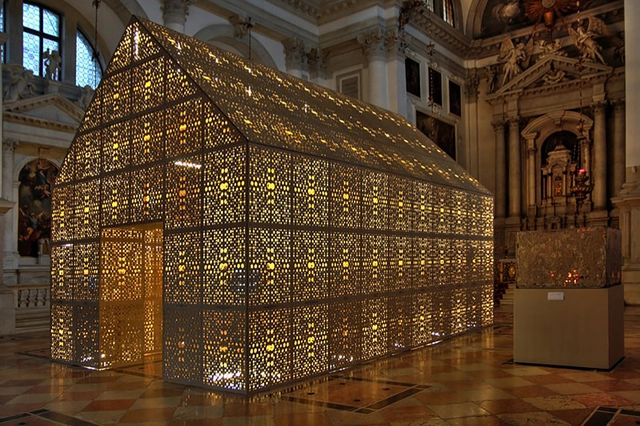
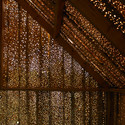
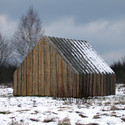
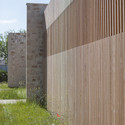
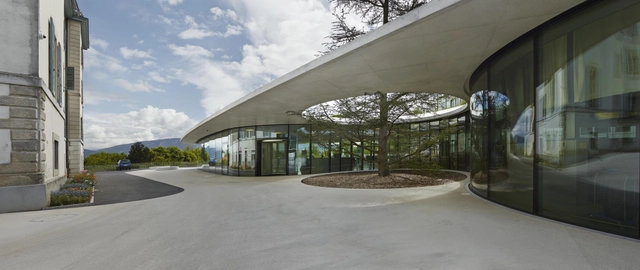
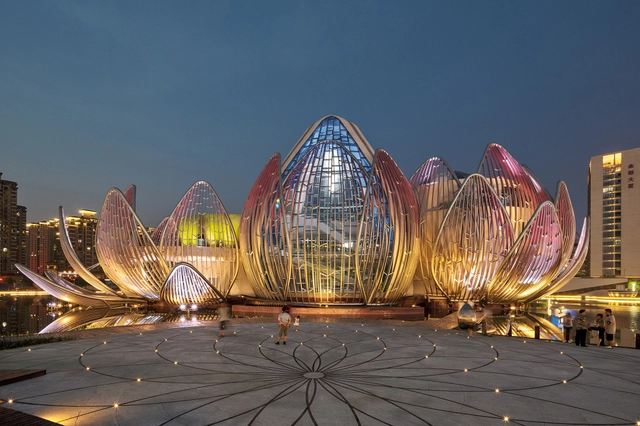
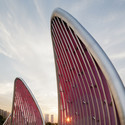
Architects: Atelier208
- Area: 350 m²
- Year: 2014


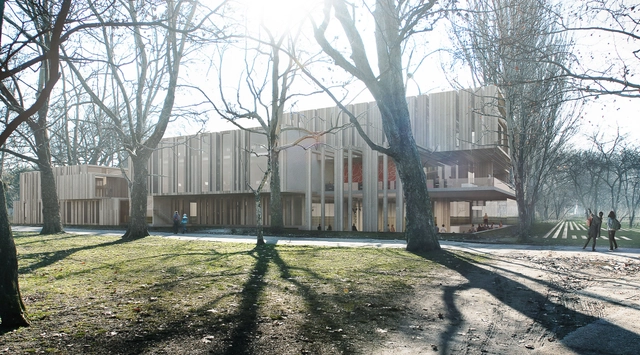
Ziya İmren Architects have proposed a "symphonic architectural poem dedicated to Franz Liszt and Béla Viktor János Bartók" as part of the Liget Budapest International Design Competition launched earlier this year. The architects' approach is based on the pioneering compositional methods of Franz Liszt and Bela Bartok. The design proposal brings "thematic inspiration to the fore by restructuring the classical system of a symphonic work into the form of poetry as a gesamtkunstwerk (a 'total work of art')."
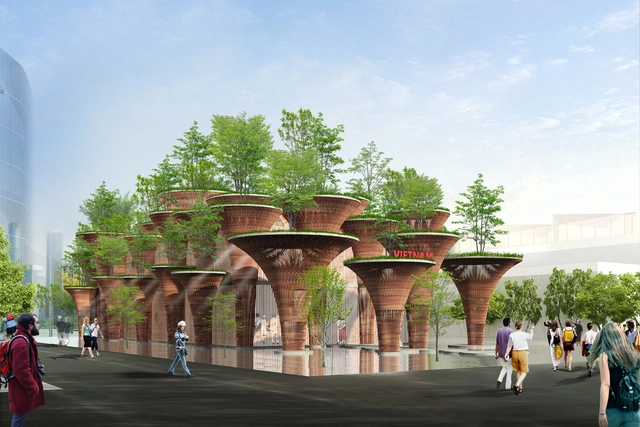
Vo Trong Nghia has unveiled designs for the Vietnamese pavilion at the 2015 Milan Expo. Inspired by the lotus, the pavilion features a number of bamboo clad, umbrella-like structures supporting trees above a pool of water, in a composition reminiscent of their Kontum Indochine Cafe.
"The Lotus is Vietnam’s national flower, a symbol of purity, commitment and optimism for the future," say the architects. "Growing from the muddy ponds it rises above the surface to bloom with remarkable beauty. The flower is proof that patience can turn difficulties into advantages."
.jpg?1404812333&format=webp&width=640&height=580)
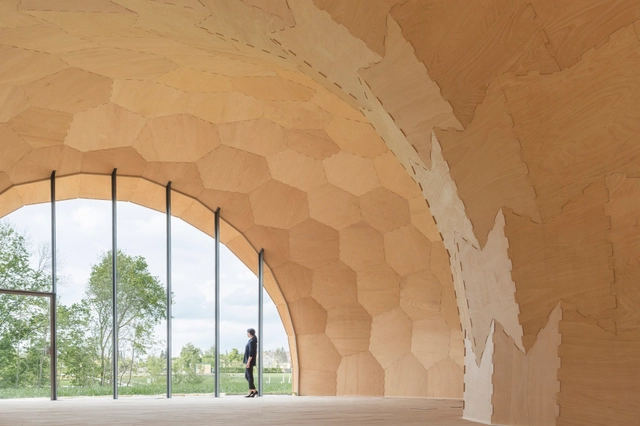
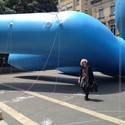
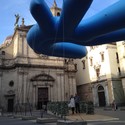
Text description provided by the architects. Created for Barcelona's BCN RE.SET festival organized this year by the Fundació Enric Miralles as part of the city's Tricentenari BCN celebrations, this installation by Yael Reisner and Peter Cook responds to the theme of 'democracy'. The design, titled "Take My Hand" takes inspiration from a number of factors - notably the location of the site outside Barcelona's Civil Registration building, and the idea that the protection of human rights and civil liberties is one of the fundamental tenets of democracy.
The installation is therefore designed as a space to be used in marriage ceremonies and a celebration of human rights through civil weddings. Reisner explains that "the option of a civil marriage in many countries opened new possibilities for interfaith marriages, non-religious marriages, and same sex marriages."
More on the installation after the break

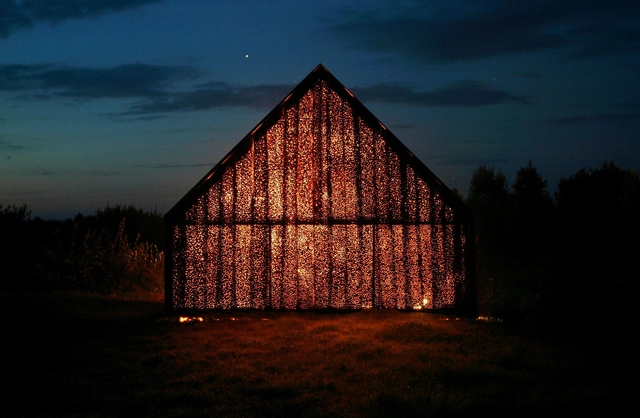

Renovated numerous times during its history, Gaumont-Alésia, a Parisian cinema housed in a structure that is over 80 years old, will now be revamped by firm Manuelle Gautrand Architecture. With a design that emphasizes filmography’s presence in modern culture, the Gaumont-Alésia is set to become an inviting cultural hub for the surrounding city, showcasing cinema’s influence on both the interior and exterior.
Both street facades will be composed of glass curtain walls shaded by pleated metal panels. These panels will be perforated by hundreds of LED “pixels” which will create an image across the pleats. Both entrances to the building become animated walls, broadcasting film stills, movie trailers, and advertisements, all meant to entice passersby. The LEDS are spaced fewer and farther apart toward the edges of the building, creating a stippling effect around the border of the images. At the entrances these animated panels will peel upwards, creating a canopy under which patrons can walk.
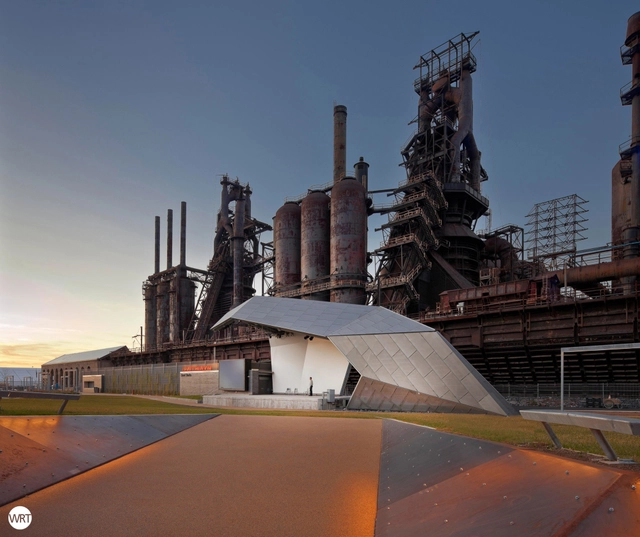
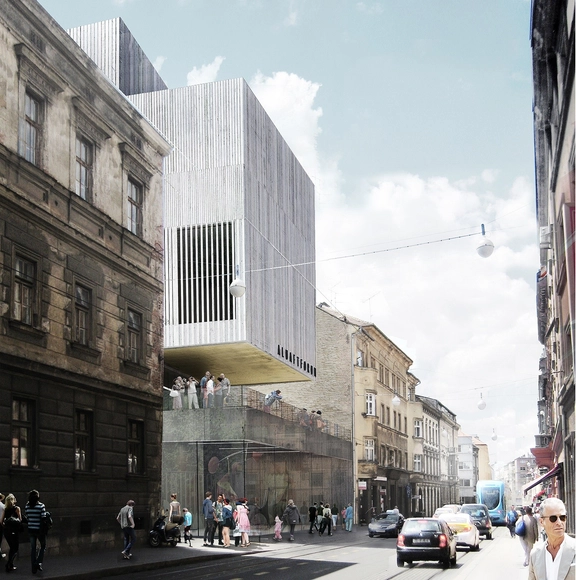
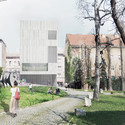
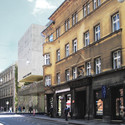
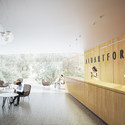
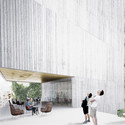
Multiplan Arhitekti have shared with us their competition-winning design for an art gallery on one of Zagreb's most prominent streets. The ALUARTFORUM gallery, designed for the University of Zagreb and located next to the existing Academy of Fine Arts, will fill one of the last remaining open spaces on Ilica Street.
More on the design of the gallery after the break
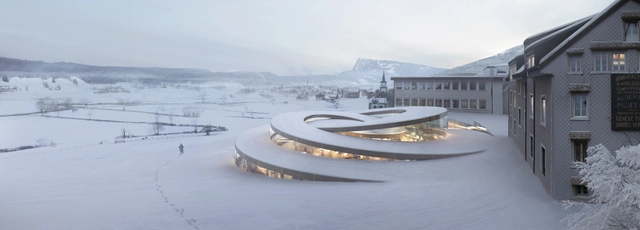
Swiss luxury watchmaker Audemars Piguet have announced BIG as the designers for an extension to their headquarters in Le Brassus, near Le Chenit. The design includes gallery spaces for a museum, work spaces and a guest house. Conceived as a spiralling glass pavilion embedded in the landscape, BIG's design - entilted Maison des Fondateurs - will take visitors on a narrative journey through the company's 139-year history.
More images after the break







.jpg?1404812333)








.jpg?1403916627&format=webp&width=640&height=580)
.jpg?1403916698 "© Shengliang Su")
.jpg?1403916714 "© Shengliang Su")
.jpg?1403916652 "© Shengliang Su")
.jpg?1403916778 "© Shengliang Su")
.jpg?1403916627)