A new film by OMA / Reinier de Graaf titled “The Hospital of the Future” has been released as a part of the exhibition, Twelve Cautionary Urban Tales at Matadero Madrid Centre for Contemporary Creation. Dubbed a “visual manifesto”, the 12-minute short film questions the long-standing conventions in the field of healthcare architecture in terms of the methodology behind how hospitals are built and also why they are built in certain ways. Through an exploration of the role that disease has played in shaping cities, the film offers a lens into the future of what we might expect for healthcare design, especially as we emerge from the COVID-19 pandemic.
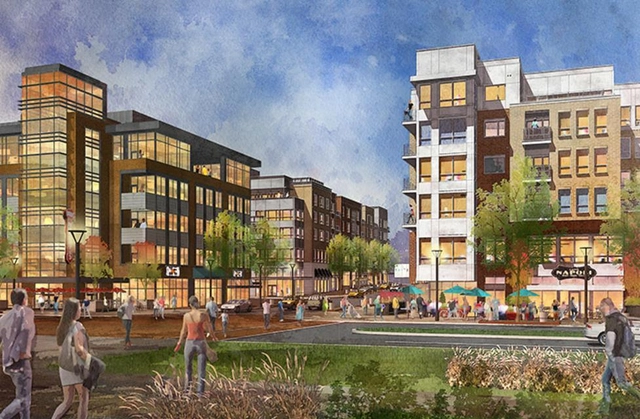
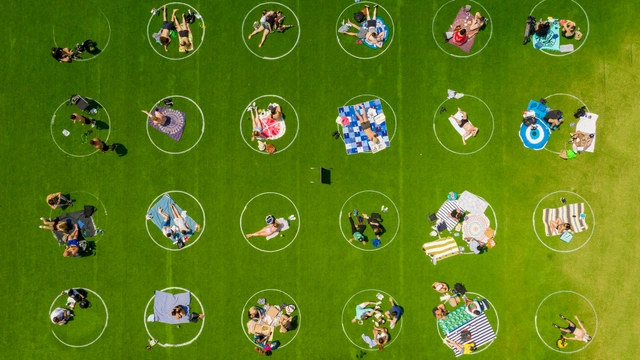
Dublin Bridge Park in Columbus, Ohio. Image via Dublin Bridge Park
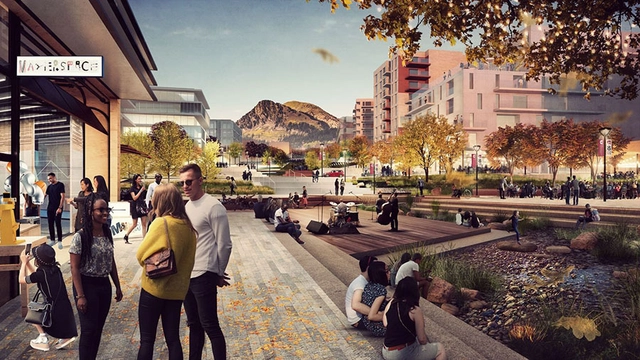
Suburbs as we know them are changing forever. Partially exacerbated by the effects of the pandemic, residents are leaving cities in droves in search of more favorable living conditions where more space, privacy, and affordability offers what some consider to be a more comfortable lifestyle. But as time goes on, and development sprawls, it’s harder to tell where cities end and suburbs begin.
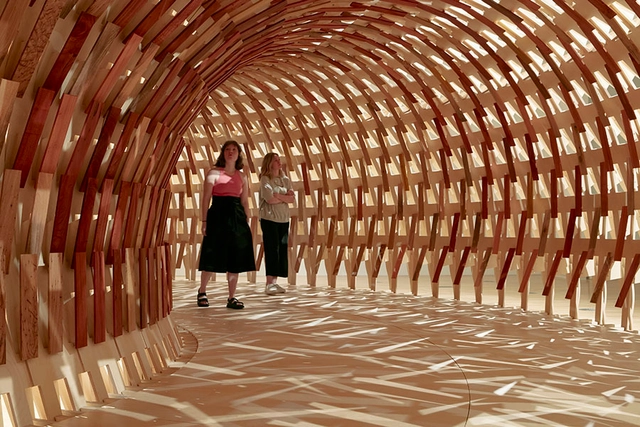
For the newest installment of the NGV Triennial, architect Kengo Kuma and Melbourne artist Geoff Nees realized the Botanical Pavillion. Image Courtesy of Tom Ross
What might be called the Art Fair Industrial Complex has been an ambivalent force on both art markets and art itself in recent years: in one view, fairs offer their attendees chances to see international work they wouldn’t otherwise have access to; in another, the vast mall of it all dulls context into commerce.
Every December talking heads (or screens) trumpet “Everything Has Changed”. But this year it is true. Imminent inoculations may bring back human contact, but the Coronavirus Year has changed us.
I think 2020 ended the 20th Century in architecture. Architecture never leads in pivotal periods. Modernism was birthed by a Western World leaving monarchies and diving into the Industrial Revolution: it caused neither.
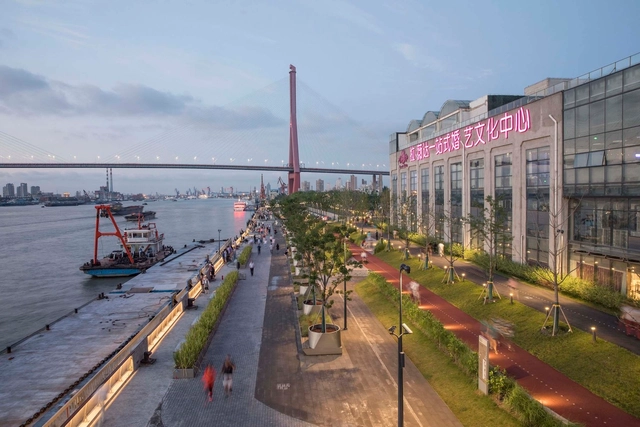
The pandemic provided a unique circumstance for city-scale experiments regarding mobility, while immediate responses showed the transformative power of tactical urbanism. In many cities, the measures meant to ensure social distancing are to be kept in place post-pandemic, paving the path towards recovery with less traffic and more outdoor activities. How did the pressure of rethinking streets, functions, and transportation systems transform public space in 2020?
Whether you’re in a back bedroom in suburban Milwaukee or a carved-out office nook in a posh New York loft, you will see signs of successful remote work. Between video conference calls, moms and dads are checking in on their remote-working students, marketing managers are squeezing in a video yoga class, and designers are throwing in a quick load of laundry. And while tending to these household responsibilities, we’re also designing new products and spaces, completing financial audits, and making video sales pitches. On the surface, remote work is, well, working.
Before the pandemic, the world was already facing a series of global transformations in the field of construction, where emerging countries were at the forefront of a powerful economic shift. As the world's population is expected to reach the 10-billion milestone before 2100, the construction sector should be able to understand and adapt to the megatrends that are reshaping the globe.
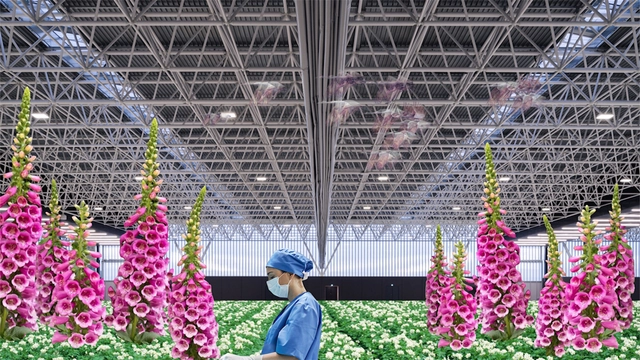
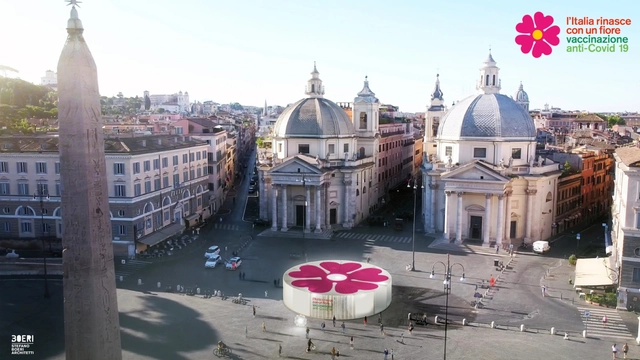
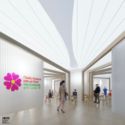
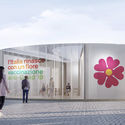
Stefano Boeri, together with a team of consultants, has created the architectural and communicative concept behind the anti-Covid-19 vaccination campaign. Under the slogan "With a flower, Italy comes back to life", the approved proposal, requested by the Italian Special Commissioner for the Covid-19 emergency Domenico Arcuri, includes the campaign logo, the temporary pavilions, and mobile information totem in public spaces.
The first lockdown brought most of the world to a standstill, and many were quick to point out the silver lining: the significant drop in carbon emissions. However, this pollution reduction was short-lived, and past crises indicate that we might be standing at a crossroads when it comes to our climate goals. What has this unprecedented year meant for the efforts to curb climate change and protect the environment?
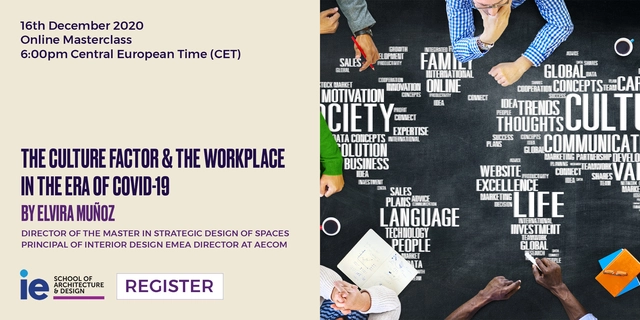
IE School of Architecture and Design and ArchDaily, would like to invite you to join this outstanding online masterclassby Elvira Muñoz, Academic Director of the Master in Strategic Design of Spaces and Principal of Interior Design for EMEA at AECOM, where she will will explain why businesses have had to shift more rapidly than ever to adapt to a new world of work.
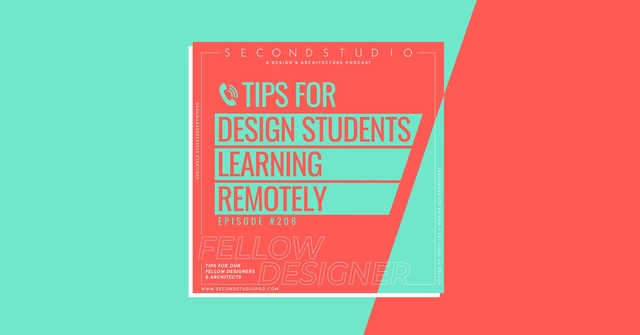
The Second Studio (formerly The Midnight Charette) is an explicit podcast about design, architecture, and the everyday. Hosted by Architects David Lee and Marina Bourderonnet, it features different creative professionals in unscripted conversations that allow for thoughtful takes and personal discussions.
A variety of subjects are covered with honesty and humor: some episodes are interviews, while others are tips for fellow designers, reviews of buildings and other projects, or casual explorations of everyday life and design. The Second Studio is also available on iTunes, Spotify, and YouTube.
This week David and Marina answer a hotline text asking for advice regarding attending architecture school during COVID. The two cover choosing to defer and taking a year off from school, aspects of education missing from remote learning, the differences between physical and virtual learning, how to overcome remote learning challenges, and more. Enjoy! Text or call our hotline: 213-222-6950 for any questions.
https://www.archdaily.com/952685/the-second-studio-podcasts-tips-for-architecture-and-design-students-learning-remotelyThe Second Studio Podcast
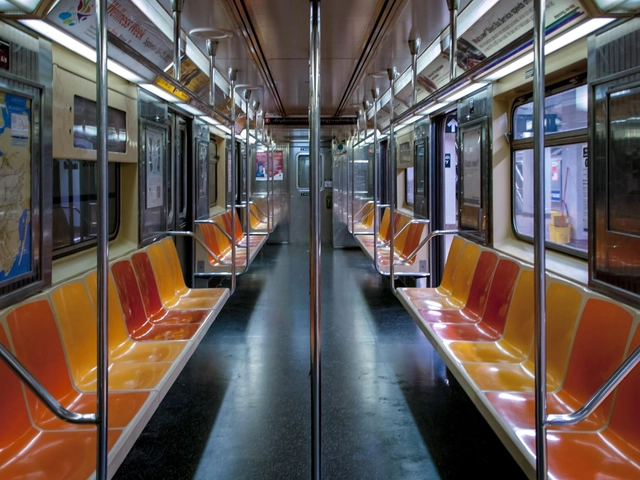
With the promising news of a potential vaccine that could soon return the world to a semi-normal way of life, questions are being raised about what the future of public transit might look like. While some predict that it will be years before we revert back to the muscle memory ways of packing like sardines into crowded subway cars during rush hour commutes, it’s not just about how individuals feel being within close proximity of one another while moving about the city. It has more to do with how our other daily habits, which have been reshaped as a result of the pandemic, might change the overall goals for public transit systems around the globe. What strategies might be implemented to bring ridership back to normal levels and to bring the mobility landscape back to where it once was as society continues to undergo major fundamental shifts?
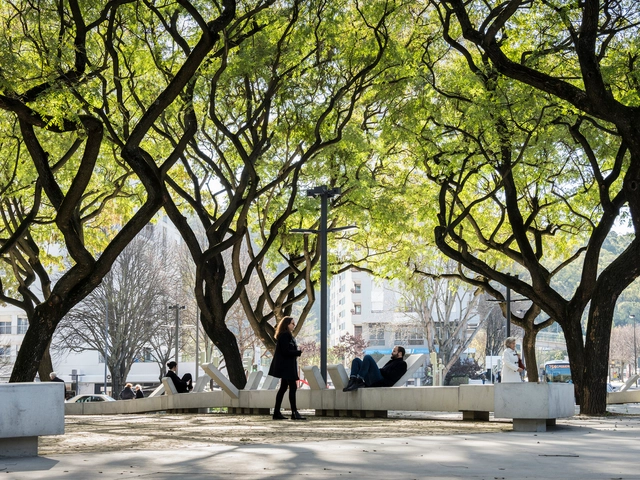
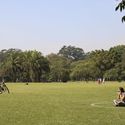
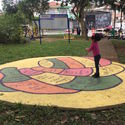
This June, the Global Cities program of the University of São Paulo (USP) carried out the research Emoções Momentâneas (lit. Momentary Emotions) to measure how the pandemic was changing the relationship of individuals with public spaces in São Paulo. Among the collected data, there was one that caught the attention of the group of researchers: 86% of the surveyed people wanted to spend time in green environments such as parks and squares.
"The research indicates a desire for reconciliation with the public space," explains architect Deize Sanches, one of the people involved in the research. "A desire to see the potential of green spaces to improve the quality of life in a way that was not being experienced before the pandemic."
Courtesy of Liu Yihuan, Zhang Xingwang, & Lin Zichun
Liu Yihuan, Zhang Xingwang and Lin Zichun from the Harbin Institute of Technology in Shenzhen have won the Covid-19 Community Memorial Design Competition. DesignClass hosted the competition to create a local memorial that honors the individuals and families affected by the virus. 145 designers entered from dozens of countries.
Final Project by Khalya. Image Courtesy of PennPraxis x Fresh Air Fund
This past summer, the nonprofit design practice, PennPraxis, in partnership with The Fresh Air Fund, piloted a new program, Virtual Design Studio, that sparked the imaginations of nearly 150 students to show how design has the power to change the built environment. Their courses, which were taught by University of Pennsylvania Stuart Weitzman School of Design graduate students, generated multiple designs for a nature center operated by The Fresh Air Fund and public spaces in New York City and offered children an introduction to explore future careers in design that could have a lasting impact on their communities and the design professions for years to come. Over the course of seven weeks, these students committed over 150 hours to the program while also receiving a stipend.
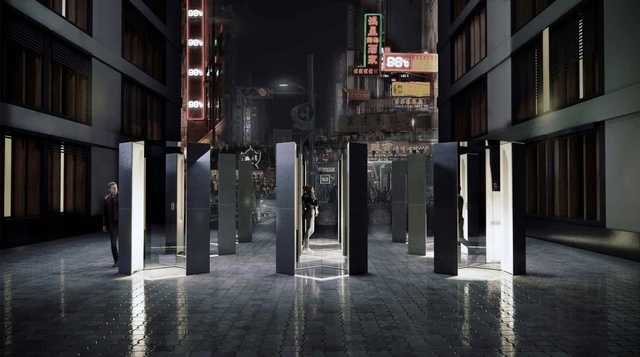
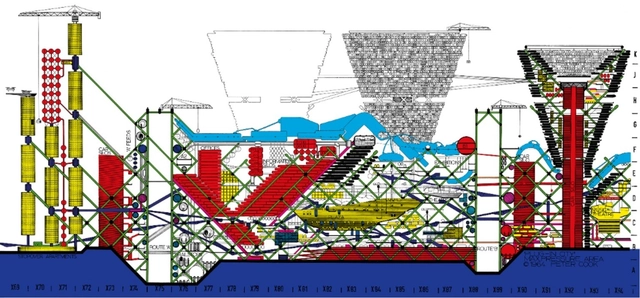
After its opening was curtailed this past winter by the coronavirus pandemic, the hotly anticipated Archigram Cities exhibition is now officially up-and-running throughout November 2020. Presented by the Hong Kong-based visual culture museum M+ and organized in collaboration with the Department of Architecture at the University of Hong Kong and Shanghai’s Power Station of Art, Archigram Cities has taken form as a hybrid virtual/in-person slate of happenings—talks, screenings, presentations, and more—that plumb and celebrate the vast legacy of British avant-garde architectural collective Archigram.
If you are in a place impacted by the COVID-19 pandemic, spending 20 minutes experiencing nature in a park, street, or even your backyard can significantly reduce your stress levels. Just be sure to follow federal, state, and local guidelines and maintain social distancing of 6 feet or 2 meters. But even if you cannot or are unable to go outside, taking a break by opening a window and looking at a tree or plant can also help de-stress.
https://www.archdaily.com/950536/amid-the-covid-19-pandemic-take-time-to-reconnect-with-natureJared Green