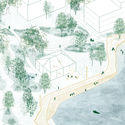
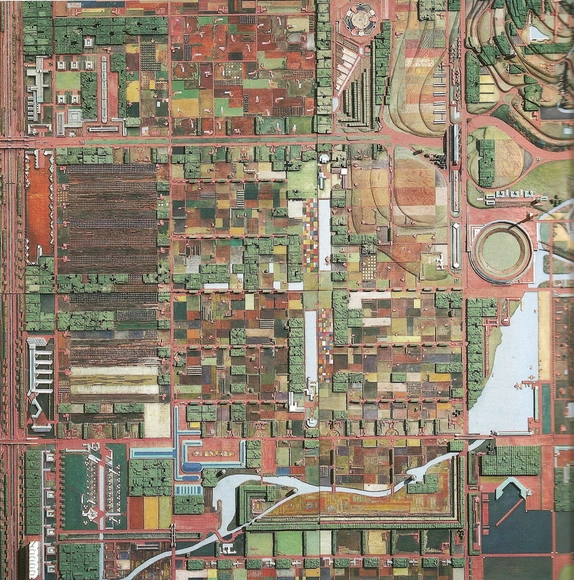
Broadacre City by Frank Lloyd Wright. Image Courtesy of Juan Miró
Juan Miró, co-founder of Miró Rivera Architects reflects in an opinion piece on the value of American cities. Stating that "when we idealize cities like Copenhagen, we risk losing focus of the fundamental historical differences between the urban trajectories of European and American cities", the architect and educator draws a timeline of events and urban transformations, in order to explain why it would be more relevant to look on the inside when planning U.S cities, rather than taking examples from the outside.
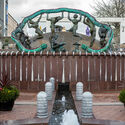
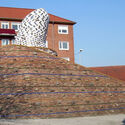
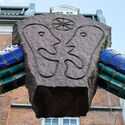
Talking to the Louisiana Channel, Danish professor, sculptor, and artist Bjørn Nørgaard outlines the philosophy that underpins his work and reflects upon his architectural projects. Nørgaard describes in the film, a co-production with Munkeruphus, the strong influence of his mentor in the 1960s - German artist Joseph Beuys - whose theories formed a key part of Nørgaard's evolution and ethos as an artist. The concept of "die soziale Plastik", or social sculpture, would go on to shape Nørgaard's approach to architecture and other forms of art - its main philosophy being that every part of life can be approached creatively.
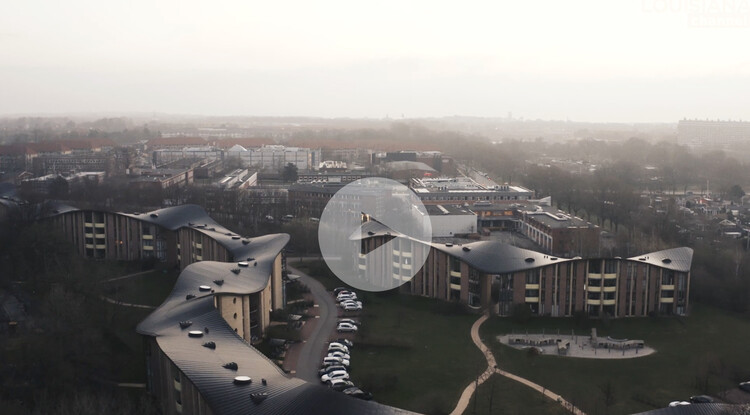
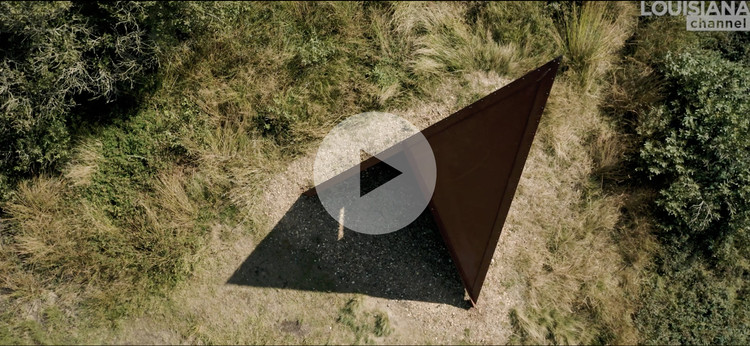
In a recent interview with Louisiana Channel, Copenhagen-based architects Søren Johansen and Sebastian Skovsted share insights into their design process - stating the importance of creating architecture that seamlessly blends into the landscape yet stands out on its own right. Discussing the minimalist nature of their projects, the architects are careful not to put themselves in a box, saying, "When you ask about minimalism in our work, or any other ism, we are not interested in simplicity for simplicity’s sake.”
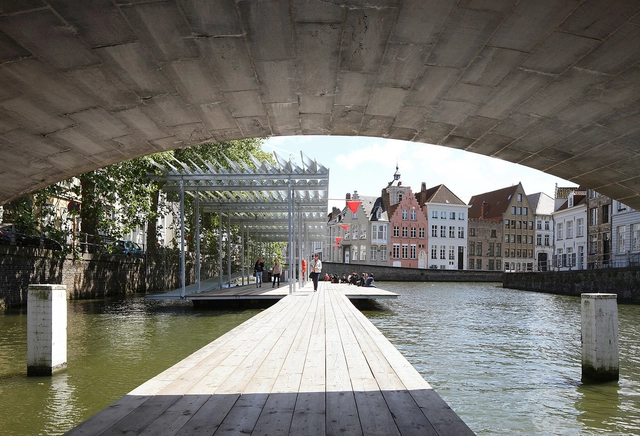
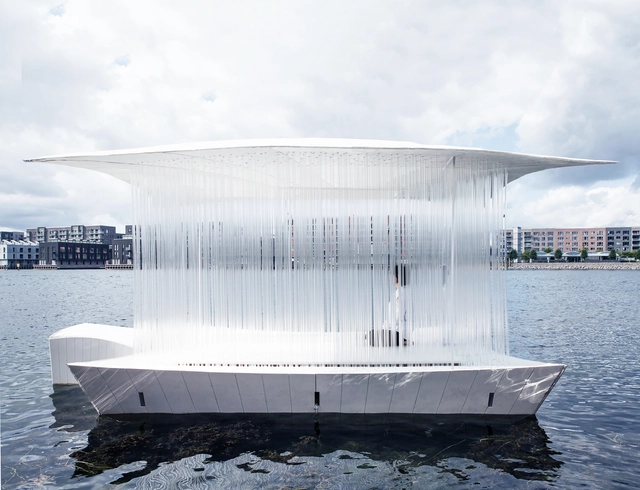
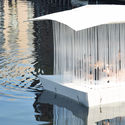
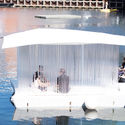
Architecture remains in constant tension with natural forces. Designed around gravity, climate, and time, buildings are always part of larger systems. Throughout the world, designers have tried to mitigate natural forces by constructing hybrid spaces and structures, artificial areas where nature meets the manmade. Embodying this relationship, canals reflect a desire to direct nature and its flows. Today, these fluid spaces are opening up to new programs, projects that explore modern life and urban vitality.
Courtesy of NORD Architects, BBP Arkitekter and BOGL
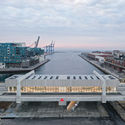
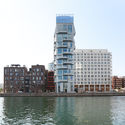
NORD Architects and BBP Arkitekter recently won the competition to design and build a new public school in one of Copenhagen's most dense urban districts. The challenge of the design was to create a structure that properly fits in the already complex context, complementing the district's "high urban density, postindustrial heritage, and vital infrastructure".
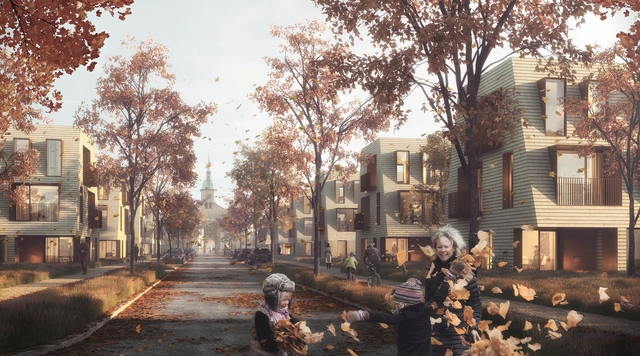
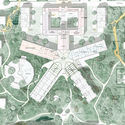
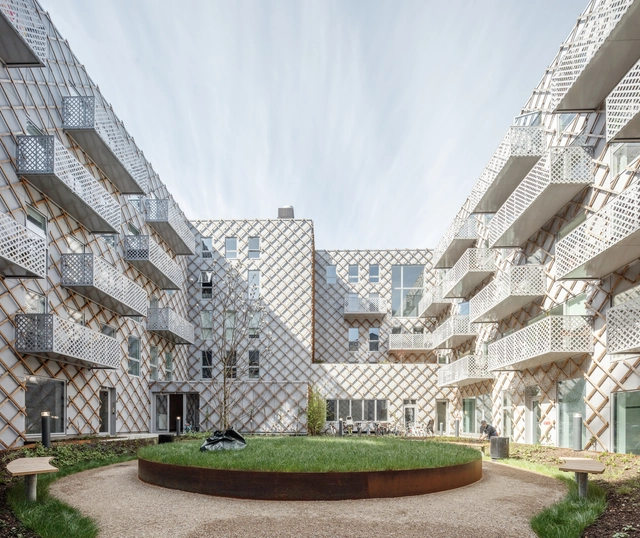
Schmidt Hammer Lassen Architects and BOGL were selected by the municipality of Albertslund and Freja Ejendomme to re-imagine Vridsløselille, a facility that housed once a state prison, and transform the site into an attractive, green district with a distinct identity derived from its unique heritage. The scheme was chosen alongside another project by COBE to create a combined vision for the future development of the area.
I spent four glorious days in Copenhagen in 2017 and left with an acute case of urban envy. (I kept thinking: It’s like..an American Portland—except better.) Why can’t we do cities like this in the United States? That’s the question an urban nerd like me asks while strolling the famously pedestrian-friendly streets, as hordes of impossibly blond and fit Danes bicycle briskly past.
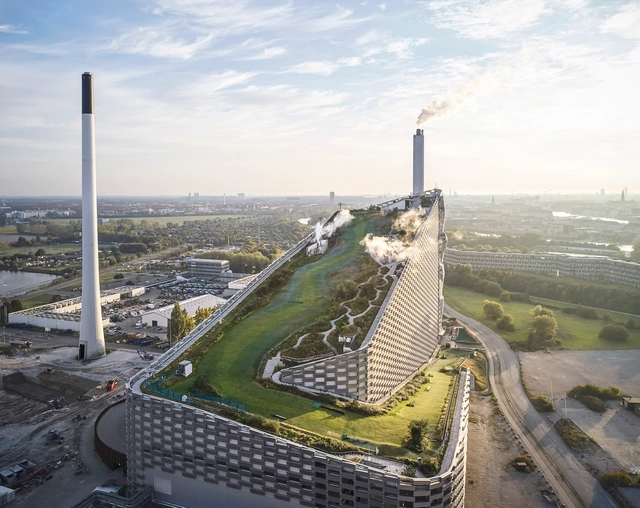
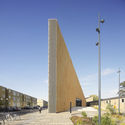
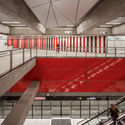
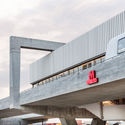
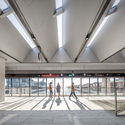
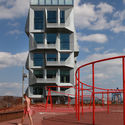
Hufton+Crow has unveiled its latest series of images, capturing Denmark's recent and inventive projects, completed between 2018 and 2019. The photographs showcase CopenHill Energy Plant and Urban Recreation Center by BIG, along with Tingbjerg Library and Culture House and Køge Nord Station, both designed by COBE.
The parking house, entitled Parking House + Konditaget Lüders, has just won the international design award Danish Design Award 2020 in the category of “Liveable Cities”. Designed by JAJA Architects, the intervention refurbished the roof of a parking house into living urban space with sports and play equipment.
The festival attracts between 50-100.000 audiences every year to a public program of guided tours, film screenings, debates, seminars, workshops and exhibitions focusing on architecture and urbanism.













.jpg?1608121293&format=webp&width=640&height=580)
.jpg?1608120767 "© Coast Studio")
.jpg?1608121693 "© Coast Studio")
.jpg?1608120746 "© Coast Studio")
.jpg?1608121461 "© Coast Studio")
.jpg?1608121293)