1. ArchDaily
  2. Climate

Climate: The Latest Architecture and News

CRAB Studio Reveals Design for the BRIJ Cultural Centre Project in New Delhi, India

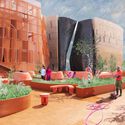
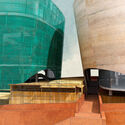
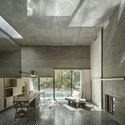
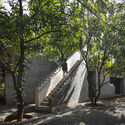
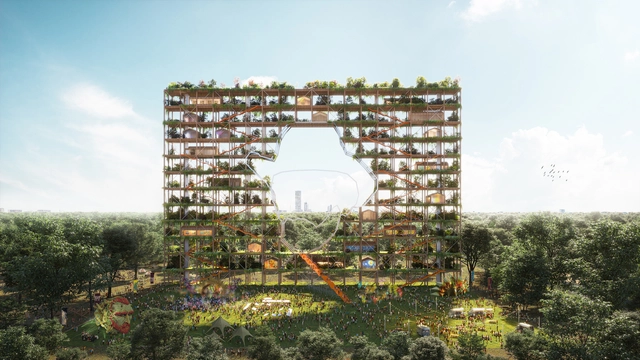
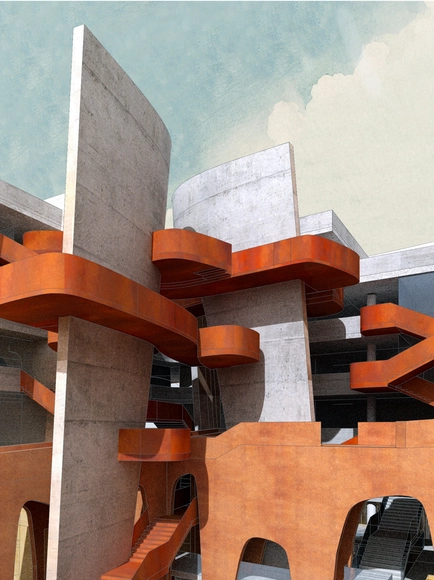
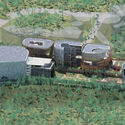
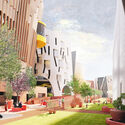
Sir Peter Cook and Gavin Robotham’s CRAB Studio has unveiled the design for a new cultural center to be constructed in New Delhi, India. Located on the site of a former quartzite quarry, the BRIJ offers facilities for the visual, performing, literary, and culinary arts as well as a new arts academy. The scheme, aiming to promote interactions between artists and audiences via an immersive environment, is designed by CRAB Studio, now led by Gavin Robotham, and CP Kukreja Architects (CPKA) as Executive Architect.
CRAB Studio Reveals Design for the BRIJ Cultural Centre Project in New Delhi, India - Image 1 of 4CRAB Studio Reveals Design for the BRIJ Cultural Centre Project in New Delhi, India - Image 2 of 4CRAB Studio Reveals Design for the BRIJ Cultural Centre Project in New Delhi, India - Image 3 of 4CRAB Studio Reveals Design for the BRIJ Cultural Centre Project in New Delhi, India - Image 4 of 4CRAB Studio Reveals Design for the BRIJ Cultural Centre Project in New Delhi, India - More Images+ 11

Architecture Philanthropy re:arc institute Announces the 2023–24 Grants, Practice Lab Collaborators, and Initiatives

Copenhagen-based philanthropic association re:arc institute has announced the cohort of nonprofit organizations, people, and practices they will support throughout 2024. The organization founded in 2022 works at the intersection of climate action and architectural philanthropy, aiming to support the development of solutions that address the root causes and consequences of climate change.

The architectural field often adheres to conventional industry models, either client-based or competition-based, which can perpetuate problematic or extractive motivations. The re:arc institute hopes to rethink the architecture discipline’s potential for addressing social and environmental concerns by providing a blueprint for pioneering philanthropic projects. To do so, they provide funding to nonprofits, individuals, and community-led projects exploring innovative approaches that prioritize planetary well-being. Their focus is on hyper-local, grassroots initiatives that address climate crises with a strong emphasis on the unique needs of specific places and communities.

Architecture Philanthropy re:arc institute Announces the 2023–24 Grants, Practice Lab Collaborators, and Initiatives - Image 1 of 4Architecture Philanthropy re:arc institute Announces the 2023–24 Grants, Practice Lab Collaborators, and Initiatives - Image 2 of 4Architecture Philanthropy re:arc institute Announces the 2023–24 Grants, Practice Lab Collaborators, and Initiatives - Image 3 of 4Architecture Philanthropy re:arc institute Announces the 2023–24 Grants, Practice Lab Collaborators, and Initiatives - Image 4 of 4Architecture Philanthropy re:arc institute Announces the 2023–24 Grants, Practice Lab Collaborators, and Initiatives - More Images+ 12

Embodied Carbon in Real Estate: The Hidden Contributor to Climate Change

Subscriber Access | 

The window for solving climate change is narrowing; any solution must include embodied carbon. The Sixth Assessment Report published by the IPCC (Intergovernmental Panel on Climate Change) concludes that the world can emit just 500 gigatonnes more of carbon dioxide, starting in January 2020, if we want a 50 percent chance of staying below 1.5 degrees. In 2021 alone, the world emitted about 36.3 gigatonnes of carbon, the highest amount ever recorded. We’re on track to blow through our carbon budget in the next several years. To quote the IPCC directly: “The choices and actions implemented in this decade will have impacts now and for thousands of years (high confidence).”

Next Generation of Landscape Architecture Leaders Focus on Climate, Equity, and Technology

“Our fellows have shown courage, written books, founded mission-driven non-profits, created new coalitions, and disseminated new tools,” said Cindy Sanders, FASLA, CEO of OLIN, in her introduction of the Landscape Architecture Foundation (LAF) Fellowship for Innovation and Leadership program at Arena Stage in Washington, D.C.

Sanders highlighted the results of a five-year assessment of the LAF fellowship program and its efforts to grow the next generation of diverse landscape architecture leaders. The assessment shows that past fellows are shaping the future of the built environment in key public, non-profit, and private sector roles.

Next Generation of Landscape Architecture Leaders Focus on Climate, Equity, and Technology - Image 1 of 4Next Generation of Landscape Architecture Leaders Focus on Climate, Equity, and Technology - Image 2 of 4Next Generation of Landscape Architecture Leaders Focus on Climate, Equity, and Technology - Image 3 of 4Next Generation of Landscape Architecture Leaders Focus on Climate, Equity, and Technology - Image 4 of 4Next Generation of Landscape Architecture Leaders Focus on Climate, Equity, and Technology - More Images+ 11

Cities Embrace Climate Action Planning to Mitigate the Adverse Effects of Climate Change

Cities across the globe are developing comprehensive action plans in order to create a coordinated response to the challenges of climate change. Targets and goals for consumption-based emissions are important for guiding strategic planning and decision-making, improving accountability, and communicating the direction of travel to businesses and the public. National and regional government officials are working with the private sector, international organizations, and civil society to create change at every level, from structural interventions in supply chains and industries to individual choices.  This demonstrates a rising understanding of the role of cities in mitigating the adverse effects of rising temperatures.

Cities Embrace Climate Action Planning to Mitigate the Adverse Effects of Climate Change - Image 1 of 4Cities Embrace Climate Action Planning to Mitigate the Adverse Effects of Climate Change - Image 2 of 4Cities Embrace Climate Action Planning to Mitigate the Adverse Effects of Climate Change - Image 3 of 4Cities Embrace Climate Action Planning to Mitigate the Adverse Effects of Climate Change - Image 4 of 4Cities Embrace Climate Action Planning to Mitigate the Adverse Effects of Climate Change - More Images

On the Hottest Month on Record and How Cities Are Mitigating the Effects of Rising Temperatures

The NASA Goddard Institute for Space Studies (GISS) in New York has just announced that the month of July 2023 was hotter than any other month ever recorded in terms of global temperature. Spiking to 1.12 degrees Celsius above the 20th-century July average, this month was warmer than any month since 1850 when the NOAA database began. The climate crisis at large has made heat waves more prevalent, putting millions of people in danger. These growing effects of the climate crisis also severely affect cities worldwide, posing a threat to urban inhabitants globally.

On the Hottest Month on Record and How Cities Are Mitigating the Effects of Rising Temperatures - Image 1 of 4On the Hottest Month on Record and How Cities Are Mitigating the Effects of Rising Temperatures - Featured ImageOn the Hottest Month on Record and How Cities Are Mitigating the Effects of Rising Temperatures - Image 2 of 4On the Hottest Month on Record and How Cities Are Mitigating the Effects of Rising Temperatures - Image 3 of 4On the Hottest Month on Record and How Cities Are Mitigating the Effects of Rising Temperatures - More Images+ 1

How are Cities Adapting to Heatwaves in the Face of Climate Change

The climate crisis has made heatwaves more likely and more intense around the world. Record-breaking high temperatures are being reported across the world. According to international data, the first week of July 2023 was the hottest week on record, putting millions of people in danger. All throughout this summer, recurring heatwaves have been affecting large portions of Asia, Europe, and the United States, priming the land for fires in places like Greece, Spain, and Canada, triggering unhealthy air warnings, evacuations, and heat-related deaths. The increasingly threatening effects of the climate crisis are also felt in cities worldwide, as extreme heat proves to be a rapidly growing health risk to millions of urban dwellers.

Cities are on the front lines of this public health emergency. People living in urban areas are among the hardest hit when heatwaves happen, partly because of urban heat islands. This is a phenomenon that occurs when cities replace the natural land cover with dense concentrations of surfaces that absorb and retain heat, like pavements and buildings. Heat risk levels also vary by neighborhood, with less affluent and historically marginalized sectors being the most affected due to the density of the population, limited access to cooling systems, and the limited availability of green urban spaces.

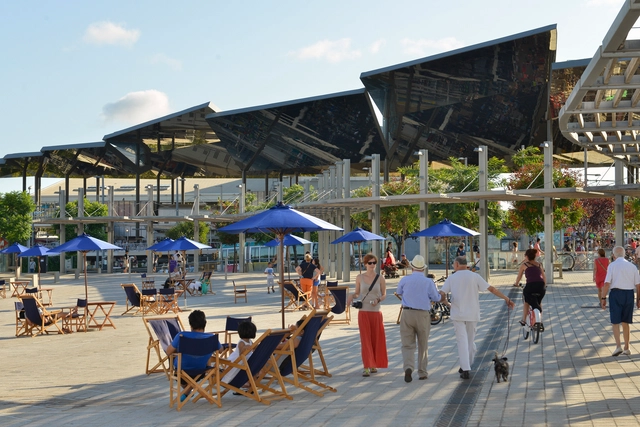
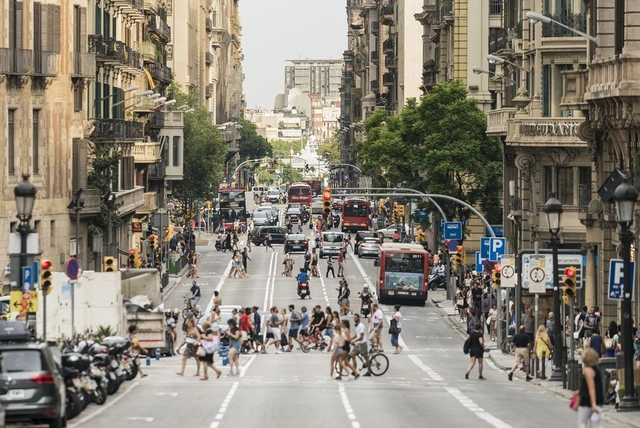
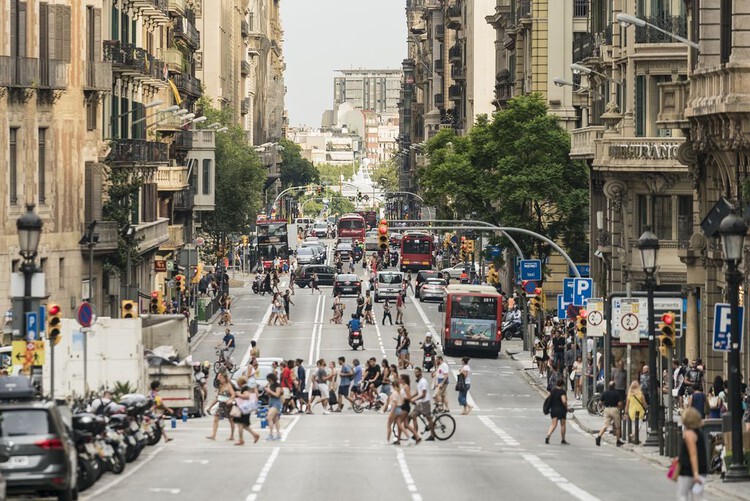
How are Cities Adapting to Heatwaves in the Face of Climate Change - Image 1 of 4How are Cities Adapting to Heatwaves in the Face of Climate Change - Featured ImageHow are Cities Adapting to Heatwaves in the Face of Climate Change - Image 2 of 4How are Cities Adapting to Heatwaves in the Face of Climate Change - Image 3 of 4How are Cities Adapting to Heatwaves in the Face of Climate Change - More Images+ 2

"Habitat: Vernacular Architecture for a Changing Climate" Offers Strategies and Instruments for a Sustainable Transition

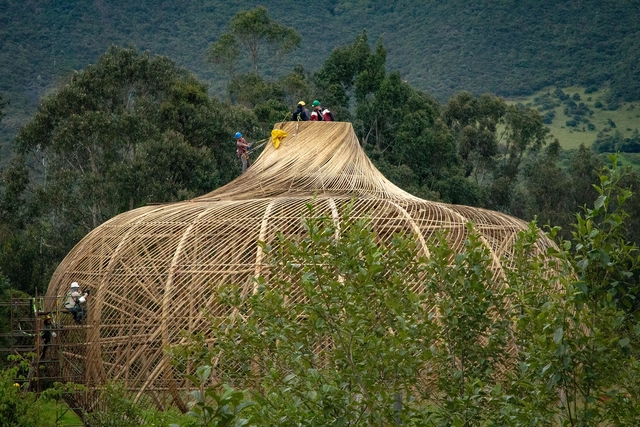
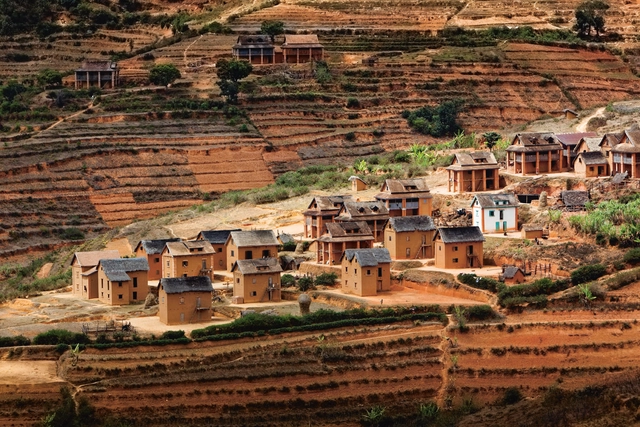
As the challenges posed by climate change increase in number and intensity, it also heightens the need to find sustainable building practices that connect to ecosystems and livelihoods rather than harm them. While often overlooked in the search for innovation, vernacular architecture can offer answers to contemporary issues. This type of architecture not only relies on readily available locally sourced materials but also on indigenous knowledge of local conditions like sun orientation, wind patterns, ventilation needs, and the behavior of materials in time. Dr. Sandra Piesik, director and architect of 3 ideas, and founder of HABITAT Coalition, explores this potential in her newest book, 'Habitat: Vernacular Architecture for a Changing Climate.'

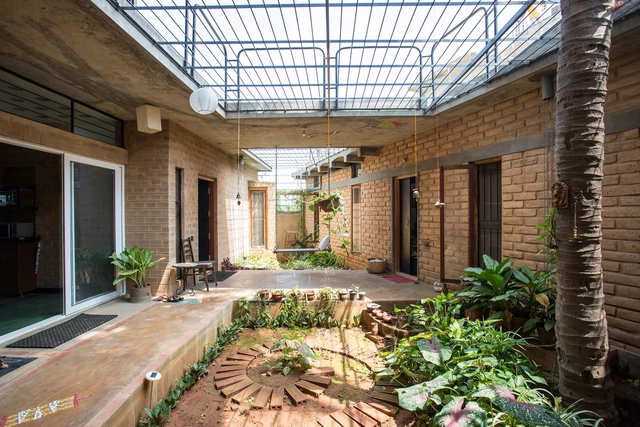
"Habitat: Vernacular Architecture for a Changing Climate" Offers Strategies and Instruments for a Sustainable Transition - Image 1 of 4"Habitat: Vernacular Architecture for a Changing Climate" Offers Strategies and Instruments for a Sustainable Transition - Image 2 of 4"Habitat: Vernacular Architecture for a Changing Climate" Offers Strategies and Instruments for a Sustainable Transition - Image 3 of 4"Habitat: Vernacular Architecture for a Changing Climate" Offers Strategies and Instruments for a Sustainable Transition - Image 4 of 4Habitat: Vernacular Architecture for a Changing Climate Offers Strategies and Instruments for a Sustainable Transition - More Images+ 5

SOM Reveals Design for a Net-Zero Campus on Governors Island, New York City

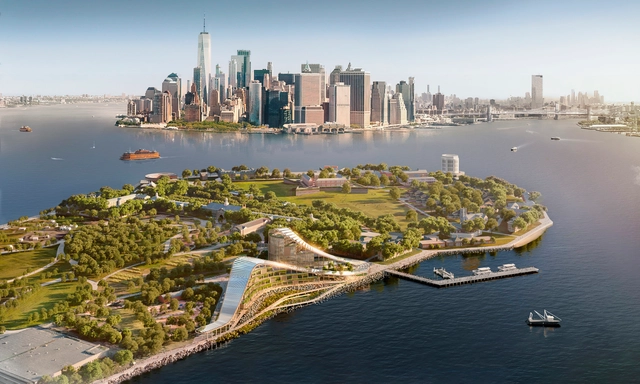
Skidmore, Owings & Merrill have been selected to design the New York Climate Exchange in partnership with Stony Brook University, a public research institute in New York. The new net-zero campus, located on Governors Island, New York, is planned to serve as an anchor institution for the development of new climate solutions. As a first-of-its-kind international center, “The Exchange” will also act as a regional hub for the green economy.

The Bioclimatic Skyscraper: Kenneth Yeang's Eco-Design Strategies

Subscriber Access | 

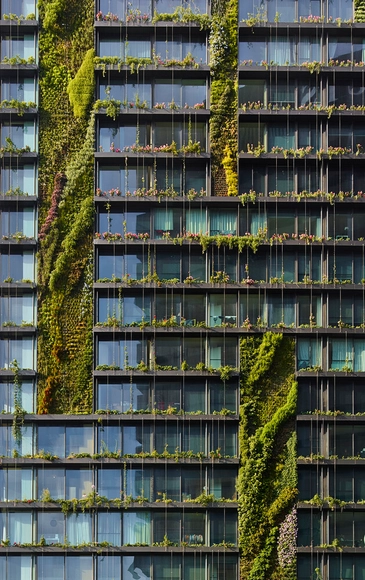
Rising over global cities, the modern skyscraper has long been a symbol of economic growth and environmental decline. For years, they have been reviled by environmentalists for being uncontrolled energy consumers. Malaysian architect Kenneth Yeang acknowledged the skyscraper as a necessity in modern cities and adopted a pragmatic approach to greening the otherwise unsustainable building typology. Yeang’s bioclimatic skyscrapers blend the economics of space with sustainability and improved living standards.

The Bioclimatic Skyscraper: Kenneth Yeang's Eco-Design Strategies  - Image 1 of 4The Bioclimatic Skyscraper: Kenneth Yeang's Eco-Design Strategies  - Image 2 of 4The Bioclimatic Skyscraper: Kenneth Yeang's Eco-Design Strategies  - Image 3 of 4The Bioclimatic Skyscraper: Kenneth Yeang's Eco-Design Strategies  - Image 4 of 4The Bioclimatic Skyscraper: Kenneth Yeang's Eco-Design Strategies  - More Images+ 2

“Children’s Forest:” The Lithuanian Pavilion Acts as an Educational Tool at the 2023 Venice Architecture Biennale

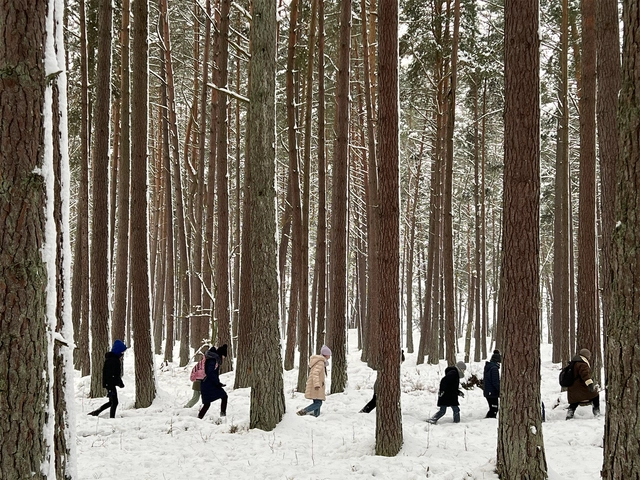
For the 18th International Architecture Exhibition – La Biennale di Venezia, the Lithuanian Pavilion will present an exhibition titled “Children’s Forest Pavilion”, curated by Jurga Daubaraitė, Egija Inzule, and Jonas Žukauskas. The intervention aims to become a playscape, acknowledging the unique perspectives through which children observe and interact with their environment. The project strives to explain the ecosystem of the forest, bringing together works and findings developed in parallel to outdoor activities held with children in the woodlands of Lithuania and Finland. Environmental educators, activists, architects and foresters will discuss the idea of forests as negotiated spaces where all actors play an important role. The Pavilion will be open from May 20th until November 26th, 2023.

“Children’s Forest:” The Lithuanian Pavilion Acts as an Educational Tool at the 2023 Venice Architecture Biennale - Image 1 of 4“Children’s Forest:” The Lithuanian Pavilion Acts as an Educational Tool at the 2023 Venice Architecture Biennale - Image 2 of 4“Children’s Forest:” The Lithuanian Pavilion Acts as an Educational Tool at the 2023 Venice Architecture Biennale - Image 3 of 4“Children’s Forest:” The Lithuanian Pavilion Acts as an Educational Tool at the 2023 Venice Architecture Biennale - Image 4 of 4“Children’s Forest:” The Lithuanian Pavilion Acts as an Educational Tool at the 2023 Venice Architecture Biennale - More Images

The Van Gogh Homeland Biennale Selects MVRDV’s Winy Maas as Its First Curator

MVRDV has joined the Van Gogh Homeland Foundation to develop the first Van Gogh Homeland Biennale to bring awareness to the challenges faced by the Brabant region. At the initiative of Midpoint Brabant, the experience strives to combine knowledge of architecture, landscape design, and sustainability to reignite enthusiasm for the Brabant landscape, Vincent van Gogh;s native Dutch province. According to the organisers, the region is facing a number of threats, including the increasing number of floods and the limited availability of space, but, through an orchestrated effort, the landscape that inspired van Gogh 150 years ago can become more sustainable and greener in the future.

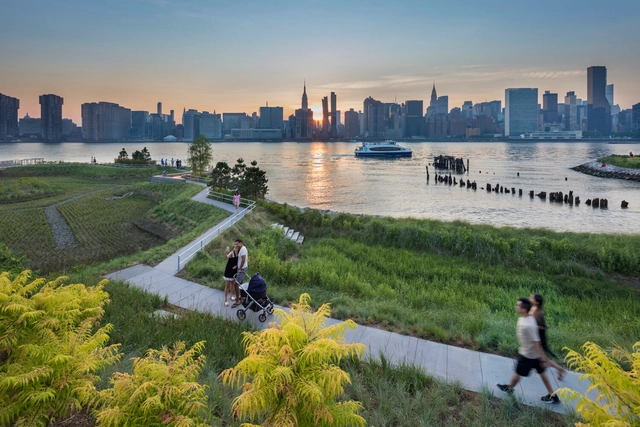
A Waterfront Park as Public Amenity and Climate Mitigator

This article was originally published on Common Edge.

This week, the Museum of Modern Art officially launches a new series of exhibitions entitled Architecture Now. According to MoMA, “The first iteration of the series, New York, New Publics, will explore the ways in which New York City–based practices have been actively expanding the relationship of metropolitan architecture to different publics through 12 recently completed projects.”

The exhibition will showcase public-facing work, such as parks, community gardens, and pools, by Adjaye Associates, Agency—Agency and Chris Woebken, CO Adaptive, James Corner Field Operations, Kinfolk Foundation, nArchitects, New Affiliates and Samuel Stewart-Halevy, Olalekan Jeyifous, Only If, PetersonRich Office, SO – IL, and SWA/Balsley and Weiss/Manfredi.

It’s Time for Africa to Chart Its Own Climate Change Agenda

This article was originally published on Common Edge.

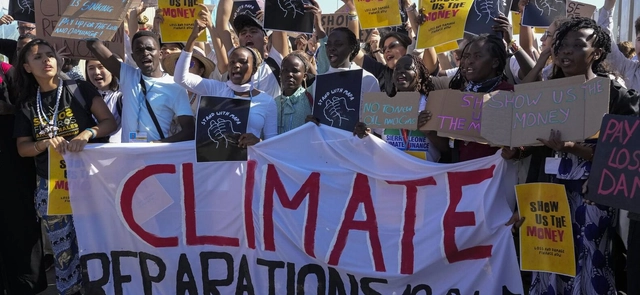
Last November, the annual climate conference COP 27 came to a close in Sharm el-Sheikh with a tentative agreement, reached at the last moment, to set up a “loss and damage” climate fund for Africa and other developing countries. For Africans, this was cause for muted celebration, because for generations the continent has built its climate change agenda almost exclusively around the pursuit of climate justice, a desire to enforce liability on the industrialized nations responsible for the bulk of global carbon emissions. All of this has unfolded, in a sort of willful blindness, while a majority of Africans struggled with the most prosaic challenges: inefficient urban sanitation; poor stormwater management; a paucity of water, sanitation, and hygiene facilities; willful and unabated deforestation; and environmental degradation.