The 2°C Symposium is an opportunity to learn essential technologies, strategies and tools that address climate change at a critical time for our collective future.


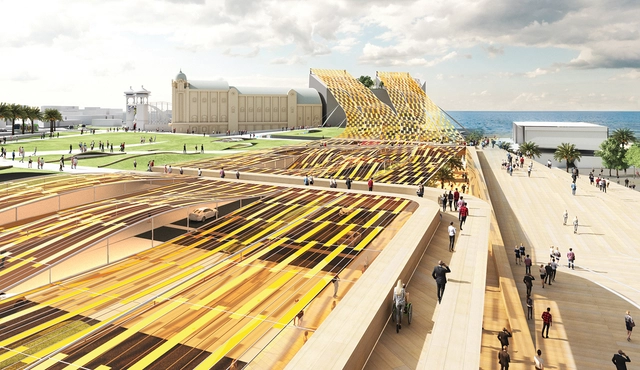
The LAGI 2019 competition offers designers and creatives the opportunity to re-imagine energy infrastructure and demonstrate the beauty of a 100% renewable world.

Created by the Union International des Architects (UIA) in 2005, World Architecture Day is celebrated on the first Monday of October with the aim of reminding the world about the collective responsibility of architects in designing our future cities and settlements.
This year, the UIA has selected “Architecture, Building, Climate” as the theme of the day, seeking to highlight the essential role that architecture, design and urbanism have in the reduction of greenhouse gas emissions. With international climate treaty negotiations set to happen later this year, the “UIA members, working bodies and partners will mobilize on 5 October to promote actions and solutions that apply the enormous power of architecture and urban design in coping with global climate change, one of the greatest challenges of our time.”
Through small actions architects can collectively make a big difference and create significant changes. To celebrate World Architecture Day, we have rounded up a selection of projects that have taken steps towards the challenge of protecting our environment.
.jpg?1434614849&format=webp&width=640&height=580)
For this week's editions of Section D, Monocle 24's weekly review of design, architecture and craft, and The Urbanist, their weekly "guide to making better cities," the Monocle team investigate the how the act of playing can shape design and the role of luck in our cities.
In Section D, David Plaisant meets artist Simon Terrill at the new Brutalist Playground, currently on display at the RIBA in London. Terrill, along with Assemble, have reimagined a concrete childrens' playground from one of the UK's Brutalist housing estates, in foam – plus more. In this week's edition of The Urbanist, Andrew Tuck explores the role of luck (and misfortune) in our cities, from how architects apply the philosophy of feng shui to their work to a Brazilian district that it was given the name of Boa Sorte ('good luck' in Portuguese). The show also visits Moore – the city dubbed as "tornado alley of Tornado Alley" – in Oklahoma, US, to understand how best to build in such intense climactic environments.
Listen to both episodes after the break.


Material Minds, presented by ArchDaily Materials, is our new series of short interviews with architects, designers, scientists, and others who use architectural materials in innovative ways. Enjoy!
Arthur Andersson of Andersson-Wise Architects wants to build ruins. He wants things to be timeless - to look good now and 2000 years from now. He wants buildings to fit within a place and time. To do that he has a various set of philosophies, processes and some great influences. Read our full in-depth interview with Mr. Andersson, another revolutionary "Material Mind," after the break.