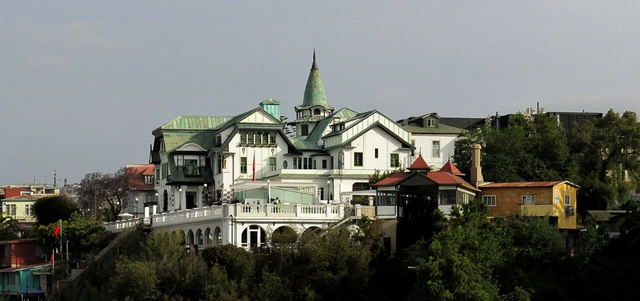
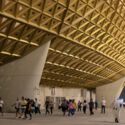
We often walk through the city without knowing the value of the buildings around us. In Chile, there is an architectural multiculturalism that has molded the cities with buildings that, to this day, are awarded a heritage title and are not recognized as such by the inhabitants and visitors.
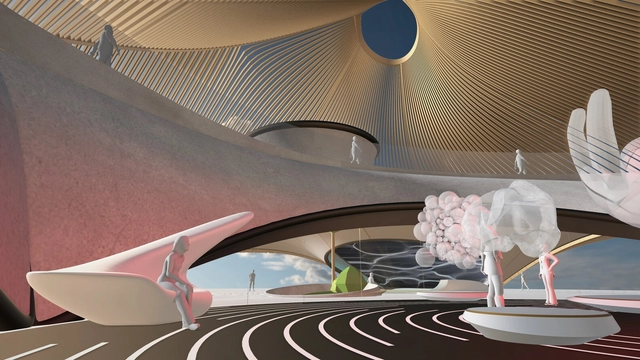
We live in a world where the experienced, remembered, and imagined, as well as different moments in space and time concerning the past, present, and future are inseparably blended. As of recent, we are being offered various mediums to gain access to other planes of existence, utilizing immersive technologies like virtual and augmented reality (VR and AR), creating a pathway to the metaverse in which we are transported to spaces that are capable of feeling more ‘real’ than anything we presently experience.
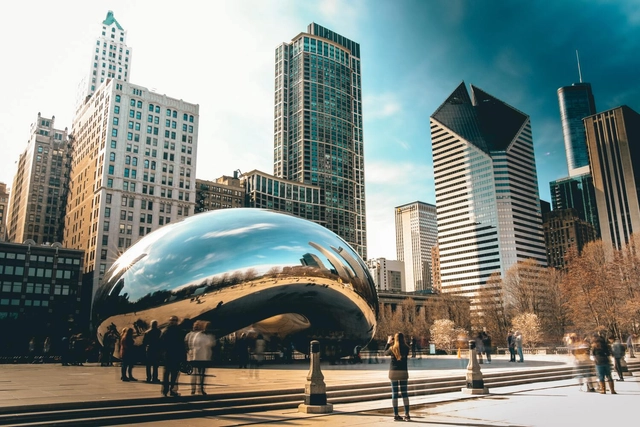
Chicago, The Windy City, Chi-Town, or The Second City. It’s a place that is known by many names, but to architects and urban planners alike, it’s famous for its history which has given us some of the best-known buildings and important advancements that have helped to shape other cities across the United States. From its inception, Chicago has long served as an architectural hub for innovation.
“Art aims to represent not the outward appearance of things, but their inward significance”, Greek polymath Aristotle remarked. Public art in cities worldwide seeks to pursue this aim by offering a sense of meaning and identification to its residents. Taking the form of murals, installations, sculptures, and statues, public art engages with audiences outside of museums and in the public realm. This art presents a democratic manner of collectively redefining concepts like community, identity, and social engagement.
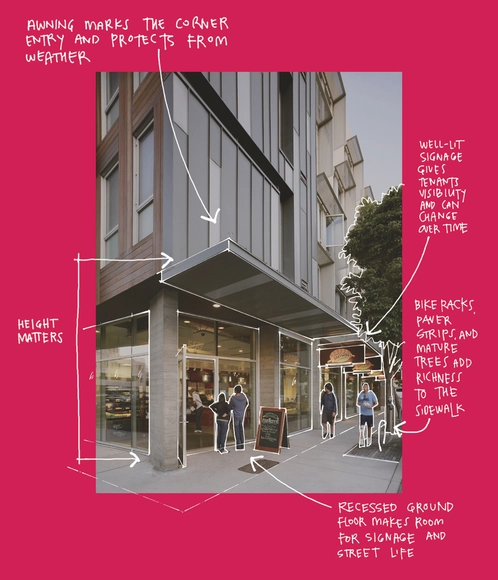
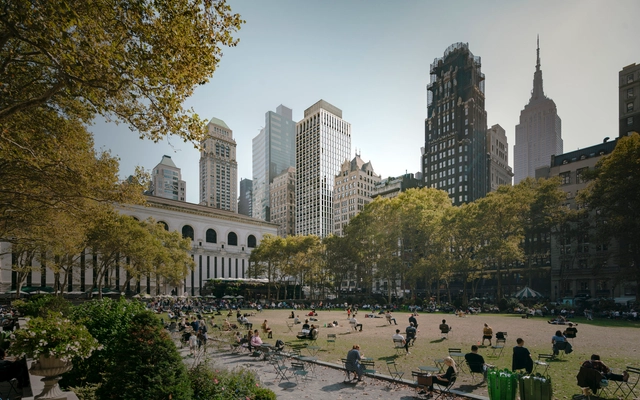
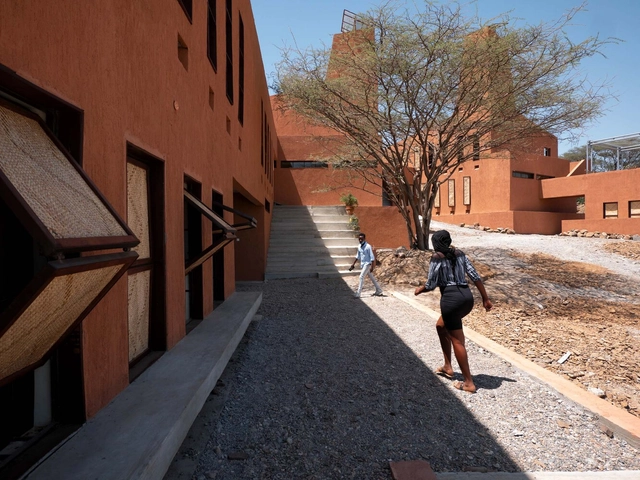
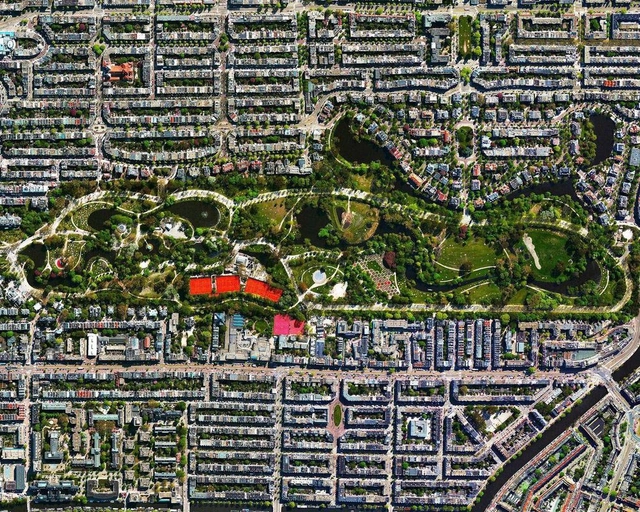
A famous skyline can evoke rich associations and unleash imagination, but the real experience of a city is in its streets. Early humans evolved to see the first 20 feet in front, above, and around them so they could identify potential threats in the landscape. In our modern urban environment, this is still how we experience buildings and places. While aerial views and Google Earth imagery are useful for reference, the main experience of the outside of a building is what we pass by on the street, up to about the second or third story. The height of a building doesn’t necessarily matter if the street experience is rich and accessible.
https://www.archdaily.com/990889/activating-the-edges-how-to-create-lively-active-streetsAmanda Loper, Daniel Simons, David Baker
The Transportation Alternatives and the Massachusetts Institute of Technology have initiated a new digital tool, Spatial Equity NYC, to help users understand how space is distributed and restricted across the neighborhoods of New York City. The tool asses the use of streets, sidewalks, and public spaces, as they are key factors that influence data such as pollution, traffic fatalities, accessibility, or air quality. The data collected shows a direct correlation between neighborhoods with low-income communities and communities of color and the detrimental ways in which public space is used, leading to health and mobility issues in those communities.
From smartphones to space rockets and self-driving cars, the power of technology in this modern digital era is enormous (and practically limitless). It has impacted every aspect of our lives and will continue to open up endless possibilities that today we cannot even begin to fathom. When applied in a socially and environmentally responsible way, technology has the power to enhance productivity, communication and sustainability, enabling global communities to function efficiently, addressing people’s everyday needs and improving their quality of life. Simply put, good technology serves humanity. And just as the healthcare or manufacturing industries have taken advantage of this, the architecture, design and construction world cannot fall behind.
The global pause of the COVID pandemic has provided an opportunity to assess present-day globalism and the architecture that has emerged alongside it. Stemming back to the broad expansion of free trade in the 90s at the end of the Cold War, globalism’s cultural promise was simple and aspirational: integrating markets globally would increase the interaction between and learning of different cultures. By normalizing such experiences in our daily lives, we would become global citizens liberated from our previous prejudices–all well-intentioned objectives.
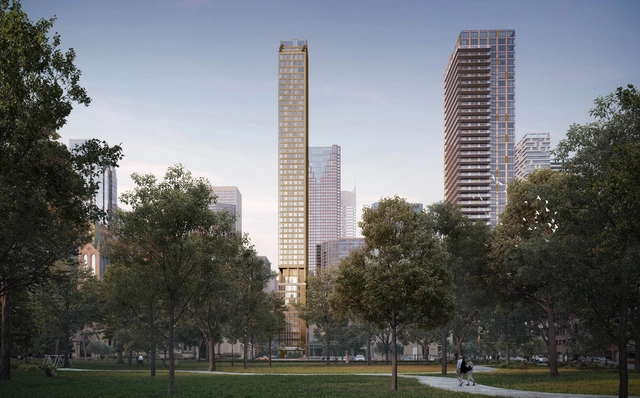
BDP Quadrangle has revealed the design of a 54-storey, mixed-use tower in downtown Toronto, Canada. The project will replace an existing 10-storey office tower built in the 1960s. The new tower will contain office and residential units, with amenities and outdoor terraces on the 11th floor and at the ground floor. The building is planned to accommodate a total of 278 apartments with penthouses on the 52nd and 53rd floors. The project is currently in the pre-construction phase.
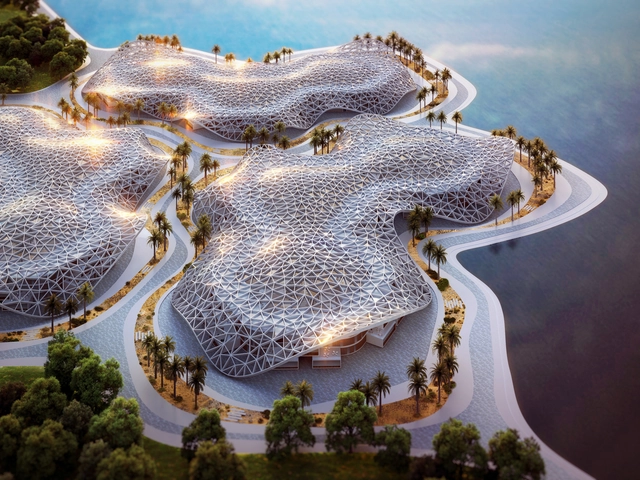
A new urban tech district is planned for the Creekside of Al Jaddaf area in Dubai. Developed by URB, the district aims to generate over four thousand jobs in urban technologies, education, and training, while also welcoming entrepreneurs to encourage a collaborative tech ecosystem. The district will provide facilities for training, research, conferences, business incubations, shared-desk spaces, and dedicated offices. It will also be home to an urban tech institute, which hopes to drive innovation by investing in applied research and by enabling public-private partnerships.
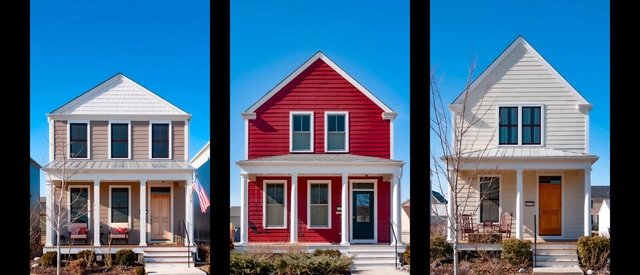
The U.S. housing shortage is most severe on the more affordable side of the market. At a time when costs are escalating broadly and homes that were recently attainable by many have moved out of reach of most, this is no surprise. The problem is most acute in the heated markets, of course, where affordability mandates and rent controls seek to retain rental affordability for some, as owning a home in such markets is a dream accessible only to the wealthiest. (No measures in this post have any impact on these markets.)
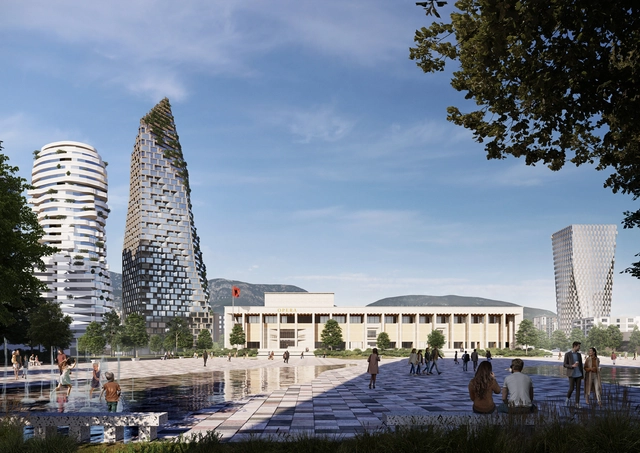
Mount Tirana by CEBRA, Skanderbeg Square. Image Courtesy of CEBRA
Danish architecture office CEBRA won the competition to design a new landmark in the capital of Albania, Tirana. While located in the heart of the city, the project takes inspiration from the natural landscape surrounding the city, thus celebrating Albania's national identity and cultural heritage. The project proposes a 185-meters multifunctional tower containing housing, commercial facilities, a boutique hotel, a business area with offices and parking facilities, and all the necessary amenities like restaurants and cafes.
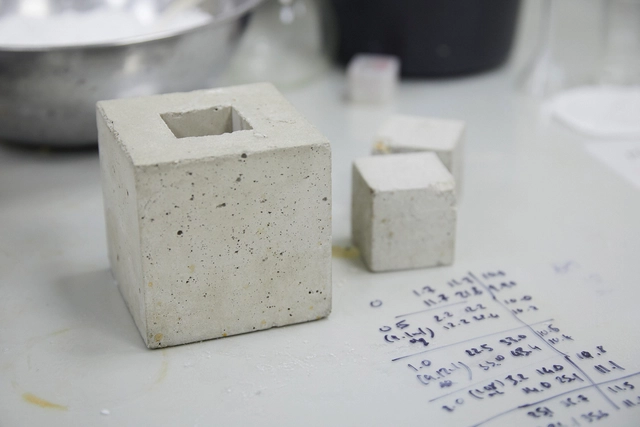
Material researchers and Ph.D. students at Imperial College London, Sam Draper and Barney Shanks have won the 2022 OBEL AWARD for Seratech, a solution for carbon-neutral concrete. With a special focus this year on “embodied emissions”, the OBEL AWARD jury selected scientists to obtain the architecture award to “encourage innovative cross-disciplinary solutions to the challenges of climate change”.
While the United Nations has been continuously urging architects, engineers, and city shapers to put the 2030 agenda and the SDGs into action, and the IPCC report revealed intensifying climate change, sparking widespread discussion over insufficient action, the 83rd ongoing session of The United Nations Economic Commission for Europe - UNECE Committee on Urban Development, Housing and Land Management taking place in San Marino, has just issued a special declaration on “how to build better, safer, more inclusive, and resilient" cities, ahead of COP27. This set of “Principles for Sustainable and Inclusive Urban Design and Architecture”, or the San Marino declaration has gathered the signatures of Norman Foster and Stefano Boeri.
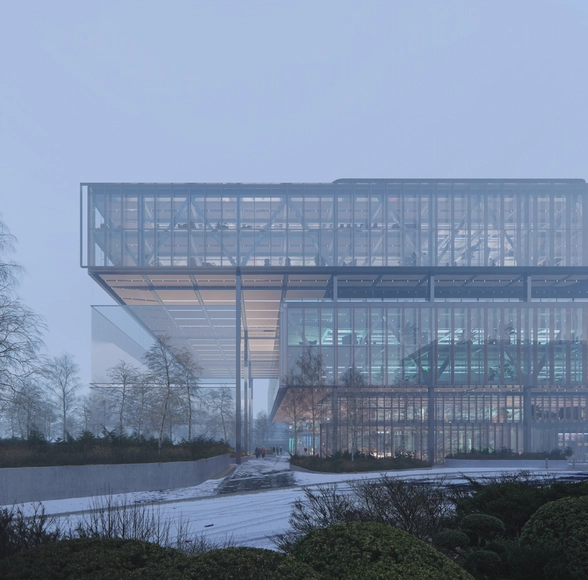
Architecture practice Rogers Stirk Harbour + Partners (RSHP) has won the international competition to design a new nearly net zero operational carbon business center in the city of Vilnius, Lithuania. The competition, organized by the Lithuanian Union of Architects and the Right Bank Development Fund, requested the design of a 19,200-square meters office space in the Central Business District of the city. One of the key ambitions of the project was the reduction of embodies carbon, achieved through a number of strategies, including the use of cross-laminated timber floor planks and locally sourced materials.
The first Monday of October of every year marks World Architecture Day and World Habitat Day. Celebrated simultaneously, they both seek to shed light on the built environment and its challenges, taking on a different theme with each new edition. This year, through its World Architecture Day, the UIA is focusing on “Architecture for well-being”, in line with the designation of 2022 as the UIA Year of Design for Health in buildings and cities. In parallel, the UN’s World Habitat Day, is centered on “Mind the Gap. Leave No One and Place Behind”, looking at the problem of growing inequality and challenges in cities and human settlements, due to the triple ‘C’ crises – COVID-19, climate and conflict.
Introducing Urban October, 31 days to promote a better urban future, World Architecture Day and World Habitat Day push forward the debates on urban sustainability. Joining the conversation every year, ArchDaily takes part in this occasion by promoting content that tackles the main objectives of this day, raising awareness, presenting solutions, engaging the international community, and “empowering everyone who makes architecture happen to create a better quality of life”.
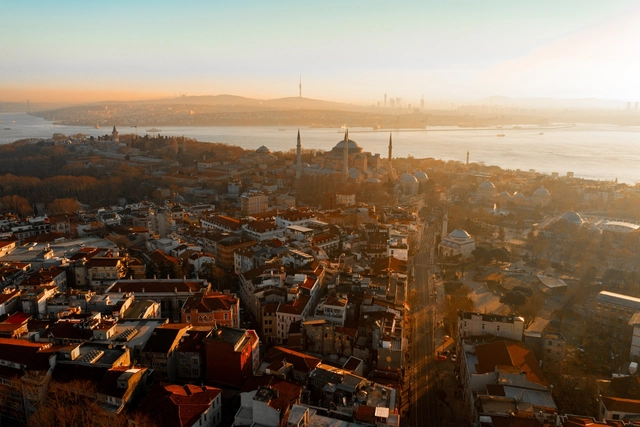
Byzantium, Constantinople and now Istanbul, the many names this city has had over the centuries are proof of the central role it has played throughout history. Founded by Greek settlers in the 7th century, the city served as an imperial capital for a cumulated period of over 1600 years. During the Roman/Byzantine, it played a crucial role in the advancement of Christianity before its transformation into an Islamic center and becoming the sear of the Ottoman Caliphate. Today, Istanbul is a vibrant city with a rich cultural scene and multiple historical layers to be discovered.
Straddling the Bosphorus strait, the city lies in both Europe and Asia, integrating architectural masterpieces that reflect the meeting of European and Asian cultures over the centuries. As the largest city in Turkey with a population of over 15 million residents, Istanbul also serves as the country’s economic, cultural, and historic center. Istanbul is the 15th largest city and the eighth most visited city in the world. The city is also home to several UNESCO World Heritage Sites.
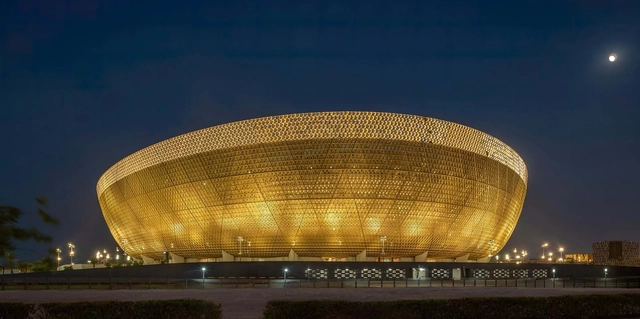
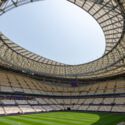
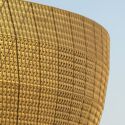
The Lusail Stadium, the largest stadium in Qatar and the centerpiece venue for the FIFA World Cup Qatar 2022™, is now open to the public. On 9 September, the stadium hosted the Lusail Super Cup final between Al Hilal SFC and Zamalek, an event seen as the precursor to the FIFA World Cup Qatar that will be played later this year. Located in Lusail City, 15 kilometers north of Doha, the 80,000-seat stadium aims to create an immersive atmosphere for both players and spectators. The building was designed with Foster + Partners’ joint venture partner Arup, and sports specialist Populous.