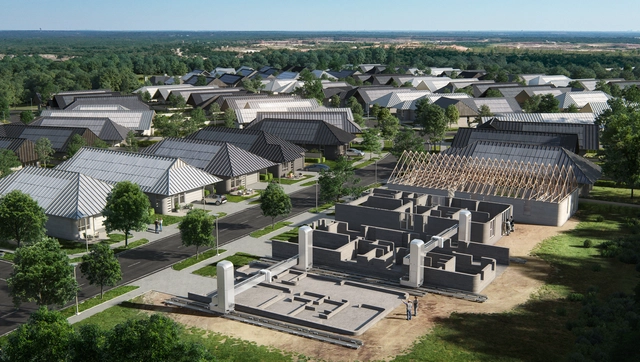
Homebuilding company Lennar and construction technologies company ICON are collaborating with BIG-Bjarke Ingels Group to build the largest community of 3D-printed homes to date. The 100-home neighborhood in Austin is expected to break ground in 2022 and will combine ICON’s innovative robotics, software, and advanced materials with BIG's designs.
Courtesy of Bucharest Studio's Big Fuse Valley Animation on Youtube
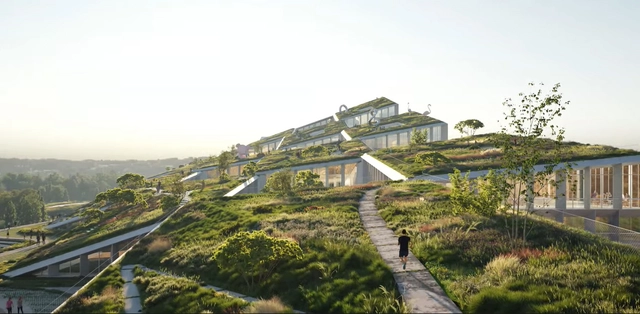
BIG has collaborated with global technology platform for luxury fashion Farfetch and Portuguese real estate developer Castro Group to create "Fuse Valley", a purpose-built urban fashion village on the slopes of the Leça River in Porto, Portugal. The platform's newly unveiled HQ will feature 12 uniquely-designed interconnected buildings that represent the different elements of the company’s organization. The project is set to break ground by early 2023, and open its doors in 2025.
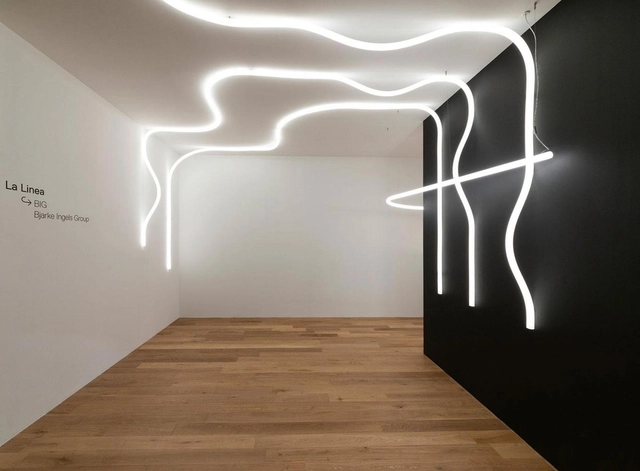
After a year-long absence, Milan Design Week has wrapped up yet another year of creativity and innovation. From the 5th to the 10th of September, thousands of design companies displayed their creations to more than 200,000 visitors hailing from different countries, demographics, and industries. And while the design fair gravitated towards the world of interior design, many renowned architects such as Bjarke Ingels, Foster + Partners, and Herzon & de Meuron participated in the week-long exhibition and joined forces with interior and furniture design brands to create signature pieces.
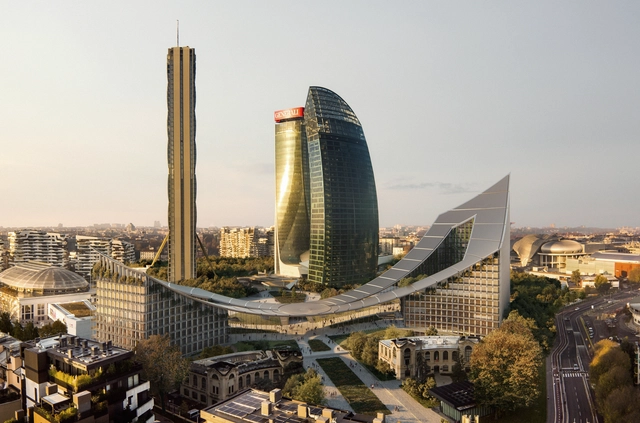
Work on Bjarke Ingels Group's gateway for Milan's CityLife district has officially commenced. The new-generation office building marks the completion of the CityLife area in the Italian city, an urban regeneration project that has been restored to provide a livable environment characterized by sustainability, improved quality of life, and all-inclusive services. The structure is set to "stand as a new paradigm for the offices of the future, as the outcome of a new idea of workplace based on innovative design solutions that put quality of life at the center and redefine the concept of sustainability".
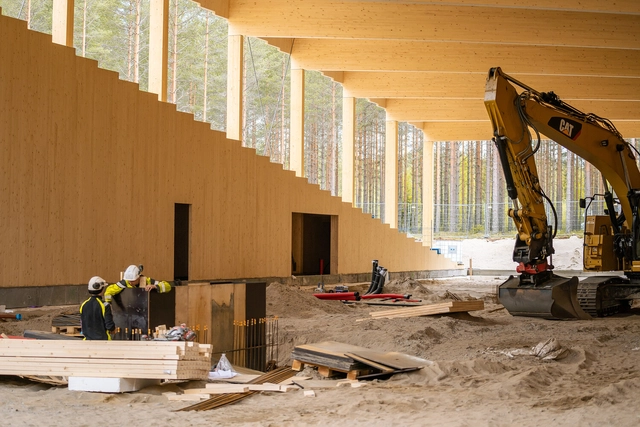
Construction is underway at Vestre's new facility designed by BIG, set to become the world's most sustainable furniture factory through carbon-neutral fabrication processes and the use of renewable energy. Called the Plus and placed within the Norwegian forest, the project will be an example of efficient manufacturing, using Industry 4.0 solutions, while also developing Magnor as a tourist destination through its attractive design.
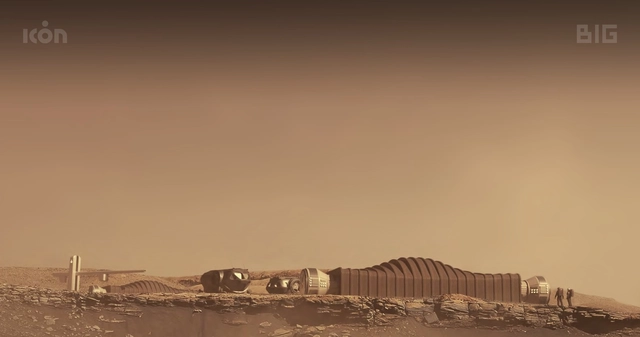
Bjarke Ingels Group has collaborated with NASA and ICON to create Mars Dune Alpha, a 3D-printed research habitat that will provide long duration habitation for astronauts on missions to Mars. The 1,700 sq.ft. structure, which is currently located at the Johnson Space Center in Houston, Texas, is designed by the award-winning architecture firm, 3D printed by construction developers ICON, and will soon be home to NASA's future crew.
In May, aec+tech hosted an event on Clubhouse discussing how architects are using generative design in architecture firms today and towards the future. Five guest speakers from reputable architecture and tech start-ups —Zaha Hadid Architects, BIG, Outer Labs, 7fold, and RK Architects— joined the session to share their experiences and insights.
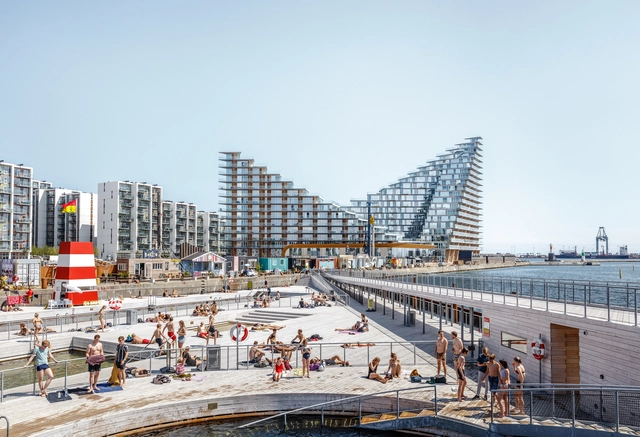
AARHUS, Image by Rasmus Hjortshoj . Image Courtesy of BIG
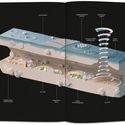
"The future is already here, it's not just very evenly distributed". Starting off with this William Gibson quote, BIG’s latest publication Formgiving looks at the past and present in order to determine the future. Talking of predictions that aren’t so far down the road, but rather than could occur in 5, 10, or 50 years, the book seeks to “give form to the future”, or to what has not taken shape yet.
ArchDaily had to chance to interview Kai-Uwe Bergmann, Partner at BIG-Bjarke Ingels Group, and discuss not only the firm’s latest manuscript but the trilogy of publications: Yes is More, an “Archicomic on Architectural Evolution”, Hot to Cold an “Odyssey of Architectural Adaptation”, and Formgiving, an “Architectural Future History”.
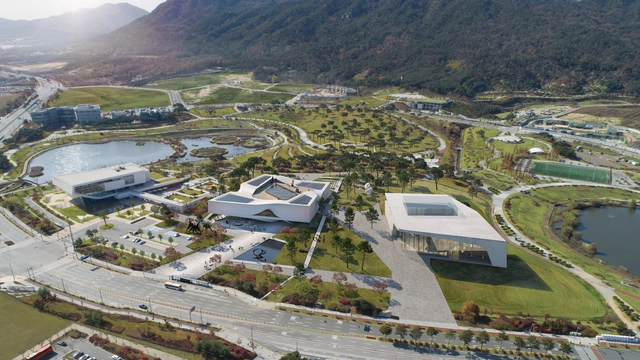
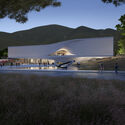
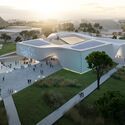
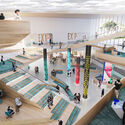
UNStudio and South Korean design firm DA Group have been selected to design the Chungnam Art Museum in Naepo, South Korea. The proposal will provide an immersive cultural experience, with a strong focus on the interaction between art and the public. In addition to creating an assemblage of technology and art, the project will serve as a social anchor for the local community, a space defined by notions of flexibility and “art for all”.
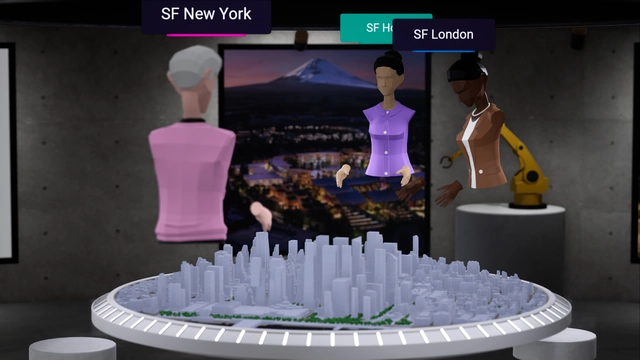
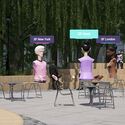
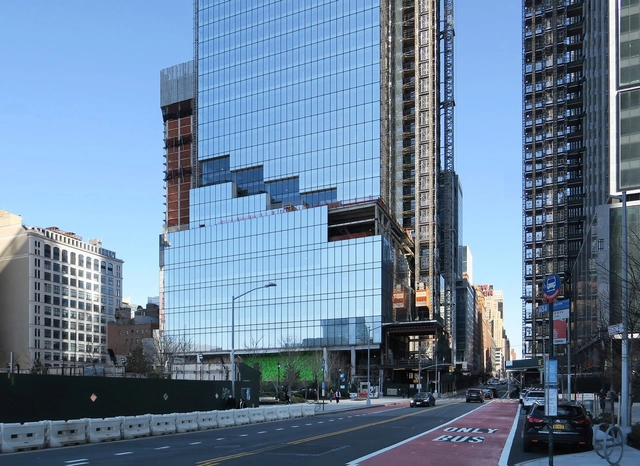
UNStudio and Bjarke Ingels Group have partnered up with Squint/Opera to develop SpaceForm, a virtual, cloud-based platform that facilitates design, review and collaboration processes for architects and developers. The new virtual workspace explicitly developed for the architecture and construction industry aims to fill a gap by creating a viable and sustainable way of collaborating and designing remotely across global teams, thus reducing the need for travel.
If we ever wonder what the future could look like, all we have to do is take a look into our past, and observe how far we have come since thousands, a hundred, or even ten years ago. Life was radically different back then and it will be just as different in the future. And since we are well aware that the future merely resembles the present, we have the possibility to shape our future the way we want to. TASCHEN's latest BIG book installment Formgiving. An Architectural Future History explores the past, present, and future, drawing a timeline of the built environment from taking shape to giving form.
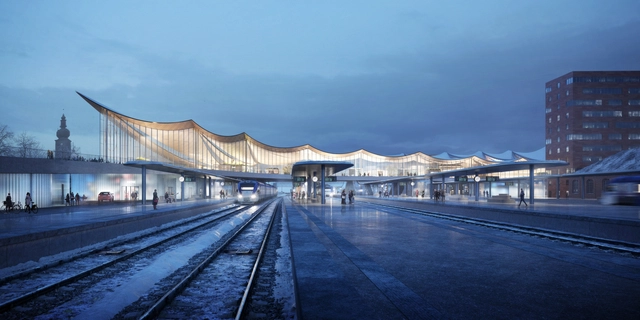
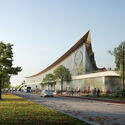
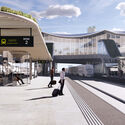
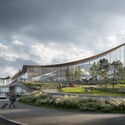
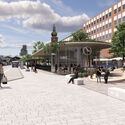
Bjarke Ingels Group has unveiled the final design for Västerås Travel Center, a transport infrastructure hub bringing together multiple travel modes within one cohesive architectural object. The project's defining feature is a light, undulating roofscape unfolding across the various complex elements of the program that make up the urban node, creating a new landmark for one of Sweden's largest cities.
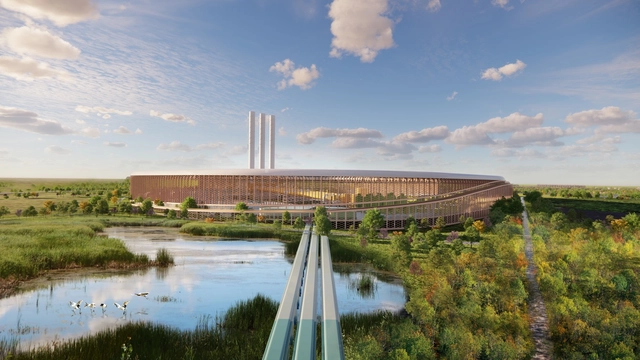
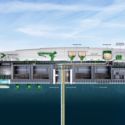
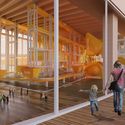
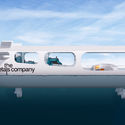
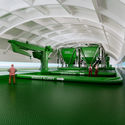
Award-winning architecture firm Bjarke Ingels Group has collaborated with lower-impact battery metals developer The Metals Company to reimagine a traditional metal production facility in a new contemporary and sustainable context. The firm designed a circular zero-solid-waste metallurgical plant that includes manufacturing, processing, and storage facilities, along with offices, visitor centers, and innovation facilities.
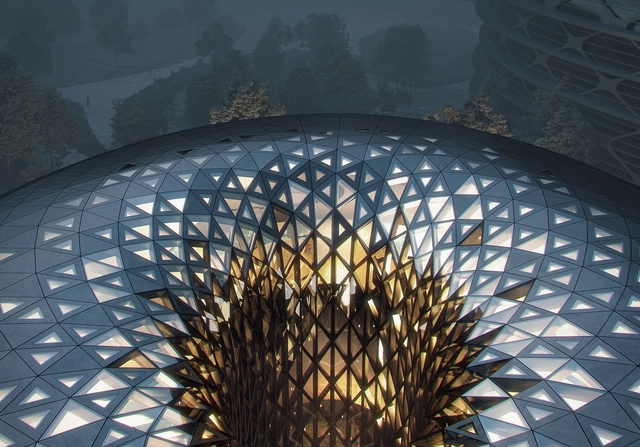
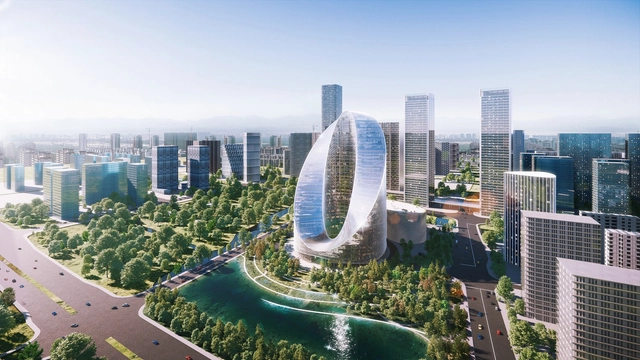
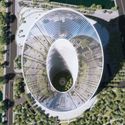
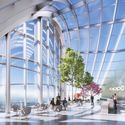
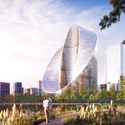
Nestled in the heart of Yuhang District, Bjarke Ingels Group’s design for the new OPPO R&D Headquarters, China’s largest smartphone company, combines aesthetics and innovative technology in a building that will be an environmental, economical, and socially sustainable hub for innovation.
February 2021 has been a historical month for Mars exploration. While humans have been exploring the red planet for well over 50 years, first landing on its surface in 1971 and then launching the first successful rover in 1997, this year has seen several firsts, namely the first time that three countries (China, United States, and the UAE) have launched three simultaneous probes.
SPACE10 and EFFEKT Architects . Image Courtesy of Space 10- The Ideal City
The world is constantly changing, and our built environment is continuously evolving and adapting. As we find ourselves immersed with challenges, experts and thinkers are re-examining the approaches humanity has adopted so far, in order to set new ideas for a better tomorrow.
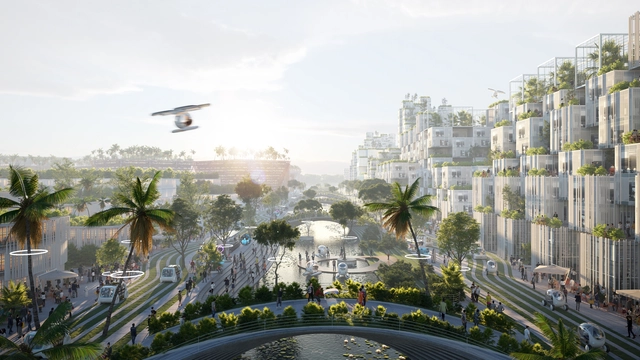
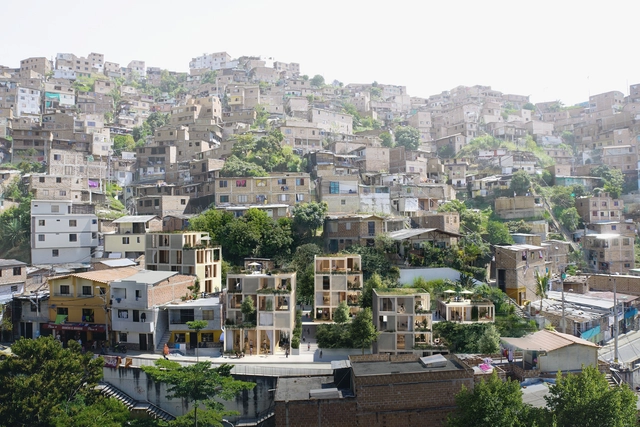
“Cities are at the heart of the problem, and therefore also at the heart of the solution." Space 10, a research and design lab centered on people and the planet, has just released its latest publication, The Ideal City, in collaboration with gestalten. Gathering insights from around the globe, the book rethinks cities, investigating how to create spaces that support the well-being of the residents and contribute to a better world. Compiling projects and expert opinions, it highlights 5 main pillars that help in shaping the future of the urban realm.
Sou Fujimoto. Image Courtesy of Sou Fujimoto Architects
After MAD’s Wormhole Library, the city of Haikou revealed a pavilion by Sou Fujimoto Architects. Scheduled for the end of spring, the ribbon-like white pavilion with an accessible roof will be one of the first public waterfront interventions to be completed in the spring of 2021. Shaping the future of Haikou city and Hainan Free Trade Port, the master plan of 16 permanent destinations re-imagines the future of coastal living.




.jpg?1632815641 "© Lucian R, courtesy of BIG – Bjarke Ingels Group")

.jpg?1632815654 "© Lucian R, courtesy of BIG – Bjarke Ingels Group")
.jpg?1632815638 "© Lucian R, courtesy of BIG – Bjarke Ingels Group")



.jpg?1632222873 "El Poris. Image Courtesy of Artemide")






















.jpg?1613994000&format=webp&width=640&height=580)


.jpg?1613994000)

.jpg?1613464686&format=webp&width=640&height=580)
.jpg?1613464615 "Sou Fujimoto. Image Courtesy of Sou Fujimoto Architects")
.jpg?1613464611 "Sou Fujimoto. Image Courtesy of Sou Fujimoto Architects")
.jpg?1613465267 "MAD- Wormhole Library. Image © SAN")
.jpg?1613465249 "MAD- Wormhole Library. Image © SAN")
.jpg?1613464686)