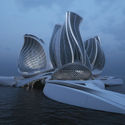
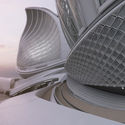
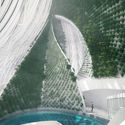
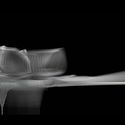
Slovak designer Lenka Petráková has won the 2020 Grand Prix Award for an ocean-cleaning research facility in the Pacific. The "8th Continent" project is a floating station that restores the marine environment by collecting plastic debris from the surface and breaking it down to recyclable material. The plastic recycling center connects with a research and education facility to create an interdisciplinary and sustainable platform for the future.
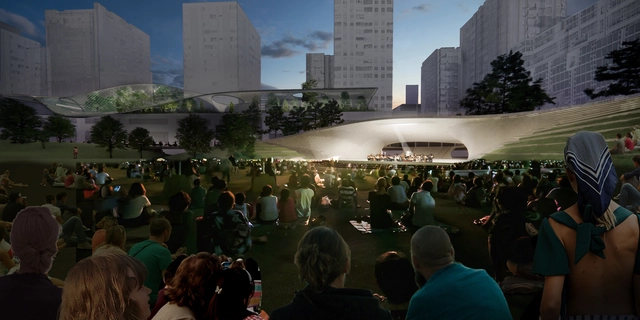
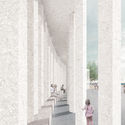
Acoustic Shell for Events at the Central Green from East. Image Cortesía de Equipo de Diseño
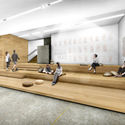
A design team comprised by Diller Scofidio + Renfro, Gustafson Bowman + Porter y B720 Fermín Vázquez Arquitectos has been chosen to lead the transformation of Madrid’s AZCA district.
Alterity is essential to human development. If deprived of a variety of stimuli, the brain is unable to develop, losing plasticity and deteriorating like an atrophied muscle. This reasoning is widely accepted when it comes to social relations or cognitive and physical activities. But what about the stimuli promoted by the built environment?
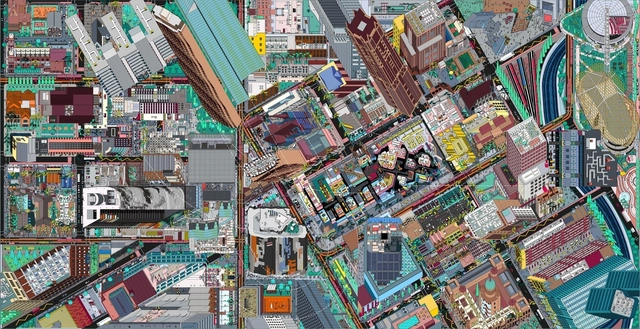
https://www.archdaily.com/956140/the-city-as-a-tile-based-gameMarina Oba, Daniela Moro e Gabriel Tomich
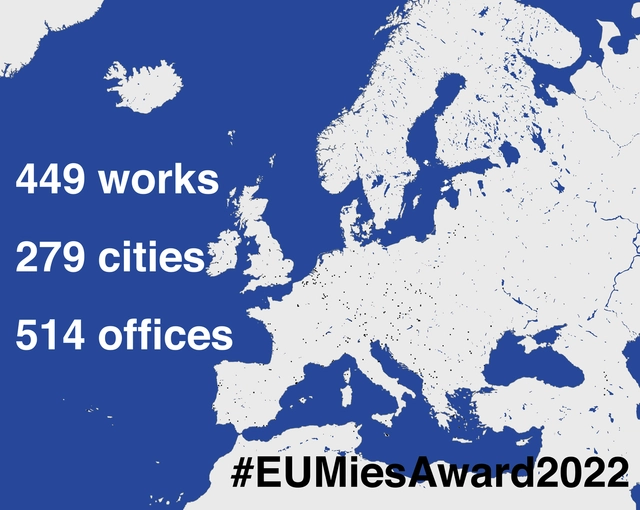
The European Union Prize for Contemporary Architecture, the Mies van der Rohe Award has just announced the first 449 works competing in its 2022 edition. Selected from 279 cities in 41 countries, the projects have been nominated by European independent experts, the national architecture associations, and the Prize Advisory Committee.
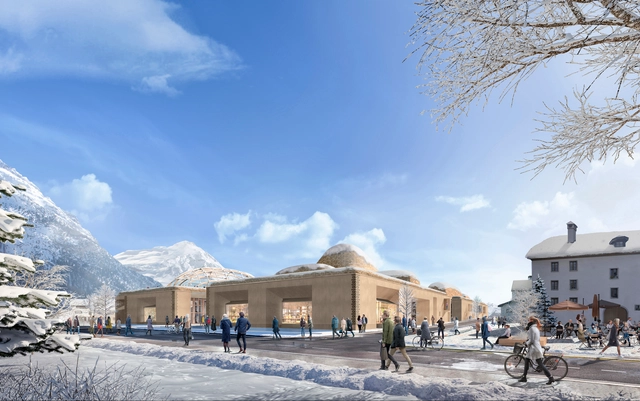
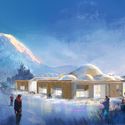
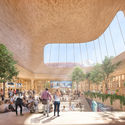
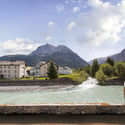
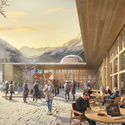
Foster + Partners has revealed images of InnHub La Punt, a new center for innovation in the heart of the Engadin valley, in the Swiss Alps. The 6,000-square-metre project, set for completion in 2022, is comprised of a 3-story building encompassing work and seminar spaces, sports facilities, retail shops, and a restaurant. Based on the idea of the ‘third place’, the intervention creates a space for collaboration and creativity.
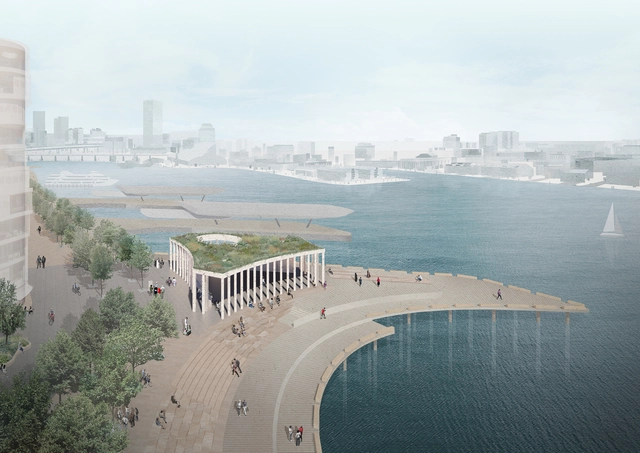
SPRESSER and Peter Besley have won the Sydney Pier Design Competition and will create a pavilion made of recycled oyster shells. As the team explains, the Pavilion references human gathering by the sea; it is designed as a democratic gathering space under a landscape canopy for meetings and events. The Pavilion aims to celebrate elements that compose the site: land, sea and sky.
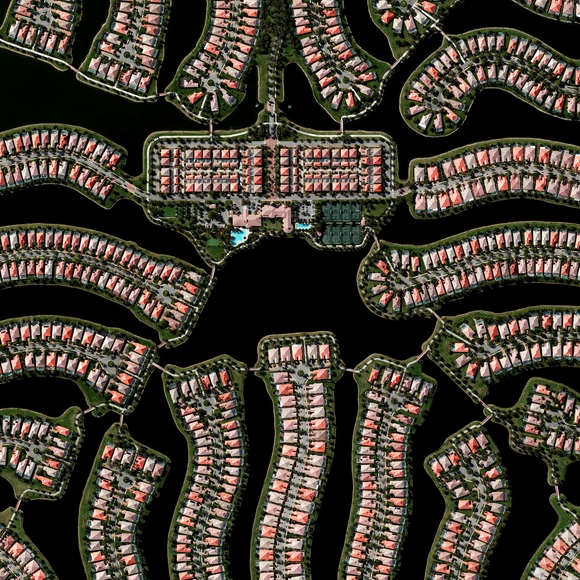
The state of Florida, in the United States, is bordered to the south, east, and west by the Atlantic Ocean, with a coastline of over two thousand kilometers in length, and is characterized by extensive areas of lakes, rivers, and ponds. Land booms during the early and mid-20th century resulted in the development of new communities and the expansion of low-density suburbia across many parts of the state, which frequently incorporated the abundant water resources, sometimes failing in their efforts.
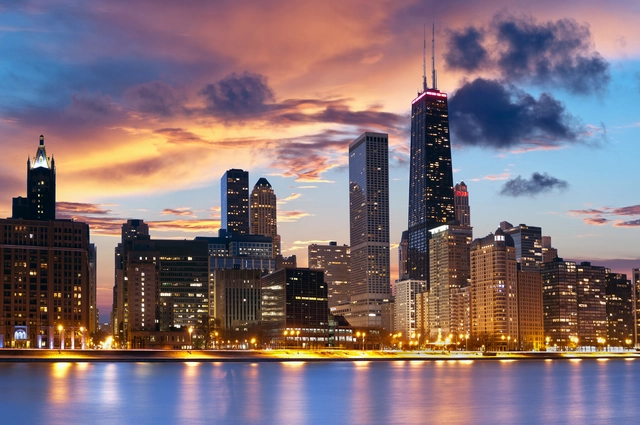
Chicago architecture is empty without Chicago architectural journalism. From the 1880s launch of the black-and-white publication Inland Architect, which covered the rebuilding after the Great Chicago Fire, to a 1985 critique of the James R. Thompson Center by Paul Gapp in the Chicago Tribune titled “Masterpiece or Ego Trip?” which set the course for the public reception of the building, coverage, and criticism of architecture in local newspapers and architecture publications has provided a critical link to how Chicago maintains its reputation as a city of extraordinary architecture. Architectural criticism and journalism have and continue to help Chicago understand how we arrived at this built environment and what the future holds.
https://www.archdaily.com/956076/what-chicago-loses-when-it-loses-an-architecture-criticElizabeth A. Blasius
The Second Studio (formerly The Midnight Charette) is an explicit podcast about design, architecture, and the everyday. Hosted by Architects David Lee and Marina Bourderonnet, it features different creative professionals in unscripted conversations that allow for thoughtful takes and personal discussions.
A variety of subjects are covered with honesty and humor: some episodes are interviews, while others are tips for fellow designers, reviews of buildings and other projects, or casual explorations of everyday life and design. The Second Studio is also available on iTunes, Spotify, and YouTube.
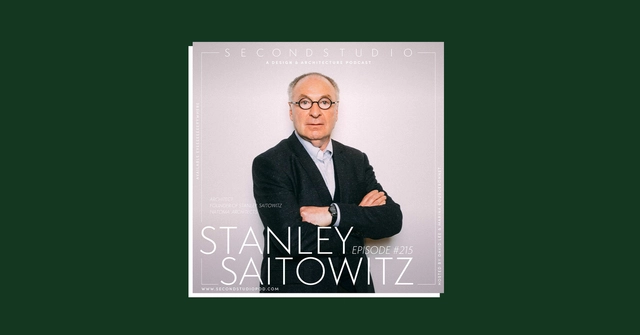
This week David and Marina are joined by architect Stanley Saitowitz to discuss his design philosophy, office, upbringing in South Africa, and education and how he ended up in San Francisco, why the practice of architecture is much more challenging today, how architecture relates to cities, and more. Enjoy!
https://www.archdaily.com/955965/stanley-saitowitz-architecture-is-not-all-about-my-taste-versus-yoursThe Second Studio Podcast
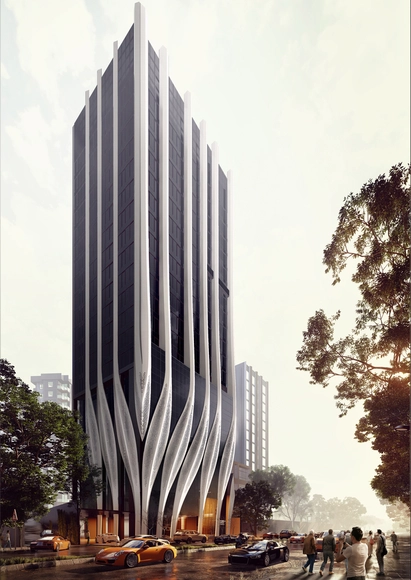
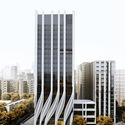
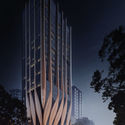
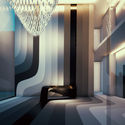
In the dense urban fabric of India’s Mumbai, Studio Symbiosis upgraded the ID Origins Headquarters into a new visual marker of the city, using organic strokes to merge old and new into one revitalized project. The HQ has been under construction since October 2019 and is a historic landmark for the company, as it was where the owners first initiated their business in the 1980s. The 18,750 sqm project was awarded the WA World Architecture Community Awards for its unique design approach.
As long as cities have been around, there’s been one pressing question central to their future: “What makes urban areas desirable?” Over half of the world’s inhabitants live in cities and that number is projected to climb over the next decade with more than 5 billion people inhabiting urban cores globally. To prepare for this demand, cities are finding ways to be more desirable, draw in talent, and entice both big and small businesses, all while finding more ways to create equitable living opportunities for all.
Courtesy of DILLER SCOFIDIO + RENFRO AND STEFANO BOERI ARCHITETTI
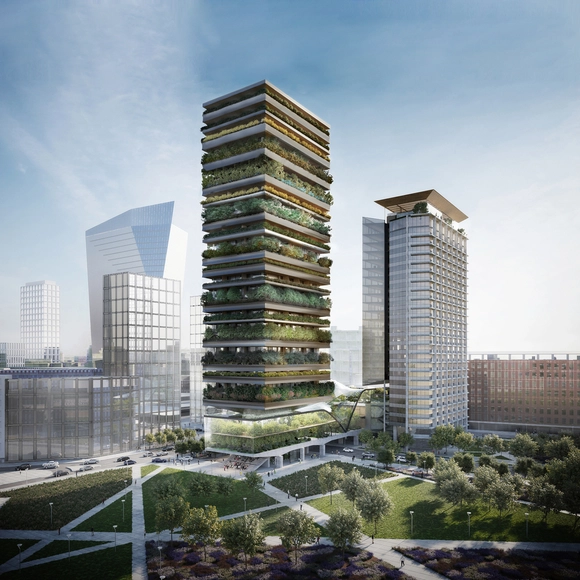
Diller Scofidio + Renfro (DS + R) and Stefano Boeri Architetti have won the international architectural competition for the renovation of Pirelli 39 in Milan. Launched on 25 November 2019, the contest organized by COIMA SGR and the municipality of Milan, gathered 70 submissions made up of 359 studios from 15 countries.
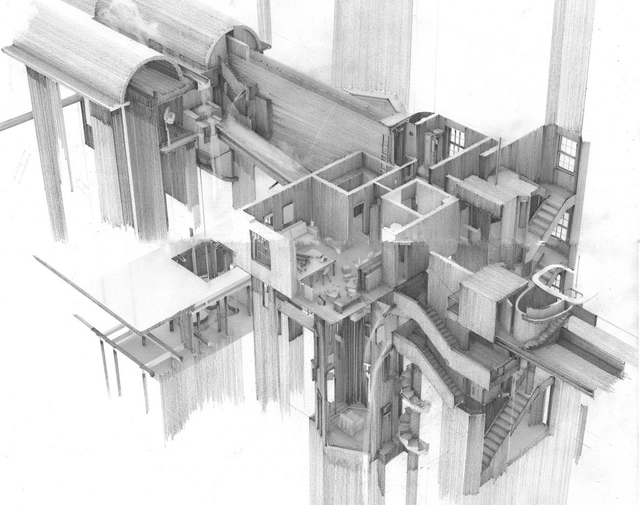
Hybrid Category - Apartment #5, a Labyrinth and Repository of Spatial. Image Courtesy of World Architecture Festival
The World Architecture Festival has announced the winners of the Architecture Drawing Prize 2020. Entries were chosen in the Digital, Hand-drawn and Hybrid categories. The contest included 165 entries from 30 countries, and the 2020 competition also introduced the ‘Lockdown Prize’ focusing on the global pandemic, awarded to a drawing related to the architectural changes brought by the coronavirus.
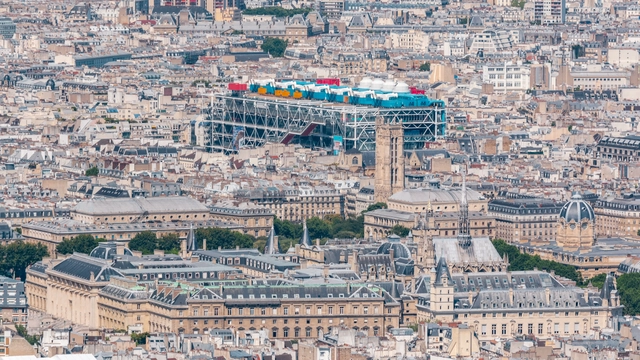
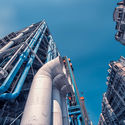
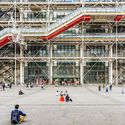
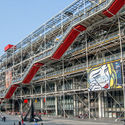
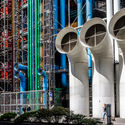
The Centre Georges Pompidou in Paris, France, known also as Beaubourg, is set to undergo major renovation works. Designed in the 1970s by architects Renzo Piano and Richard Rogers, and inaugurated in 1977, one of the capital’s leading cultural attractions is scheduled to be closed completely as of the end of 2023 until 2027. Showing signs of aging, especially when it comes to the heating and cooling system, escalators and elevator malfunctions, and asbestos that must be removed, this is not the inside-out museum's first revamp, in fact, it was closed down once before in 1997, during its 20th anniversary, for a couple of years.
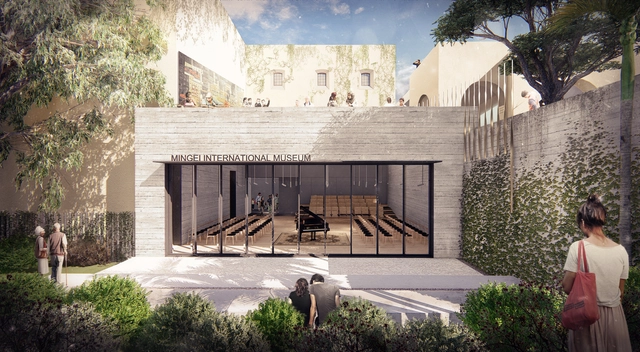
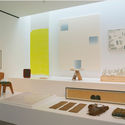
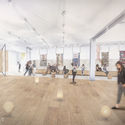
Jennifer Luce, principal and founder of LUCE et Studio Architects has shared her vision for the Mingei International Museum renovation in San Diego. The design is featured in a video by Jeff Durkin of Breadtruck Films. The Mingei is a nonprofit that collects, conserves and exhibits folk art, craft, and design objects in Balboa Park. During the building’s centennial, a $55 million campaign began to renovate the structure.
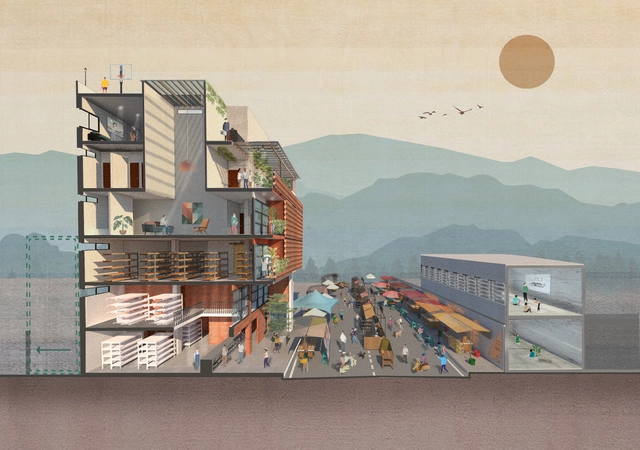
ArchDaily is continuing a six-year-long tradition of celebrating the best architecture drawings of the year. The 2020 edition highlights a carefully-curated collection of architectural drawings and visualizations with a wide variety of techniques and representations, all orientated towards a common goal of sharing ideas, visions, and designs.
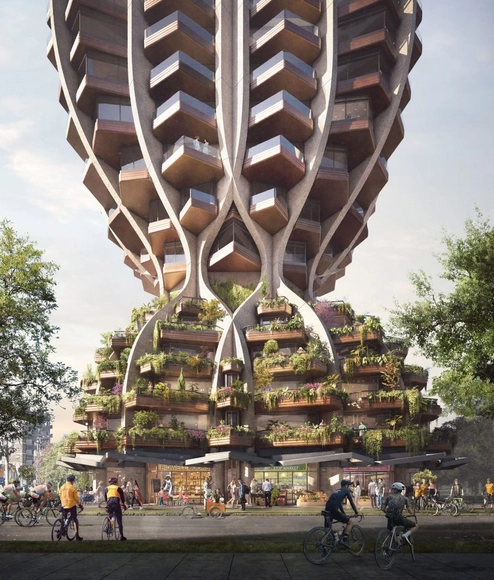
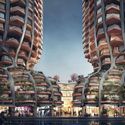
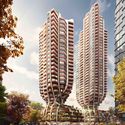
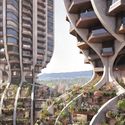
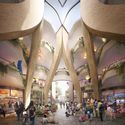
Heatherwick Studio has shared plans for a pair of residential towers in Vancouver, Canada. The "curvaceous" skyscrapers were designed for Kingswood Properties and Bosa Properties in the city's West End neighborhood. Inspired by tree-like forms, the towers aspire to create a "new level of global design excellence" that emerges from a ground level plaza. The two towers would rise between 30 and 34 stories tall in height, and would feature views across the city and Vancouver Harbor.
In our increasingly urbanized world, everything and everyone has adopted a lifestyle of nomadism. New environmental and social constraints have forced people to have a constant "on-the-go" behavior, so much so that almost everything has acquired wheels, even the buildings. But with the rise of debates like "is humankind being replaced by robots?" and "is technology taking over?", urban mobility has helped give access to housing, healthcare, and education in places with extreme difficult conditions.
To shed the light on globally-thriving mobile activities, the France-based Institut pour Ville en Mouvement, or City on the Move Institute, is an organization that has been addressing the challenges posed by urban mobility and contributing to the emergence of innovative solutions. In a series of short Youtube clips, the organization invited experts in the fields of architecture, urban planning, and technology to share their insights on the future of urban mobility.