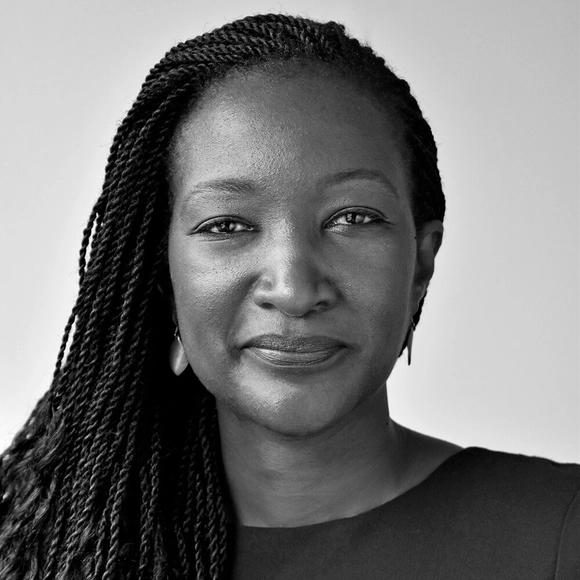
Doreen Adengo. Image Courtesy of Adengo Architecture
Doreen Adengo, architect from Kampala, Uganda has passed away, as reported by African Futures Institute’s Instagram Account, after a long battle with cancer. Founder of Adengo Architecture in 2015, a research-based multi-disciplinary practice operating out of her hometown Kampala, Doreen, a registered architect in the United States and Uganda, had earned her undergraduate at the Catholic University (Bachelor of Science in Architecture) and graduate studies at Yale (Masters of Architecture). She has taught at The New School and Pratt Institute in New York, the University of Johannesburg’s Graduate School of Architecture, and was currently teaching at Uganda Martyrs University. In celebration of International Women’s Day 2022, Doreen Adengo was recognized by ArchDaily as one of the established practitioners implicated in change.
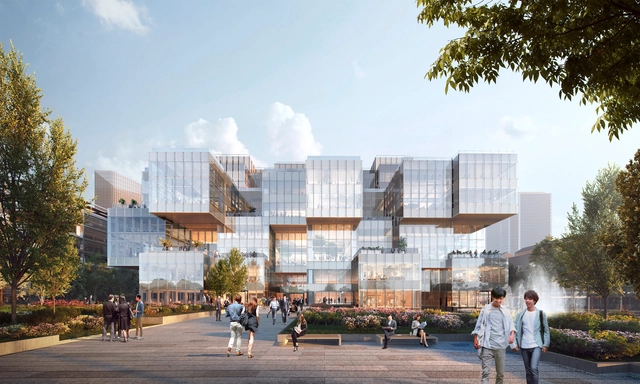
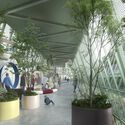
Skidmore, Owings & Merrill (SOM) has unveiled a dynamic, user-controlled headquarters for Chinese multinational technology company Alibaba's Xuhui District campus in Shanghai. Located in one of the city's premiere arts and innovation districts, the new workplace transforms the typical headquarters building “inside out”, highlighting the company’s "collaboration and creativity". The building's architecture is designed to resemble a cloud, symbolizing the company's digital presence in the Cloud, as well as the technology industry’s shifting skies of innovation.
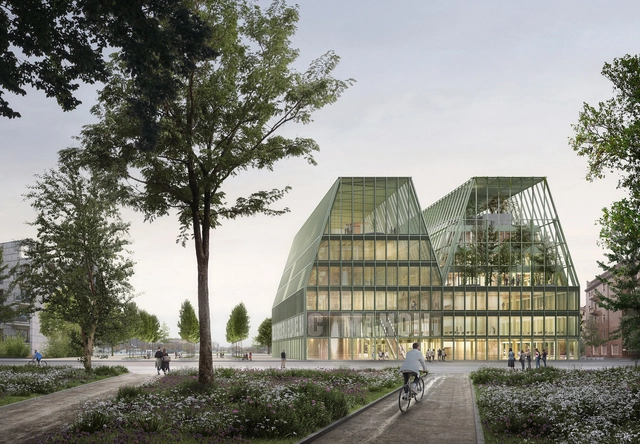
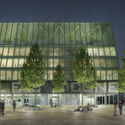
The municipality of Milan has announced the results of the competition to design the new European Library of Information and Culture (BEIC) in Milan, Italy. The winning team is composed of Onsite Studio, baukuh, Yellow Office, SCE Project, Studio Mistretta, Starching, Stain Engineering, Dotdotdot, (ab)Normal, Atmos Lab. The new building, situated in the Porta Vittoria area of Milan, aims to go beyond the traditional functions of a library to become a laboratory for the tools necessary to create contemporary culture.
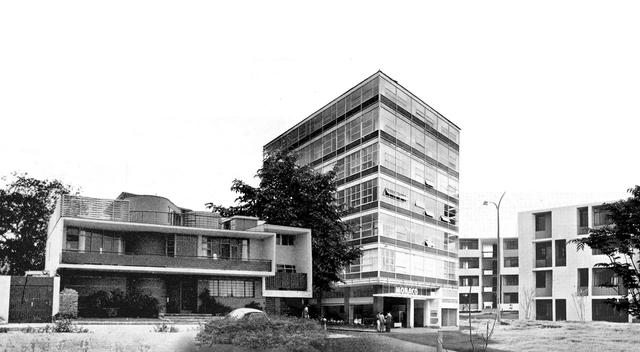
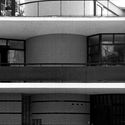
During the first decades of the twentieth century, when a traditional architectural outlook of classical languages and order still ruled, the architect Luis Miró Quesada Garland (1914-1994) was a fundamental precursor to the change of mentality that would lead Peru towards a contemporary and modern architecture.
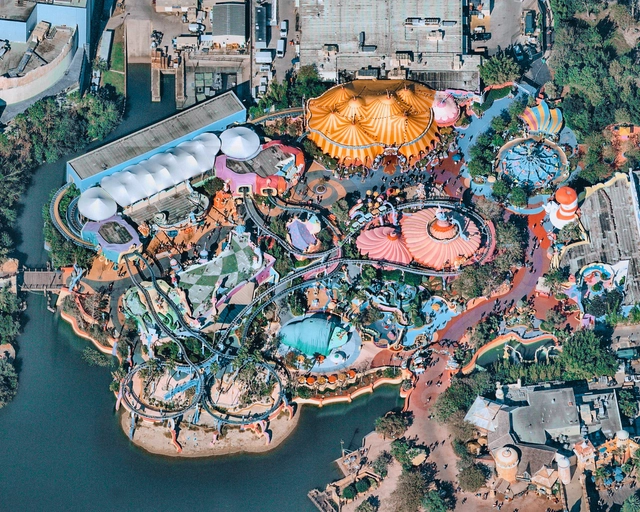
Throughout history, humans have always craved a sense of thrill and an affinity for different forms of entertainment and attraction at all different scales and sizes. Theme parks have continuously evolved, as society redefines what it means to be entertained, and have transformed from evening strolls into physics-defying twists and turns on state-of-the-art rollercoasters.
As engines of the economy and production, cities are home to the largest masses of people and it is estimated that by 2050, they will be home to 70% of the world's population. In this context, architects are incorporating the articulation of mixed uses in their buildings on a daily basis, seeking to encourage diversification and avoid mono-functionalisation.
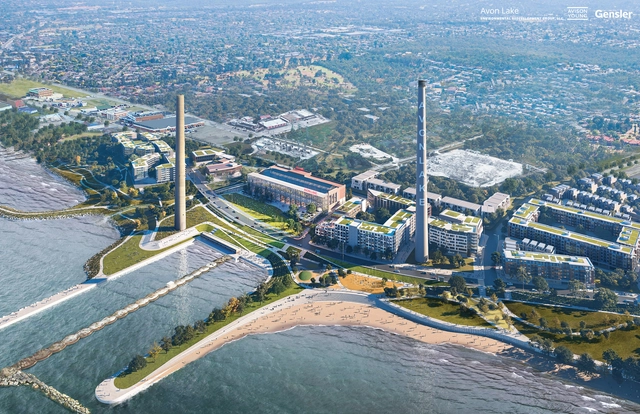
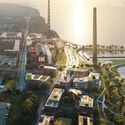
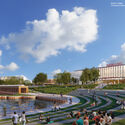
Gensler, in partnership with Avon Lake Environmental Redevelopment Group (ALERG), City of Avon Lake, and Avison Young, have presented initial redevelopment plans for the environmental remediation and sustainable redevelopment of the historic Avon Lake Generating Station in Avon Lake, Ohio. The redevelopment scheme will serve as an opportunity to reframe the former coal-fired powerplant site into a regional attraction while restoring the lakefront ecosystem.
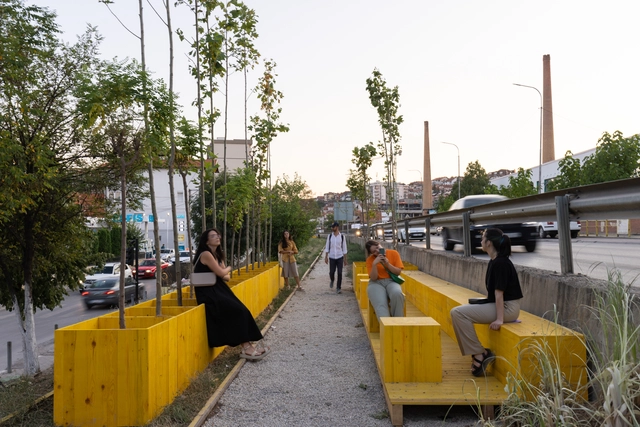
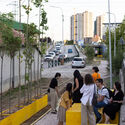
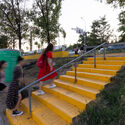
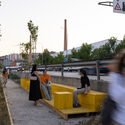
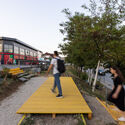
Design and innovation office CRA - Carlo Ratti Associati unveils the result of its Urban Vision and Urban Program for Manifesta 14, the European Nomadic Biennial in Prishtina, Kosovo, between July 22 and October 30, 2022. CRA’s project proposes a new methodology for reclaiming public space in the city. It starts with a series of open-ended design interventions to encourage citizen participation and foster feedback loops to create long-term effects on the built environment. During the 20th century, regime changes and political clashes brought considerable turbulence to Kosovo and its cities. As a result, Prishtina currently suffers from a substantial shortage of public space, but a large group of disenfranchised residents is eager to reverse this situation.
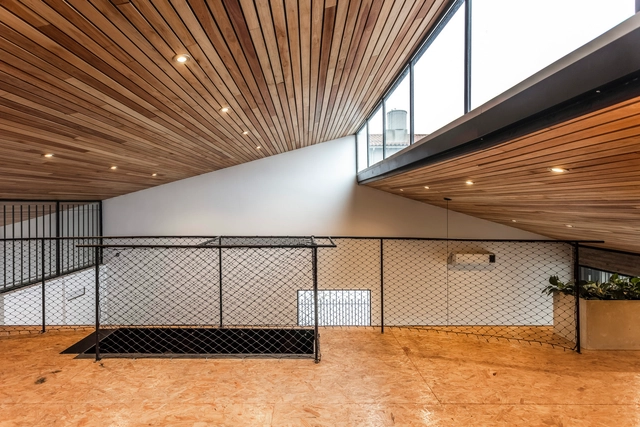
Depending on the aesthetics of a space, the economy of the materials or even their long-term maintenance, there are various types of ceilings that are capable of meeting the technical and functional needs of architectural projects. Regardless of their manufacturing method, whether industrialised or handcrafted, ceilings represent a constructive element that constitutes the finish or interior cladding of roofs.
Extreme natural events are becoming increasingly frequent all over the world. Numerous studies indicate that floods, storms, and sea-level rise could affect more than 800 million people worldwide, ultimately costing cities $1 trillion per year by the middle of the century. This suggests that urban survival depends on addressing urban vulnerability as a matter of urgency to protect the city and the population.
The Second Studio (formerly The Midnight Charette) is an explicit podcast about design, architecture, and the everyday. Hosted by Architects David Lee and Marina Bourderonnet, it features different creative professionals in unscripted conversations that allow for thoughtful takes and personal discussions.
A variety of subjects are covered with honesty and humor: some episodes are interviews, while others are tips for fellow designers, reviews of buildings and other projects, or casual explorations of everyday life and design. The Second Studio is also available on iTunes, Spotify, and YouTube.
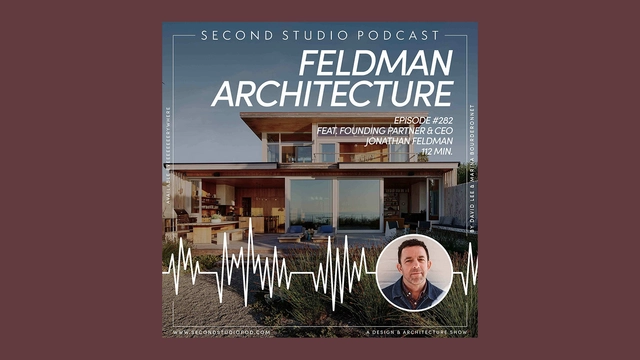
This week David and Marina are joined by Jonathan Feldman, Architect, and Founding Partner and CEO of Feldman Architecture to discuss studying astronomy and English prior to architecture; taking on new clients; his office’s beginnings and evolution; key ideas for implementing sustainable design; and more.
https://www.archdaily.com/985829/the-second-studio-podcast-interview-with-jonathan-feldmanThe Second Studio Podcast
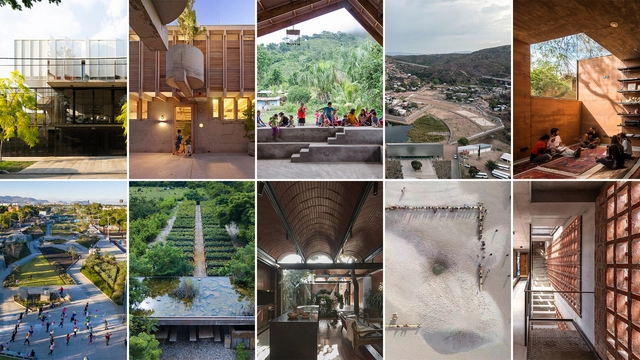
After a two-year suspension due to the COVID-19 Pandemic, the Mies Crown Hall Americas Prize has announced that 10 projects designed by emerging practices in the Americas have been shortlisted for the 2022 MCHAP.emerge.
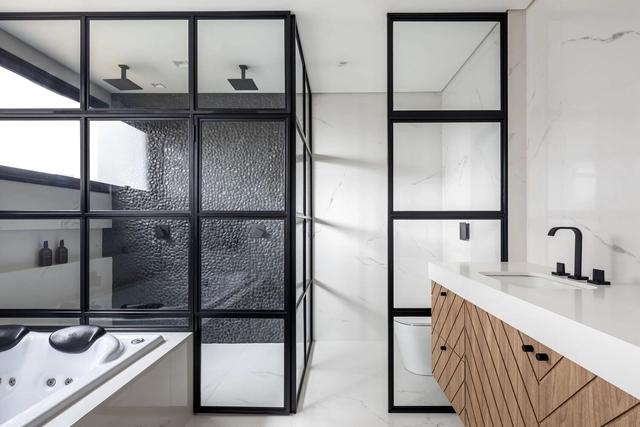
Although the design and layout of bathrooms we use nowadays date back millennia, they are still considered as one of the most difficult to design and renovate. During the earliest stages of planning a bathroom, there are plenty of rules of thumb to follow, especially since it involves a lot of association and "pre-planning" with plumbing, electrical circuits, angular or uniquely-shaped fittings, and small floor areas. We will explore the basics of bathroom plumbing and where to allocate each fixture to optimize the bathroom's layout, facilitating your DIY remodel project or creating the space from scratch.
Skidmore, Owings & Merrill (SOM) and Egypt-based Raafat Miller Consulting (RMC) have been selected by OSL for Entertainment Projects to reimagine the visitor experience at one of the Seven Wonders of the World, the historic Pyramids and the Sphinx of Giza, Egypt. SOM will serve as lead designer of the project's concept, design, and masterplan, which will feature the transformation of the existing show facilities into a world-class visitor experience with a program that ensures environmental and preservation measures.
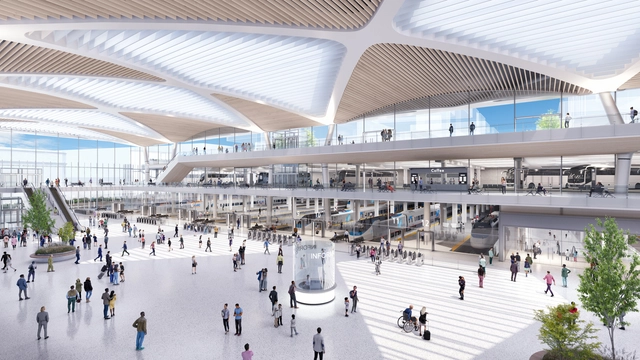
Architecture practice Grimshaw, in collaboration with Beyer Blinder Belle, Arup, and VHB, has revealed designs for the Washington Union Station Expansion Project (SEP) in Washington DC, USA. The project will ensure the preservation of the historic station and will improve access to the existing railway services, Metrorail, DC Streetcar, and bus services. The expansion aims to become a multi-modal transportation hub for the district adjacent to the historic station. In addition, the SEP will incorporate enhanced vehicle access and cycle and pedestrian routes.
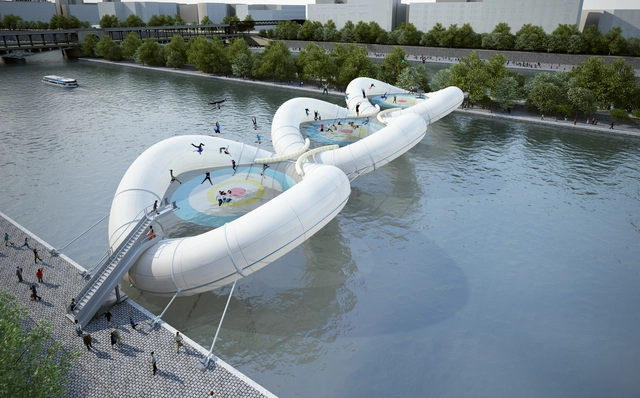
Trampoline Bridge / AZC Architects. Image Courtesy of AZC Architects
Humane cities center around the relationships between people and places. Communities thrive on shared resources, public spaces, and a collective vision for their locality. To nurture happy and healthy cities, designers and the public apply methods of placemaking to the urban setting. Placemaking—the creation of meaningful places—strongly relies on community-based participation to effectively produce magnetic public spaces.
The urgency to reduce greenhouse gas emissions has never been greater, and getting there is going to require bold steps for buildings, infrastructure, and communities. Incremental reductions are not enough; we need to focus on full decarbonization, which means removing carbon emissions caused by our built environment.
These big changes in the way energy is generated and used will raise important questions about who benefits and who pays. Technology-focused incentive programs can wind up leaving our most vulnerable communities behind, exacerbating a legacy of underinvestment and health disparities, while also failing to reach the essential goals of a complete energy transition. Instead, we need holistic solutions that put disadvantaged communities first and transition buildings that would otherwise be left out, leading to bottom-up market transformation that benefits everyone.
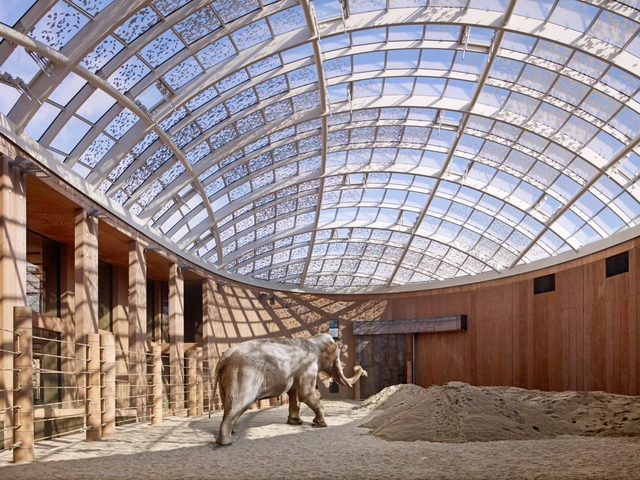
Architecture is created for people, but how do we design beyond the human scale? With a renewed interest in biodiversity and animal habitats accelerated by the climate crisis, there is also the question of shelter and what it means to design spaces for interaction and rehabilitation. As architects look beyond structures for people, they are turning their attention to different kinds of enclosures and open spaces that rethink engagement with animals and their wellbeing.