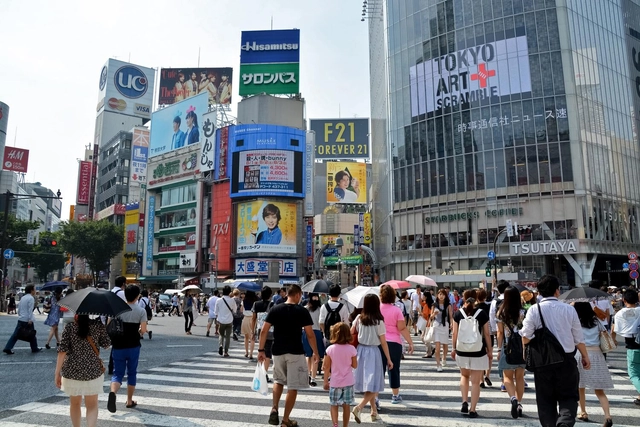
Sensory urbanism is a form of investigation of how non-visual information defines a city's character and affects its livability. Using methods that range from sound tracks and smell maps, wearables and virtual reality, researchers in this area have introduced other senses to urban centers.
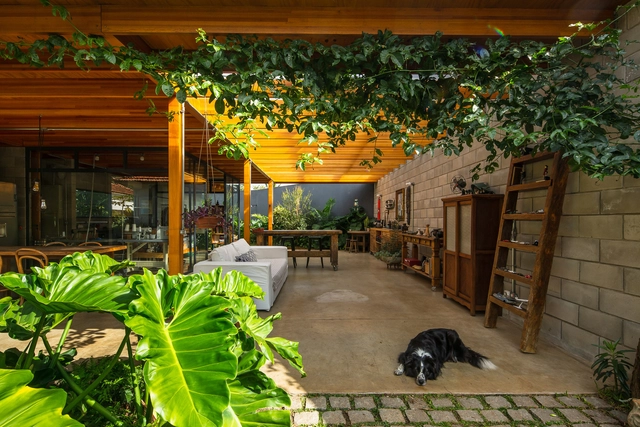
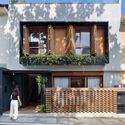
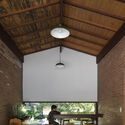
If we previously brought in before and after plans of apartment refurbishments, we now focus on residential projects that have received needed improvements. In addition to the plans, the information contained in the memorial of each project helps to better understand the attitude taken in each architectural design. After all, each work brings with it different demands: deadlines, budgets, legislation and pre-existing conditions.
The Second Studio (formerly The Midnight Charette) is an explicit podcast about design, architecture, and the everyday. Hosted by Architects David Lee and Marina Bourderonnet, it features different creative professionals in unscripted conversations that allow for thoughtful takes and personal discussions.
A variety of subjects are covered with honesty and humor: some episodes are interviews, while others are tips for fellow designers, reviews of buildings and other projects, or casual explorations of everyday life and design. The Second Studio is also available on iTunes, Spotify, and YouTube.
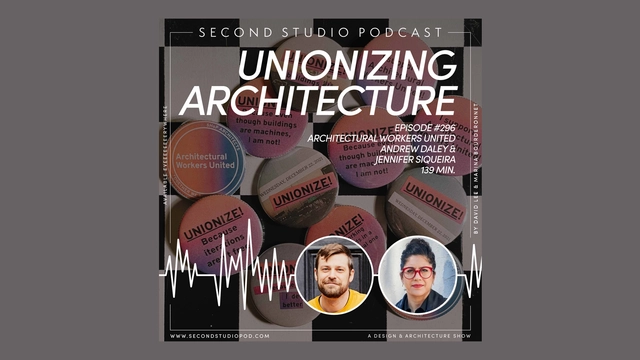
This week David and Marina are joined by Architecture Workers United (AWU) Members Andrew Daley, Associate Organizer at IAMAW and Jennifer Siqueira, Project Architect at Bernheimer Architecture to discuss their involvement with the AWU; the fundamentals of unions and how to start one; the state of unionization in the profession; the pros and cons of forming a union; and more.
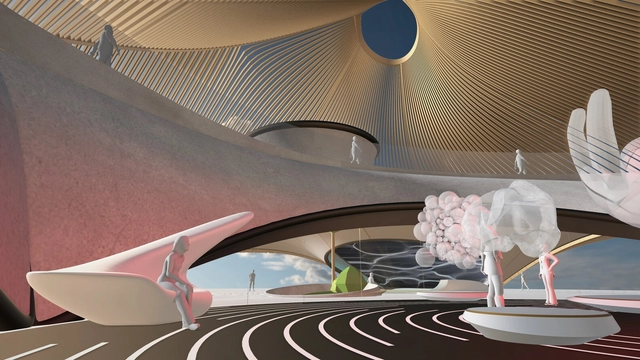
We live in a world where the experienced, remembered, and imagined, as well as different moments in space and time concerning the past, present, and future are inseparably blended. As of recent, we are being offered various mediums to gain access to other planes of existence, utilizing immersive technologies like virtual and augmented reality (VR and AR), creating a pathway to the metaverse in which we are transported to spaces that are capable of feeling more ‘real’ than anything we presently experience.
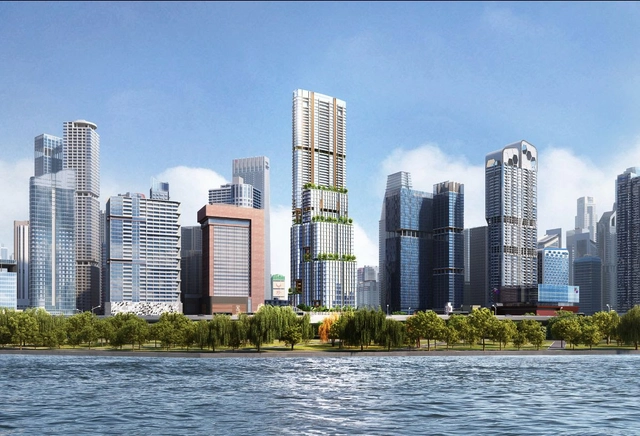
Skidmore, Owings & Merrill (SOM) has revealed the design of 8 Shenton Way, a 305 meters-high tower. Once completed it would become not only Singapore's Tallest Building but one of Asia's most sustainable skyscrapers. The mixed-use tower takes cues from bamboo forests to create an indoor-outdoor vertical community with public spaces, offices, retail, a hotel, and residences. In partnership with DCA Architects, the project is scheduled for completion in 2028 and will become the newest landmark on the Singapore skyline, along with Marina Bay and CapitaSpring Tower.
The 24 shortlisted international projects for airports, university campuses, stations, and sports facilities competing for the Prix Versailles 2022 Awards have been announced. The global finalists in the Shops, Shopping Centres, Hotels, and Restaurants category will also be announced shortly.
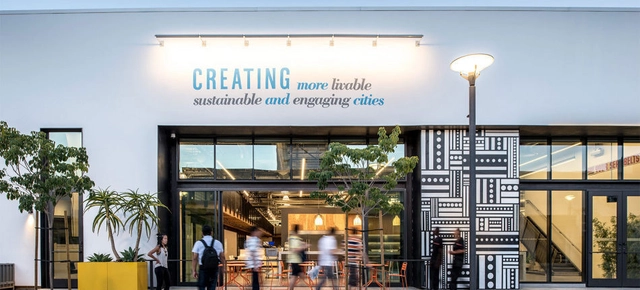
Studio One Eleven converted underutilized retail into their creative work space, for 135 employees; adjacent local and crafted retail can now better flourish. The project spurred the city of Long Beach to rejuvenate Harvey Milk Park, allow for multiple street decks for outdoor dining, and encouraged several high-quality public art installations by POW! WOW!.. Image Courtesy of Los Angeles County Public Library
My first encounter with saving a building landed me in handcuffs and a trip to the Long Beach Police Department. A friend and I were frustrated that our hometown was demolishing good buildings—because they did not conform with the current style of architecture—only to replace them with parking lots! All in the name of “progress.” In 1988, when we learned that the Jergins Trust Building, a Beaux-Arts beauty, was slated to be torn down with no plans for the site, we jumped into action and chained ourselves to the building to stop the wrecking crew. Our efforts kept it up for another four hours. And then it was gone forever.
Linear Suspended Lighting. Image Courtesy of Alcon Lighting
Lighting plays a crucial role in architecture: to allow users to see, safely inhabit spaces, and carry out their daily activities. But its power has long exceeded these basic functions, primarily driven by technological advances and new design trends that have led to greater innovation and creativity. Contemporary lighting design has the ability to completely transform a room, impacting visual comfort and setting the tone by defining volumes, drawing attention to texture and enhancing colors. It can also determine shape and size perception; for example, in a room that is particularly small, having extra lighting reflect off light-colored walls will help the space appear larger. Similarly, light has been proven to affect mood, concentration and overall well-being. Whereas an adequately illuminated environment is associated to warmth and improved energy levels, poor lighting can lead to health deficiencies, including headaches, eyestrain and even depression.
Videos
Screenshot from the movie "Women in Architecture". Image credit: Boris Noir
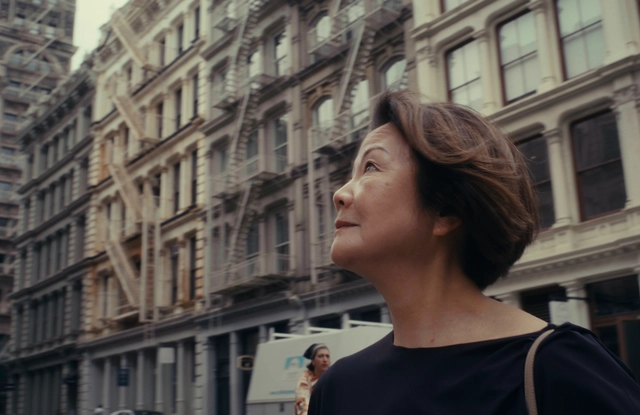
In architecture, context is what concerns human existence in a given place. Climate, culture, geography, and pre-existences, to name just a few. For Toshiko Mori, a Japanese architect based in the United States, context is everything that arouses curiosity about the people we design for. In almost four decades as the head of her office in New York, Mori has had the opportunity to exercise her interest in design practice and academia, managing to build her buildings in contexts as diverse as China, U.S., and Senegal.
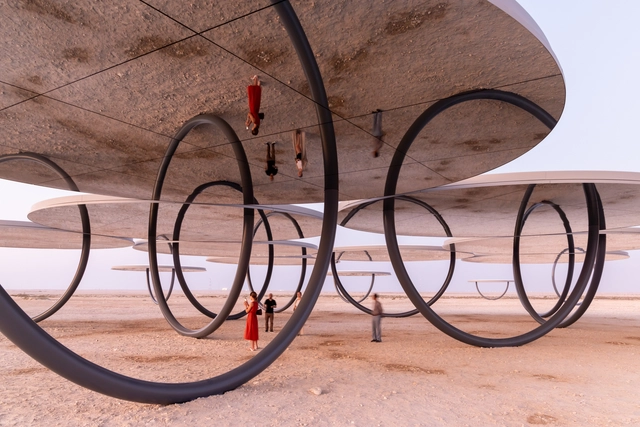
The internationally recognized artist Olafur Eliasson has inaugurated his most recent public art installation in Doha, Qatar. The installation, titled “Shadows Travelling on the Sea of the Day”, can be reached by diving through the rugged desert landscape northwards from Doha, past Fort Zubarah, and the village of Ain Mohammed. The artwork is visible from afar, but it is best experienced when approached on foot. Its hospitable shadows reward the journey.
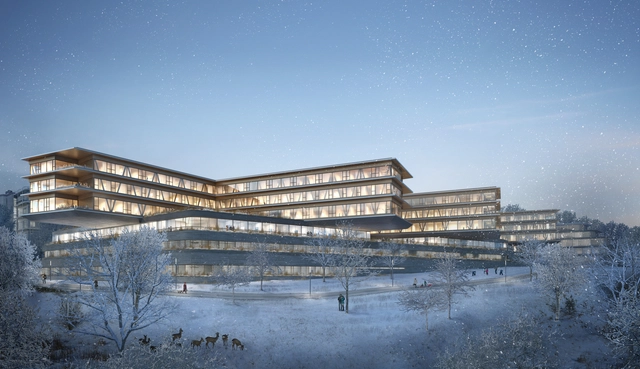
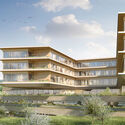
White Arkitekter and HPP Architekten have been selected to design the new medical clinic, NMK, in Tübingen, Germany. Both firms, with vast experience in healthcare design and wood architecture, aim to realize a project in which, the elements of an integral, sustainable overall concept also play an essential role, in addition to the aspects of healing architecture and optimized functional organization. The new Medical Clinic of the University Hospital of Tübingen will be one of the 34 university hospitals in Germany that contributes to the successful combination of high-performance medicine, research, and teaching.
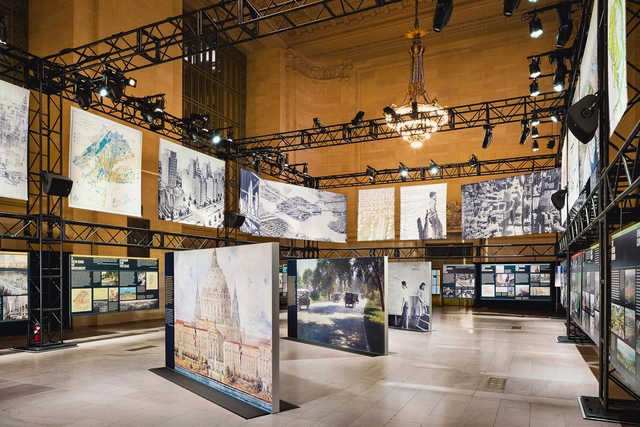
The Constant Future: A Century of the Regional Plan, an October exhibit at Vanderbilt Hall in Grand Central Terminal is a succinct yet gripping display of civic dreams selected from the imagination of the Regional Plan Association (RPA), an independent non-profit that conducts research on the environment, land use, and good governance with the intention of promoting ideas that improve economic health, environmental resiliency, and quality of life in the New York metropolitan area. The occasion is the organization’s centennial, and the show is a testament to its powerful role in developing the tri-state region. Not all of its ideas have been good, but the city owes a debt to the group’s long-term view.
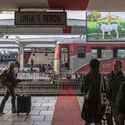
LINIA, a project signed by VICE VERSA Association, is a photographic installation exploring and documenting the stories, and the collective mindset of the territories near one of the most fragile, yet rigid lines in today’s context: the line separating NATO from non-NATO nations. The project, initiated by Dorin Ștefan Adam and Laurian Ghinițoiu, is on display at the Timișoara train station, in Romania, and it represents one of the main exhibitions of the Timișoara 2022 Architecture Biennale, which ran from 23 September to 23 October 2022. The schedule of LINIA has been extended however to remain open to the public until April 23.
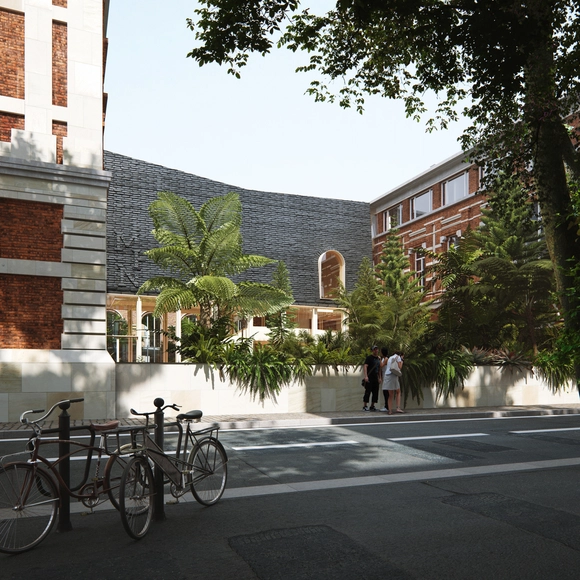
The Natural History Museum Of Lille in France will undertake a significant architectural transformation for its 200th anniversary. Snøhetta, selected to restore and modernize the complex, with a transdisciplinary team featuring the scenographer Adeline Rispal and the landscape architects of Taktyk, imagines a renovation that will support the city's ambition to combine urban renewal with the preservation of the city's historic architecture. Planned for completion in 2025 and with a total of 7,500 m², the restoration will accommodate flexible exhibition areas, more extensive storage, and gardens.
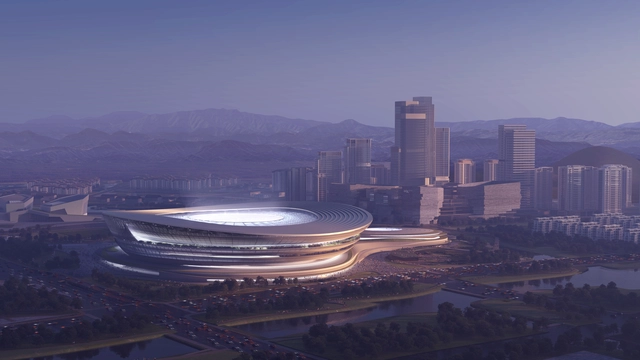
Zaha Hadid Architects has been announced as the winner of the competition to design the new Hangzhou International Sports Centre. The project includes a 60,000-seat football stadium and practice pitches, a 19,000-seat indoor arena as well as an aquatics center with two 50-meter pools. The development is part of Hangzhou’s Future Science and Technology Cultural District and is well connected to the city’s expanding metro network.
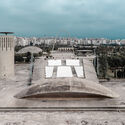
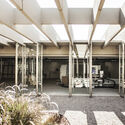
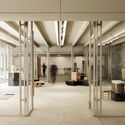
This year, one of the winners of the Aga Khan Award was the Renovation of the Niemeyer Guest House by East Architecture Studio. The project is located on Tripoli’s outskirts in Lebanon, and it is part of the Rachid Karami International Fair (RKIF), an unfinished masterpiece by Brazilian architect Oscar Niemeyer. ArchDaily’s Managing Editor, Christele Harrouk had the chance to sit with Charles Kettaneh and Nicolas Fayad, founders of the East Architecture Studio, on-site in "the Niemeyer Guest House Renovation" project. Talking about modern heritage and the challenges of renovations, the architects opened the conversation about the role of architecture in building platforms for change.
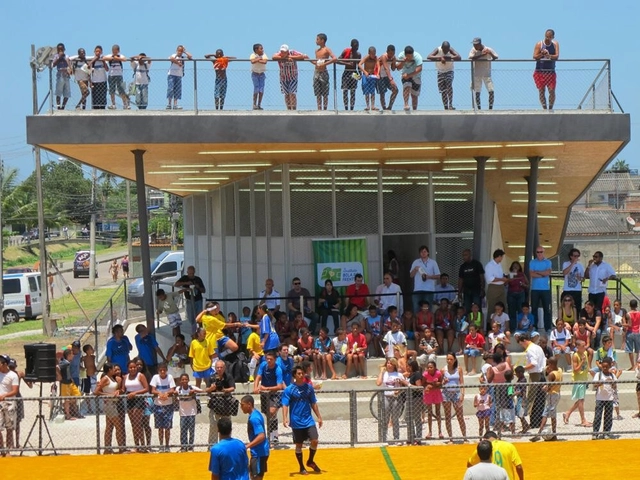
Community facilities are spaces for social interaction where people find leisure and information. Whether a cultural or a community center, this type of equipment aims to bring people together, creating opportunities for interaction in an environment of care and neighborhood.
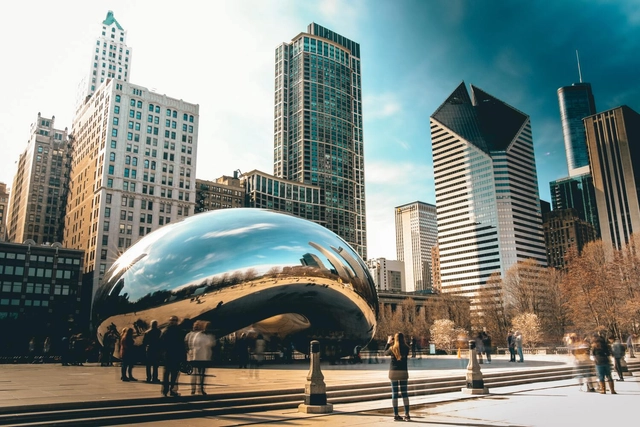
Chicago, The Windy City, Chi-Town, or The Second City. It’s a place that is known by many names, but to architects and urban planners alike, it’s famous for its history which has given us some of the best-known buildings and important advancements that have helped to shape other cities across the United States. From its inception, Chicago has long served as an architectural hub for innovation.