The profession of architecture is often marked by those individuals who employ their talent and resources to enable change and bring forth a vision for a better future. While some of them began their careers with bold gestures that captured the attention of the architectural world and changed paradigms, others worked in a more quiet manner, shifting the focus to the users of the space and asking themselves how they can best contribute to enriching the lives of those around them.
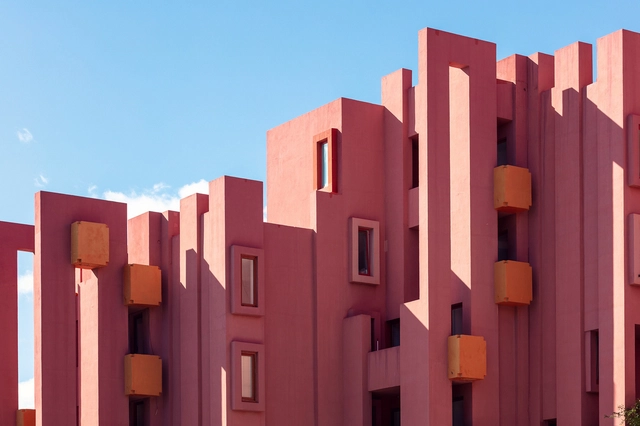
As the new year begins, we pause to look back to the architects who have passed away over the course of the last year but whose legacy and contribution to architecture outlive them. Among them, we remember Pritzker Prize laureate and pioneer of the High-Tech Richard Rogers, Post-Modern icon Ricardo Bofill, the thoughtful Gyo Obata, advocate and innovator Doreen Adengo, social housing pioneer Renée Gailhoustet and the many-sided Pritzker Prize laureate Arata Isozaki.
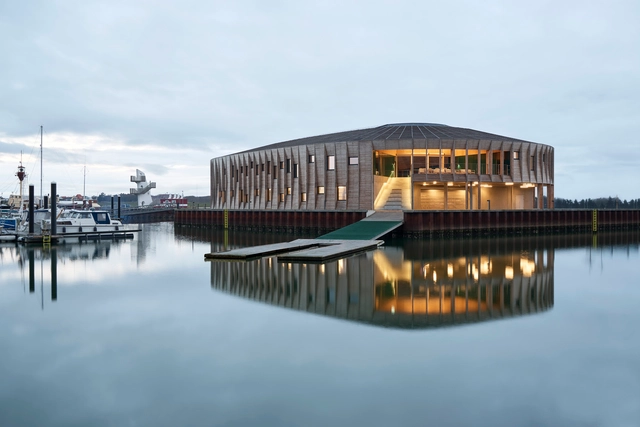
Developed by WERK Arkitekter and Snøhetta, the new maritime center on the coast of Esbjerg, Denmark, opens to the public. The wooden structure is conceived as a gathering space for watersports clubs and other visitors to the harbor, providing the coastal town with a maritime social hub. The circular structure protects the visitors from harsh weather conditions, while the large windows and amphitheater stairs open up views of the sea. Dubbed “The Lantern,” the project represents the winning design of a competition organized in 2019.
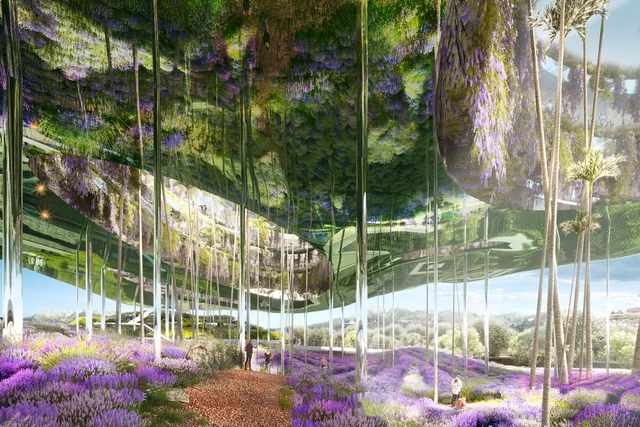
Jean Nouvel + OXO Architectes design Mountainous Mixed-Use Campus in Antibes. Image via Compagnie de Phalsbourg
Nowadays, much is said about the importance of collaborative design processes that involve joint creation, affirming a context in which there is less and less room for individual work and much more for the logic of collective and co-creation. Therefore, the idea that the work is created exclusively by the architect is already understood as a distortion of the complex reality of designing a project, going beyond the technical staff and also adding the community and its users.
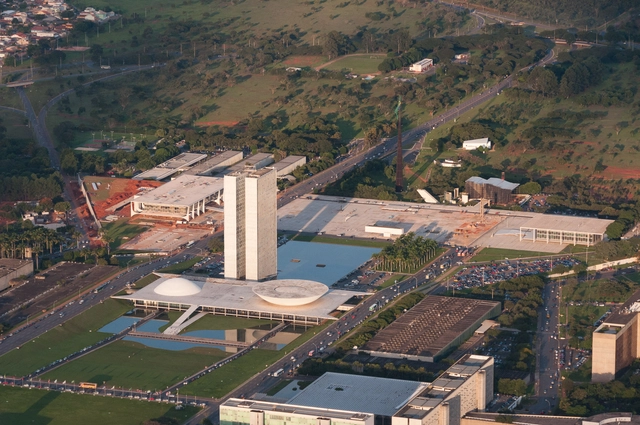
Few places in the world have an overlap of complexities as intense as Brasília. Even so, its architecture symbolizes the Republic and democracy of Brazil, and any act of attack on these symbols carries meanings and consequences for Brazilian memory and cultural heritage. The terrorist acts of January 2023 destroyed part of the heritage and raised questions beyond objects and architecture, touching on education, culture, and national political capital.
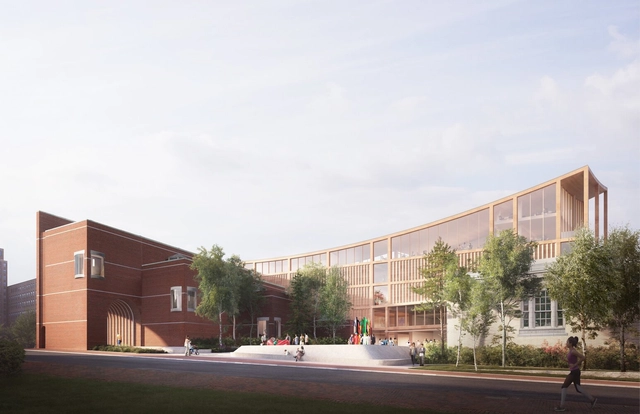
LEVER Architecture has been selected to lead the design team for the campus expansion of the Portland Museum of Art. The project aims to not only expand the existing campus but also to create a unified identity for the institution, one that ties together all the architecturally significant buildings on site. The winning proposal is primarily a mass timber structure inspired by Maine’s communities, history, and culture.
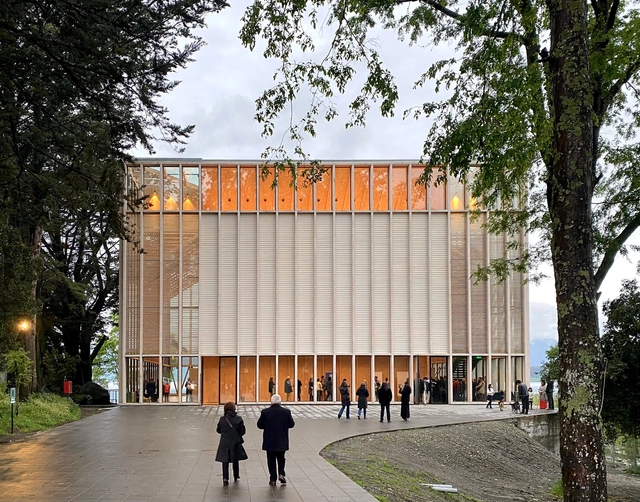
Designed by architects Tomás Villalón, Nicolás Norero, and Leonardo Quinteros, the Educational Theater of the Arts of Panguipulli has been chosen in Chile as the winning work in the architecture category of ESENCIALES x ArchDaily 2022.
https://www.archdaily.com/994307/educational-theater-of-the-arts-of-panguipulli-in-chile-wins-the-esenciales-x-archdaily-2022-awardArchDaily Team
Architect business development can be very challenging. It's not a topic that comes up in design school, and many of the practices that firms employ today can simply be categorized under the heading, “That's the way we've always done things.” At Archmark, we've helped more than 2,000 architects, in speaking with many firm owners, we've come to understand the struggles of running a successful architecture and design firm.
For example, you may be struggling with one or more of the following issues: Taking on “bad fit” projects because you have to pay the bills, Struggling to find new clients because you don't have a marketing system, Feeling pressure to reduce your fees because clients don't understand or value what you do, Getting pigeon-holed into the same type or level of projects due to a limited referral network, Anxiety about your future due to relying on a small number of large project sources.
If you’re looking to grow your architecture firm and take it to the next level, it may be time to consider some new ideas to mix into your business development process. So, what do you do? Where do you start?
Sodium chloride, most commonly known as salt, is everywhere. Ancient in its uses and abundant in nature, it preserves local ecosystems, de-ices roads, is vital in a variety of industrial processes, and is likely sitting on your kitchen table as a seasoning for your meals. Today, it is attributed relatively little value –considering it used to be as worthy as gold–, and unlike other nature-derived alternatives such as algae or mycelium, there doesn’t seem to be enough research and interest around all of its physical, mechanical or aesthetic properties. And yet it is a material with infinite, extraordinary potential. Apart from its life-supporting qualities, salt is affordable, easily available, antibacterial, resistant to fire, can store humidity and heat, and is great at reflecting and diffusing light.
The Pan American Biennial of Architecture of Quito (BAQ2022) ended on November 18th. Organized by the Pichincha Provincial College of Architects of Ecuador (CAE-P), it has been held since 1978 with the aim of promoting dialogue, exchange, and reflection on architecture and the contemporary city. During this edition, the intention was to address the theme "Inflections: Seeing again", with the aim of providing a space for discussion and debate on architecture around the moments of inflection in history.
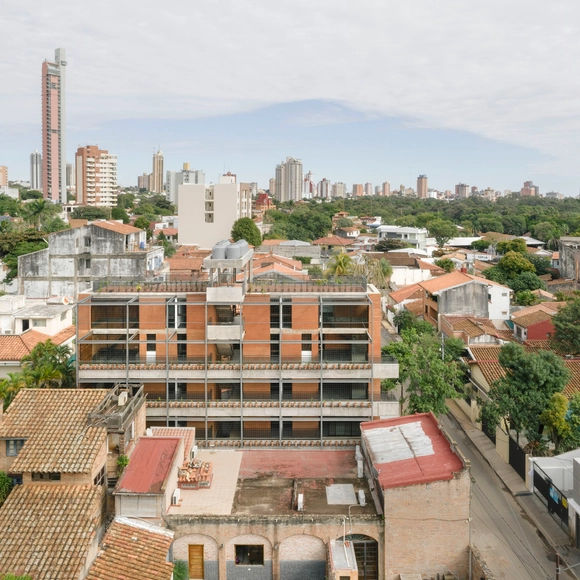
On the closing day, the winning projects for both the National Award and the Pan American Award were announced from among the nearly 60 selected finalists. At the same time, the winners of the Social Habitat and Sustainability Award were announced from among 8 selected finalists, as well as the two works that jointly won the Biennial Grand Prize. See all the winners below.
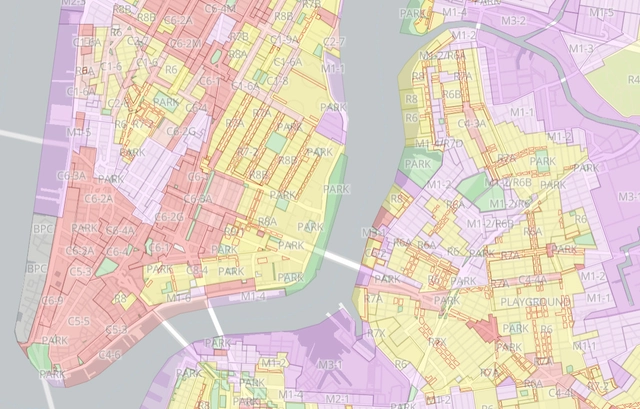
Land use and zoning laws have been a trending topic in recent years, gaining significant public attention across the United States. People are beginning to rethink the ways that our cities have been planned, seeking ways to improve their quality of life- and it often stems from codes and policies that dictate what can be built and where. Zoning that is too restrictive often makes it difficult for developers to build necessary projects such as multi-family housing. But when zoning is too loose, it creates neighborhoods that aren’t walkable and don’t have a strong sense of community.
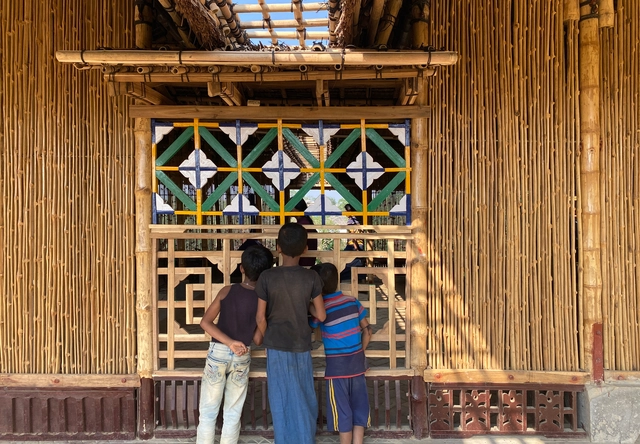
Architecture has been criticized for being a primary elitist indulgence. Most architectural projects are funded by the wealthy and seen as a means of bringing beauty into the surrounding environment. Architecture, however, is a double-sided coin with functionality balancing out aesthetics. With the ability to strategize radical solutions, architects equally find themselves at the forefront of solving complex issues. The context of Southeast Asia offers a demanding challenge with various social problems, giving architects a chance to save the world with humanitarian design.
Once again in its eighth edition, the Prix Versailles 2022 awards have honored the best achievements in contemporary architecture. A total of 24 projects from different parts of the world have been highlighted paying tribute to innovation, creativity, the reflection of local heritage, eco-efficiency, and the values of social interaction and participation upheld by the United Nations and aligned with the principles of intelligent sustainability considering the ecological, social and cultural impacts that surround the projects.
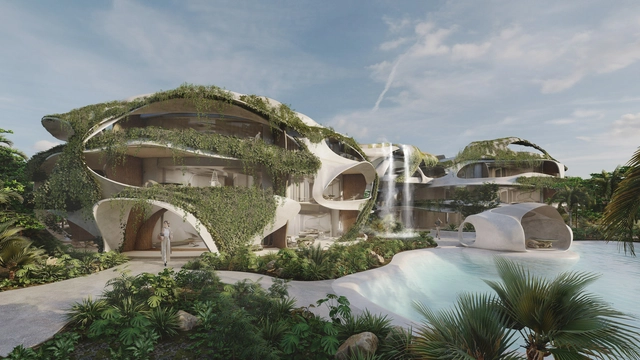
The world-renowned brand, AZULIK announces the new project in Tulum, Quintana Roo which confirms its creative expansion and the growth of architectural scope: "Habitable Sculptures" its first residential complex that they describe as "a new proposal for lifestyle and sustainable luxury." The residential initiative was born from the firm Roth Architecture, continuing with the characteristic aesthetic that "puts nature as the protagonist and the user as a priority."
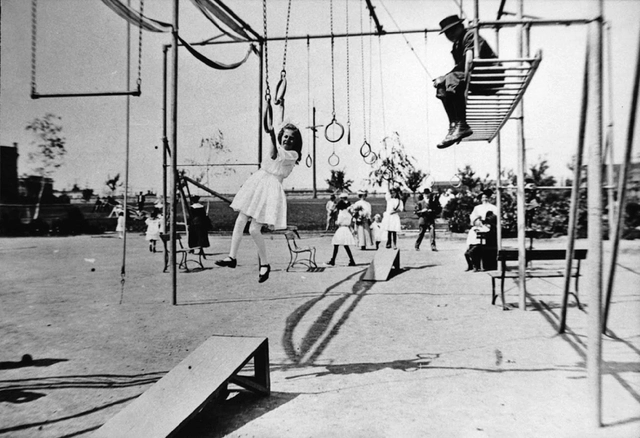
Playgrounds are spaces with equipment dedicated to children's leisure, where they can develop motor and social skills. However, these spaces are new to our cultures and cities and emerge from the recognition of childhood as a fundamental stage of human development.
Tagh Behesht Business Center in Tehran, Iran. Image Courtesy of Rvad Architecture and Design Studio
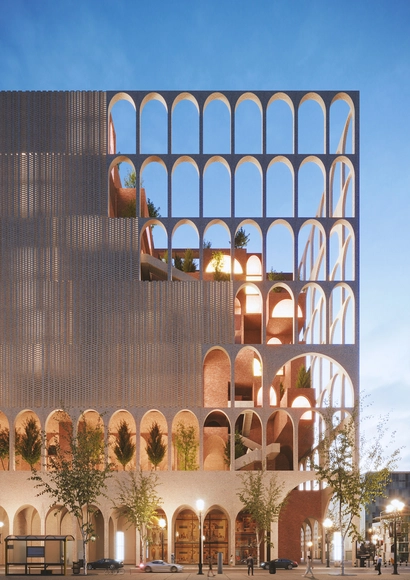
This week's curated selection of Best Unbuilt Architecture highlights office spaces submitted by the ArchDaily community. From a TV station in Vietnam to a bazaar-inspired business center in Iran, this round-up of unbuilt projects showcases how architects structure corporative spaces to serve as a model for sustainable, innovative, and future-oriented workplaces.
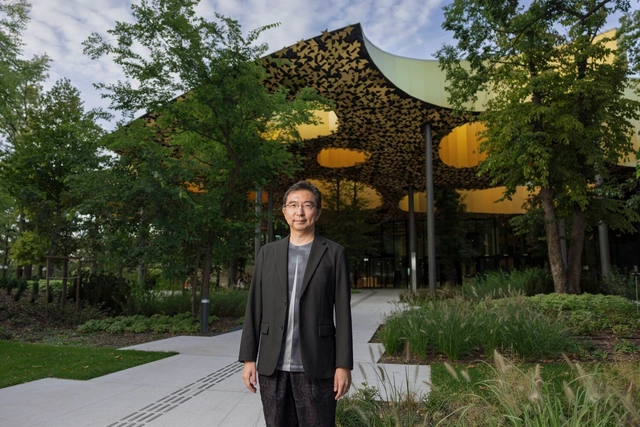
The House of Music Hungary is one of the biggest cultural investments in the European Union. Designed by Sou Fujimoto Architects, it is becoming a hub for city dwellers and worldwide visitors wishing to attend concerts, visit the exhibition or record music in the building's open studios.
ArchDaily editors first got in touch with the Liget Budapest Project in the summer of 2021 and were treated to an impressive site visit at the House of Music Hungary. We were among a few select invitees that caught a glimpse of the finishing phases at one of the city's major projects located in its 200-year-old park. Developers and contractors were racing to catch up on the time they’d missed due to the pandemic – a challenge they certainly fulfilled, with the project completed in less than six years and being opened to the public in December 2021.
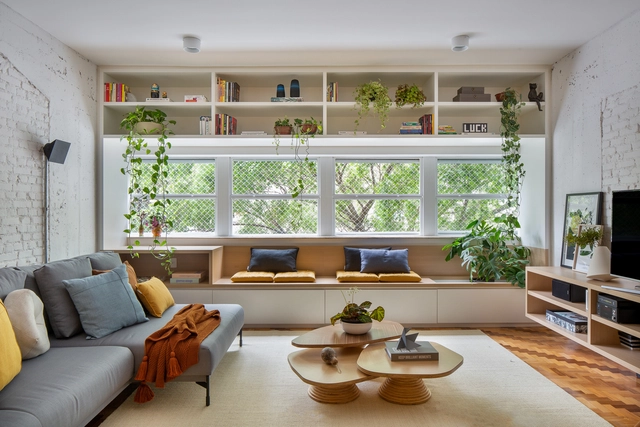
Usually, a window is an exterior opening that provides lighting and ventilation to the interior of a building. This connection with the context, added to appropriate lighting, makes it fundamental in the house. It is possible to improve your design so that it has different uses. Therefore, we have compiled some tips on how to take advantage of the sill to assign new functions to a room.
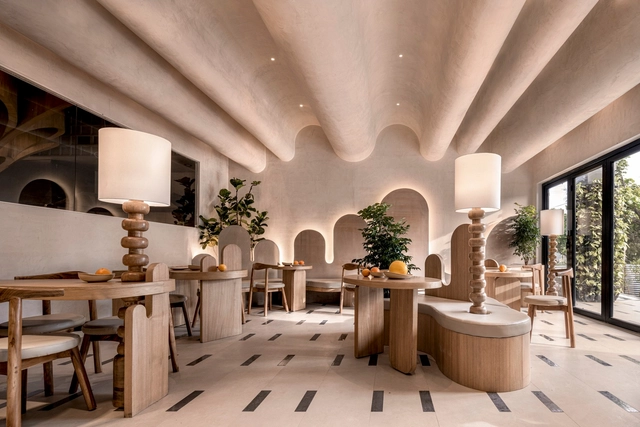
Interior design has progressively become a subject of interest among architects and designers. Having spent more time indoors recently, practitioners have been experimenting with their spaces and exploring different approaches to scale, comfort, and aesthetics. Much like everything else, design is highly influenced by external factors; any change to people's lifestyle influences how they respond to it, whether consciously or subconsciously. And while this dynamic is often seen in fashion or graphic design, it has been noticeable in interior design as well. Following years of linear, clean-cut, and refined spaces, curved silhouettes were revived, becoming one of the dominating interior design trends across the world.